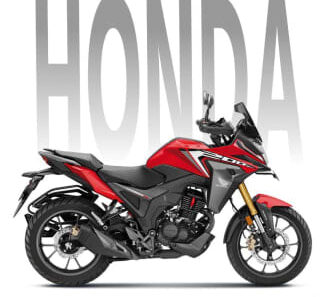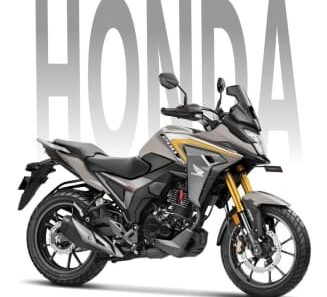

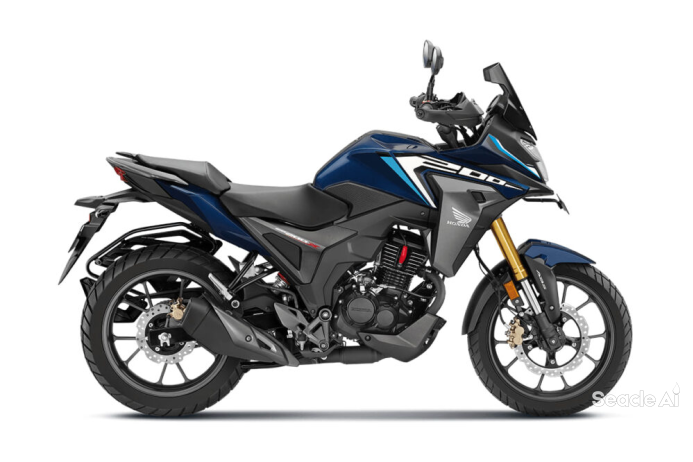

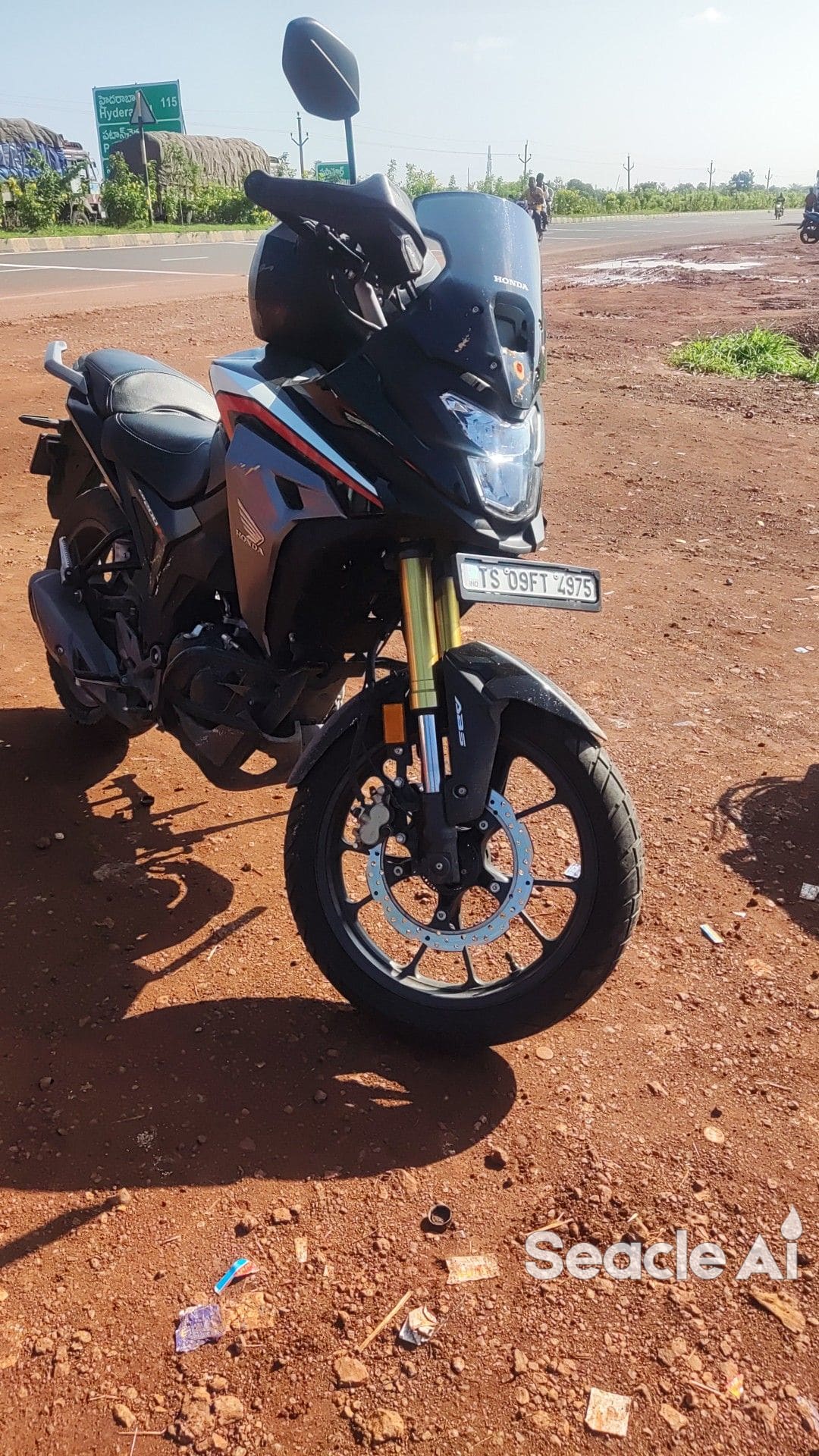
Introduced in reports throughout 2025 and updated into 2026, the Honda CB200X is positioned as a mid-displacement commuter with mild adventure styling — more of an upright road bike than a true off-roader. This article breaks down what it is, who it suits, key figures you can expect, realistic limitations, and a straight comparison with the KTM 390 Duke to help you decide.
Table of Contents
- Key CB200X specifications
- Honda adventure commuter: who it’s for
- CB200X mileage and performance
- CB200X vs 390 Duke comparison
- Real-world impressions
- Pros & Cons
- Alternatives
- FAQs
- Conclusion
Key CB200X specifications
As per reports in 2025–2026, the bike is aimed at riders who want practical everyday usability with a bit of upright comfort and a higher handlebar position. Below are the figures frequently cited in leaked dealer listings and test-ride impressions; treat them as likely, not final.
- Engine: ~184–200cc single-cylinder, air/oil-cooled (SOHC) — reports say Honda tuned it for low-end tractability rather than peak power.
- Power: ~17–19 bhp (12.5–14 kW) — meant for city and relaxed highway use.
- Torque: ~16–17 Nm, available low in the rev range for commuter pulls.
- Top speed (likely): 110–125 km/h, depending on load and wind.
- Mileage (as per reports): 45–50 kmpl under mixed Indian riding conditions; real-world urban mileage often falls toward the lower bound.
- Seat height: ~795–815 mm — this defines the practical minimum rider height below.
- Transmission: 5-speed gearbox with light clutch action.
- Kerb weight (rumoured): ~140–150 kg.
- Tank capacity (rumoured): 12–13 litres.
Confirmed vs expected: Honda has not published final homologation specs for some markets as of early 2026. Engine family and general targets (urban-friendly torque, 5-speed box) are consistent across sources, but exact power and weight figures remain likely values rather than manufacturer-confirmed numbers.
Honda adventure commuter: who it’s for
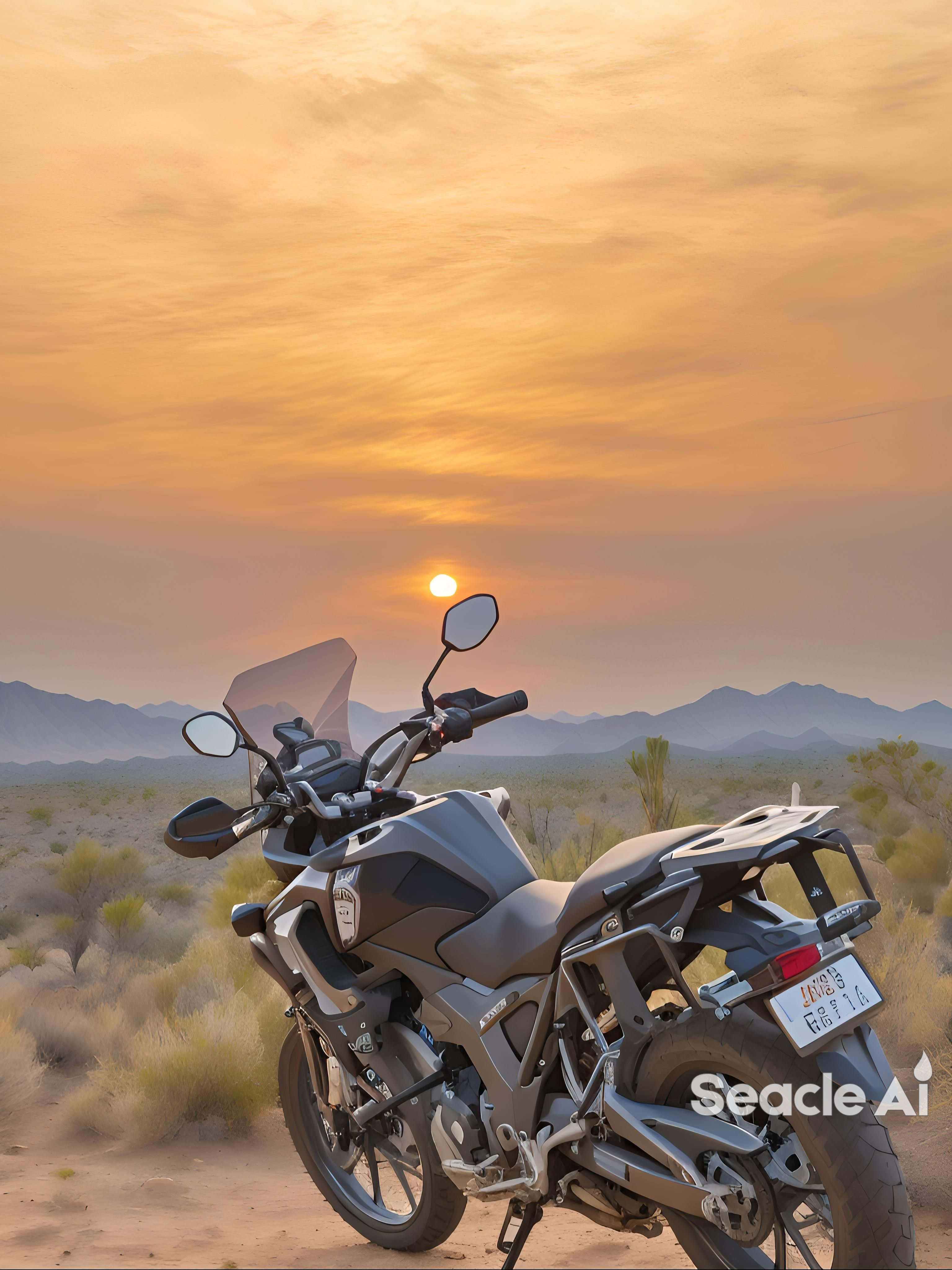
This model targets city riders who want an upright seat, better road visibility and occasional highway runs. It is not a long-distance tourer or a heavy-offroad machine. If you need luggage for multi-day trips or frequent high-speed cruising on expressways, you’ll feel the limitations.
Who should consider it:
- Commuters wanting comfortable posture and easy handling in traffic.
- Riders switching from 150–160cc bikes who want a modest bump in torque.
- Those prioritising low maintenance and predictable running costs.
Who should avoid it:
- Adventure riders seeking real off-road capability — suspension and ground clearance appear modest.
- Performance-focused riders who prefer high horsepower and sporty chassis dynamics.
CB200X mileage and performance
Expect fuel efficiency closer to small-capacity Hondas: the claimed 45–50 kmpl is achievable in steady-state riding at 60–70 km/h; city use and frequent idling will drop that number by 10–15% in practice. The engine’s usable torque low in the rev range means you don’t need to hustle through gears in traffic — that’s a real-world comfort point.
Riding notes:
- Throttle response is deliberately bland at low rpm to keep the bike predictable; this helps in stop-start traffic but makes quick overtakes require downshifts.
- On 30–40 minute highway stints the small windshield and upright tuck reduce fatigue, but longer continuous runs (2+ hours) expose the limit of seat padding and wind protection.
Short observational insight: Shorter riders usually notice the seat-to-foot reach first; reachability to the ground is friendly for many but you may feel tall if you’re below 160 cm.
Check Price — verify dealer offers and test-ride availability before committing.
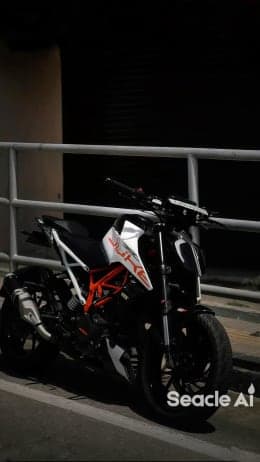
CB200X vs 390 Duke comparison
| Aspect | CB200X (likely figures) | KTM 390 Duke (actual) |
|---|---|---|
| Engine & performance | ~184–200cc single, tuned for torque and ease; ~17–19 bhp | 373cc liquid-cooled single, ~44–45 PS; sport-oriented performance |
| Torque / Top speed / Mileage | ~16–17 Nm / 110–125 km/h / 45–50 kmpl (claimed) | 37 Nm / ~165–170 km/h / 22–25 kmpl (real-world) |
| Key features | Upright ergonomics, simple electronics, likely single-channel or dual-channel ABS | Ride-by-wire, traction control (in some years), slipper clutch, WP suspension, dual-channel ABS |
| Price range | Expected ~INR 1.40–1.80 lakh (ex-showroom India, as per reports) | Approx INR 2.70–3.00 lakh (ex-showroom India depending on model year) |
| Tank capacity | ~12–13 L (rumoured) | 13.5 L (actual) |
| Braking and safety | Disc front, likely rear disc, single/dual-channel ABS depending on variant | 320 mm front disc, 230 mm rear, dual-channel ABS standard, better stopping performance |
In short: if you want outright performance, sharp handling and electronic aids, the 390 Duke is the obvious choice. If you want low running costs, easier urban manners and a more relaxed riding posture, the smaller-displacement option is better.
Real-world impressions
Two practical observations not obvious from specs:
- The daily heat signature around stoplights is gentle compared with bigger liquid-cooled bikes; in dense city traffic you’ll feel less radiated warmth against your legs.
- Weight distribution favors low-speed maneuvers — U-turns and slow parking feel effortless; the trade-off appears during longer rides where the small tank and limited wind protection amplify rider fatigue.
Pros & Cons
Pros
- Easy urban drivability and predictable throttle.
- Economical running expectations for Indian conditions.
- Accessible seat height for many riders.
Cons
- Not ideal for serious off-roading or long highway touring — suspension and top-end power are limited.
- Expected features list is sparse compared to premium middleweights; you may miss traction control or slipper clutch.
- If you are a highway commuter who consistently spends hours on straights, the top speed and seat comfort will become obvious constraints.
Alternatives
If you want more performance, the KTM 390 Duke or similar 300–400cc machines make sense. If your priority is efficiency and price, established 150–160cc Hondas and rival commuter models hold strong resale and service networks.
FAQs
Q: What is the minimum height to ride the Honda CB200X?
A: With a seat height reported around 795–815 mm, riders from ~155 cm (5’1″) and up will find the bike manageable; very short riders may need to tiptoe on uneven ground.
Q: What sort of mileage can I expect from the CB200X?
A: As per reports, 45–50 kmpl is the claimed figure; urban mixed riding usually brings that down to around 40–45 kmpl depending on throttle habits and traffic.
Q: How does CB200X specifications compare with rivals?
A: The CB200X specifications suggest a focus on low-end usability and economy rather than peak power — it competes more with practical commuters than performance naked bikes.
Q: Is the CB200X suitable for long highway touring?
A: Not ideally. Limited top speed, smaller tank and modest wind protection make long high-speed touring uncomfortable; consider a larger-capacity bike for frequent multi-day highway rides.
Conclusion
The bike covers a sensible gap: an economical, comfortable urban machine with a touch of adventurous styling. Its strengths are usability, low running cost and approachable ergonomics. Its limitations are clear — modest power, limited high-speed ability, and feature list that likely won’t match performance-focused rivals.
If your daily routine is city commuting and occasional weekend runs with light luggage, it makes sense. If you regularly do expressway triple-digit runs, or demand razor-sharp handling and quick acceleration, look at higher-displacement alternatives like the KTM 390 Duke. This matters more than it seems when you tally fuel stops, rider fatigue and insurance costs over years.
Compare Options — book a test ride and check local pricing before deciding.