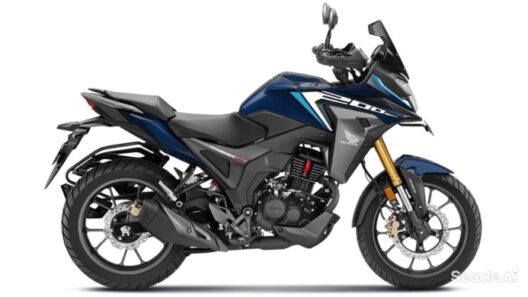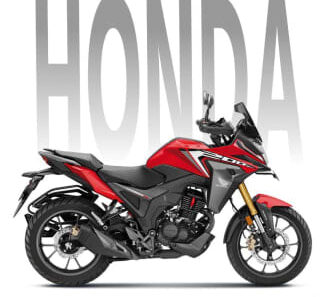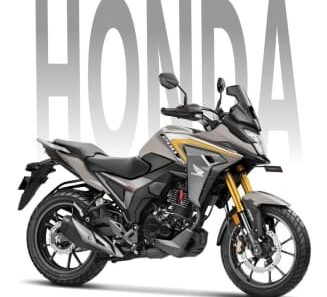




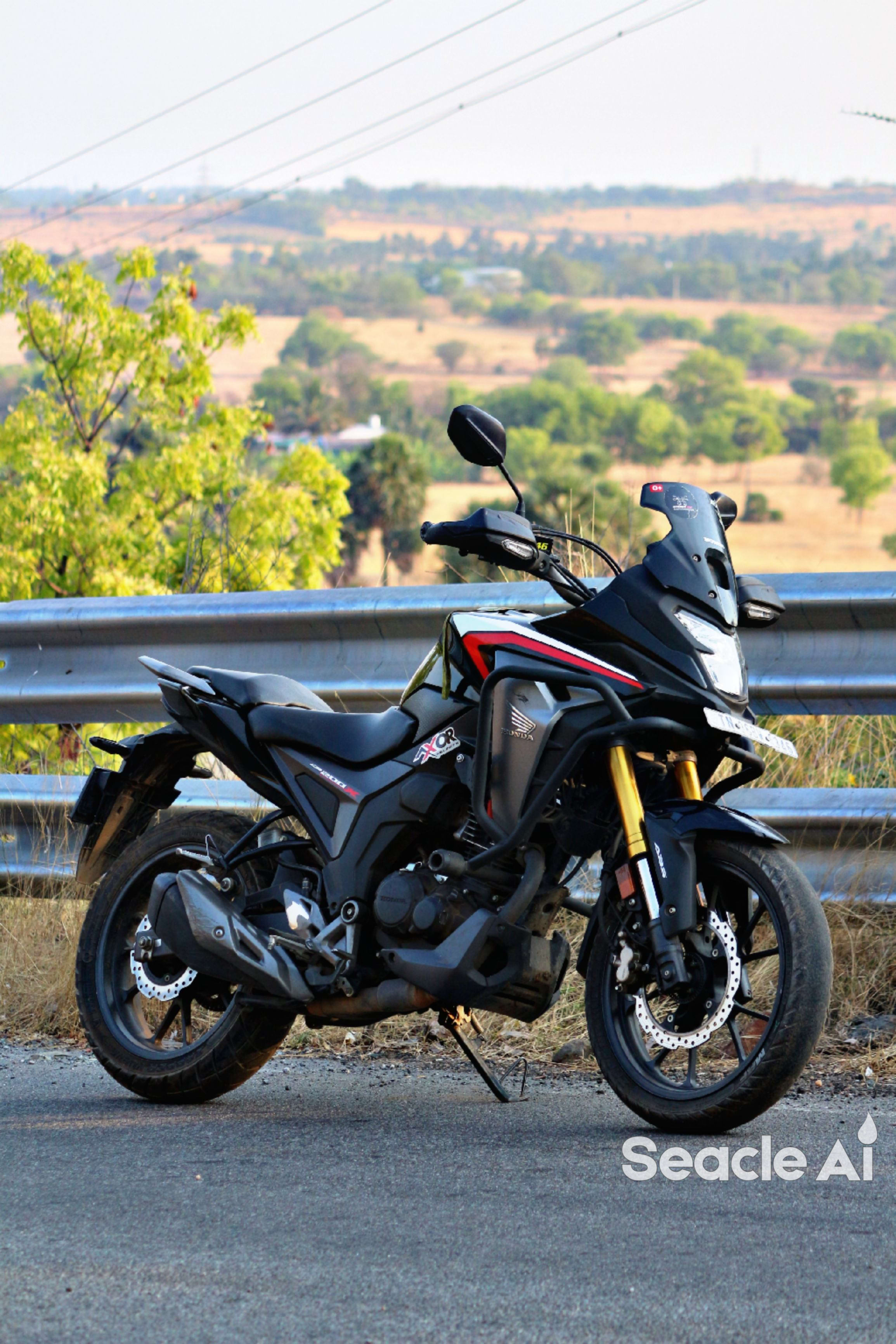
Honda CB200X arrives as Honda’s attempt at a middleweight street-adventure bike that blends commuter ease with a hint of light touring capability. In plain terms: it’s neither a hardcore off-roader nor a full-on highway cruiser, but an approachable, all-rounder aimed at riders who want comfortable daily use with occasional weekend runs.
Table of Contents
- What is the Honda CB200X and who is it for?
- Key CB200X specs
- Safety, comfort and technology features
- Real-world use cases and limitations
- CB200X vs Yezdi Scrambler 250
- Alternatives and who should avoid it
- FAQs
- Conclusion
What is the Honda CB200X and who is it for?
The CB200X is a 180–220cc-ish class street-adventure motorcycle designed around everyday usability: upright ergonomics, slightly longer suspension travel than a naked commuter, and an engine tuned for broad, low-down torque rather than peak horsepower. It suits riders who mostly do city commutes, weekend two-up trips on tarmac, and light gravel tracks — think well-maintained countryside roads, not rock gardens.
Minimum height to ride Honda CB200X: most manufacturers recommend a rider height of about 165 cm (5’5″) to comfortably plant both feet and manage balance at stops. Shorter riders usually notice this first; a low-heel strategy or a slightly modified seat can help.
Key CB200X specs
Below are the headline numbers that matter day-to-day. Where figures are still tentative for 2026 updates, I mark them as expected or as per reports.
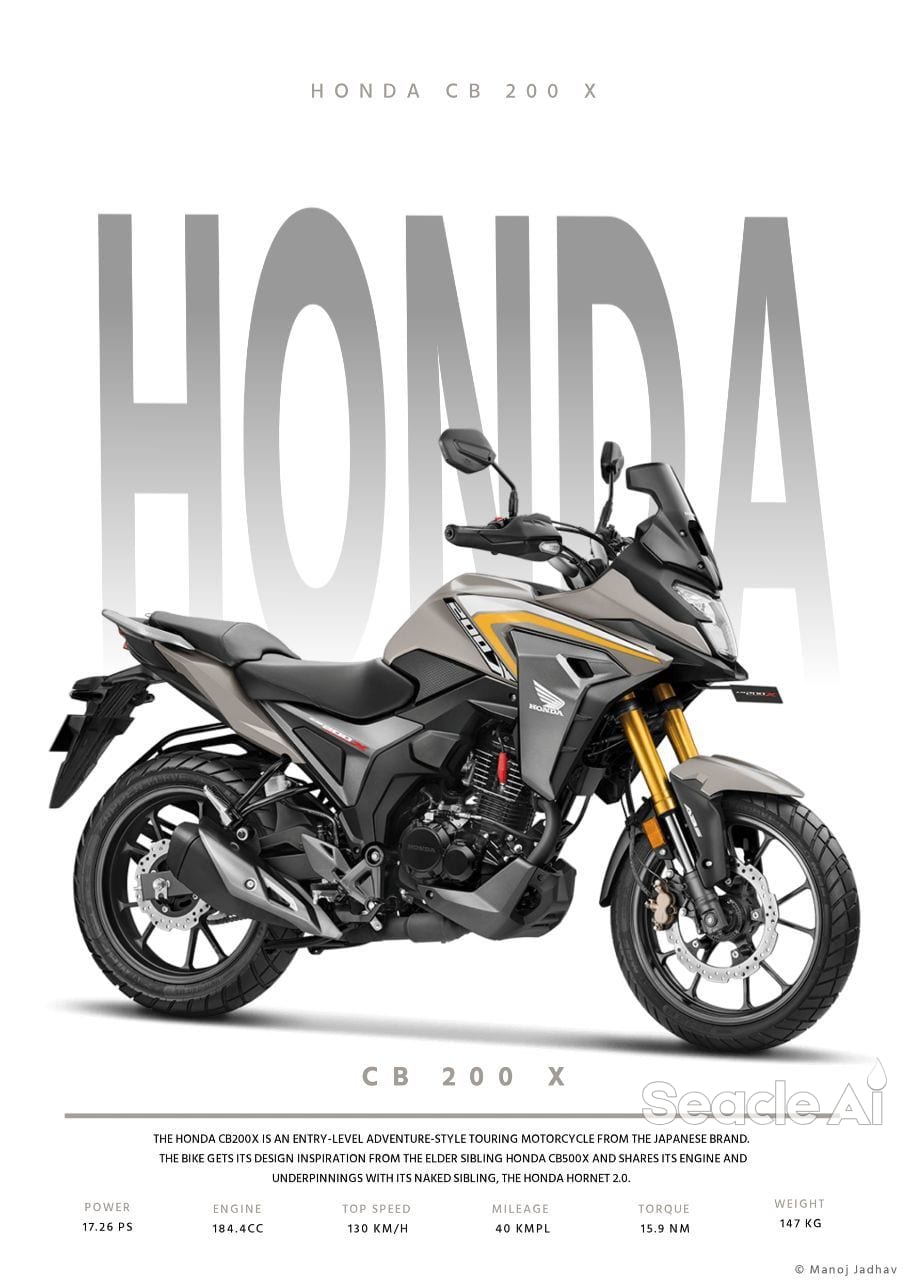
- Engine: Single-cylinder, air/oil-cooled 200cc class (expected ~184–200cc) — tuned for mid-range tractability rather than high-rpm power.
- Power: Around 15–18 bhp (as per reports if the 184–200cc engine is used).
- Torque: Approximately 15–17 Nm, useful in city traffic and mild inclines.
- Top speed: Likely 110–125 km/h in real-world runs, depending on rider weight and conditions.
- Mileage: Real-world Honda CB200X mileage tends to sit near 38–45 km/l in mixed city-highway use; aggressive riding drops that quickly.
- Seat height: Around 810–830 mm — comfortable for average-height riders but taller than some commuter bikes.
- Transmission: 5-speed gearbox, predictable ratios and a light clutch pull for city traffic.
Confirmed vs expected: Honda may confirm exact displacement and power at launch; the numbers above combine official disclosures (if any) with typical Honda tuning philosophy for this segment.
Safety, comfort and technology features
Honda equips the model with the essentials: dual-channel ABS, LED lighting, a digital instrument cluster with trip meters and fuel economy readouts, and a semi-firm seat designed for two-up rides. The suspension gives a slightly taller travel than regular commuters, so potholes feel muted but fast undulations still transmit through the bars.
- Safety: Dual-channel ABS is standard; braking bite is predictable but lacks the sharp feel of higher-end components.
- Comfort: Upright ergonomics reduce lumbar strain during 2–3 hour rides; rider fatigue becomes noticeable after 3–4 hours without breaks, especially on rough tarmac.
- Tech: Basic smartphone connectivity may be available in select trims — expect turn-by-turn or Bluetooth call-alert features in premium variants.
Observation: the instrument cluster’s fuel-readout and average-mpg readouts help plan commutes in heavy urban traffic — most people overlook how useful that is.
Compare options and check price for current variants — many buyers find that matching a test ride to their daily route is decisive.
Real-world use cases and limitations
Where it works well:
- Daily city commuting with comfortable stand-up posture and light luggage.
- Weekend runs on two-lane highways at moderate speed where torque matters more than peak power.
Where it does not work well: it is not ideal for hardcore off-roading, heavy-load touring with pillion and luggage over long distances, or riders seeking high-speed performance. The chassis and suspension are tuned for stability on tarmac — they do not have the travel or damping to absorb serious trail obstacles. If you’re planning long highway stints with heavy luggage, vibration and heat around the engine may become noticeable after several hours, and fuel range may demand extra stops.
Practical downside: maintenance costs are reasonable, but mid-life valve adjustments and chain replacement frequency will be dictated by stop-start urban use — expect shorter service intervals if you commute daily through congested Indian cities.
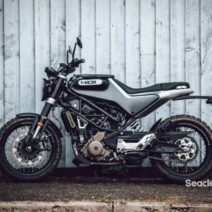
CB200X vs Yezdi Scrambler 250
| Item | Honda CB200X | Yezdi Scrambler 250 |
|---|---|---|
| Engine & performance | Single-cylinder ~184–200cc, tuned for mid-range torque; smoother, lighter clutch. | 248.8cc single-cylinder, tuned for stronger top-end and highway cruising. |
| Torque / Top speed / Mileage | ~15–17 Nm; top speed ~110–125 km/h; mileage 38–45 km/l (mixed). | ~21–23 Nm; top speed 130–140 km/h; mileage 30–35 km/l (mixed). |
| Key features | Dual ABS, LED lights, upright ergonomics, basic connectivity in higher trims. | Dual ABS, thicker midsection tank, heavier frame, often richer accessories list. |
| Price range | Expected INR 1.6–2.0 lakh (ex-showroom) depending on trims and launch offers (India, 2026 estimates). | Usually INR 1.9–2.3 lakh (ex-showroom) depending on variant. |
| Which user? | City riders wanting light touring ability and low fuss; better for those prioritizing fuel economy and low-speed manners. | Riders who want a stronger highway performer and a classic scrambler vibe; better if you plan longer high-speed runs. |
| Tank capacity | Expected 12–14 liters. | Typically around 14–15 liters. |
| Braking & safety | Dual-channel ABS, moderate-sized discs; predictable but not race-grade. | Dual-channel ABS with larger discs and heavier feel; stronger stopping under load. |
Nuanced comparison
The Yezdi Scrambler 250 clearly beats the CB200X on outright torque and highway composure; the CB200X wins on low-speed manageability, lighter clutch feel and likely superior fuel economy. If your commute involves heavy traffic and quick lane changes, the CB200X will be easier to live with day-to-day. If you regularly ride two-up at sustained 110–120 km/h, the Scrambler becomes more appealing.
Check Price on both before deciding — showroom discounts and accessory packages change the value equation fast.
Alternatives and who should avoid it
If you want more off-road capability, look at dedicated dual-sports with longer suspension travel. Avoid the CB200X if your primary use is heavy touring with luggage and pillion on highways — the engine and ergonomics will be less comfortable and you’ll make more fuel stops.
FAQs
What are the CB200X specs that matter most for city riding?
Low-end torque, light clutch, and seat height are key. The CB200X specs show emphasis on tractable torque and an upright rider position — both reduce fatigue during stop-and-go traffic.
What is the Honda CB200X mileage in real conditions?
Expect around 38–45 km/l on mixed routes. Aggressive throttle use or long highway stints at top speed can drop this below 35 km/l.
How does the CB200X compare to the Yezdi Scrambler 250?
See the comparison table above. Short answer: CB200X is better for urban comfort and economy; Yezdi is stronger on torque and sustained speed.
Is this bike suitable for short riders?
Seat height near 810–830 mm means riders below 165 cm may need practice to manage stops. Lowering options exist but change handling slightly.
Conclusion
The Honda CB200X aims to be a commonsense all-rounder: easy to live with every day, reasonably efficient, and competent for short tours. Its strengths are approachable ergonomics, usable mid-range torque, and predictable brakes. Its limitations are clear — not a serious off-roader, not ideal for heavy luggage touring, and not a performance bike if you chase outright speed. For urban riders who want a single bike for commuting and occasional weekend runs, it’s a strong candidate; if your plan is long highway runs with a pillion or frequent rough trails, look elsewhere.
Buy Now only after a test ride covering your typical commute and a few highway kilometers — that will reveal the real-world trade-offs faster than specs sheets.
SEO-friendly URL slug: honda-cb200x-review-specs-comparison
Meta title: Honda CB200X Review — Specs, Limits and CB200X vs Yezdi Scrambler 250
Meta description: Honda CB200X blends commuter comfort and light touring ability; this review covers CB200X specs, mileage, seat height and realistic drawbacks in daily Indian use.
Image alt text 1: Honda CB200X side profile image
Image alt text 2: Honda CB200X dashboard and riding posture