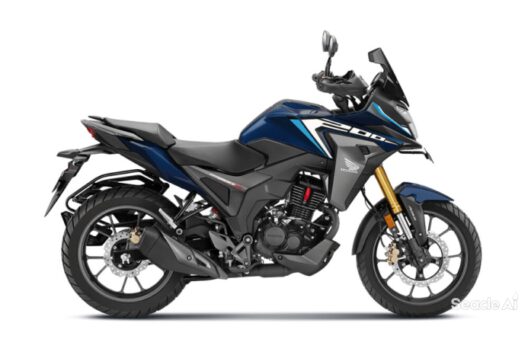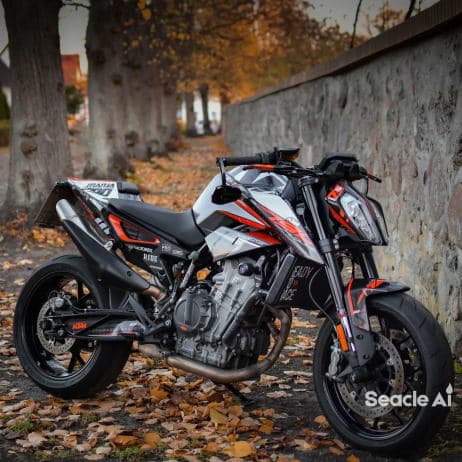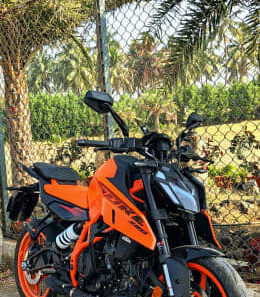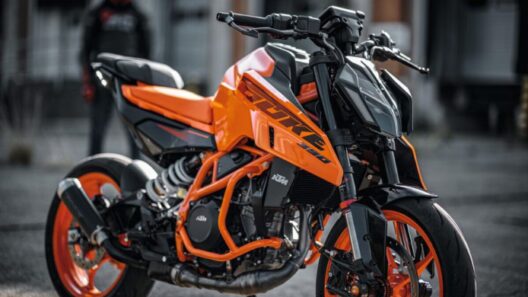
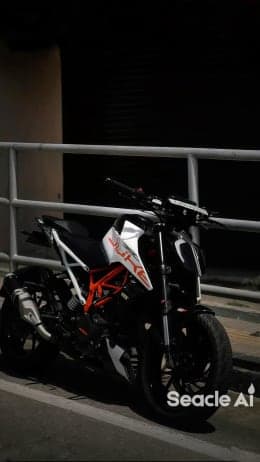

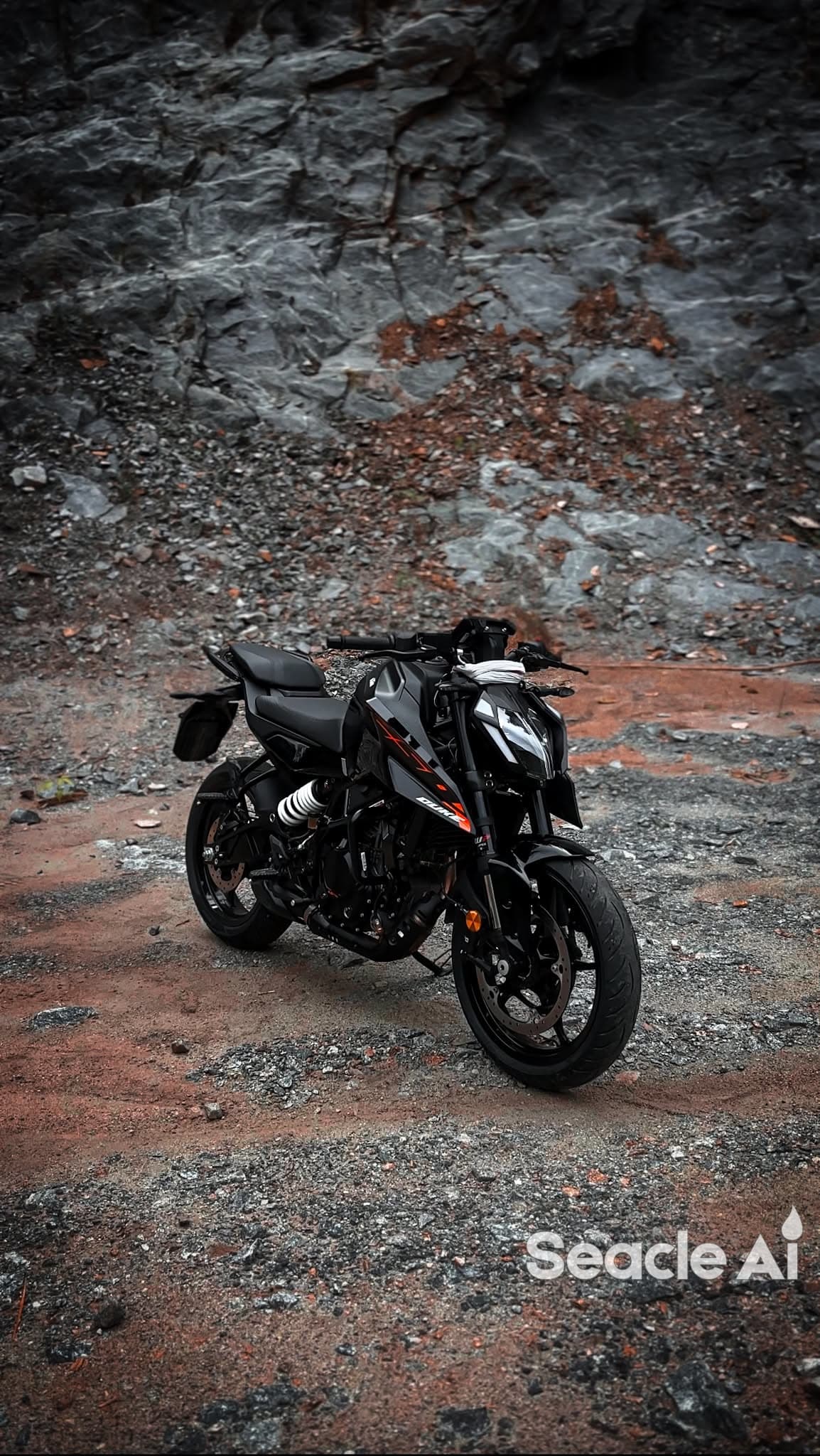
The KTM 390 Duke is a compact, sporty naked bike built around a high-revving single-cylinder engine. It’s aimed at riders who want sharp handling, light weight, and punchy city performance without moving into middleweight or litre-bike complexity. In simple terms: it’s a sporty commuter and weekend rider rather than a long-haul tourer or off-road machine.
390 Duke specs
The core mechanicals are tidy and simple to understand:
- Engine: 373.2 cc liquid-cooled single-cylinder, DOHC, 4 valves.
- Power: ~43.5–44.5 PS (32–33 kW) at around 9,000 rpm (market dependent).
- Torque: ~37 Nm at ~7,000–7,500 rpm.
- Transmission: 6-speed gearbox with slipper/assist clutch and often a quickshifter in higher trims.
- Top speed: Typically 165–180 km/h depending on gearing and rider weight.
- Kerb weight: ~167–170 kg (light for its segment).
- Seat height: 830 mm (see minimum rider height below).
Confirmed across model years: the bike keeps a small footprint—light chassis, short wheelbase—which makes steering quick in town but means highway stability needs rider attention in strong crosswinds. Shorter riders usually notice this first: the 830 mm seat puts feet on tiptoe for many people.
Duke 390 mileage
Fuel economy is reasonable for a sporty single:
- Average in mixed Indian city/highway use: 25–30 km/l (real-world observed range).
- Highway cruising: 30–34 km/l if you ride consistently below 100 km/h.
- Tank capacity: ~13.7 litres — practical range roughly 340–420 km depending on speed and conditions.
Expectation vs reality: hard acceleration and urban stop-start drops average quickly. If you ride aggressively, expect the lower end of that range; conservative riding raises it. This matters more than it seems when planning weekend runs with limited petrol stations.
Duke 390 features
Key tech and safety items you’ll actually use:
- Full-LED lighting and a full-colour TFT display with smartphone connectivity (call/text info, navigation prompts on some updates).
- Ride-by-wire with selectable ride modes (Street/Rain; some markets get a Track mode), and traction control.
- Slip/assist clutch and inverter quickshifter on recent trims — useful for sporty riding and smoother city shifts.
- Brakes: single front disc with radial caliper and single rear disc; dual-channel ABS as standard, with cornering ABS in some markets/updates.
Practical takeaway: electronics modernize the riding experience, but the chassis is still tuned for sharp feel, not plush long-distance comfort.
Real riding experience & limitations
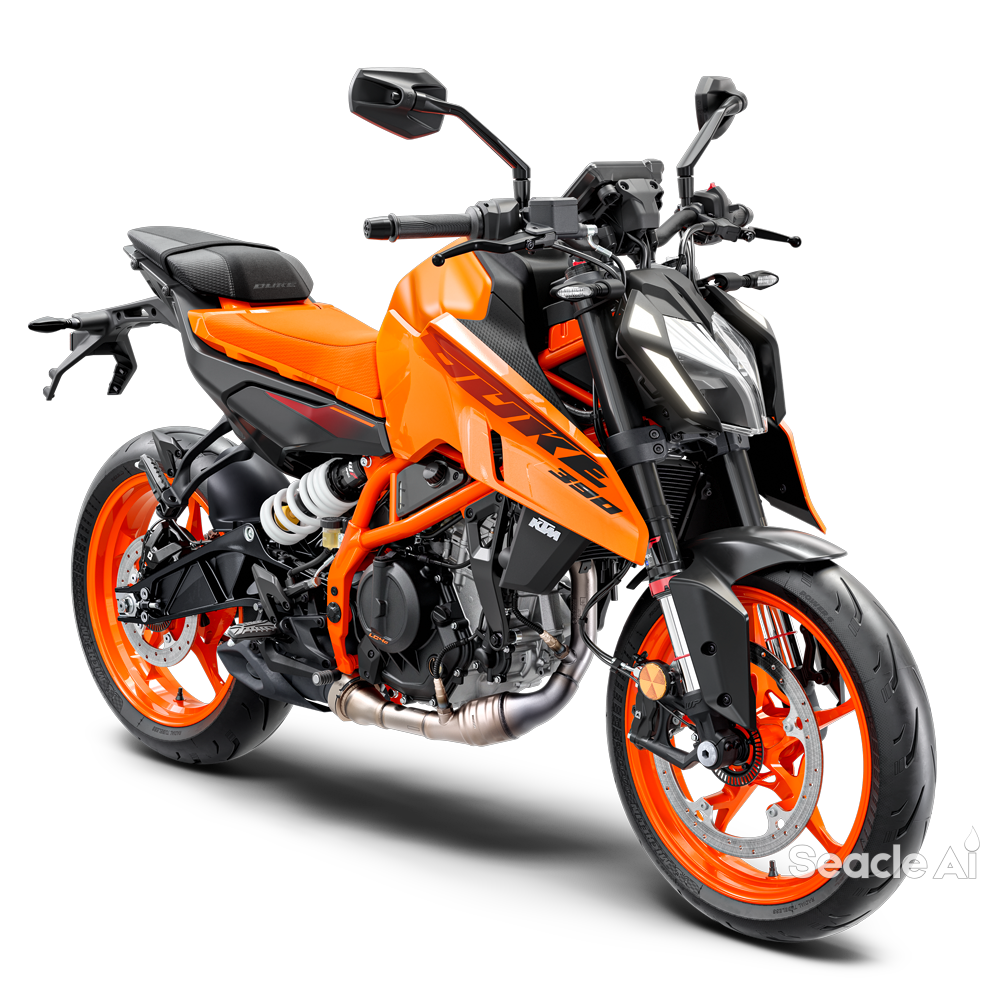
From actual road use: throttle response is immediate at mid-range revs, which makes lane-splitting and city gaps feel effortless. The flip side is that the engine is buzzy above 6,500 rpm on long highway stretches—comfort erodes after 2–3 hours at sustained high speed. Rider fatigue builds faster than on larger, more relaxed middleweights.
Suspension is firm for agility. That translates to precise cornering in twisties but transmits bumps on badly surfaced roads — something urban Indian riders notice during daily commutes. Maintenance intervals are reasonable, but service and parts for performance components (clutch, brake pads) tend to be more frequent than on basic commuters.
Who should avoid it
If you want a bike for long-distance touring with heavy luggage, or serious off-roading, this is not ideal. The seat, wind protection and fuel range are all compromises for lightness and agility. If you routinely carry a pillion plus luggage, look at a larger, more touring-focused platform.
Check Price — compare dealer offers before deciding, as running costs and warranty packs vary by market.
KTM 390 Duke vs Yamaha MT-09
These two bikes target very different riders. Below is a focused comparison:
| Category | KTM 390 Duke | Yamaha MT-09 |
|---|---|---|
| Engine & Performance | 373 cc single — nimble, high-revving, ~44 PS. Best for tight traffic and twisty roads. | 890 cc 3-cylinder — ~119 PS. Much stronger acceleration and higher top speed; better for fast roads and touring. |
| Torque / Top speed / Mileage | ~37 Nm; top ~170 km/h; 25–30 km/l mixed. | ~93 Nm; top well over 230 km/h; 16–20 km/l mixed (depends on riding). |
| Key features | TFT display, quickshifter (on some trims), traction control, ABS. | Advanced electronics: multiple ride modes, cornering ABS, cruise control, more comprehensive traction control. |
| Price range | In India: roughly ₹2.9–3.2 lakh ex-showroom (market dependent). | International markets: ~$9,500–11,000 (approx ₹7.5–9.5 lakh); not commonly sold in India through official channels. |
| Recommended user | New-to-intermediate riders, commuters who value agility, city-focused riders. | Experienced riders needing highway pace, touring with passenger, or higher-speed performance. |
| Tank capacity | ~13.7 L | ~14–14.5 L |
| Braking & safety | Single disc front with radial caliper, single rear; dual-channel ABS standard; cornering ABS on higher specs in some markets. | Dual front discs, stronger calipers, multi-mode ABS and lean-angle sensors as standard on newer models. |
Nuanced note: the MT-09 simply outguns the 390 in performance and electronics, but also costs significantly more and is heavier. If you mostly ride inside the city and want low weight and ease of use, the 390 is still the smarter pick.
Alternatives & who should avoid it
Consider larger naked bikes (e.g., 600–900 cc class) if you need sustained motorway comfort and passenger space. If budget and running costs are concerns, a 200–300 cc commuter will be cheaper to maintain.
FAQs
What is the minimum seat height to ride KTM 390 Duke?
The seat is about 830 mm. In practice, riders of at least 165 cm will feel more secure placing feet flat; shorter riders manage with tiptoe and practice. Lowering kits exist but change cornering feel.
What are realistic KTM Duke 390 mileage figures?
Expect 25–30 km/l in mixed urban/fast-commute use; steady highway speeds below 100 km/h can push that to 30–34 km/l. Heavy throttle use drops economy quickly.
Does the KTM 390 Duke have traction control and quickshifter?
Recent trims include traction control and an electronic quickshifter or offer them as options. Availability varies by market and model year; always confirm with the dealer.
Is the KTM 390 Duke good for long touring?
It’s usable for short to medium touring but not ideal for heavy luggage or multi-day long-distance comfort. The seat and wind protection are limited; you’ll notice fatigue after long stints on highways.
Conclusion
The KTM 390 Duke is a focused machine: light, sharp, and modern. Strengths include agile handling, contemporary electronics, and an engaging single-cylinder character. Downsides are limited wind protection, firmer suspension that transmits poor road surfaces, and a seat height that can be challenging for shorter riders. It’s not the bike for heavy touring or off-road use — choose it if you value city agility and canyon carving over straight-line comfort.
If you want performance with minimal fuss and a smaller ownership footprint, the 390 is hard to beat. If you need high-speed comfort, passenger-friendly touring, or more relaxed long-distance cruising, look at larger triples or middleweights like the MT-09 instead.
Buy Now — check local inventory and compare price packages to avoid surprises on service and warranty costs.