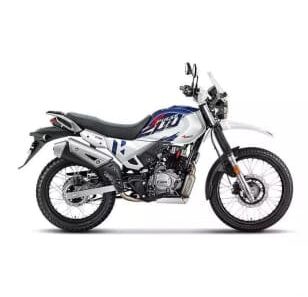



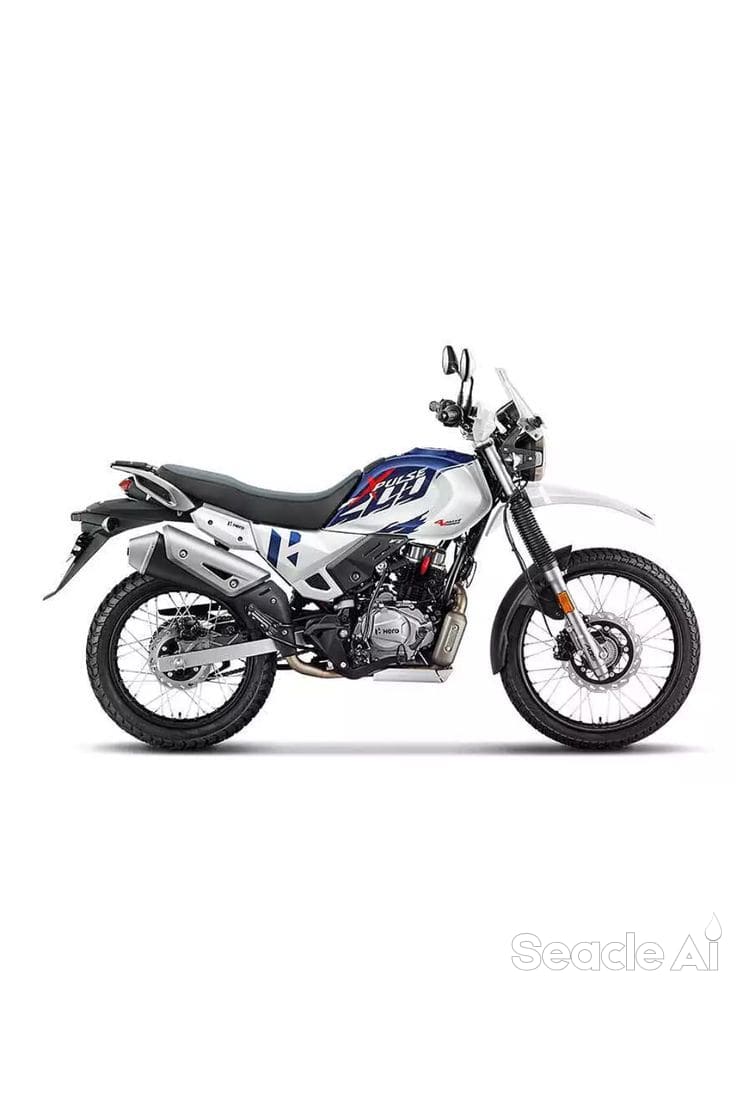
Hero XPulse 200 4V arrives as a tall, single-cylinder commuter with light off-road ambitions — designed for riders who want a city-friendly bike that won’t be completely out of its depth on rough backroads. Below I break down what it is, who it fits, where it fails, and how it stacks up against the Bajaj Pulsar N250 so you can decide without the noise.
Table of Contents
- What kind of bike is Hero XPulse 200 4V?
- XPulse 200 4V mileage and real-world fuel figures
- Hero XPulse 200 features: safety, comfort and technology
- Off-road commuter bike: where XPulse works and where it doesn’t
- XPulse vs Pulsar N250 — direct comparison
- Pros, cons and who should avoid the Hero XPulse 200 4V
- FAQs
- Conclusion
What kind of bike is Hero XPulse 200 4V?
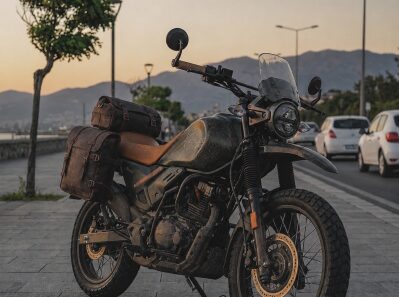
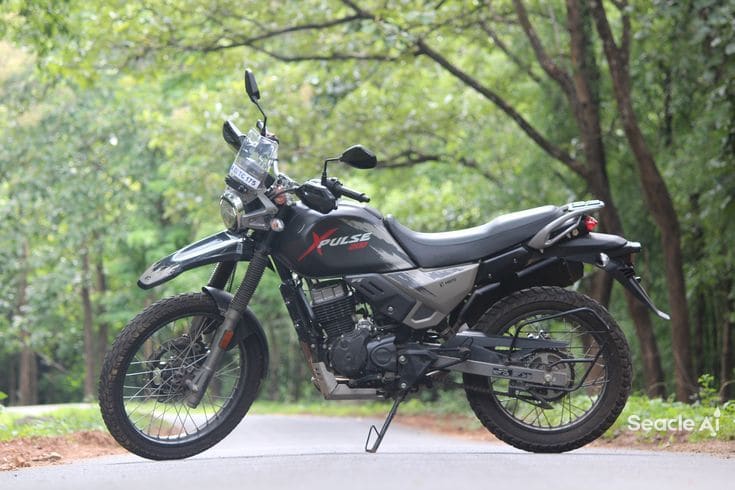
The XPulse 200 4V is a dual-purpose, lightweight 200cc motorcycle tuned for urban commuting with the ability to handle dirt tracks and rough village roads. It’s not a hardcore enduro — think of it as a practical, tall-seated roadster that tolerates gravel and potholed surfaces better than an average street bike.
Practical effect: the tall suspension and long-travel forks reduce the number of small-jolt hits transferred to your spine during daily Mumbai-to-Pune runs, but that same setup increases lateral wiggle at high speeds on smooth highways.
XPulse 200 4V mileage and real-world fuel figures
Official and real-world mileage differ: Hero’s claimed economy for this class typically sits in the low 40s km/l under standard test cycles, while riders in mixed city-highway use report 34–40 km/l depending on load and throttle habits. If you spend most time in stop-start traffic, expect numbers closer to the mid-30s.
Practical note: aggressive off-road riding or constant lugging in low gears drops the figure sharply — sometimes by 20% over a normal commute.
Hero XPulse 200 features: safety, comfort and technology
Key confirmed features (Hero’s spec sheet and dealer listings in 2025):
- Engine: ~199.6cc single-cylinder, 4-valve (fuel-injected), DOHC-like layout — tuned for tractable midrange.
- Power & Torque (approx): 17–19 PS and 16–18 Nm — enough for confident city overtakes but not for high-speed sprinting.
- Transmission: 5-speed gearbox with a light clutch bite for urban traffic.
- Brakes & Safety: front disc with single- or dual-channel ABS depending on variant (confirm exact trim at purchase), rear disc on higher trims.
- Comfort: a 835–840 mm seat height and a relatively narrow saddle help control at slow speeds; pillion ergonomics are basic but acceptable for short rides.
Technology is modest: digital-analog cluster, basic trip meters, and smartphone connectivity on higher trims. Don’t expect cruise control or ride modes. The safety setup is fine for its class, but long downhill runs demand careful braking because the chassis is tuned for forgiving compliance more than razor-sharp stability.
Minimum height to ride Hero XPulse 200 4V
Seat height is tall — around 835–840 mm. Minimum comfortable rider height is roughly 165 cm (5’5”) to manage occasional flat-footing; riders 170 cm+ will feel much more confident, especially on uneven ground. Shorter riders notice balance and reach issues first when stopping or maneuvering slowly.
Off-road commuter bike: where the XPulse works and where it doesn’t
Where it works:
- Broken roads, light trails and farm tracks — the suspension soaks up hits and the upright ergonomics keep visibility strong.
- City commutes with occasional highway stints — the motor is tuned for midrange torque useful in traffic.
Where it fails:
- Not ideal for prolonged high-speed highway touring — at sustained 100+ km/h the chassis and tall seat height make stability less composed than a dedicated sport-touring bike.
- Not a heavy-load hauler — luggage and two-up touring for long distances expose its modest torque and small cooling margin.
One blunt observation: take it on real off-road enduro routes often and you’ll outgrow its suspension and engine cooling; it’s a tolerant commuter, not a full-on adventure rig.
XPulse vs Pulsar N250 — direct comparison
| Item | Hero XPulse 200 4V | Bajaj Pulsar N250 |
|---|---|---|
| Engine & Performance | ~199.6cc single, fuel-injected, tuned for midrange comfort and light off-road use. | ~249cc single, higher peak power focused on on-road acceleration and top-speed runs. |
| Torque, Top speed, Mileage | Torque ~16–18 Nm, top speed ~120–125 km/h (depending on load). Mileage: 34–40 km/l in mixed use. | Torque ~20–21.5 Nm, top speed ~135–140 km/h, mileage around 35–40 km/l depending on rider. |
| Key features | Tall suspension, long-travel forks, upright ergonomics, basic connectivity. | Stereotypical sport-street setup: stiffer chassis, sharper handling, more road-focused features. |
| Price range (2025) | Expected/typical: INR 1.2–1.5 lakh (ex-showroom) depending on variant and region (confirm at dealer). | Typical: INR 1.5–1.75 lakh (ex-showroom) for N250 (market-dependent). |
| Which user should choose which | Urban riders who need a forgiving ride and light trail ability; commuters who value ease over outright speed. | Riders wanting stronger on-road performance, higher top speed and a sportier chassis for long highway runs. |
| Tank capacity | Around 12–13 litres (expected confirmed by dealers). | ~12 litres (fuel range favors Pulsar’s higher speed efficiency in some conditions). |
| Braking systems & safety | Front disc with single- or dual-channel ABS on variants; rear disc on higher trims. | Disc front and rear with dual-channel ABS on many variants (check exact trim). |
Comparison nuance: the XPulse is more comfortable on broken surfaces and during low-speed maneuvers, while the Pulsar N250 rewards riders who spend hours at sustained highway pace. If your daily life includes unpredictable roads, XPulse makes more sense; if you regularly cover long expressway miles, the Pulsar is more suited.
Pros, cons and who should avoid the Hero XPulse 200 4V
- Pros: forgiving suspension, light handling, efficient midrange motor, affordable maintenance parts in India.
- Cons: tall seat height that challenges shorter riders, limited highway composure at sustained high speeds, modest top-end power.
Who should avoid it: riders wanting performance-focused machines for track days or regular long-distance two-up touring with heavy luggage. Also, if you are shorter than ~165 cm and uncomfortable tip-toeing at stops, try before you buy.
Observation: throttle response feels friendlier in traffic than most small-displacement sport bikes — useful on busy city roads where abrupt power can be tiring over time.
Check Price or visit a nearby dealer to confirm variant-specific ABS and tank details before booking.
FAQs
What is the XPulse 200 4V mileage in city and highway?
City: expect mid-30s km/l in heavy traffic. Highway: low-40s km/l under steady, moderate speeds. Your luggage, pillion weight and off-road attempts reduce these figures noticeably.
Does the Hero XPulse 200 have good safety features?
Higher trims come with dual-channel ABS and disc brakes; mid and base trims may have single-channel ABS. The upright ergonomics and decent braking make it safe for daily riding, but don’t rely on electronic aids beyond ABS — advanced aids aren’t present.
Is the XPulse 200 4V suitable as an off-road commuter bike?
Yes for light trails and rough urban outskirts. No for heavy enduro riding. The suspension geometry and ground clearance let it handle dirt roads, but frequent hard off-road use will expose limits in damping and cooling.
XPulse vs Pulsar N250 — which one should I pick for highway trips?
For regular highway touring, the Pulsar N250 is the stronger choice because of higher top-end power, better highway stability, and a road-focused chassis. XPulse is better if your route mixes broken village roads and city streets.
What is the minimum height to ride the Hero XPulse 200 4V?
Minimum comfortable rider height is roughly 165 cm; riders 170 cm and above will find handling and stops easier due to the high seat. Shorter riders should test the bike in traffic to check reach and balance.
Conclusion
The Hero XPulse 200 4V is a sensible choice for riders who need a city-first bike with the flexibility to tackle rough roads now and then. Strengths are ride comfort on uneven surfaces, friendly midrange performance, and low maintenance costs in India. Limitations are obvious: it isn’t the best for sustained high-speed highway work, heavy two-up touring, or aggressive track use. Shorter riders and those prioritizing top speed should look elsewhere.
If your typical week is city commuting + occasional countryside rides, the XPulse will do more of what matters to you. If your riding life is long expressway days or performance-focused weekends, consider a larger displacement street bike like the Pulsar N250. Visit a dealer, take a 30–50 km route similar to your daily ride and check seat feel and stability firsthand — this matters more than spec sheets.
View Product or Compare Options after confirming variant-specific ABS, tank size and price with your local dealer.