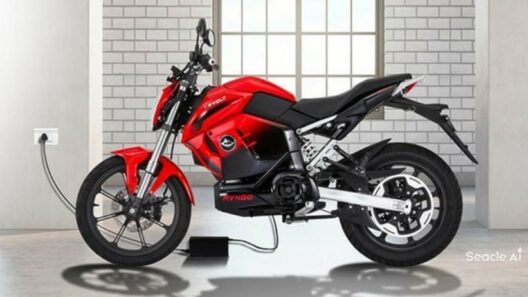


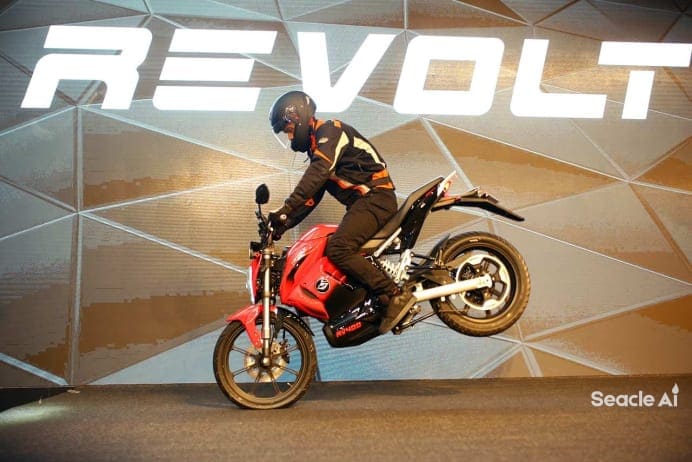

The Revolt RV400 is an electric commuter motorcycle aimed at city riders who want a plug-and-ride alternative to petrol. Launched for urban use, it focuses on low running cost, ease of use and a swappable battery system that simplifies day-to-day charging. Within the first few city kilometers you notice the instant torque and quiet operation, but it’s also clear this isn’t built for heavy touring or off-road use.
Table of Contents
- What it is and who it’s for
- Key specifications and battery range
- Seat height & minimum rider height
- Safety, comfort and tech
- Real-world ride notes
- Comparison: Revolt RV400 vs Honda Hornet 2.0
- Downsides and who should avoid it
- FAQs
- Conclusion
What it is and who it’s for
The RV400 is an electric motorcycle designed primarily for urban and peri-urban commuting. With a compact frame, urban-focused gearing (single-speed), and a swappable battery, it targets daily commuters, fleet operators, and city riders who prioritize low operating cost and simple maintenance over outright performance. If your typical ride is stop-start traffic, short hops (20–60 km/day) and you can charge or swap the battery overnight or at work, this bike makes sense.
Who it suits: young commuters, delivery riders, first-time motorcycle owners and anyone wanting near-silent, low-cost urban mobility.
Key specifications and battery range
Below are the specifications you need to know, split between what the manufacturer lists and how that translates to daily use.
Manufacturer-claimed (confirmed)
- Motor: BLDC hub motor, nominal ~3.24 kW with higher short-term peak output (manufacturer figures vary by model year).
- Battery: Swappable lithium-ion pack around 3.2 kWh (removable for swapping at designated stations).
- Top speed: electronically limited to ~85 km/h.
- Range: claimed up to ~150 km in ideal eco mode (city testing figures vary).
- Transmission: direct drive, single speed.
- Kerb weight: approximately 108 kg (battery included).
Real-world interpretation
- Practical range: expect 90–120 km in mixed city riding with moderate throttle; aggressive starts, higher speeds and heavy loads cut that significantly.
- Charging: the supplied charger brings a drained pack to usable state within ~3–4 hours on household power; swappable options remove charging anxiety but require station access.
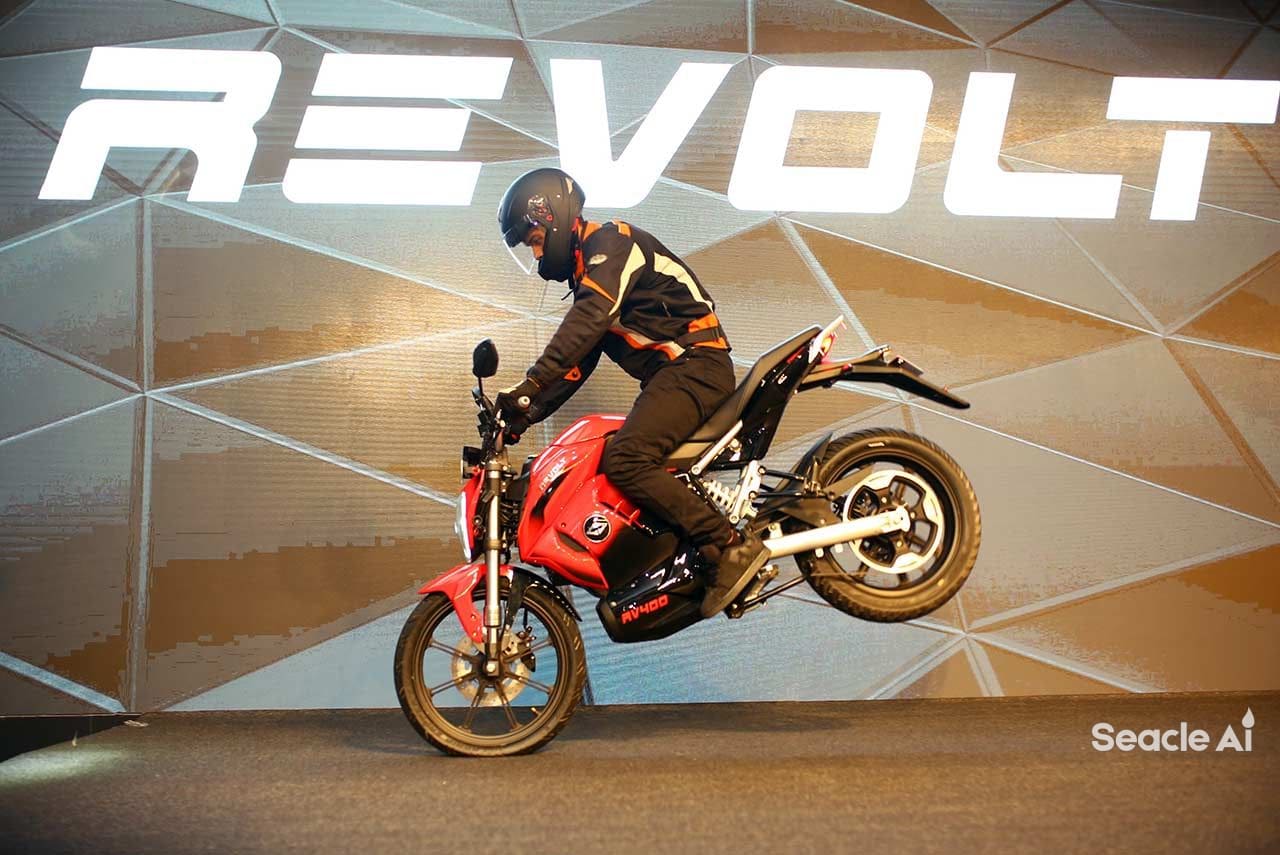
Short observational insight: in dense stop-start traffic the instant torque helps with quick junction pulls, but repeated high-power starts shorten real range noticeably.
Seat height & minimum rider height
The seat sits around the 780–800 mm band on most model years; that makes the bike reasonably accessible but not ultra-low. As a guideline, riders below about 160 cm will likely find both feet-flat stops difficult and may prefer a lower seat or aftermarket adjustments. Taller riders (175 cm and above) will feel less cramped, though taller riders may want to test knee angle for longer rides.
Safety, comfort and tech (including swappable battery)
Important practical features:
- Brakes: front and rear discs—brake system spec varies by year/trim; some early models used combined braking (CBS), later or higher-end trims include single- or dual-channel ABS in certain markets.
- Lighting & instruments: full LED lighting, a digital TFT-like display with ride modes and smartphone connectivity on newer units.
- Suspension: basic telescopic front forks and a rear monoshock tuned for urban use—comfortable on city roads but firm over long bumps.
- Swappable battery: removes range anxiety if you have access to swap stations; otherwise, you must rely on overnight charging.
Comfort note: the seat padding is firm enough for short commutes; long sessions (over 2 hours) reveal stiffness and rider fatigue, especially for taller users. This matters more than it seems if you plan weekend rides.
Check Price — if you have access to a swap network this bike becomes far more practical.
Real-world ride notes
Two experience-driven observations:
- Throttle feel: in stop-go city traffic the throttle is responsive and forgiving, but the power delivery is most useful below 50 km/h; sustained highway overtakes expose the limited top speed and make you plan passes more carefully.
- Weight balance: the battery placement keeps center of gravity low, which makes low-speed U-turns easier; however the bike’s mass feels more noticeable during quick lane changes compared to a light petrol 125–150cc bike.
Comparison: Revolt RV400 vs Honda Hornet 2.0
Below is a concise comparison across the requested points. Use this to decide based on your daily use rather than specs alone.
| Aspect | Revolt RV400 | Honda Hornet 2.0 |
|---|---|---|
| Engine / Motor | Electric hub motor ~3.24 kW nominal (instant torque, single-speed) | 184.4 cc petrol, ~17 PS, rev-happy single-cylinder |
| Torque, Top speed, Mileage | High low-end torque feel; top speed ~85 km/h; range 90–150 km per charge (claimed vs real) | Torque ~16 Nm; top speed ~120–130 km/h; mileage ~35–40 kmpl |
| Key features | Swappable battery, connected features, near-silent operation | Robust petrol range, higher sustained-speed capability, quick refuel |
| Price (2026 context) | Approx. ₹1.20–1.50 lakh (ex-showroom) depending on swap options and state subsidies | Approx. ₹1.45–1.65 lakh (ex-showroom) |
| Recommended user | City commuters, cost-conscious daily users with swap access | Riders wanting highway flexibility, occasional long rides, petrol convenience |
| Tank / Battery | Swappable battery ~3.2 kWh (no tank) | Fuel tank ~12 litres |
| Braking & Safety | Disc brakes; ABS/CBS varies by model year — check variant | Disc brakes, standard ABS in most trims (single/dual-channel depends on market) |
Which should you pick?
If your daily ride is urban and you have reliable swap/charging access, the electric RV400 reduces running cost and noise; pick the Hornet if you need higher top speed, longer range per refuel and regular highway use. The RV400 forces you to plan longer trips; the Hornet solves that with minutes-to-refuel convenience.
Downsides and who should avoid it
No product is perfect. Important limitations:
- Not for long highway touring: limited top speed and range make it unsuitable for frequent inter-city runs.
- Swap dependency: without a local swap network you rely on slower charging; that reduces day-long flexibility.
- Suspension & comfort: tuned for city roads; prolonged highway exposure increases rider fatigue.
- Maintenance & long-term battery health: battery replacement after several years can be costly; warranty coverage and local service quality matter.
Who should avoid it: frequent highway commuters, touring riders, or anyone who lacks access to swap or reliable charging at home or work.
FAQs
How far does the battery actually go in city use?
Real-world city range typically falls between 90–120 km depending on throttle behavior and loads; heavy stop-go with aggressive starts reduces this figure noticeably.
What is the minimum height to ride the Revolt RV400?
Because the seat is near the 780–800 mm range, riders under about 160 cm may struggle to plant both feet flat at stops. Shorter riders usually notice this first.
Does the RV400 have ABS?
Brake setup varies by model year and market: some variants shipped with CBS and later units or higher trims included single- or dual-channel ABS. Check the exact variant before buying.
Can I use the bike for deliveries or fleet work?
Yes — if you have access to battery swapping or charging infrastructure. Low running cost and instant torque suit delivery profiles, but payload limits and charging logistics must be planned.
How does maintenance compare to a petrol bike?
Routine maintenance is simpler (fewer moving parts), but battery servicing and replacement are major cost factors over time. Local service quality also influences long-term ownership cost.
Conclusion
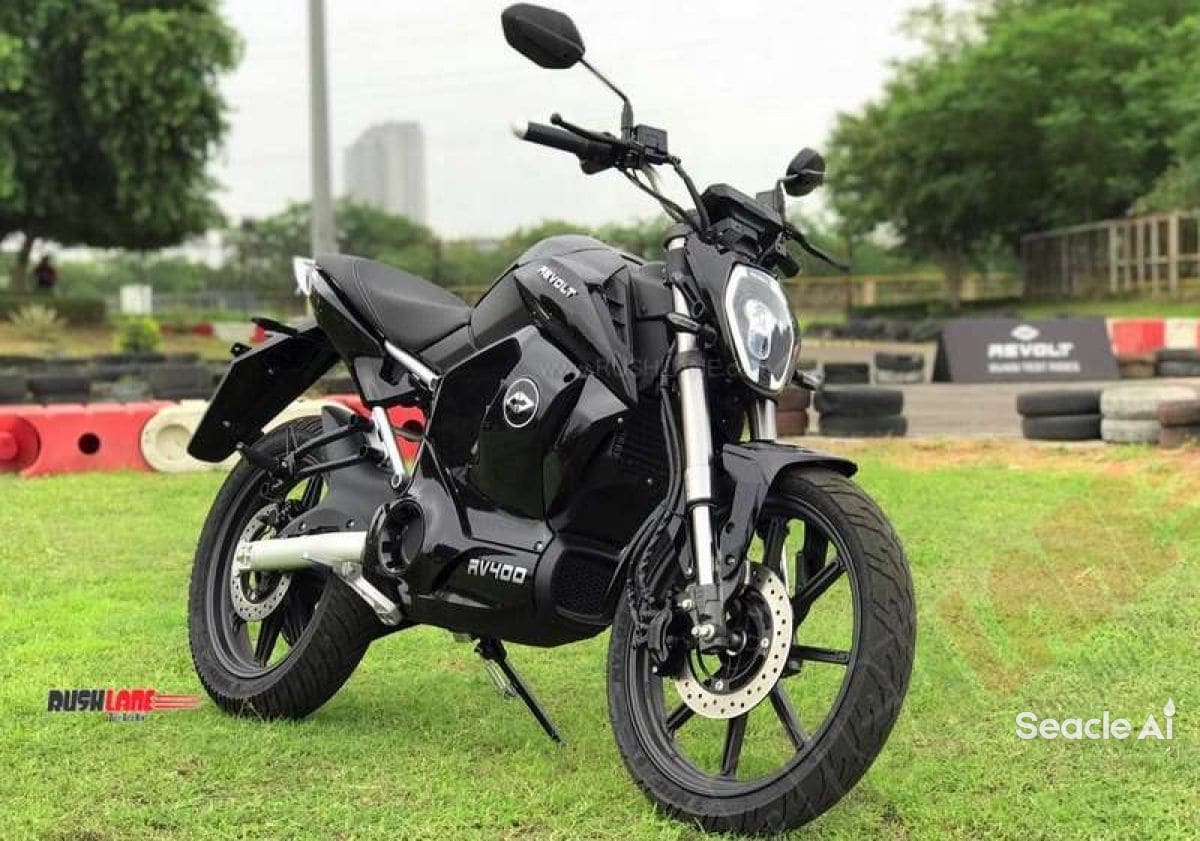
The Revolt RV400 is a focused electric commuter: efficient, practical in cities and notably cheaper to run per km than a petrol bike. Its strengths are instant torque, low noise and a swappable battery model that removes charging headaches if you have access to the network. On the flip side, its limited top speed, range variance in real traffic and suspension tuned for urban roads mean it’s not ideal for long highway touring or heavy loads. If you ride mainly inside cities, value low running costs and can live with the planning a swappable battery requires, it’s a defensible choice; if you need highway performance and fast refueling, a petrol motorcycle such as the Honda Hornet 2.0 remains more versatile.
Compare Options — check current local pricing and swap-station coverage before deciding.