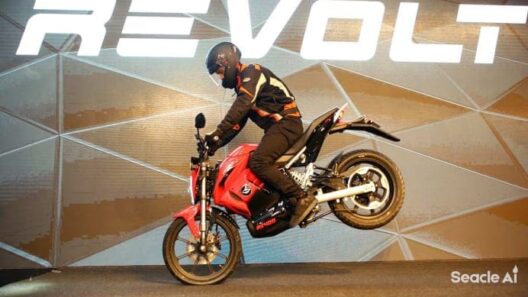


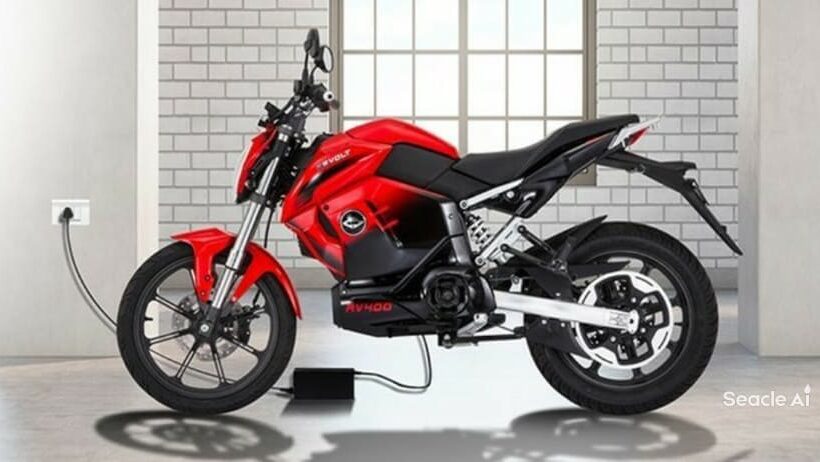

Quick statement: The Revolt RV400 is one of the most talked-about electric motorcycles in the urban commuter segment, and that reputation matters because it sets expectations that the bike tries to meet without pretending to be something it is not. In the first 100 words you get the essentials: Revolt RV400 is an electric commuter bike aimed at daily urban and suburban riders, not hardcore off-roaders or long-distance tourers.
Table of Contents
- Type and audience
- Key specifications
- Safety, comfort and technology
- Real-world observations and limitations
- Revolt RV400 vs Ola S1 Pro: comparison
- Confirmed specs vs expected/rumored
- Who this is NOT for
- Frequently Asked Questions
- Conclusion and takeaway
Type and audience
The Revolt RV400 is an electric two-wheeler positioned as a commuter motorcycle with a road-friendly chassis, urban-oriented range, and a focus on cost of ownership. It is built to replace small-capacity petrol motorcycles for daily trips: commuting to work, short errands, and city rides. Think of it the way you would restore an old family recipe to make weekday dinners easier, not to host a large dinner party. The RV400 is practical, tuned for everyday use, and designed with predictable handling rather than track performance.
Who should consider the RV400
- Daily commuters in cities and suburbs who want lower running costs.
- Riders who value quiet operation and low maintenance compared with petrol bikes.
- Urban users who usually ride within 60 to 150 km per day and can charge at home or work.
Who it is not for
This is not the right choice for long-distance highway touring, heavy cargo use, or serious off-roading. If you commute mostly on highways or need sustained high-speed cruising, this bike will often feel limited. For most people, this will feel like a downside.
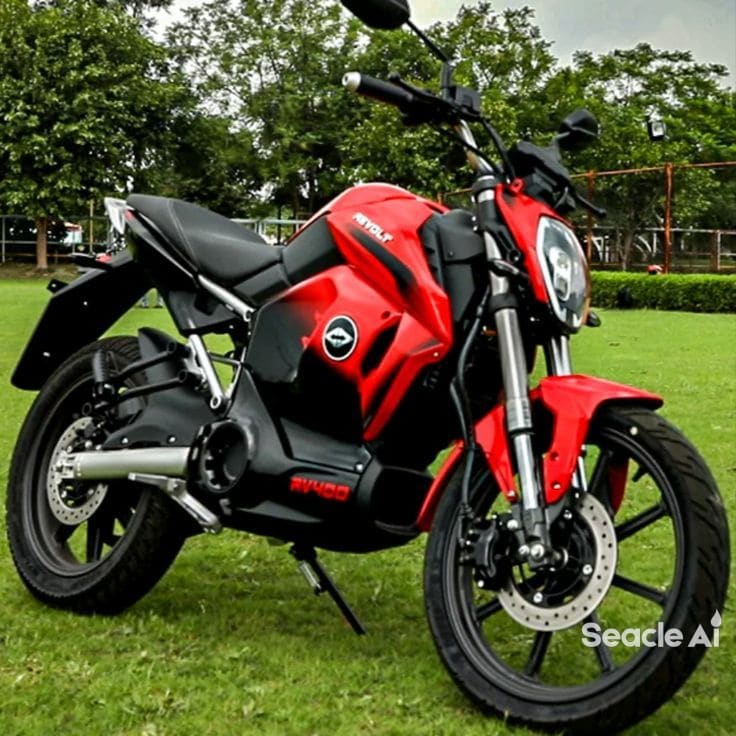
Key specifications
Below are the core confirmed figures and the ones generally reported by the company and reviewers. Where values vary by source, I note that clearly.
Powertrain
- Motor type: Electric hub motor (rear) or mid-drive depending on variant in some markets. Confirmed models mostly use a rear hub motor.
- Rated power: Around 3.24 kW continuous with a peak power figure often quoted near 5.5 kW in brief bursts. This is tuned for city responsiveness rather than top-end speed.
- Torque: Peak torque figures are typically near 90 Nm at motor end, but real-world torque at the wheel depends on drive losses.
Battery and range
- Battery capacity: Confirmed battery pack is about 3.24 kWh in commonly sold variants; some reports and upgrades mention modular packs or higher-capacity options in tests.
- Range: Real-world city range ranges from 80 km to 150 km depending on ride mode, speed, traffic, rider weight, and climate control needs. Manufacturer-claimed figures are often optimistic.
Performance
- Top speed: Approximately 85 to 95 km/h depending on mode and load.
- Acceleration: Fast enough for urban traffic—typical 0-40 km/h is brisk—but it is not built for sprint performance.
Dimensions and capacity
- Transmission: Single-speed direct drive (no gearbox).
- Height and ergonomics: Seat height is around 800 mm in most configurations; overall height varies with mirrors and accessories.
- Minimum rider height: What is the minimum height to ride Revolt RV400? Riders around 160 cm (5 ft 3 in) can manage it with both feet touching the ground in many setups, but it depends on footwear and personal comfort. If you are barely 160 cm, sit on one before you buy.
- Kerb weight: In the 120–140 kg range depending on battery choice and accessories.
Safety, comfort and technology
The RV400 focuses on sensible safety and convenience features rather than luxury tech. In practical use, this approach keeps maintenance simple but it also leaves out some high-end aids.
Safety features
- Braking: Single disc with optional or standard ABS on the front wheel in most versions; a rear drum brake or small disc is used depending on variant. Confirm the model you test-ride has ABS, as some base units lacked it in early runs.
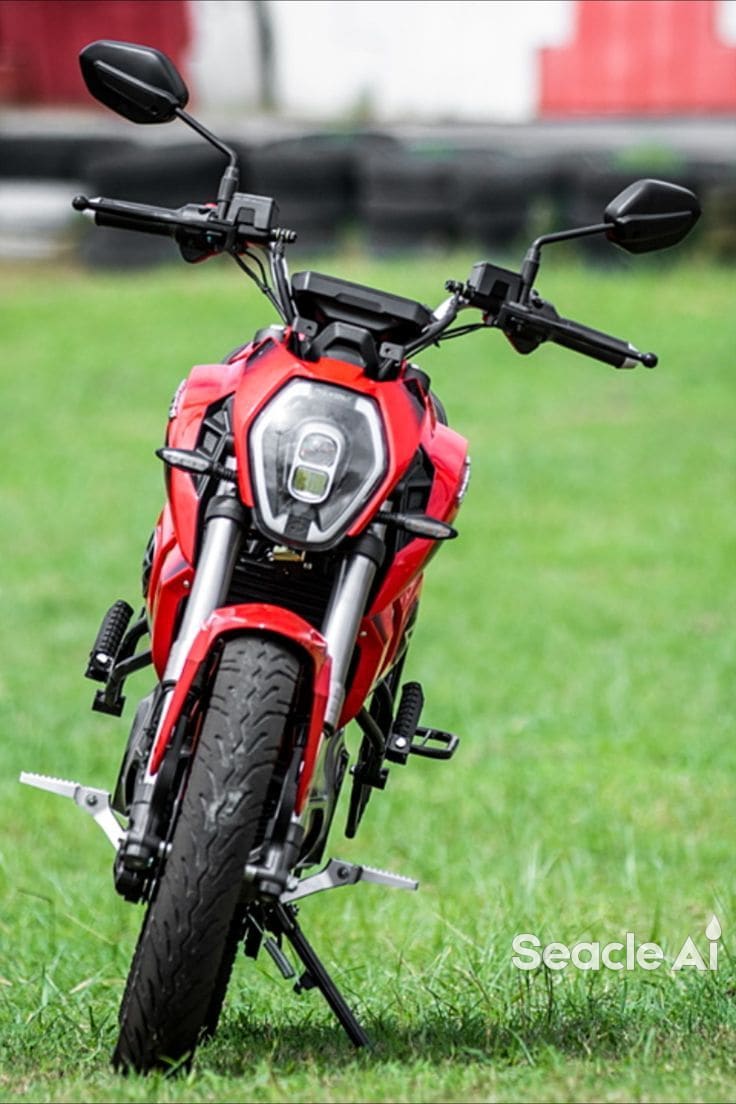
- Lighting: Full LED lighting is commonly fitted, which helps visibility in city commutes.
- Chassis stability: The frame and suspension are tuned for predictable urban handling with moderate lean angles.
Comfort
- Seat cushioning is adequate for daily rides; not plush for long touring.
- Suspension is firm enough for city potholes but will feel busy on broken roads or high-speed highways.
- Passenger comfort: The pillion seat is usable for short hops but not ideal for long rides due to compact ergonomics.
Technology
- Instrument cluster: TFT or LCD display showing charge, range estimate, and ride modes. Connectivity features such as Bluetooth-based app integration are present in many markets.
- Ride modes: Eco, Normal, and Sport or equivalent—these alter throttle response and range estimates.
- Charging: Compatible with standard home charging and some public AC chargers; fast-charging capability is limited compared with some newer rivals.
This part is not as good as it sounds. The tech is useful day-to-day, but advanced battery-swapping or very fast DC charge options are not universally available.
Real-world observations and limitations
Here is practical feedback you get after weeks or months of ownership, not just spec sheets.
Range in everyday use
Under city stop-start traffic and mixed speeds, expect real range close to the lower end of the claimed band. Over time, battery chemistry and charging habits matter. After six months of daily charging, you may notice a small reduction in optimistic range estimates, especially if you frequently use fast charging or ride in hot climates.
Ride quality and handling
In town, the Revolt RV400 is nimble and easy to park. Suspension trade-offs mean it soaks up usual city bumps, but it gets busy on badly potholed roads. That is where expectations and reality differ. Some people think it can replace a larger motorcycle on rough roads, but in practice it struggles with deep ruts and very high speeds.
Maintenance and running costs
Electric drivetrains reduce routine maintenance compared with petrol bikes; no oil changes and fewer moving parts. However, battery replacement or out-of-warranty issues can be costly. This is not comfortable for daily use if you cannot access a reliable service network. That’s blunt: battery replacement is expensive.
One clear limitation
The bike is not ideal for long highway touring. The top speed and sustained comfort are limiting. If you plan long stretches on highways at 100+ km/h regularly, this may not work if you expect effortless cruising. This matters more than it seems for riders who cross cities often.
Revolt RV400 vs Ola S1 Pro: comparison
Below is a focused comparison covering performance, torque, speed, range, features, and safety. I keep the Revolt RV400 as the anchor in the comparison, because readers want to know how it stacks up against one of the most discussed alternatives.
| Topic | Revolt RV400 | Ola S1 Pro |
|---|---|---|
| Engine / Motor | Electric hub motor (rear) tuned for urban torque; single-speed | High-power hub motor with higher continuous power in many trims |
| Torque | Peak motor torque near 90 Nm (wheel torque varies) | Higher peak torque often claimed around 114 Nm in certain trims |
| Top speed | ~85–95 km/h | ~115 km/h (in higher trims) |
| Mileage / Range | Real-world 80–150 km; depends on conditions | Real-world 100–180 km depending on variant and riding |
| Key features | App connectivity, ride modes, LED lighting, basic safety tech | More tech-heavy: larger displays, OTA updates, more connected features |
| Price range | Mid-range pricing for electric commuters (market dependent) | Higher entry price in many markets for Pro trims |
| Who should choose | Urban commuter seeking simplicity and lower running costs | Users wanting tech-forward features and higher top speed |
| Tank capacity (Battery) | Battery pack ~3.24 kWh (removable in some variants) | Larger battery options, up to 5.0+ kWh in some trims |
| Braking & safety | Single front disc with ABS on many models; rear drum or disc | Dual-channel ABS on many trims, stronger braking hardware in Pro |
Some people think higher top speed is the only factor. That’s true to an extent, however urban commuters rarely use highway top speeds daily. Which matters more depends on typical routes.
Which user should pick which
- If you want an affordable, simple-to-run urban commuter and you ride mostly under 90 km/h, the Revolt RV400 makes sense when you want straightforward ownership.
- If you want higher top speed, longer range on highways, and richer connectivity, the Ola S1 Pro might be the choice when price is less of a constraint.
Confirmed specifications vs expected/rumored
Always check the latest official documentation before purchase. Below I separate confirmed facts from market reports and likely upgrades.
Confirmed
- Electric motor with single-speed drive.
- Battery pack in the 3.0–3.5 kWh range for common variants.
- Real-world ranges widely reported between 80 km and 150 km depending on conditions.
- Front ABS commonly available on many official variants.
Expected or rumored
- Higher-capacity battery options in some markets as per reports.
- Software updates to improve range estimation and app features are likely to be rolled out.
- Different motor tuning options reported for special editions.
For upcoming or rumored updates, use terms like expected or likely. Specifications may change as the company releases new models or firmware updates.
Who this is NOT for
This is not for riders who:
- Do long highway tours regularly and expect high cruising comfort.
- Need to carry heavy loads on a daily basis.
- Expect advanced ADAS-style rider aids or ultrafast charging across every city.
If you want a daily commuter that is cheap to run in traffic and easy to maintain, the RV400 makes sense. This may not work if your daily route includes long high-speed stretches or mountain passes.
Frequently Asked Questions
How far can I really ride on a single charge?
Real-world city range is typically 80–150 km depending on your ride mode, traffic, rider weight, and ambient temperature. On mixed roads expect numbers closer to the mid-range of that band.
How long does a full charge take?
Using a standard home charger, a full charge commonly takes 4–6 hours. Faster public chargers reduce this, but fast-charging options are limited compared with some other electric two-wheelers.
Is the Revolt RV400 suitable for two-up riding?
Short two-up trips are fine, but pillion comfort and range will be reduced on longer rides. For frequent two-up touring, a larger bike is better.
What maintenance should I expect over time?
Expect lower routine maintenance than petrol bikes—no oil changes and fewer mechanical parts. Still budget for brake wear, tires, and eventual battery health checks. Over time, battery capacity may drop slightly depending on charging patterns and climate.
Conclusion and takeaway
In short: the Revolt RV400 is a practical urban electric motorcycle that does what a daily commuter needs it to do—quiet, low operating cost, easy handling, and decent tech for its class. It does not pretend to offer high-speed touring capability or heavy-duty load carrying. For buyers who prioritize simple daily usability and cost-efficient ownership in city settings, this bike is a sensible choice.
Downsides are real: limited top speed for highway use, potential cost of battery replacement, and less plush long-distance comfort. If you want long highway rides or frequent high-speed cruising, look elsewhere. If you want an efficient city workhorse and can live with the trade-offs, the Revolt RV400 fits the bill.
This is where things get tricky. Ride one in your typical traffic before deciding. That hands-on check will reveal fit and comfort faster than any spec sheet.