

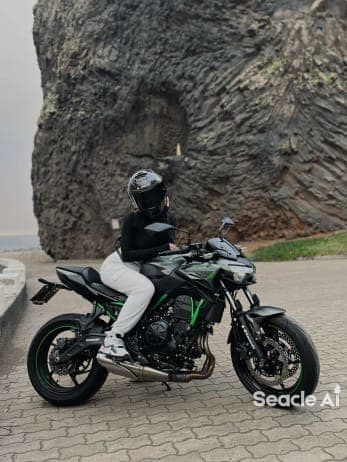

Quick statement: If you want a light, friendly middleweight with honest power for city riding and casual weekend runs, the Kawasaki Z650 is one of the simplest and most effective choices on the market today.
Table of Contents
- What is the Kawasaki Z650 and who is it for?
- Kawasaki Z650: Key Specifications
- Safety, Comfort and Technology
- Minimum height to ride the Kawasaki Z650
- Real-world limitations and maintenance realities
- Kawasaki Z650 vs Honda CB650R
- Frequently Asked Questions
- Conclusion
What is the Kawasaki Z650 and who is it for?
The Kawasaki Z650 is a midsize naked motorcycle built around a parallel-twin engine, aimed at riders who want a nimble, affordable, and versatile machine. It is designed primarily for urban and suburban use with occasional sportier rides on two-lane roads. If you are switching from a smaller bike or want a second motorcycle that is easy to live with, this model fits that bill.
Practical reality: it shines in traffic and tight corners because of its light curb weight and compact geometry. That lightness also makes it less tiring in slow-moving conditions compared with heavier middleweights. Most people don’t notice how manageable it feels until they’ve tried one for a weekend.
Kawasaki Z650: Key Specifications
Below are the confirmed, widely available specifications for the current Z650 platform (note: models and minor figures can vary by year and market).
- Engine type: 649 cc liquid-cooled parallel-twin, DOHC, 8 valves.
- Power: Around 67-69 PS (horsepower) at ~8,000–8,500 rpm (depends on market tuning).
- Torque: Approximately 64-65 Nm at ~6,500 rpm.
- Top speed: Typically in the low 200 km/h range under ideal conditions; real-world top speed depends on rider weight, conditions, and gearing.
- Fuel economy: Expect between 20–25 km/l (about 46–59 mpg) depending on riding style; commuting in town drops MPG, steady highway speed improves it.
- Transmission: 6-speed manual gearbox with wet multi-plate clutch.
- Seat height: Around 790 mm (31.1 in) — this is the factory figure used to determine rider fit.
- Kerb weight: About 187–191 kg, depending on variant and added equipment.
- Tank capacity: Roughly 15 liters (exact figure varies slightly by market).
Confirmed vs expected: the engine layout and displacement are confirmed on all current Z650 units. Minor outputs like peak horsepower and torque are consistent across official documents but can shift a little with model year updates or emissions changes.
How these specs feel in everyday use
The power band of the parallel twin is broad and usable: you do not need to wring the engine to get decent acceleration. In city riding, the bike pulls cleanly from low revs and is easy to place between cars. On winding back roads it is rewarding because the chassis responds quickly to rider inputs.
This is where things get tricky. Under continuous heavy loads—carrying a pillion and luggage up steep gradients—the Z650 will show its middling displacement. It will not be as effortless as larger inline-fours. That’s normal for a 650 twin.
Safety, Comfort and Technology
The Z650 focuses on essentials rather than bells and whistles. That makes maintenance simpler, but you give up some modern amenities found on pricier rivals.
- Brakes: Twin front discs with a single rear disc; ABS is standard in most markets and is well-calibrated for daily riding.
- Suspension: Front is a 41 mm telescopic fork; rear is a horizontal back-link monoshock with preload adjustment on most models.
- Rider aids: Basic traction control may be available depending on the variant and market; there is no semi-active suspension or multi-mode power mapping on standard trims.
- Ergonomics: Upright seating position, moderate reach to the bars, and a slim tank make it easy for riders to touch the ground and move the bike around at low speeds.
- Instrument pack: A combination of analog tachometer and digital LCD for speed, trip, fuel and gear indicator on many recent models; some updates offer a full-color TFT on special variants.
Safety in practice: the brakes are linear and confidence-inspiring in town. On repeated hard stops from speed the front stoppers remain stable; however, if you plan to use the bike on track days, you may want aftermarket pads and steel-braided lines for more demanding use.
This part is not as good as it sounds. The stock suspension is tuned for a balance of comfort and agility; that means it can feel a bit soft when pushed hard or when ridden with heavy loads. For daily commutes it is forgiving. For aggressive cornering there are better setups.
Minimum height to ride the Kawasaki Z650
Minimum height to ride Kawasaki Z650: With a standard seat height of around 790 mm, most riders of 165 cm (5’5″) and above can ride comfortably and plant a foot on the ground at stops. Shorter riders may still manage it because the seat profile is narrow, but very short riders should test the bike in person.
Condition-based observation: if you plan to carry a lot of luggage or a passenger regularly, you will notice a change in how easily you can flat-foot the bike at stops—so test that scenario before buying.
Real-world limitations and maintenance realities
No bike is perfect. Here are practical points that matter after you own one for a year or two.
- Not ideal for long, heavy touring: The Z650 is not designed for long-haul highway touring with heavy panniers and a passenger. Wind protection is limited and sustained high-speed cruising will be noisier and more tiring than on a full-faired tourer.
- Suspension trade-offs: The stock suspension is tuned toward comfort; if you want track-focused handling you will need fork springs, a revalve or an upgraded shock.
- Maintenance costs: Routine maintenance on a Kawasaki twin is generally straightforward and less expensive than premium brands, but avoid neglecting valve clearance checks around the 24,000 km mark as recommended for many parallel-twin engines—this can be an unexpected bill if deferred.
- Fuel economy in real life: In mixed city and highway riding expect mid-20s km/l when ridden conservatively; aggressive commuting with lots of stop-and-go will drag that down into the low 20s or high teens.
Time-based observation: after a year of mixed usage, owners often report the Z650 remains mechanically reliable, but cosmetic wear on switchgear and chain maintenance become visible. This bike rewards consistent upkeep rather than last-minute catch-ups.
This is not ideal for everyone.
For most people, the limited wind protection and compact fuel tank will feel like a downside on long trips. If you are expecting convenience equivalent to a touring bike, this will disappoint.
Some people think the Z650 can do everything, but in practice it is best treated as a city-first machine that can stretch for weekend rides.
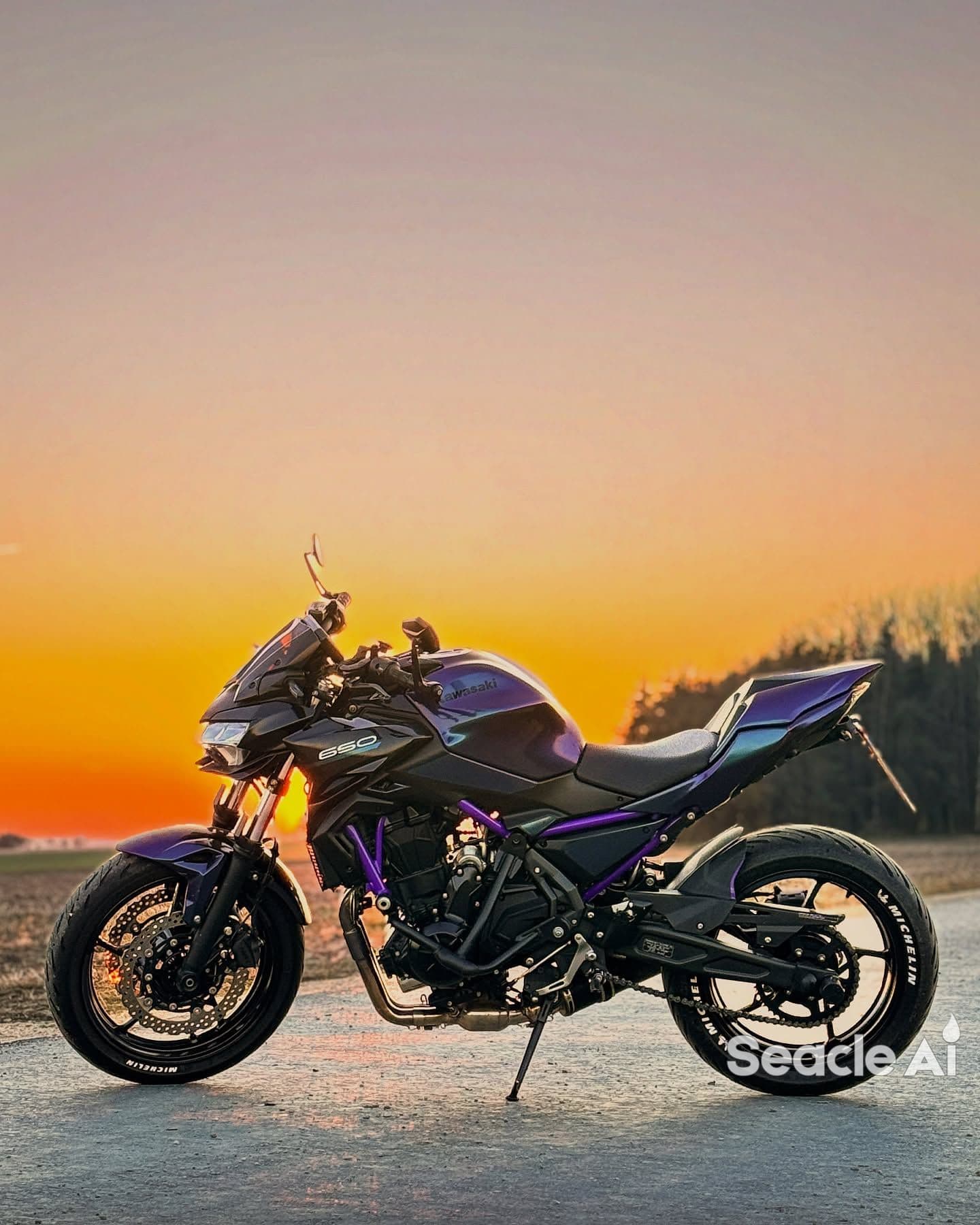
Kawasaki Z650 vs Honda CB650R
Below is a direct comparison focusing on the points riders actually care about. The goal is to show where each model makes sense.
1. Engine and overall performance
Kawasaki Z650: Parallel-twin 649 cc engine tuned for broad torque and easy daily usability. It feels punchy in the midrange and is easy to manage at low speeds.
Honda CB650R: Inline-four 649 cc engine that delivers a higher-revving character and smoother top-end power. It feels more refined when pushed hard and revs more freely than the twin.
Short judgment: If you want a relaxed, tractable engine, go with the Z650. If you prefer a higher-rpm, more characterful four-cylinder note and sharper top-end response, the CB650R is more entertaining.
2. Torque, top speed, and mileage
- Torque: Z650 typically offers peak torque low on the rev range and feels stronger off the line. CB650R’s torque curve is flatter higher up, which rewards revs.
- Top speed: Both bikes can reach similar top speeds in real-world conditions, though the CB650R can feel a touch quicker at the top end due to the four-cylinder breathing.
- Mileage: Z650 often returns slightly better fuel economy in mixed riding because of the twin configuration; CB650R’s four tends to sip slightly more fuel under spirited use.
3. Key features
- Z650: Lightweight frame, basic electronics, easy ergonomics, standard ABS and often traction control on newer models.
- CB650R: More premium fit and finish, more advanced styling, sometimes better instrument clusters, and a smoother engine note.
4. Price range (current or expected)
Prices vary by market, taxes and local incentives. As a rule of thumb:
| Model | Typical price range (new) |
|---|---|
| Kawasaki Z650 | Entry to mid-midsize range; generally lower than CB650R by a few hundred to a couple thousand USD depending on market |
| Honda CB650R | Usually priced slightly higher due to its premium positioning and inline-four engine |
In short: the Z650 is the more budget-friendly option in most markets, making it attractive for cost-conscious buyers who want a solid middleweight.
5. Which type of user should choose which vehicle
- Choose the Z650 if: You want a light, easy-to-ride middleweight for commuting and occasional spirited rides. If you put practicality, low running costs, and everyday manageability first, this makes sense.
- Choose the CB650R if: You want a more engaging engine, slightly more premium feel, and don’t mind paying a bit more. This is for riders who like higher-revving performance and a bit more style.
6. Tank capacity
Kawasaki Z650: Approximately 15 liters. That generally gives a city range of 200–300 km depending on throttle habits.
Honda CB650R: Similar tank size in most markets, but real range differs because of riding style and engine characteristics.
7. Braking systems and safety features
- Z650: Dual front discs, single rear disc, ABS standard, traction control optional/standard depending on trim.
- CB650R: Similar braking hardware but often presented with slightly more refined feel and sometimes with additional electronics depending on model year.
This matters more than it seems: a confident rider will find both bikes adequately safe in routine use, but if you plan to push hard, upgrade brakes or pads is a common, simple improvement.
Frequently Asked Questions
Is the Kawasaki Z650 good for beginners?
Yes. Its light weight, manageable power delivery and forgiving ergonomics make it a solid choice for riders moving up from smaller bikes. That said, new riders should still practice and respect the power the bike offers.
Can the Kawasaki Z650 be used for touring?
It can, but it is not ideal for heavy touring. Short weekend trips are fine with a small top box and luggage, but for long-distance rides with a passenger and full luggage, the limited wind protection and smaller tank become drawbacks.
How often does the Kawasaki Z650 need major service?
Regular oil and filter changes are standard: typically every 6,000–8,000 km depending on oil choice and use. Valve clearance checks are scheduled less frequently, but neglecting them can lead to bigger bills down the line.
Is the Z650 comfortable for taller riders?
Riders up to about 185 cm can be comfortable, but taller riders may find the footpeg and handlebar positions a bit compact for longer distances. Test-ride if you are tall and plan long rides.
Conclusion
The Kawasaki Z650 is a tightly focused middleweight: light, easy to live with, and honest in its performance. It is particularly suited to riders who want a reliable commuter that is also fun on weekend roads. If you want crisp high-rpm performance and a more premium feel, the CB650R will appeal more, but that comes at a higher price and slightly less frugality.
Strengths: Practical powerband, low curb weight, approachable ergonomics, typically lower price.
Drawbacks: Limited wind protection, suspension compromises under heavy loads, not ideal for long-distance touring with luggage and a passenger. For most people, this will feel like a downside when planning multi-day trips.
If you want a daily rider that is easy to maintain and fun without fuss, the Kawasaki Z650 makes sense. This makes sense when your riding is a mix of city commutes and short to medium spirited rides. This may not work if you plan long highway tours or want a track-focused machine out of the box.
Final thought: treat the bike like a practical tool with personality, not a do-everything solution. Over time, owners who ride the Z650 regularly tend to appreciate how predictable and low-stress it is. Some things are straightforward—like opening a familiar book and finding the page you need. But other times, you will notice the limits: this is where expectations and reality differ.