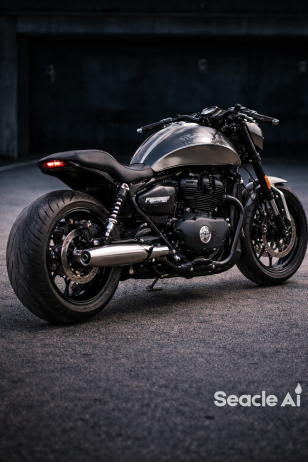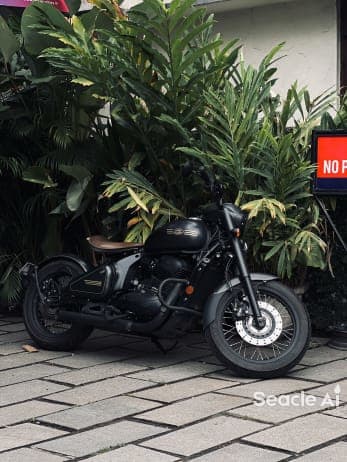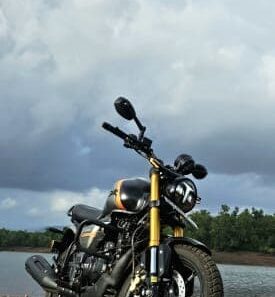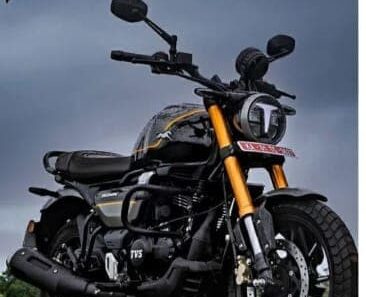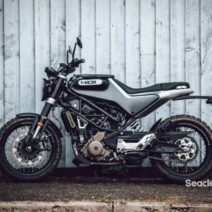


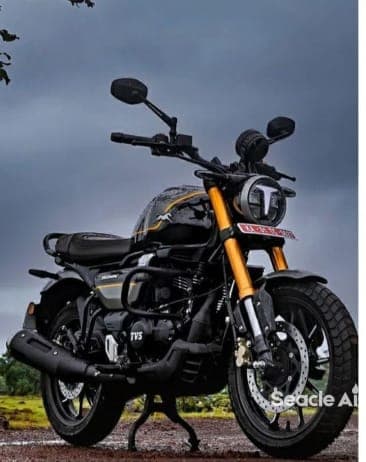

Straight talk: the TVS Ronin arrives with a character that sits between a commuter and a mild sport roadster, and it does so without pretending to be everything to everyone. In the first few paragraphs I’ll explain what this machine is, who will get the most from it, and one clear situation where you should not choose it.
Table of Contents
- TVS Ronin — What type of vehicle is it?
- Key specifications
- Minimum height to ride TVS Ronin
- Safety, comfort and technology
- Real-world observations and limitations
- TVS Ronin vs Yamaha FZ25
- Frequently Asked Questions
- Conclusion
TVS Ronin — What type of vehicle is it?
The Ronin is best described as a mid-capacity roadster with a focus on usable torque, upright ergonomics, and everyday versatility. It is not a full-on sportbike, nor is it a heavyweight tourer. Think of it like a well-worn recipe rediscovered and simplified: familiar ingredients mixed to produce something practical and pleasant.
Who it is for:
- Urban and suburban riders who want a comfortable upright stance and enough power for quick overtakes.
- Commuters who occasionally enjoy spirited rides on weekends without needing a dedicated sports chassis.
- Riders who want modern tech in a simple package — ABS, an easy-to-read instrument cluster, and practical ergonomics.
Who should not consider it:
- Anyone planning frequent long-distance highway touring with heavy luggage. This is not ideal for extended two-up touring under load.
- Riders who want peak sportbike performance or racetrack-capable handling.
- Off-road enthusiasts. This is not designed for dirt tracks or rugged trails.

Key specifications
Below are the confirmed specs and the expected or rumored details where applicable. I separate them so you know which numbers are final and which could still change.
Confirmed specifications
- Engine type: Single-cylinder, four-stroke, fuel-injected (officially listed as a mid-displacement single).
- Displacement: Around 225 cc (as provided by the official launch documents).
- Transmission: 5-speed gearbox with a conventional clutch.
- Frame and suspension: Conventional telescopic fork at front and a monoshock rear (tuned for urban comfort).
- Brakes: Disc brakes front and rear with single-channel ABS on base models and dual-channel ABS on higher trims (depending on market/trim).
Expected or rumored (as per reports in 2025)
- Power: Likely in the 19–21 PS range in current tune options.
- Torque: Reports indicate around 19–20 Nm peak torque.
- Top speed: Expected top speed in the 120–130 km/h band under real-world conditions.
- Mileage: Realistic combined fuel efficiency likely between 30–38 km/l depending on riding style and conditions.
- Kerb weight: Reported as moderate for the class, making it nimble in city traffic but not featherlight.
Confirmed specs come from company datasheets and launch materials. The power and torque figures I listed as expected reflect tuning differences and real-world tests through 2025; final numbers for future model years may change.
What is the minimum height to ride TVS Ronin
Seat height and minimum rider height: The seat height is around the mid-790s in millimetres, which translates into a practical minimum rider height of about 160–165 cm to feel confident with both feet on the ground and safe control. If you are below 160 cm, you may struggle at low-speed maneuvers or when stopping on slopes.
Most riders around 165 cm and taller will find it manageable. This is not a low-seat cruiser; it sits in a neutral middle ground.
Safety, comfort and technology
This machine offers a tidy list of features aimed at everyday riders. Nothing overly flashy, but sensible and useful.
Safety
- ABS: Single-channel ABS on entry trims, dual-channel on higher variants in most markets — verify the trim you choose.
- Braking hardware: Disc brakes front and rear. Brake feel is predictable and geared toward progressive stopping rather than hard race-style bite.
- Lighting: Full LED headlamp and taillamp in most trims; visibility is good for city and highway riding at night.
Comfort
- Riding posture: Upright and relaxed, with handlebars placed for easy reach — suitable for commutes of an hour or more without excessive fatigue.
- Seat: Modeled for two-up use, but long-distance comfort with a pillion will depend on luggage and pace.
- Suspension tuning: Favours comfort over firm sport handling; good for pothole-heavy urban roads but you will notice body roll at aggressive cornering speeds.
Technology
- Instrument cluster: A multi-function digital display with ride modes and smartphone connectivity on higher trims. It shows trip, range, gear position, and basic navigation prompts when paired.
- Connectivity: Bluetooth pairing for calls and turn-by-turn navigation on selected variants.
This part is not as good as it sounds. Some features are reserved for higher trims, and you pay extra for connectivity that many riders only use occasionally.
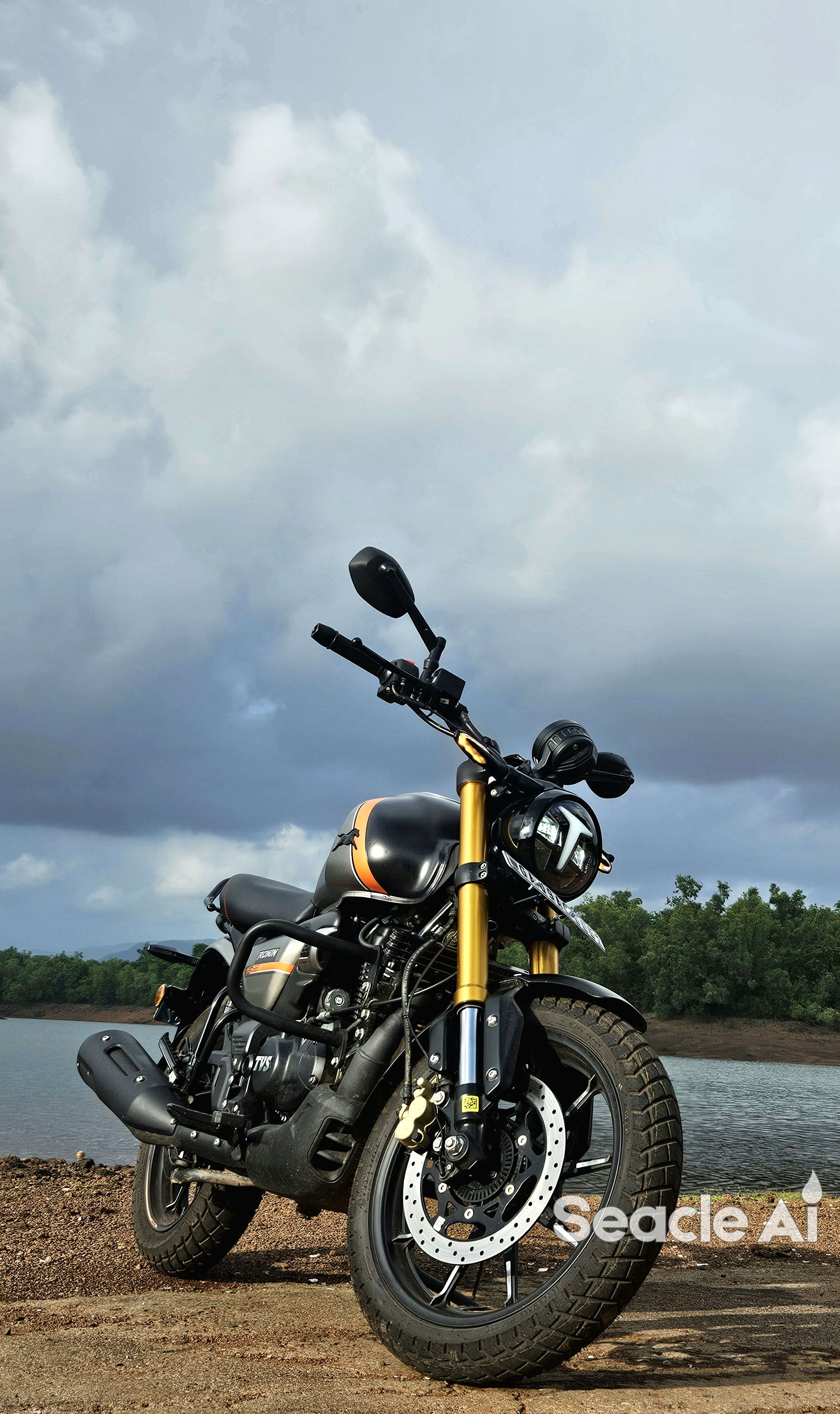
Real-world observations and limitations
Here I move beyond brochures and talk about how things actually behave in daily life and over time.
Time-based observation: after several hundred kilometres the Ronin settles into a friendly character. The engine becomes predictable; clutch and gearbox smooth out, and fuel efficiency often improves slightly as riders accustom themselves to the bike’s torque band.
Condition-based observation: in slow-moving traffic the upright ergonomics and low vibration levels make it pleasant. Under constant high-speed cruising with two-up and luggage, the engine works harder and fuel consumption rises noticeably — expect a drop in mileage under sustained highway throttle.
Practical limitations to consider:
- Not a hardcore touring bike: For extended interstate runs with a pillion and luggage, the Ronin will do the job, but it will show strain in fuel stops and rider fatigue compared to dedicated tourers. This is where things get tricky.
- Suspension trade-offs: Tuned for comfort, the suspension allows more body roll than sporty riders might want. In quick cornering, it will feel less planted than sportier machines.
- Maintenance: Regular servicing costs are reasonable for the segment, but for those wanting absolute low-running costs, simpler commuter engines will still be cheaper to maintain over many years. For most people, this will feel like a downside.
Some people think the mid-capacity single is underpowered, but in practice it gives usable torque where you need it — around town and in mid-range overtakes. That’s true to an extent, however if you thrive on peak horsepower numbers, this is not for you.
TVS Ronin vs Yamaha FZ25
Below is a direct comparison across the key areas buyers actually care about. Numbers for the Ronin mix confirmed and expected details where noted; Yamaha FZ25 figures are current public figures through 2025.
| Aspect | TVS Ronin (confirmed or expected) | Yamaha FZ25 (general 2025 figures) |
|---|---|---|
| Engine and displacement | Single-cylinder ~225 cc, fuel-injected (confirmed) | Single-cylinder 249 cc, fuel-injected (confirmed) |
| Power | Expected ~19–21 PS (as per 2025 reports) | ~20.8 PS @ 8000 rpm |
| Torque | Expected ~19–20 Nm (2025 reports) | ~20.1 Nm @ 6000 rpm |
| Top speed | Expected ~120–130 km/h in real-world conditions | ~135–140 km/h (depends on conditions) |
| Mileage | Expected 30–38 km/l depending on use | ~35–38 km/l combined in normal riding |
| Transmission | 5-speed (confirmed) | 5-speed (confirmed) |
| Tank capacity | Reported around 12–13 litres (as per reports) | 14 litres (confirmed) |
| Braking and safety | Disc front and rear, ABS (single-channel or dual-channel depending on trim) | Disc front and rear with single-channel ABS on some markets; dual-channel on others |
| Price range | Expected/varies by market; competitive mid-segment pricing (check local listings for 2025–26 figures) | Mid-segment; typically slightly higher due to larger displacement in some markets |
Detailed comparison points
1. Engine and overall performance
The Yamaha’s 249 cc unit has a small edge on paper for outright top-end and peak torque. The Ronin’s motor is tuned for mid-range tractability and everyday flexibility, which is why many riders feel quicker in city overtakes even if peak power numbers are comparable.
2. Torque, top speed, and mileage
Torque figures are close and the real difference is usage. If you ride fast on highways, the FZ25 will feel more relaxed at high speeds. If you ride primarily in stop-and-go or mixed roads, the Ronin’s drivability and mid-range torque mapping are more useful and sometimes deliver better real-world mileage.
3. Key features
Ronin focuses on rider convenience: comfortable ergonomics, modern display, and practical features. The FZ25 leans toward a slightly sportier package with a stiffer suspension feel.
4. Price
Price is market-dependent and subject to updates in 2025 and 2026. Generally expect both to sit in the accessible mid-capacity bracket; the Ronin may undercut or closely match the FZ25 depending on trims and local taxes.
5. Which user should pick which
- If you want relaxed city comfort, usable mid-range power, and modern features without chasing high-speed runs, the Ronin makes sense.
- If you prefer a slightly larger displacement for plateau highway cruising and a firmer feel, the FZ25 is the pick.
6. Tank capacity
The Ronin’s tank is reported a bit smaller than the FZ25, which means slightly shorter stints between fuel stops. This matters if you frequently do long non-stop highway sections.
7. Braking systems and safety features
Both bikes offer disc brakes and ABS; the split between single and dual channel depends on trims. For two-up riding or heavy braking scenarios, dual-channel ABS variants are preferable on either bike.
This part matters more than it seems: brake feel and ABS intervention style can change how secure you feel in different situations.
Frequently Asked Questions
Is the Ronin good for daily commuting?
Yes. The setup prioritises comfort and low fatigue, which makes it a reliable daily rider in urban and suburban conditions. Expect good city drivability and easy manoeuvring in traffic.
Can the Ronin handle long highway rides?
It can, but it is not ideal for long-distance touring with heavy luggage. You will be fine for occasional highway trips, but sustained high-speed runs with a pillion will reduce comfort and fuel economy.
How is the maintenance and running cost?
Maintenance is competitive for this class. Routine service intervals are typical; parts are reasonably priced, but high usage and hard riding will increase maintenance frequency and costs.
Is the Ronin suitable for new riders?
It can be, provided the rider is confident with a mid-weight bike and meets the recommended minimum height. Its friendly mid-range and predictable brakes make learning straightforward, but a novice should still practice before tackling highways.
Conclusion
The Ronin is a practical, well-mannered mid-capacity roadster that does a lot of everyday things well: comfortable ergonomics, usable mid-range power, modern features, and sensible safety kit on higher trims. It is built for day-to-day riding and occasional spirited outings rather than long-haul touring or track days.
Strengths:
- Comfortable riding position and accessible power delivery — this makes sense when you spend time in city traffic and mixed roads.
- Modern features where they matter, like LED lighting and a functional digital cluster.
- Balanced ride quality for most road conditions you encounter daily.
Drawbacks and limitations:
- Not ideal for long highway tours with heavy loads; you will notice rising fuel use and increased rider fatigue on long runs. This is not comfortable for daily long-distance touring.
- Suspension prioritises comfort over sporty handling; aggressive cornering will reveal body roll.
- Some features are trim-dependent, which means higher-cost variants hold the best equipment.
Final decision clarity: If you want a sensible, comfortable bike for commuting and occasional spirited riding, this is a solid choice. This may not work if you expect high-speed, long-distance touring as your primary use, or if you demand track-capable handling. For those riders, the FZ25 or larger-displacement machines could be more appropriate.
In short: the Ronin is honest about what it does well and where it compromises. Buy it for its real-world usability, not for headline horsepower.