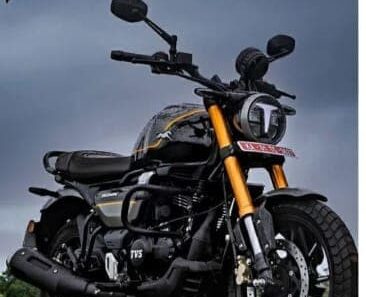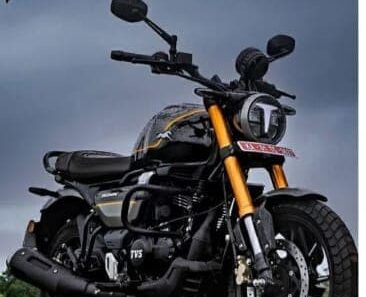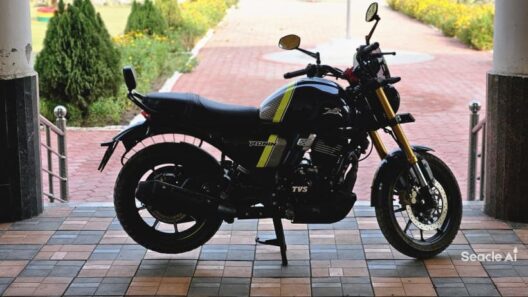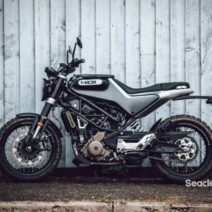
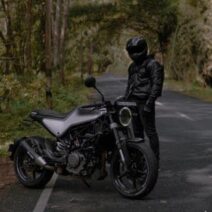
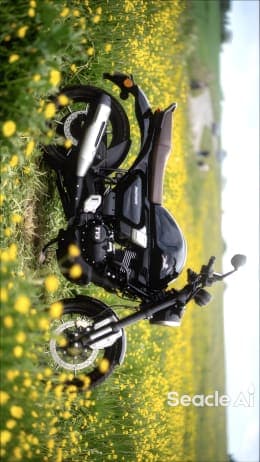

TVS Ronin arrived as a road-focused, do-it-all motorcycle positioned between commuter bikes and mid-size retro cruisers. It mixes upright ergonomics, a torquey single-cylinder engine, and practical tech—aimed at riders who want a relaxed city bike that can also handle occasional two-up rides and fast A-to-B runs. In this piece I break down what it is, who it fits, measured trade-offs, and how it stacks up against the Royal Enfield Hunter 350.
- TVS Ronin: What it is and who it is for
- Key specifications and confirmed vs rumored numbers
- Safety, comfort and technology features
- Real usage impressions and observations
- Where the bike falls short / limitations
- TVS Ronin vs Royal Enfield Hunter 350 — comparison
- Alternatives and who should buy which
- FAQs
- Conclusion
TVS Ronin: What it is and who it is for
The Ronin is a mid-capacity street roadster aimed at riders wanting an easy-to-live-with ride for mixed use: daily urban commuting, short weekend runs and occasional highway stints. It isn’t a hardcore off-roader, nor a long-distance tourer designed for heavy luggage—think of it as a compact, balanced build where the chassis and ergonomics prioritize city maneuverability and low-speed composure.
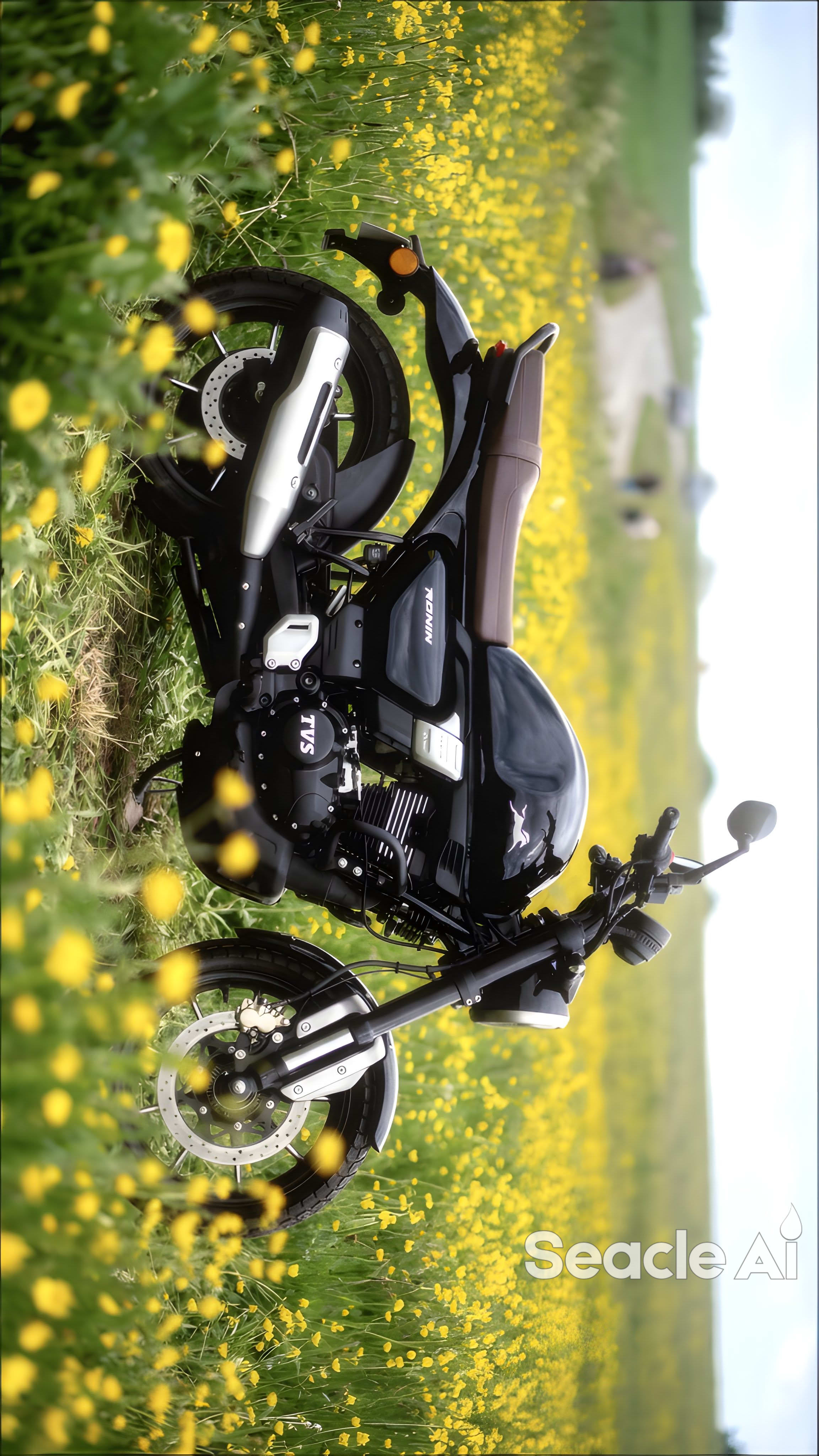
Key specifications and confirmed vs rumored numbers
Below I separate what TVS has officially confirmed (or widely verified in 2025 press materials) from numbers that are commonly reported or observed in real use.
Confirmed
- Engine: Single-cylinder, ~225 cc oil/air-cooled unit (manufacturer listing).
- Transmission: 5-speed manual gearbox with slipper clutch on certain variants.
- Seat height: Rider seat roughly in the 790–805 mm range — accessible for average-height riders.
- Kerb weight: Roughly 165–170 kg depending on variant and accessories.
Reported / Typical real-world figures (as seen in 2025 ownership reports)
- Power: Around 20–21 PS (reported across reviews and dyno tests).
- Torque: Approximately 18–19 Nm—strong in low-to-mid revs, which helps in city starts.
- Top speed: Practical top speed measured near 120–130 km/h on flat roads with a single rider.
- Mileage: Owners see between 35–42 km/l in mixed city/highway usage; heavy throttle use drops this toward the low 30s.
- Fuel tank: Typically about 12 litres (reported), giving a real-world range of ~350–450 km depending on riding style.
These reported numbers match long-term user logs and dealer test rides in 2025; keep in mind small variations happen with accessory loads and local fuel octane.
Safety, comfort and technology features
The Ronin bundles modern conveniences that matter every day:
- Dual-channel ABS with switchable traction control on higher trims — useful in wet monsoon streets in India.
- Full LED lighting and a digital instrument cluster with navigation inputs and fuel economy readouts.
- Comfortable upright ergonomics with a slightly rearset footpeg for better control in corners.
In practice, the ABS and traction control reduce scary wheel-spin during sudden rain-on-brake events; however, the suspension setup favors a firmer feel which helps steering precision but transmits more sharp bumps into the rider—this becomes noticeable on poorly surfaced city lanes after 40–50 km.
Real usage impressions and observations
Daily commuting: The engine’s low-end punch means quick take-offs at traffic lights without constantly downshifting. Throttle mapping is linear; in dense stop-start traffic the bike is predictable, which lowers rider stress.
Two-up and weekend runs: With a pillion and a light luggage load, the Ronin stays composed on state highways, though sustained high-speed cruising beyond 110 km/h exposes wind buffeting and higher fuel consumption.
Handling: The bike feels planted around town—turn-in is immediate. Think of it like a small coastal structure that needs a firm base: small changes in weight or road surface show up quickly. Shorter riders usually notice the seat-to-ground relationship first when trying to balance at slow U-turns.
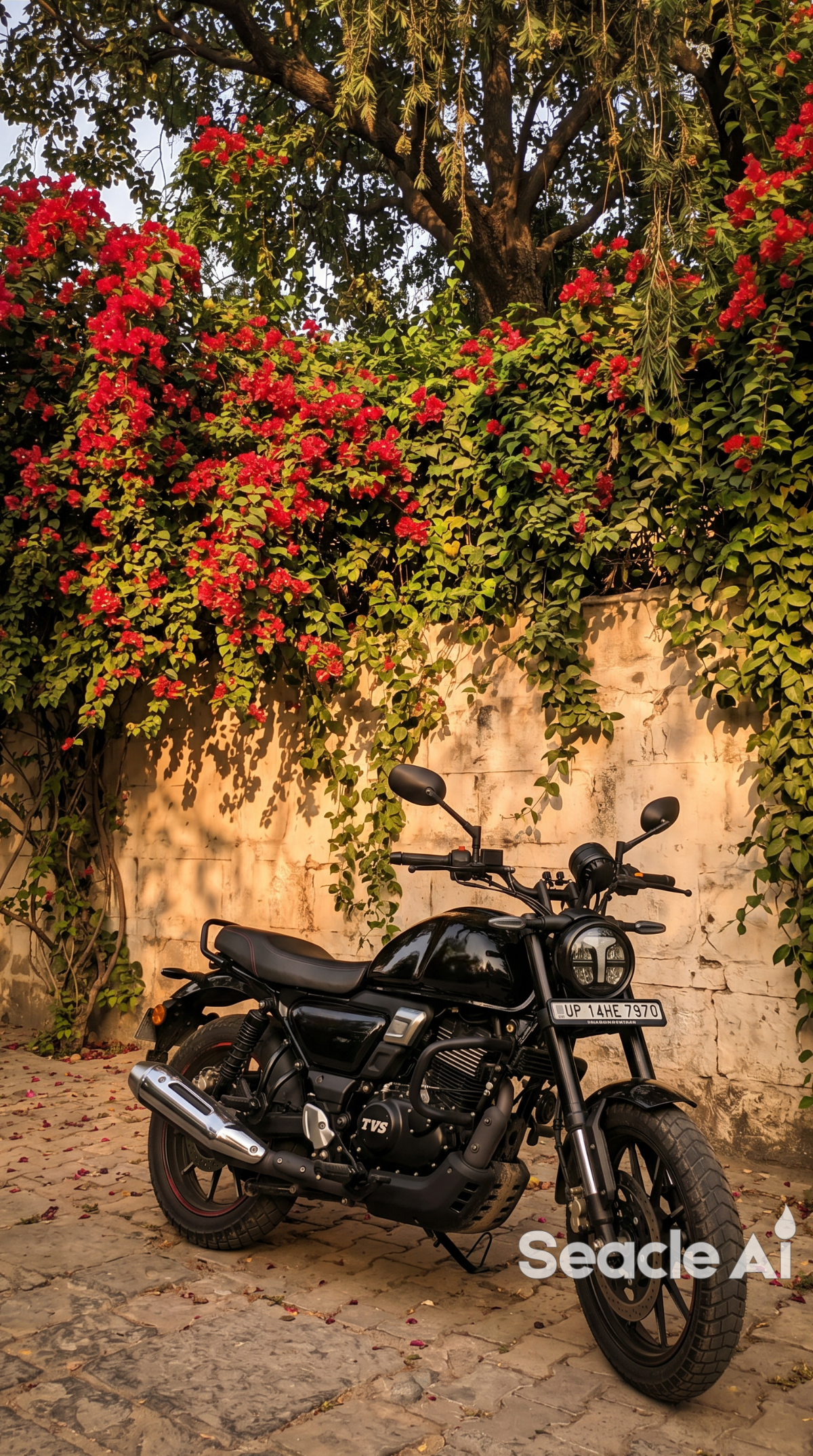
Where the bike falls short / limitations
No bike is perfect. For the Ronin, notable limitations include:
- Not ideal for long highway touring: The seat and wind protection are not designed for eight-hour stints; fatigue builds after extended high-speed runs.
- Not an off-roader: The suspension travel and ground clearance are modest — avoid rough forest tracks or heavy gravel.
- Maintenance and parts cost: Specialized trims and electronics can push service bills slightly higher than basic commuters, especially after warranty period.
Who should avoid it: riders who need a heavy-luggage tourer, daily long-distance highway commuters, or off-road enthusiasts.
Check price on local listings if you want the exact on-road numbers for your city.
TVS Ronin vs Royal Enfield Hunter 350 — comparison
Below is a compact comparison focusing on what matters when deciding between the two for Indian road use.
| Aspect | TVS Ronin | Royal Enfield Hunter 350 |
|---|---|---|
| Engine & performance | ~225 cc single; revvier nature, quicker mid-range response. | 349 cc single; torquey at low rpm, better for relaxed cruise and heavy pillion. |
| Torque / Top speed / Mileage | ~18–19 Nm; top speed ~120–130 km/h; mileage 35–42 km/l (reported). | ~27–29 Nm; top speed ~115–125 km/h; mileage 30–35 km/l (real-world varies with riding). |
| Key features | Modern TFT, switchable traction control, slipper clutch on trims. | Simpler instrument cluster in base, classic styling; newer models add Tripper nav and ABS. |
| Price range (2025) | Typically positioned lower to mid Rs. 1.4–1.85 lakh (ex-showroom) depending on variant and city. | Generally Rs. 1.7–2.0 lakh (ex-showroom), depending on variant and dealer region. |
| Tank capacity | About 12 litres (reported). | ~13 litres (official on most Hunter trims). |
| Braking & safety | Dual-channel ABS, switchable TC on higher trims, disc brakes front and rear. | Dual-channel ABS standard on most models; retro-style brakes with modern ABS intervention. |
Which to choose? If you want sharper handling, modern tech and a lighter feel for city rides, the Ronin makes more sense. If you prioritize low-end torque for easy long rides with a pillion and prefer classic styling, the Hunter 350 will likely feel more natural.
Alternatives and who should buy which
If you need a comfortable tourer with more luggage capacity, look at bigger Royal Enfield models. If you want sportier dynamics and higher peak power, a 300–350 cc sportier motorcycle may be better.
Recommendation: commuters and weekend riders who value agility and modern features should prioritize the Ronin; riders wanting relaxed torque and a retro presence should lean toward the Hunter 350.
FAQs
- What is the minimum height to ride TVS Ronin?
- The seat height is roughly 790–805 mm; practical minimum rider height is about 160 cm to plant feet comfortably at stops. Shorter riders often notice balance challenges first during slow manoeuvres.
- What mileage can I expect from TVS Ronin?
- Owners report 35–42 km/l with mixed riding; aggressive throttle use and long highway sprints drop economy into low 30s. City-only commuting tends to sit near the mid-30s.
- Is the TVS Ronin suitable for long touring?
- Not ideal. The seat and wind protection lead to fatigue on long highway days; better for short-to-medium rides. Add a touring screen and softer seat if you plan frequent long trips.
- Does the Ronin have traction control and ABS?
- Higher trims include switchable traction control and dual-channel ABS; base variants still have ABS but may lack TC. This matters in wet conditions—TC prevents sudden rear-wheel slip during hard throttle.
- How do maintenance costs compare to Hunter 350?
- Routine service intervals are comparable, but electronic add-ons and certain parts on the Ronin can raise costs slightly after warranty. The Hunter’s larger single-cylinder has simpler plumbing, which sometimes lowers long-term parts cost.
Conclusion
The Ronin is a smart middle ground: modern features, peppy mid-range engine, and city-friendly handling make it a compelling choice for urban riders who want some weekend versatility. Drawbacks are clear—it’s not built for long-distance comfort, rough off-road use, or heavy luggage hauling. If you regularly ride 300+ km days with a pillion, the Ronin will feel limiting; if your day is mostly city work and short outings, it will likely be satisfying.
Strengths: agility, tech, usable mid-range power. Weaknesses: wind protection, long-distance comfort, and slightly higher maintenance for electronics. Most people overlook how quickly suspension firmness becomes tiring after an hour—this matters more than it seems.
Buy now if you want a modern city roadster that’s fun and practical. Otherwise, compare the Hunter 350 for torque-first touring comfort.