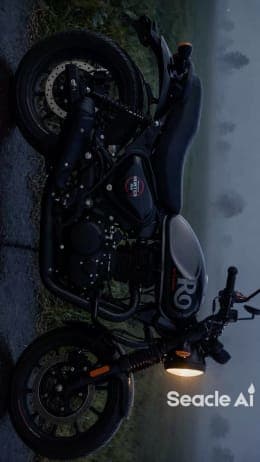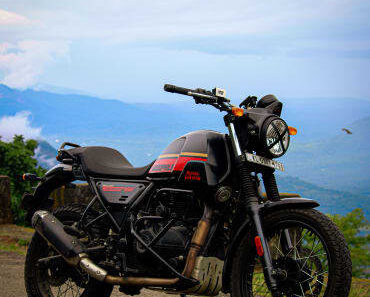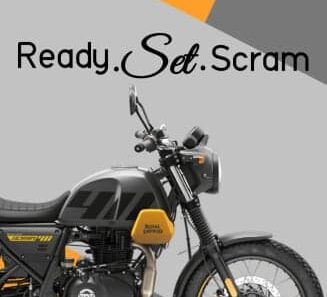


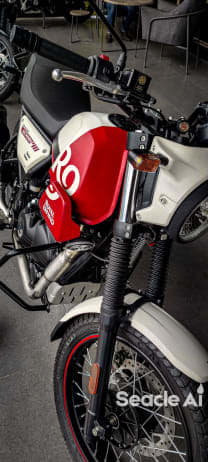

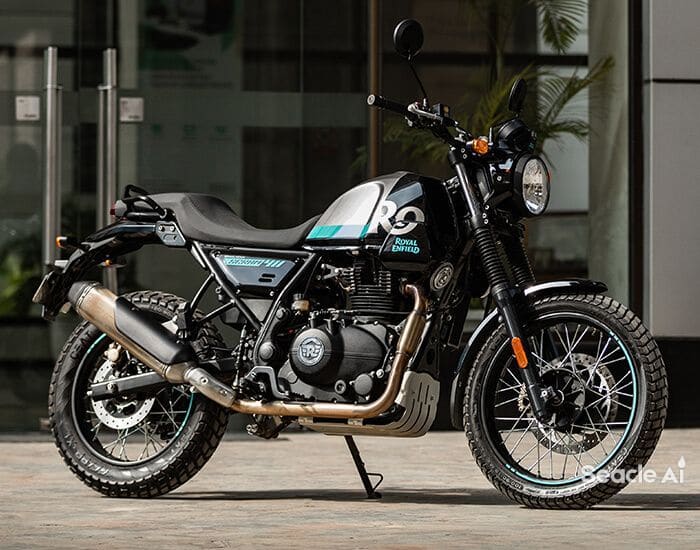
The Royal Enfield Scram 411 is a modern, do-it-all thumper aimed at riders who want a light, upright commuter that can shrug at a dirt track and look tidy in city traffic. It’s not a high-revving sportbike or a fully fledged adventure machine — think of it as a simple recipe revised for modern tastes rather than a complex gourmet dish. In short: approachable engine, upright ergonomics, and a design that tilts toward urban versatility while keeping long-distance comfort secondary.
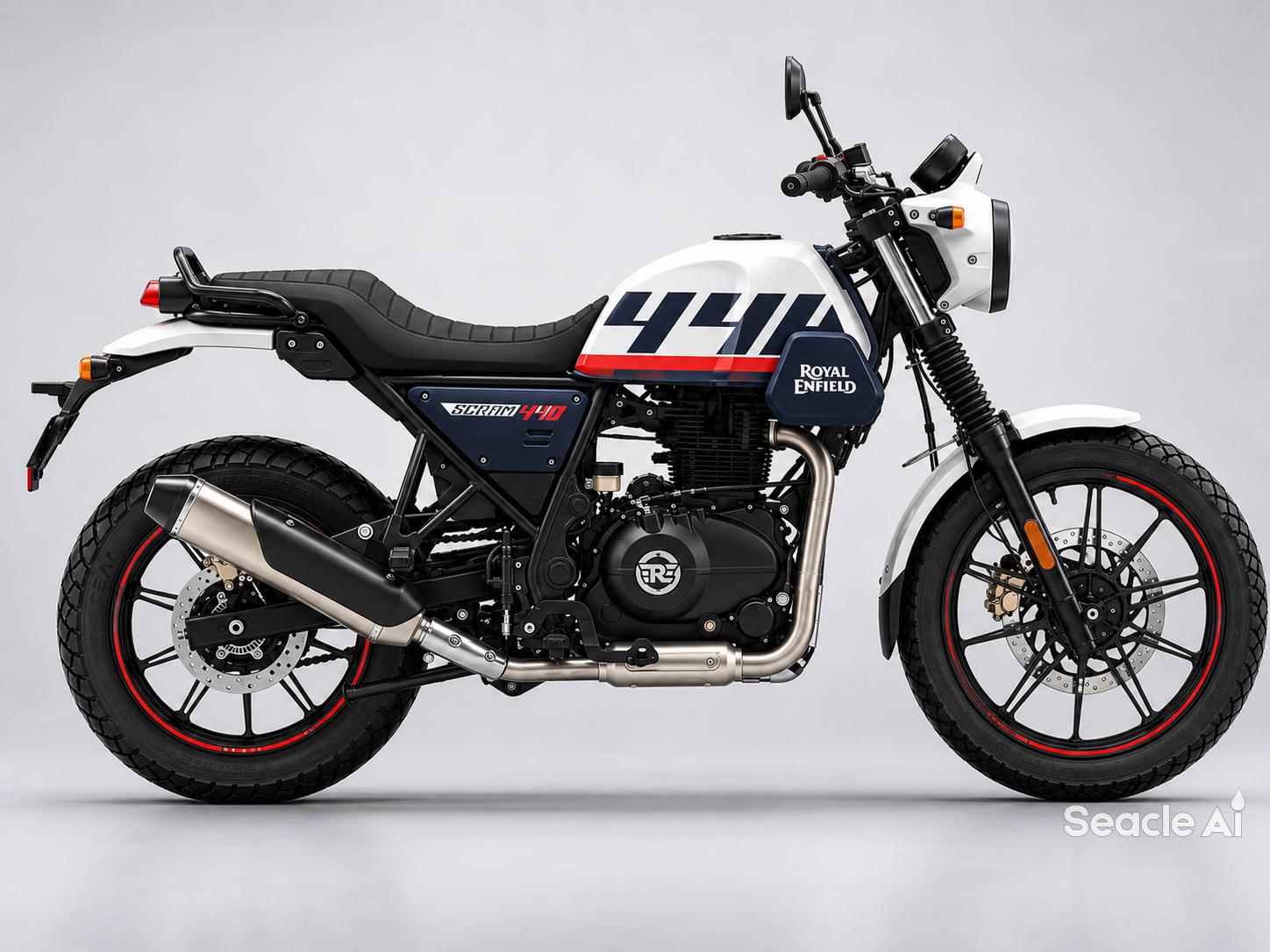
Table of Contents
Key specifications for Royal Enfield Scram 411
- Engine: 411 cc single-cylinder, air/oil-cooled, fuel-injected unit (J-series family).
- Power: Around 24.3 PS at ~6,500 rpm (company figure used across the 411 platform).
- Torque: About 32 Nm at ~4,000 rpm.
- Transmission: 5-speed gearbox, wet multi-plate clutch.
- Frame & suspension: Tubular frame with long-travel telescopic front fork and twin rear shocks tuned for comfort.
- Brakes: Front disc + rear disc with single-channel ABS on most trims (see safety section).
These engine and gearbox numbers are the confirmed figures used by Royal Enfield across the 411 family. The layout emphasizes low-end torque rather than top-end horsepower — that’s noticeable when you need immediate pull from traffic.
Scram 411 mileage
Claimed economy for the 411 platform is in the mid-30s kmpl under ideal conditions. Real-world figures in Indian urban commute and mixed highways often sit closer to 28–34 kmpl, depending on traffic, rider weight, and how often you ride in open throttle. Expect city fuel consumption to be lower because the engine’s torque encourages short trips in higher revs.
Observation: fuel stops are more frequent on aggressive urban commutes — if you do a lot of stop-start city work, plan for the lower side of that range.
Scram 411 seat height and minimum rider height
The seat height for the Scram-series is advertised around the upper-790 mm to 800 mm range (varies slightly by market and trim). Practically, that means a rider shorter than about 165–170 cm will often feel stretched when placing both feet flat at stops. Shorter riders usually notice this first: you might need to shift weight back or use a footrest to feel secure at junctions.
If you’re under 160 cm, sit on one in person — reduced reach and heavier feel at standstill are common complaints from shorter riders.
Scram 411 top speed
Theoretical top speed is in the 115–130 km/h window depending on gearing and rider load. In everyday use you’ll find comfortable cruising around 90–100 km/h; sustained speeds above 110 km/h increase vibration and wind fatigue. This is not a touring highway rocket — sustained high-speed rides expose the engine’s limitations and the chassis becomes less planted.
Safety, comfort, and technology
- Single-channel ABS (front wheel) on base trims; some markets and higher trims may offer dual-channel ABS. That difference matters: dual ABS gives safer rear-wheel stability under panic braking.
- Comfort-focused seat with upright ergonomics — good for city days and short weekend rides, less comfortable on multi-day touring due to limited pillion cushioning and firm rear shocks.
- Simple analog-digital cluster with trip, fuel gauge, and basic connectivity on higher trims (turn-by-turn via a cradle-enabled phone app in certain versions).
Safety note: the Scram’s braking and chassis are tuned for predictable, low-speed control. In wet, hilly, or heavily loaded conditions you’ll want the dual-channel ABS variant — the single-ABS setup is adequate but less forgiving during rear-wheel slides.
Real-world riding impressions
The low-end torque makes traffic commuting effortless — you rarely need to drop gears at city speeds. Throttle response is mellow; it’s forgiving but that also means less snappy overtakes at higher speeds. After 2–3 hours of continuous riding the seat and the firm rear shocks start showing their limits, so the bike becomes noticeably less comfortable on long highway stints. This matters more than it seems if you plan multi-day trips.
Weight distribution leans toward the front, helping steering feel stable; however, when carrying luggage or a pillion the rear suspension compresses quickly — expect a firmer ride and reduced cornering confidence if heavily loaded.
Check Price — compare trims and ABS options before choosing.
Limitations and who should avoid it
- Not ideal for heavy off-roading — the suspension travel and chassis geometry are not built for sustained rough-terrain abuse.
- Not for long-distance high-speed touring — sustained speeds above 110 km/h highlight vibration and rider fatigue.
- Short riders may struggle with the seat height; test-ride mandatory.
- Maintenance: being a single-cylinder with air/oil cooling, expect regular valve checks and occasional oil-top-ups if used hard; running costs are moderate but not minimal compared to smaller-capacity bikes.
Who should avoid it: riders who need a full-on adventure motorcycle, high-speed interstate commuters, or those who prioritize minimal maintenance intervals and outright refinement.
Scram 411 vs CB350RS comparison
| Category | Scram 411 | Honda CB350RS |
|---|---|---|
| Engine & performance | 411 cc single, ~24.3 PS; tuned for low-end torque and relaxed power delivery. | 348 cc single, ~21.5 PS; smoother refinement, less torque but peppier mid-range for asphalt cruising. |
| Torque, top speed, mileage | ~32 Nm torque; top speed ~115–130 km/h; real-world ~28–34 kmpl. | ~30 Nm torque; top speed ~120–130 km/h; real-world ~33–38 kmpl. |
| Key features | Higher low-end grunt, upright ergonomics, basic connectivity on higher trims. | Refined ride, slightly better build finish, usually more comprehensive tech package on higher trims. |
| Price range (India, indicative) | Typically positioned lower to mid ₹1.95–2.25 lakh (ex-showroom) depending on trim (varies by market). | Usually from ₹2.05–2.40 lakh (ex-showroom), depending on features. |
| Who should choose which | Choose the Scram if you want torque for city pull, slightly more rugged styling and a simple platform. | Choose CB350RS if you prioritize refinement, long-distance comfort, and slightly better highway manners. |
| Tank capacity | Official tank around 13–14 litres (varies by model/year). | Approximately 15 litres. |
| Braking & safety | Front disc, rear disc; single-channel ABS on many trims, dual-channel on select variants. | Disc brakes with dual-channel ABS on higher trims; often better braking feel and modulation. |
Comparison takeaway
If you split hairs: the Scram is a torque-first, value-focused choice that suits urban-focused riders who occasionally stray onto light dirt. The CB350RS leans toward refinement and highway composure. One clearly outperforms the other depending on whether you care more about low-speed tractability or long-distance composure.
Alternatives
Close alternatives within the segment include mid-capacity single-cylinder commuters and retro-roadsters. Choose based on whether you want lower seat height (ease of reach), better highway stability, or more tech features. Test-ride at dealerships and compare ABS variants before deciding.
FAQs
- What is Scram 411 mileage in city conditions?
- Expect roughly 28–32 kmpl in heavy city traffic; flatter, steady rides push it higher. Load and riding style change this substantially.
- What is the minimum height to ride Royal Enfield Scram 411?
- Generally riders of 165–170 cm and taller will be comfortable. Shorter riders may need to shift weight and check foot placement before buying.
- Does the Scram 411 have dual-channel ABS?
- Some trims and markets offer dual-channel ABS; base models commonly ship with single-channel ABS. Check the specific variant before purchase.
- Is the Scram 411 suitable for long highway touring?
- Not ideal for sustained high-speed touring. It can handle occasional highway runs, but vibration, wind exposure, and seating comfort make long rides tiring compared with more touring-focused bikes.
Conclusion
The Scram 411 is a well-targeted bike: simple, torquey, and city-friendly with enough capability for weekend dirt or short highway stretches. Its strengths are low-end pull, approachable ergonomics, and straightforward mechanics. Its limits are clear — not a hardcore off-roader, not a touring specialist, and shorter riders may find the seat height and weight awkward in slow traffic. Maintenance and fuel use are reasonable but expect regular attention if you ride hard.
If your riding is mostly urban with occasional rural detours, and you value character over outright refinement, the Scram 411 is a sensible pick. If you need smoother highway cruising or more tech/safety features, the CB350RS or higher-spec alternatives might be better.
Compare Options — review trims, ABS setup, and test-ride both bikes before committing.