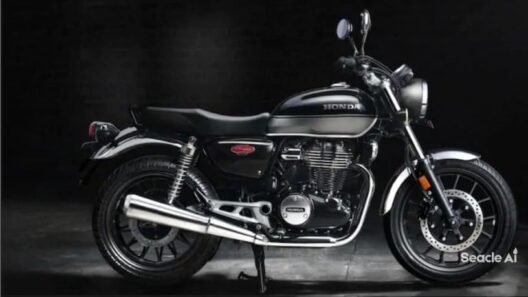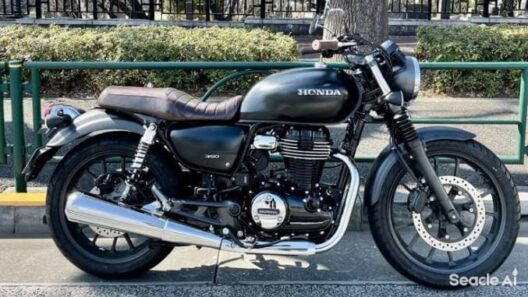

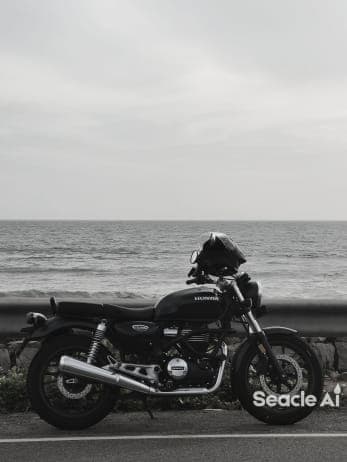

The Honda H’ness CB350 is Honda’s modern-retro 350cc roadster aimed at riders who want classic styling married to refined daily usability. It’s not a race bike — it prioritises smooth low-end torque, predictable handling and easy maintenance over peak horsepower. In simple terms: it’s for riders who value relaxed highway progress, city-friendliness and build quality more than outright performance or heavy touring capability.
Table of Contents
- CB350 specifications and engine
- CB350 features: safety, comfort, tech
- Minimum height to ride Honda H’ness CB350
- Where it works well and where it falls short
- Hunter 350 comparison
- Real riding experience and observations
- FAQs
- Conclusion
CB350 specifications and engine
The H’ness CB350 uses a single-cylinder 348cc air-cooled engine paired with a 5-speed gearbox and a slipper-assist clutch. Confirmed specifications include:
- Engine: 348.36 cc, single-cylinder, air-cooled
- Power: around 20–21 PS (manufacturer figures vary slightly by market)
- Torque: approximately 30 Nm at low rpm
- Transmission: 5-speed manual with slip/assist clutch
- Top speed: realistic top speed ~120–130 km/h depending on rider weight and road conditions
- Mileage: typical real-world mileage in India: 30–35 kmpl in mixed use; city drops toward the low 30s under heavy traffic
- Kerb weight: about 181–184 kg (varies by variant and regional spec)
- Fuel tank: ~15 litres
These numbers are good for steady commuting and moderate highway runs, but the bike is not tuned for performance-focused riding — you feel the engine’s character in town and during overtakes, not in lap times.
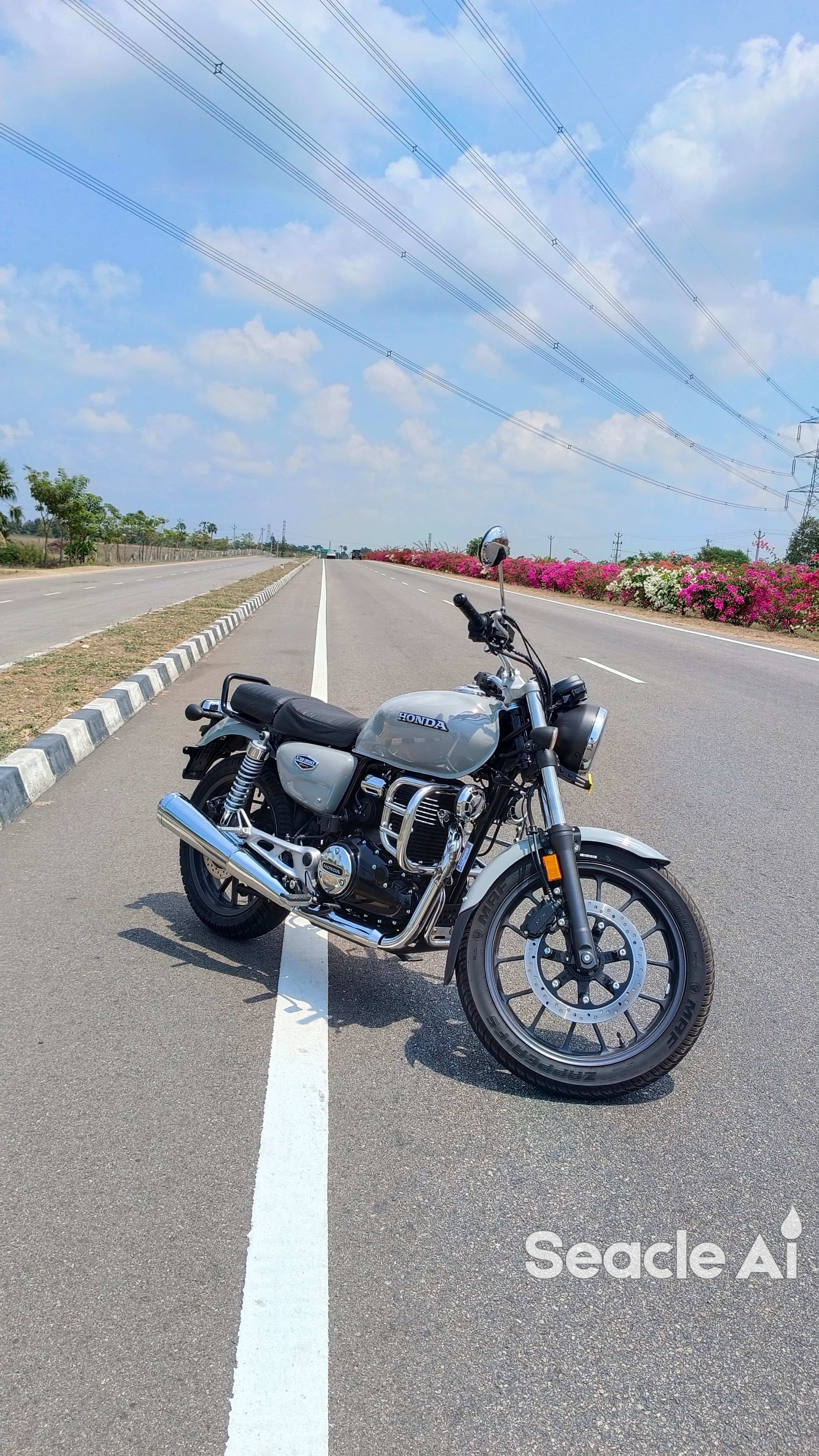
CB350 features: safety, comfort, tech
The H’ness keeps things simple but useful:
- Dual-channel ABS as standard and a single-disc front (generally 310 mm) and rear disc setup
- Telescopic front forks and twin rear shocks — comfortable on urban potholes but with limited high-speed compliance
- Analogue-digital instrument cluster with Bluetooth connectivity in later variants for navigation prompts and call alerts
- Comfort-oriented seat with a neutral riding posture — good for daily commutes and short weekend rides
Safety and usability note: the ABS and braking setup give predictable stopping power, but hard emergency braking with a pillion can reveal the limits of the mid-sized discs — a firm pull on the front lever will do the job, but modulation matters.
Minimum height to ride Honda H’ness CB350
The seat height is around 800 mm. For practical purposes, riders should be at least 160–165 cm tall to plant a foot flat at traffic stops comfortably. Shorter riders usually notice this first; the center of gravity and weight (around 181 kg) make low-speed balancing more demanding if you can’t reach the ground easily.
Where it works well and where it falls short
Strengths:
- Smooth low-end torque makes stop-start city riding effortless and reduces clutch-feel fatigue on long urban commutes.
- Reliable engine construction means lower unscheduled maintenance compared to more temperamental single-cylinder rivals.
- Classic styling ages well — maintenance parts and service networks are widely available in India.
Limitations (be blunt):
- Not ideal for performance-focused riding: the power delivery is relaxed rather than aggressive, so riders seeking sporty acceleration should look elsewhere.
- Not designed for heavy touring: long highway days with luggage highlight wind fatigue and the suspension’s limited travel — you feel more vibration after 3–4 hours of sustained high-speed riding.
- Weight and seat height make it less friendly for shorter or novice riders during slow manoeuvres.
This bike is great for daily users who value refinement and reliability; it’s less suited for those who need off-road capability or carry heavy loads regularly.
Check Price — if you want the convenience of a modern retro with reliable servicing, verify local on-road pricing and variant features before deciding.
Hunter 350 comparison
The Royal Enfield Hunter 350 is the most direct competitor in markets like India. Below is a focused comparison covering the requested points.
| Aspect | Honda H’ness CB350 | Royal Enfield Hunter 350 |
|---|---|---|
| Engine & overall performance | 348cc single; smooth low-end torque, refined for city/highway balance | 349cc J-platform; torquey and a bit rawer, more character under throttle |
| Torque, top speed, mileage | ~30 Nm; top speed ~120–130 km/h; real-world 30–35 kmpl | ~27–29 Nm; top speed ~115–125 km/h; real-world 28–35 kmpl depending on tune |
| Key features | Dual ABS, slipper clutch, Bluetooth console on select variants | Dual ABS, modern dash on newer trims, slightly lighter chassis on some variants |
| Price range (India, indicative) | Approx. ₹1.95–2.30 lakh (ex-showroom) depending on variant and updates | Approx. ₹1.50–1.80 lakh (ex-showroom) for comparable variants |
| Which user should choose which | Rider wanting refined engine, lower maintenance fuss and classic Honda reliability | Rider seeking characterful throttle, slightly more wallet-friendly buys, and easy custom options |
| Tank capacity | ~15 litres | ~13–13.5 litres (varies by model) |
| Braking & safety | Disc front/rear with dual-channel ABS; strong, predictable brakes | Disc front/rear with dual ABS on most trims; braking feel is more tactile but needs modulation |
Nuance: the Honda generally feels more refined and easier to live with daily; the Hunter trades some refinement for price and a slightly rawer riding feel. This matters more than it seems when doing frequent long commutes.
Real riding experience and observations
Observation 1: throttle response in city traffic is forgiving; you rarely need precise clutch work to creep forward, which reduces stress during stop-and-go commutes.
Observation 2: on longer rides past 3 hours you begin to notice seat firmness and wind exposure — a taller rider or one carrying a light luggage rack will feel the strain sooner. Shorter riders often notice weight balance at parking-lot speeds first.
Maintenance notes: routine service intervals are predictable and parts availability is good in urban India, but servicing a 350-class bike still costs more than a 125–150cc commuter — plan annual maintenance budgets accordingly.
FAQs
- What are the CB350 specifications for daily commuting?
- The CB350 specifications that matter for daily use are the low-end torque (~30 Nm), 5-speed gearbox and comfortable seat; these combine to make city commutes less tiring and reduce clutch wear.
- What is the Honda CB350 mileage in city and highway?
- Honda CB350 mileage typically ranges 30–35 kmpl in mixed riding. Expect lower figures in constant city crawl and higher on steady-state highway runs if you ride gently.
- How does the Hunter 350 comparison affect resale and ownership costs?
- Hunter 350 comparison shows RE often has a stronger young-custom scene, which can help used demand for certain trims. Honda’s reputation for reliability keeps service costs steady but resale depends on local buyer tastes.
- Is the CB350 suitable for two-up touring?
- It can do occasional two-up trips, but the combination of seat comfort, suspension travel and wind protection makes it less ideal for repeated long-distance touring with luggage — consider larger touring-oriented bikes for that role.
Conclusion
The Honda H’ness CB350 is a sensible choice if you prioritise refinement, predictable low-end torque and a comfortable daily ride. Its strengths are reliability, user-friendly power delivery and a classic look that doesn’t age fast. Downsides include modest outright performance, a weight/seat-height pairing that can trouble shorter riders, and suspension that shows its limits on very long highway days.
If you want calm, confidence-in-traffic and lower long-term fuss, the H’ness is worth considering. If you want a cheaper entry into 350s or prefer a more raw, torque-forward feel, the Hunter 350 may be the better pick.
Compare Options and check local test rides before you decide; actual comfort and usability vary by height, luggage needs and intended ride profile. This matters when you’re choosing between character and refinement.
Buy Now only after a test ride that includes a traffic-heavy loop and a short highway stretch — that will reveal balance, seat comfort and whether the H’ness suits your regular use.