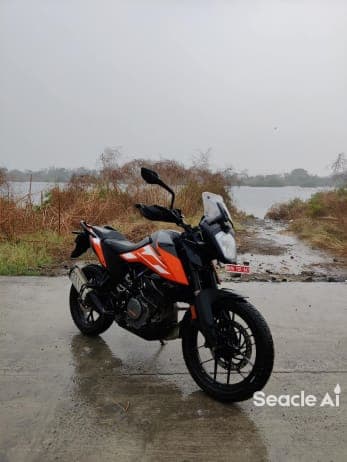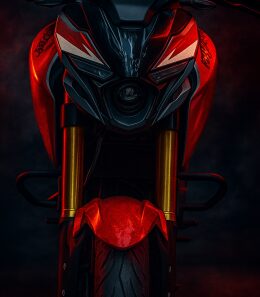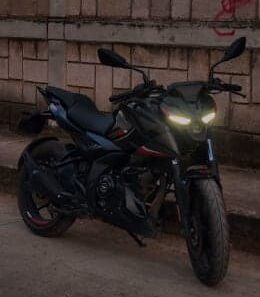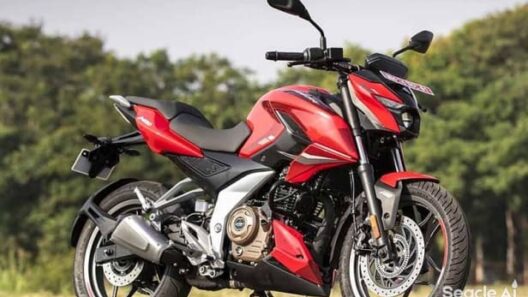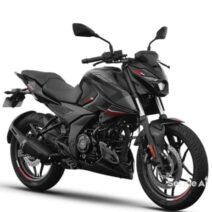

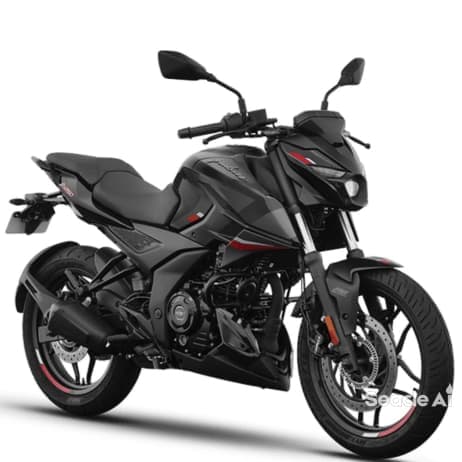

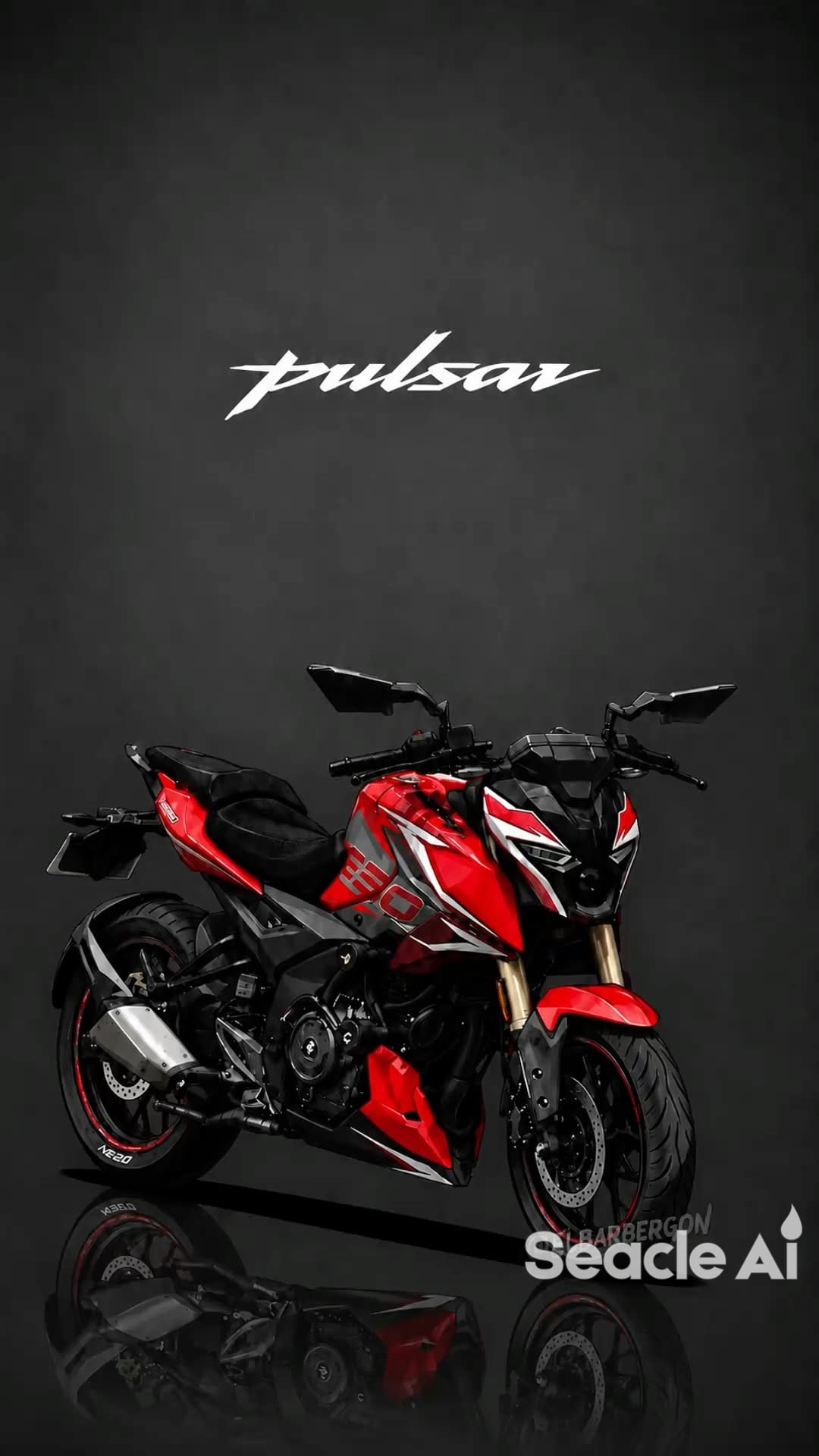
The Bajaj Pulsar N250 sits in the crowded 250cc motorcycle segment in India and aims at buyers who want a punchy single-cylinder street bike without the premium price tag. In simple terms: it’s a standard/naked bike built for urban commuting with the occasional weekend blast — not an adventure rig or long-haul tourer.
Jump to specs | Jump to comparison | FAQs
Table of Contents
- Key specs and Pulsar N250 specs
- Daily use, comfort and Pulsar N250 features
- Where it falls short — limitations
- Pulsar N250 vs Yamaha FZ25
- Alternatives and who should buy
- FAQs
- Conclusion
Key specs and Pulsar N250 specs
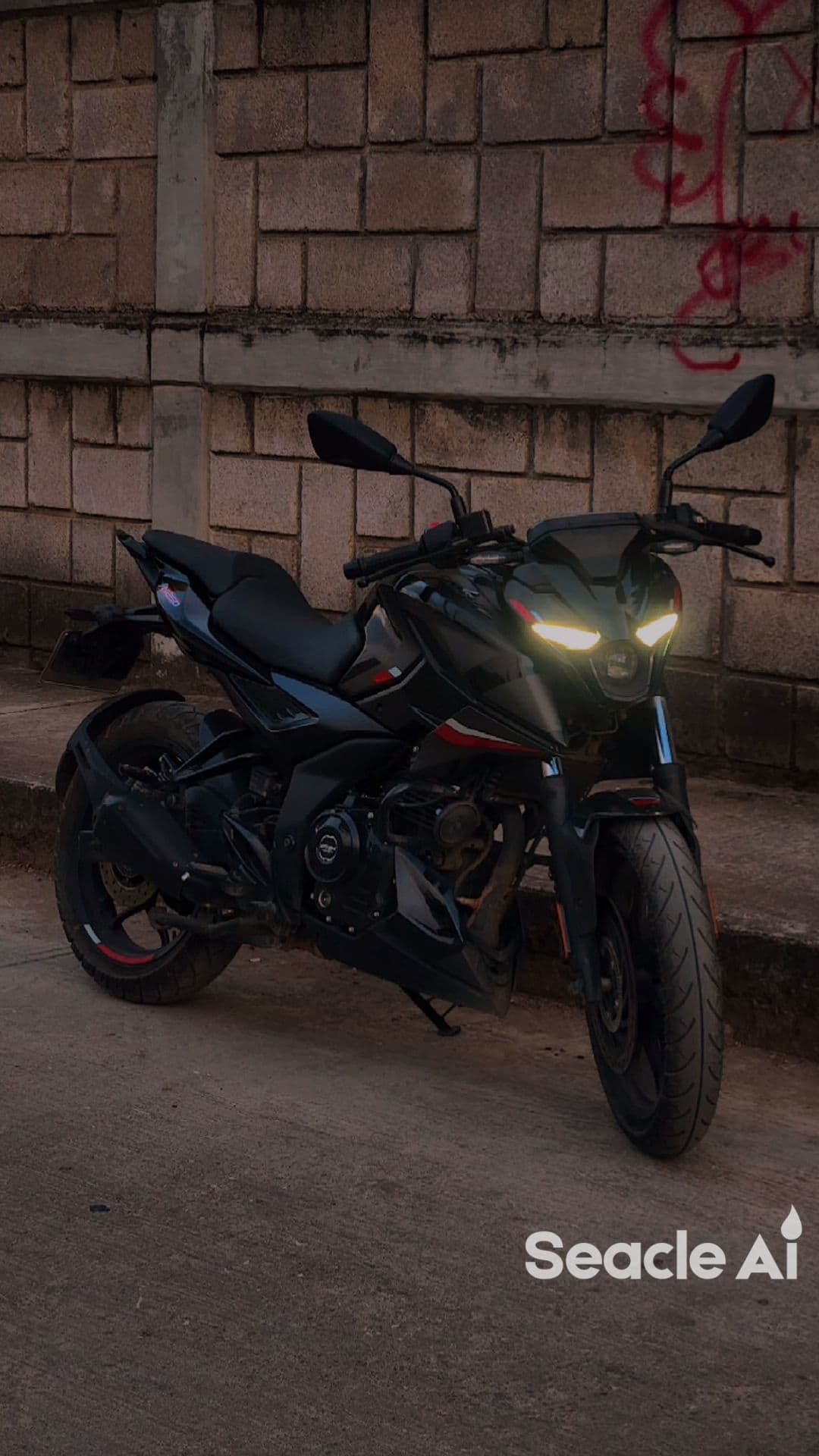
Below are the important, practical specs you’ll look at first — separated between officially stated numbers and real-world observations.
Confirmed / Official (manufacturer-claimed)
- Engine: 249.07 cc, single-cylinder, oil-cooled / DTS-i style tuning
- Power: ~24.5 PS (factory figure) at high rpm
- Torque: ~21.5 Nm (claimed)
- Transmission: 5-speed gearbox
- Seat height (saddle): ~795 mm
- Kerb weight: ~165 kg (varies by variant and accessories)
- Top speed: factory-quoted top speed around 140–145 km/h
Real-world / Observed numbers
- Mileage: ARAI/claimed figures can be optimistic — expect 35–40 km/l on steady highway runs, and 28–34 km/l in mixed city traffic
- Fuel tank: roughly 12–13 litres usable range (real usable varies with riding style)
- Brakes & suspension: front disc and rear disc with switchable ABS in many trims — telescopic front fork and a rear mono-shock setup
Practical consequence: the engine’s torque peak is modest for a 250cc — you feel the need to stay in the mid-to-high rev band for brisk overtakes. That becomes noticeable during steady uphill stretches or when carrying a pillion.
Daily use, comfort and Pulsar N250 features
The Pulsar’s ergonomics aim for an upright posture: slightly forward-leaning but not aggressive. Shorter riders usually notice the seat-to-ground relationship first — with ~795 mm seat height, riders under 160 cm will find both feet only just touching ground in a neutral stop.
- Safety: disc brakes, ABS (variant-dependent), predictable braking bite in wet city conditions. The ABS configuration varies by model year — check the variant.
- Comfort: a firm seat and balanced suspension that handles potholes well at town speeds, but the firmness shows up after 2–3 hours of continuous riding on broken roads.
- Technology: a full digital cluster in recent trims with Bluetooth-ready features on higher-spec models; live-call alerts, basic navigation prompts via phone pairing are common.
Experience-derived insight: throttle response feels snappy from mid rpm, but in slow-moving traffic the bike asks for clutch work and small revs to keep moving without lugging. This is where city mileage and rider fatigue interact — more clutch modulation in traffic equals quicker rider tiredness.
Check Price — see local dealer offers for variant-level features and ABS options.
Where it falls short — limitations
Every bike has a role. The Bajaj Pulsar N250 is not ideal for:
- Long highway touring: the seating and wind protection are limited — sustained 5+ hour highway days produce saddle soreness and more wind fatigue than bikes with a taller fairing.
- Off-roading: suspension travel and ground clearance are tuned for tarmac; rough, uneven trails quickly expose limits in tyre grip and fork travel.
- Performance-focused riding: if your priority is razor-sharp handling at track pace, the single-cylinder character and chassis setup will feel outgunned compared with purpose-built track bikes.
Maintenance / ownership note: routine service intervals are affordable compared with premium 250s, but check real-world reports — wheel bearings, clutch cable stretch and periodic chain adjustments are the maintenance items owners mention most often.
Pulsar N250 vs Yamaha FZ25
Short, direct comparison across the requested points. Remember: use-case matters more than headline numbers.
| Item | Bajaj Pulsar N250 | Yamaha FZ25 |
|---|---|---|
| Engine & performance | 249cc single, ~24.5 PS — peaky, rev-friendly; better mid-to-high rpm punch | 249cc single, ~20.6 PS — torquier low-end, smoother in city pulls |
| Torque, top speed, mileage | ~21.5 Nm, top ~140–145 km/h, real-world 30–40 km/l | ~20.1 Nm, top ~130–135 km/h, real-world 30–38 km/l |
| Key features | Digital cluster, variant ABS, sharper styling, slightly lighter | Simple ergonomics, proven Yamaha refinement, smoother low-rpm manners |
| Price range (2025–26) | Typically INR 1.50–1.65 lakh (ex-showroom), varies by city & variant | Typically INR 1.60–1.75 lakh (ex-showroom) — often a touch pricier for similar trim |
| Who should choose? | Riders wanting sharper mid/high rpm thrills and value-packed features | Riders preferring low-end tractability and relaxed highway cruising |
| Tank capacity | ~12–13 L usable | ~14 L usable |
| Braking & safety | Disc/disc with ABS (variant dependent), firm bite | Disc/disc with single-channel ABS standard (depending on model year) |
Nuanced take: the Pulsar N250 often feels livelier when you ride it hard; the FZ25 rewards a smoother, lower-rpm style. If you commute in stop-and-go traffic, the FZ25’s torque map feels less fussy. If you like quick throttle-to-overtake bursts, the Pulsar will make you smile more often.
Alternatives and who should buy
Good alternative choices depend on priorities:
- If you want low-rpm torque and calm cruise: Yamaha FZ25.
- If you want slightly sharper top-end and more tech features for less money: Bajaj Pulsar N250.
Who should avoid the Pulsar N250: tall riders who want long-distance touring comfort without an aftermarket windscreen, off-road enthusiasts, and riders who expect cruiser-like low-end shove from a 250 single.
FAQs
- What is the minimum height to ride Bajaj Pulsar N250?
- With a seat height around 795 mm, a practical minimum rider height is approximately 160 cm for comfortable foot reach at stops. Shorter riders should trial the bike in person to check confidence at low speeds.
- What are the Pulsar N250 specs for engine and transmission?
- The engine is a 249.07 cc single-cylinder with a 5-speed gearbox. Power and torque are oriented toward mid-to-high rpm performance, which affects how you ride in traffic versus on open roads.
- How is Bajaj N250 mileage in city use?
- Expect around 28–34 km/l in mixed city traffic depending on throttle habits. The numbers improve on highways to the upper 30s if you maintain steady rpm.
- Does Pulsar N250 have ABS and modern features?
- Many trims offer disc brakes with ABS but configurations can change by model year and market. Higher trims include a full digital cluster and Bluetooth pairing; lower trims keep things basic.
- How does the Pulsar N250 compare in maintenance cost?
- Routine service items are affordable compared with premium brands, but chain maintenance, brake pad wear and periodic valve checks are recurring costs. Owners often schedule services every 3–6 months depending on mileage.
Conclusion
The Bajaj Pulsar N250 is a strong contender if you want an affordable 250cc that leans toward lively performance and modern styling. Strengths include a punchy top-end, accessible price-to-feature ratio, and a compact chassis that feels nimble in city turns. Drawbacks are clear: it’s not a touring bike, shorter riders may need to adapt to the seat height, and the engine favors revs which can hurt city fuel economy.
Decide based on your primary use: pick the Pulsar N250 if you value sharper on-road character and lower entry cost. Choose something like the FZ25 if you prefer relaxed low-end torque and steadier highway cruising. This matters more than it seems when you actually spend hours in the saddle.
Compare Options — check local dealer stocks, test-ride both bikes, and factor in warranty & service packages before you decide.