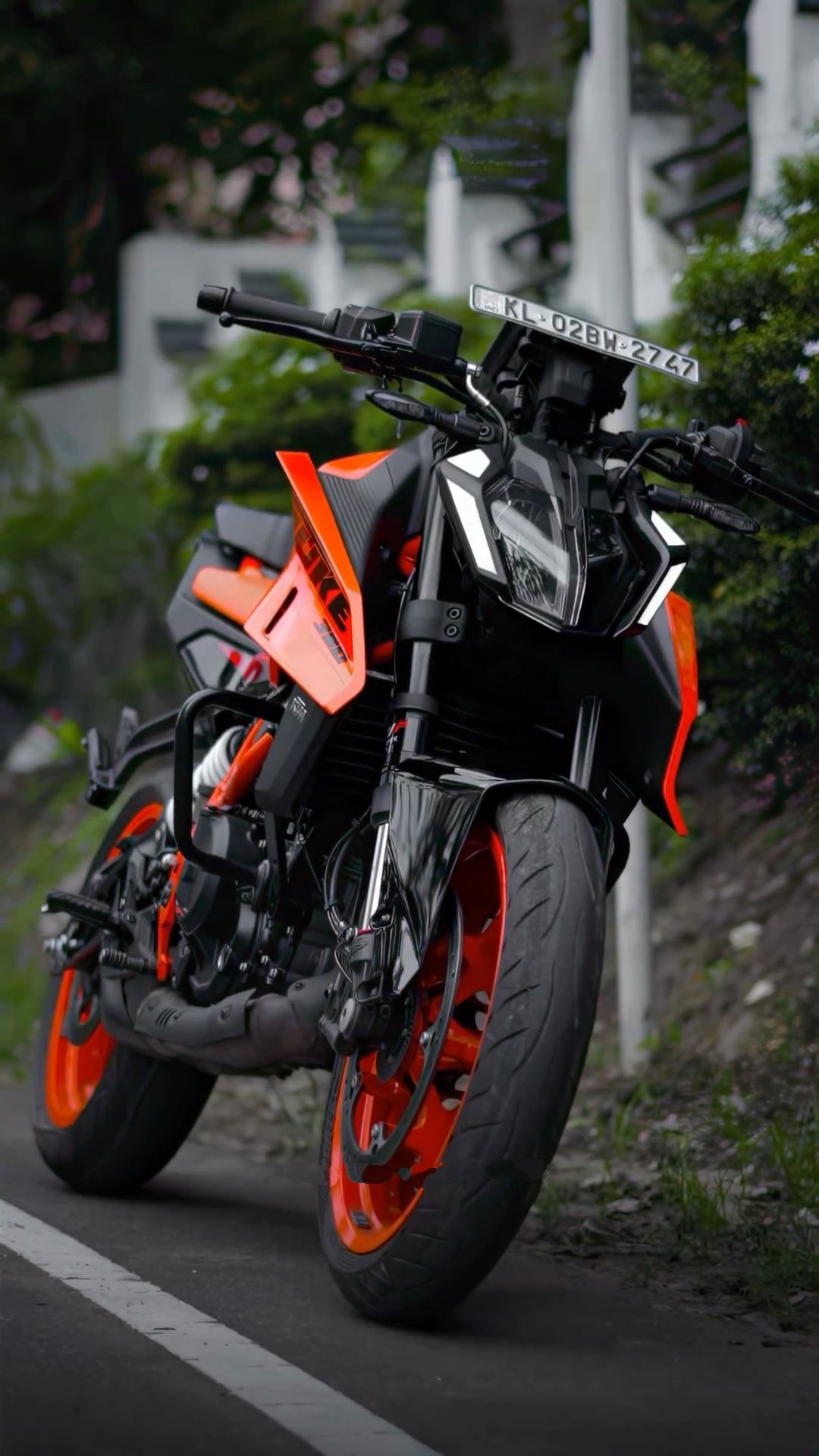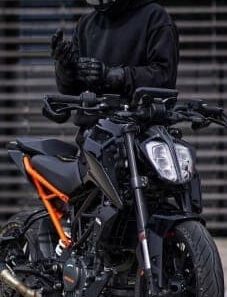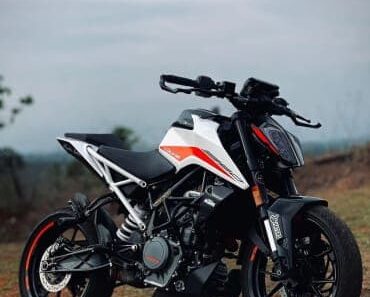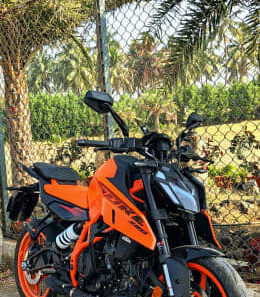
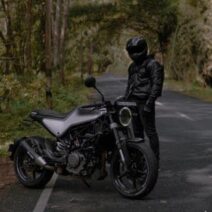
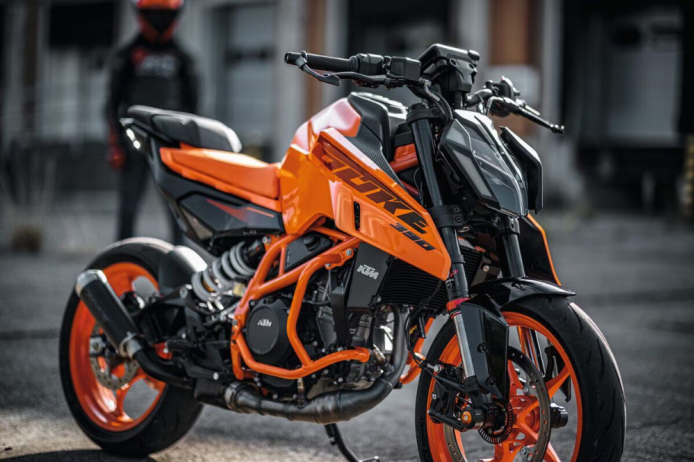

KTM 390 Duke has become a familiar sight on city streets and winding backroads alike. If you are looking for a lightweight, agile machine that delivers a blend of performance and practicality, the 390 Duke deserves a close look. This article walks through what the bike is, who it is built for, and the numbers that matter most. All data reflects the 2025 model year, and any information about a 2026 refresh is marked as expected or rumored.
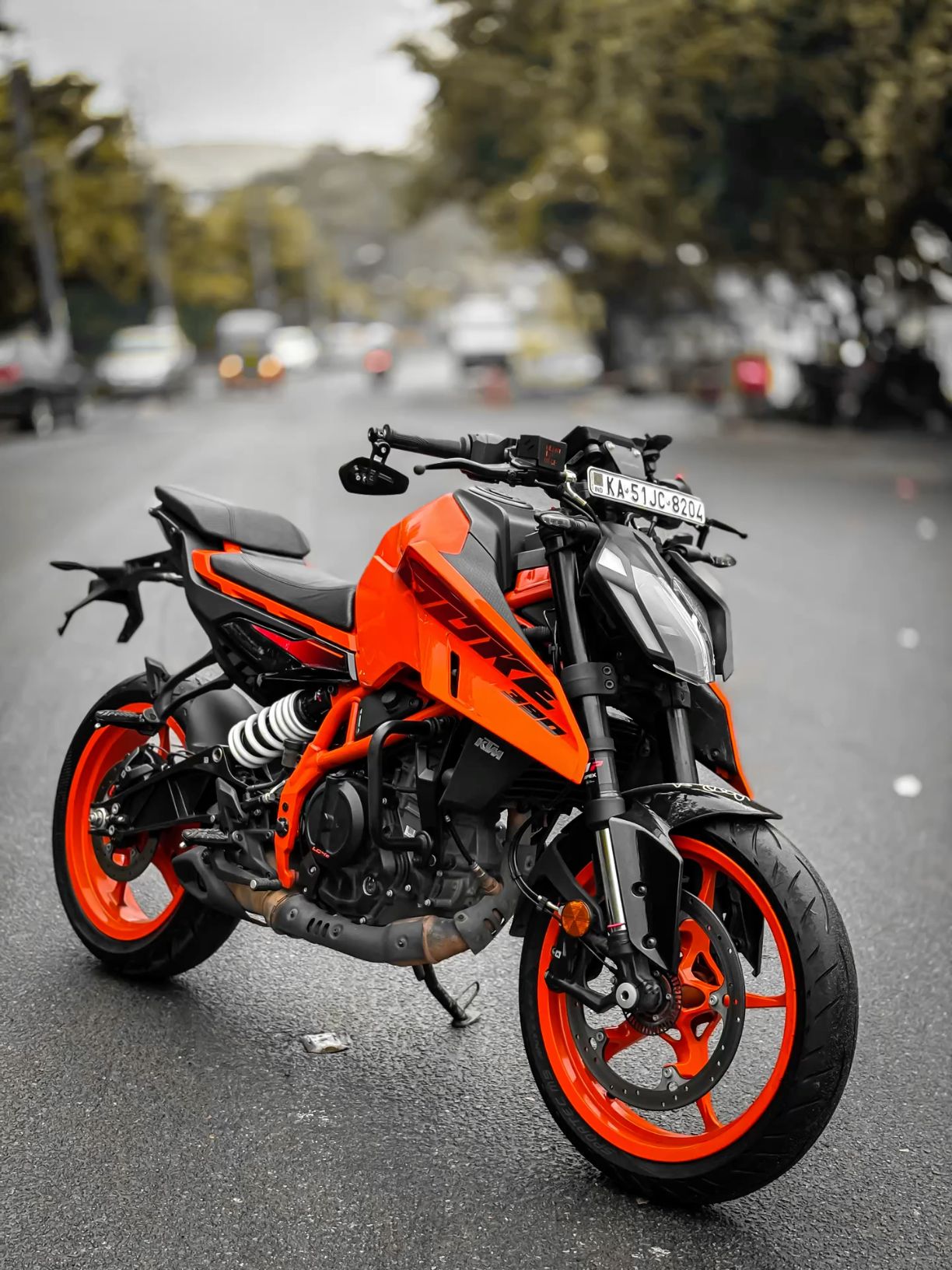
What Kind of Vehicle Is the KTM 390 Duke?
The KTM 390 Duke is a naked‑style motorcycle. It sits in the “middleweight” segment, powered by a single‑cylinder engine that balances power and fuel economy. The bike’s geometry—short wheelbase, upright riding position, and sharp handling—makes it comfortable for daily commuting, weekend rides, and even light track days.
Who should consider it?
- Urban commuters who need a nimble bike that can weave through traffic.
- New riders looking for a step up from a 250 cc entry bike without jumping to a full‑size sportbike.
- Experienced riders who want a lightweight platform for quick city runs and occasional longer trips.
Confirmed 2025 Specifications
The following figures are taken from KTM’s official 2025 brochure and dealer listings. They represent the model that is currently on sale in most markets.
| Specification | Detail |
|---|---|
| Engine | 374 cc liquid‑cooled, single‑cylinder, DOHC, 4‑valve |
| Power | 44 hp (32 kW) @ 9,500 rpm |
| Torque | 37 Nm @ 7,250 rpm |
| Top Speed | 165 km/h (≈103 mph) (manufacturer claim) |
| Transmission | 6‑speed constant‑mesh, slipper clutch |
| Fuel Capacity | 13.5 L |
| Weight (wet) | 169 kg |
| Mileage (combined) | ≈23 km/L (≈54 mpg) |
| Brakes | Front: 300 mm single‑piston radial caliper, 2‑piece disc; Rear: 230 mm single‑piston caliper, 2‑piece disc |
| Safety Tech | ABS (standard), Cornering ABS (optional in some markets) |
| Electronics | LED headlamp, digital TFT display, ride‑by‑wire throttle |
Expected 2026 Updates (Rumored)
Industry sources suggest KTM may introduce a minor refresh for the 2026 model year. Until KTM confirms the numbers, treat the following as likely but not final.
- Engine tuning could raise peak power to 46 hp.
- New Euro 5‑compliant exhaust may improve mileage to around 24 km/L.
- Standard cornering ABS may become mandatory across all markets.
- Optional quick‑shifter for up‑shifts only.
- Revised colour palette with matte finishes.
Engine and Performance Explained in Simple Terms
The 374 cc engine works like a well‑built sandcastle tower: each brick (cylinder, valve, cooling system) supports the next, creating a stable structure that can handle the pressure of high revs. The liquid cooling keeps temperatures down, allowing the engine to stay in its optimal range longer. The result is a smooth power delivery that feels strong in the mid‑range, where most city riding happens.
Key points:
- Power band: Strongest between 6,500 rpm and 9,500 rpm, making overtaking easy.
- Torque curve: Peaks early, giving good pull from low speeds.
- Transmission: Six gears give flexibility; the slipper clutch smooths downshifts.
Safety Features
Safety on the 390 Duke is built around predictable braking and electronic aids.
- ABS – Prevents wheel lock‑up during hard stops.
- Cornering ABS (optional) – Adjusts brake pressure when the bike is leaned over.
- LED lighting – Brighter, faster‑reacting headlamp improves night visibility.
- Traction control (not standard) – Some markets may offer a basic system.
Comfort and Ergonomics
The riding position is upright, with a modest seat height of 820 mm. This makes it accessible for riders with a wide range of inseam lengths. The seat is foam‑wrapped, offering a balance between firmness (for support) and cushioning (for longer rides).
Additional comfort points:
- Adjustable rear‑set footpegs for foot placement.
- Windshield (optional) that can be fitted for highway use.
- Digital TFT display that shows speed, fuel, gear, and trip data without requiring the rider to glance down.
Technology and Connectivity
While the 390 Duke is not a full‑suite electronics platform, it includes several modern touches.
- Ride‑by‑wire throttle – Allows smoother throttle response and enables future electronic upgrades.
- LED lighting – Low power draw, longer lifespan.
- Digital instrument cluster – Customizable screens for speed, RPM, fuel, and gear.
- USB charging port (2026 rumored) – May appear as a standard accessory.
Pricing Overview
Pricing varies by region, taxes, and optional accessories. Below is a typical range for the 2025 model.
- Base model: €6,500 – €7,200 (approx. $7,200 – $8,000).
- Fully equipped with optional accessories (quick‑shifter, windshield, cornering ABS): up to €8,200 (≈ $9,100).
Rumors for the 2026 refresh suggest a modest price increase of 2‑3 % to accommodate new emissions equipment.
Comparison with Yamaha MT‑03
The Yamaha MT‑03 occupies a similar market segment. Below is a side‑by‑side look at the two bikes, focusing on the most relevant numbers for a buyer.
| Feature | KTM 390 Duke (2025) | Yamaha MT‑03 (2025) |
|---|---|---|
| Engine | 374 cc liquid‑cooled, single‑cylinder, DOHC | 321 cc liquid‑cooled, single‑cylinder, DOHC |
| Power | 44 hp @ 9,500 rpm | 42 hp @ 10,500 rpm |
| Torque | 37 Nm @ 7,250 rpm | 29.6 Nm @ 9,000 rpm |
| Top Speed | 165 km/h | 160 km/h |
| Mileage | ≈23 km/L | ≈24 km/L |
| Fuel Tank | 13.5 L | 14 L |
| Weight (wet) | 169 kg | 168 kg |
| Brakes | Front 300 mm disc, ABS (standard); optional cornering ABS | Front 298 mm disc, ABS (standard); no cornering ABS |
| Electronics | LED headlamp, TFT display, ride‑by‑wire | LED headlamp, LCD display, ride‑by‑wire |
| Price (base) | €6,500 – €7,200 | €5,800 – €6,500 |
Which Bike Fits Which Rider?
- KTM 390 Duke – Suits riders who value a slightly higher power output, a more aggressive chassis feel, and optional cornering ABS. Good for those who enjoy occasional spirited riding on twisty roads.
- Yamaha MT‑03 – Appeals to riders who prioritize a marginally better fuel economy, a slightly larger fuel tank, and a lower entry price. Ideal for daily commuting with a smoother, less aggressive character.
Detailed Feature Comparison
Engine and Overall Performance
The KTM’s larger displacement gives it a broader torque band, making acceleration feel more linear. Yamaha’s higher rev limit offers a peaky power delivery that can be fun but may require more gear changes to stay in the sweet spot.
Torque, Top Speed, and Mileage
Torque is where the KTM pulls ahead, especially in the mid‑range where city riding happens. Top speed differences are minor; both bikes can comfortably exceed 160 km/h. Mileage is close, with Yamaha holding a slight edge due to its smaller engine.
Key Features
KTM brings a TFT display and optional cornering ABS, while Yamaha sticks with a simpler LCD panel and standard ABS only. Both have LED lighting and ride‑by‑wire throttles.
Price Range
KTM’s base price sits a few hundred euros higher, reflecting its larger engine and additional electronic options. Yamaha’s lower price may be attractive for budget‑conscious buyers.
Tank Capacity
Yamaha’s 14 L tank offers a half‑litre advantage, translating to roughly 5 km more range per fill.
Braking Systems
Both bikes use dual‑disc setups with ABS. KTM’s optional cornering ABS provides extra confidence when braking while leaned over, a feature Yamaha does not currently offer.
Real‑World Ownership Considerations
Beyond the numbers, owning a bike involves maintenance, insurance, and riding environment.
- Service network – KTM has a strong dealer presence in Europe and parts availability in Asia. Yamaha’s network is similarly extensive.
- Insurance cost – Typically, the higher power output of the KTM may lead to a modestly higher premium.
- Resale value – Both models hold value well, but the KTM’s niche appeal can sometimes command a slightly higher second‑hand price.
Frequently Asked Questions
Is the KTM 390 Duke suitable for absolute beginners?
Yes, provided the rider has basic motorcycle training. The bike’s power is manageable, and the slipper clutch helps prevent rear‑wheel hop during downshifts. Beginners may prefer the optional cornering ABS for added confidence.
How does the fuel consumption of the KTM 390 Duke compare to other 400 cc class bikes?
At around 23 km/L, the KTM sits in the middle of the segment. Some 400 cc twins achieve slightly better mileage, while high‑performance single‑cylinders may be a bit lower.
Can the KTM 390 Duke be used for longer touring trips?
While the bike is primarily designed for city and weekend rides, the 13.5 L tank and comfortable ergonomics allow for moderate touring (up to 300 km per tank) with a suitable luggage rack.
What is the warranty coverage for the 2025 KTM 390 Duke?
KTM typically offers a two‑year unlimited mileage warranty covering the engine, transmission, and frame. Some markets provide an optional extended warranty.
Conclusion
The KTM 390 Duke stands out as a well‑balanced middleweight naked bike. Its 374 cc engine delivers a usable power band, while the chassis and optional cornering ABS give confidence in both city traffic and twisty backroads. When measured against the Yamaha MT‑03, the Duke offers a bit more grunt and a richer electronic suite at a slightly higher price. Riders who value performance, a modern TFT display, and the option for advanced braking will find the KTM a compelling choice. Those who prioritize lower cost, marginally better fuel economy, and a larger fuel tank may lean toward the MT‑03.
Ultimately, the decision should match your daily riding needs, budget, and how much you enjoy extracting the bike’s performance on open roads. Whichever bike you pick, both models provide a solid foundation for a rewarding riding experience.