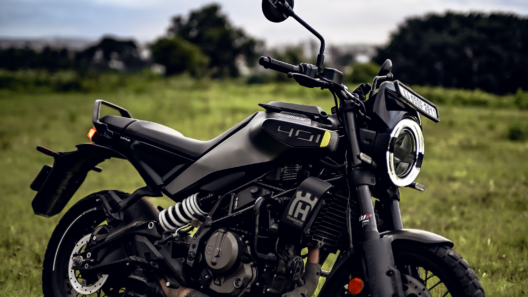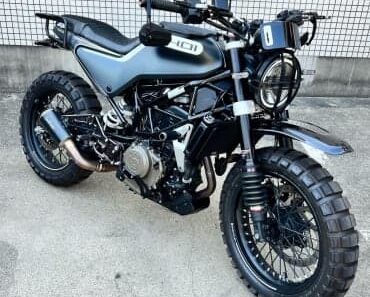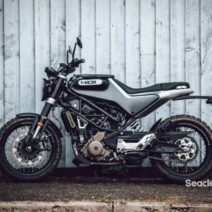
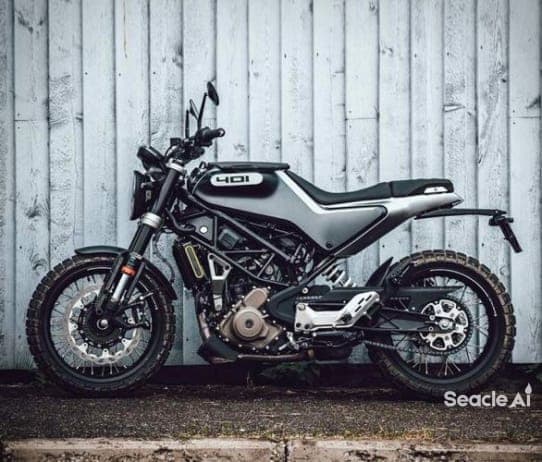

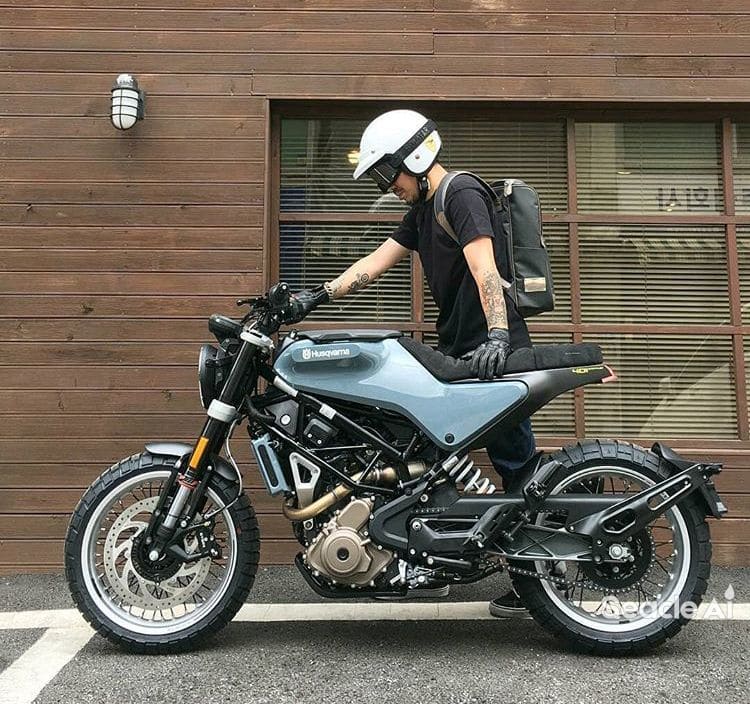
Husqvarna Svartpilen 401 arrives as a compact, urban-focused roadster built on KTM’s 373cc single-cylinder platform and aimed at riders who prioritize agility, modern styling, and light-footed city performance. It isn’t a long-haul tourer or a full-on off-road machine—expect nimble handling in traffic, quick overtakes on broken highways, and a higher-than-average seat that affects how a rider stands and plants their feet.
This article breaks down what the bike is, who it fits, its real limits, confirmed specs, and a clear side-by-side with the KTM 390 Duke so you can decide with context.
What is the Husqvarna Svartpilen 401?
The Svartpilen 401 is a lightweight street bike with minimalist, scrambler-inspired styling and upright ergonomics. It uses the same modular platform as KTM’s middleweights but is tuned and trimmed to feel more urban than track-focused. Think of it as a compact city rifle rather than a touring rifle—it shoots quick, short bursts of usable power and is easiest to place in tight traffic. This matters more than it seems when you navigate congested Indian cities.
Key specifications and confirmed numbers
- Engine: 373.2 cc single-cylinder, liquid-cooled, DOHC (shared KTM platform)
- Power: ~43.5 PS at 9,000 rpm (factory-claimed figures around 2024–2026)
- Torque: ~37 Nm at 7,000 rpm
- Top speed: Approx. 150–165 km/h depending on conditions and gearing
- Mileage / fuel efficiency: Real-world around 22–28 km/l in mixed city/highway use; optimistic highway runs may reach low 30s km/l
- Seat height: 835 mm (high saddle—see ergonomics)
- Transmission: 6-speed gearbox, slipper clutch
- Weight: Kerb around 169–172 kg (varies by market spec)
Confirmed specs above are consistent with KTM-sourced hardware used by Husqvarna through 2025. Minor updates (A2 or region-specific detunes) may appear in 2026 markets.
Real-world ride height & ergonomics (ride height)
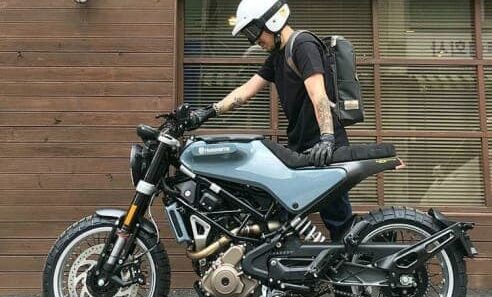
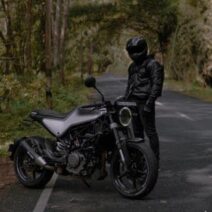
Seat height at 835 mm places the Svartpilen 401 toward the tall side of the market. Practically, a rider around 165 cm can manage it but will not plant both feet flat; 170–175 cm is more comfortable for daily stops. Shorter riders usually notice this first: balance at stoplights feels less secure and low-speed manoeuvres require more clutch and body control. The upright stance reduces wrist strain compared with sport bikes, but the narrow saddle and firm padding become noticeable after 2–3 hours.
Safety, comfort and technology
- ABS (dual-channel) with good bite—tuned for predictable feel rather than aggressive intervention.
- Slip-and-assist clutch makes traffic work easier and reduces left-wrist fatigue.
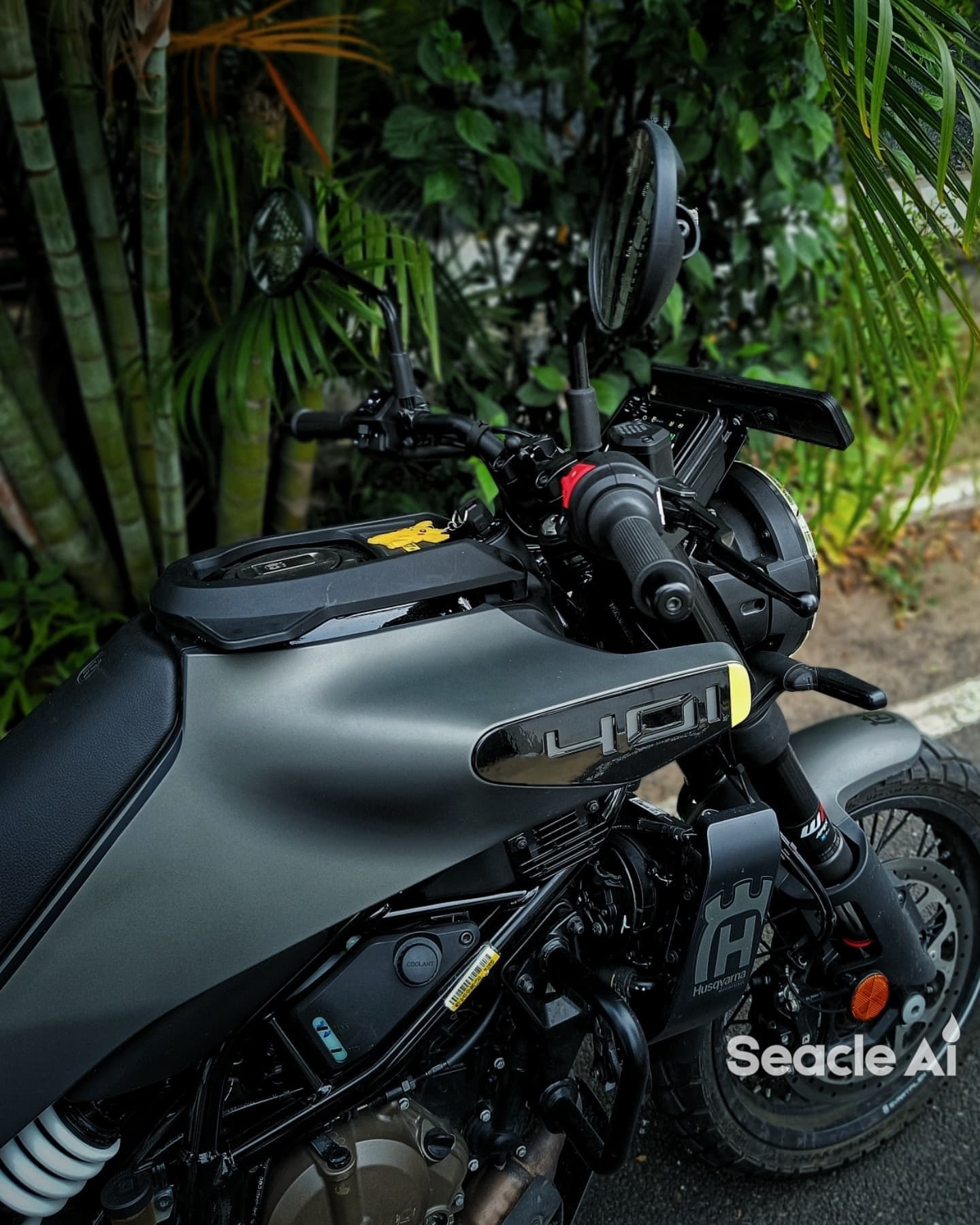
- LED lighting, simple TFT or monochrome display depending on market year 2025/2026.
- Suspension: WP USD fork and rear monoshock tuned for urban responsiveness; firm on potholes—expect more feedback on rough Indian roads.
Experience note: the chassis feels planted in quick lane changes, but the suspension’s firmer setup means repeated broken-road hits cause rider fatigue sooner than a softer commuter. The braking system is confidence-inspiring for its class, but heavy braking from high speeds will reveal the bike’s mass and short wheelbase—two things that demand technique rather than brute force.
Check Price — if you want to compare offers in your city, it’s worth visiting dealers since accessory and service packages vary widely.
Limitations and who should avoid it
The Svartpilen 401 is not designed for heavy off-roading, long-distance highway blasting with pillion and luggage, or for riders who need a supremely plush seat for all-day touring. Its suspension and seat trade long-distance comfort for nimble handling; on a 300 km day your lower back and wrists will tell you that. Maintenance costs are moderate but higher than basic commuter bikes—service intervals are typical KTM/Husqvarna (yearly or every 10,000 km), and consumables (tyres, brake pads) wear faster if you ride aggressively.
Who should avoid it: touring riders who carry luggage often, tall riders who prefer plush touring seats, and those expecting off-road capability beyond light dirt tracks.
Svartpilen 401 vs KTM 390 Duke — Direct comparison (KTM 390 Duke)
| Item | Husqvarna Svartpilen 401 | KTM 390 Duke |
|---|---|---|
| Engine & overall performance | 373.2 cc single-cylinder, tuned for tractable midrange; more relaxed throttle mapping for city rides. | Same platform but sharper throttle and slightly more aggressive ECU mapping; feels quicker to rev. |
| Torque, top speed, mileage | ~37 Nm, top ~150–165 km/h, 22–28 km/l mixed real-world | ~37 Nm, top ~160–170 km/h, slightly better highway efficiency if ridden steady (25–30 km/l) |
| Key features | Upright ergonomics, minimalist styling, slipper clutch | Sporty ergonomics, sharper chassis setup, cornering ABS (in later models) |
| Price range (India, 2025–2026) | Approx. ₹2.75–3.25 lakh (ex-showroom) depending on model year and accessories | Approx. ₹2.5–3.0 lakh (ex-showroom); often marginally cheaper or similar depending on discounts |
| Which user should choose which | City-first rider who values style and upright seating; occasional highway use. | Rider who wants sharper handling, sportier feel and better track potential. |
| Tank capacity | ~9–13 litres (market-dependent; usually ~9 L usable) | 13–14 litres (gives longer range at highway speeds) |
| Braking & safety | Good dual-channel ABS, strong front caliper; shorter wheelbase affects stability under heavy braking. | Similar hardware, sometimes with cornering ABS and more aggressive ABS tuning in recent updates. |
Nuanced note: the Duke often feels marginally sharper on the throttle and in turn-in, while the Svartpilen trades a fraction of that for comfort and urban composure. For real-world commuters who occasionally hit canyon roads, the Duke rewards aggressive inputs; for daily urban commuters who dislike wrist strain, the Svartpilen wins.
Alternatives and buying advice
If you want similar engine character but more touring comfort, look for bikes with lower seat height and longer wheelbase. If you prioritize sport and lap times, the KTM 390 Duke or even used higher-spec sport bikes are better. For Indian buyers: test-ride in traffic you actually ride in—dealers often demo on smooth roads that hide true behavior on potholed routes.
FAQs
What is the minimum height to ride Husqvarna Svartpilen 401?
Practical minimum is about 165 cm to manage at stops; 170 cm+ is comfortable for daily riding. Shorter riders will need to compensate with tip-toe balance or aftermarket lower seats.
How does fuel efficiency compare between Svartpilen and KTM 390 Duke (fuel efficiency)?
Both use the same 373cc platform; highway economy favours the Duke slightly due to gearing and mapping. In city riding they are similar—expect mid-20s km/l in real conditions.
Is the Svartpilen 401 good for long highway touring?
Not ideal. The seat and suspension create fatigue over long distances; tank range is modest and luggage options are limited without accessories.
Does the Svartpilen 401 have advanced ABS or rider modes?
It comes with dual-channel ABS and basic ride aids; cornering ABS and multiple ride modes are more common on higher-end or updated platform variants, so check the specific model year and market spec.
Conclusion
The Svartpilen 401 is a clear choice if you want a compact, stylish, city-focused bike that handles traffic confidently and rewards tight, technical riding. Its strengths are agility, modern minimalism, and usable midrange power. The main drawbacks are high seat height, firm suspension that amplifies road harshness over long runs, and limited tank range for long-distance touring. If you plan to spend most time in urban traffic and want a distinctive look with credible performance, it fits. If your priorities are long-distance comfort, heavy pillion + luggage, or off-road capability, look elsewhere—often the KTM 390 Duke or other platform variants will better match those needs.
View Product or check local inventory to compare colours, accessories, and service packages before you buy — small dealer offers and fitted accessories often change the ownership equation significantly.
—KEYWORD METADATA—
URL slug: husqvarna-svartpilen-401-review-specs-comparison
Meta title: Husqvarna Svartpilen 401 Review — Specs, Real-World Limits & KTM 390 Duke Comparison
Meta description: Husqvarna Svartpilen 401 is a compact urban roadster with a 373cc single and upright ergonomics; here are specs, limits, and a clear KTM 390 Duke comparison.
Image alt text 1: Husqvarna Svartpilen 401 front three-quarter view city
Image alt text 2: Svartpilen 401 cockpit and dashboard close-up