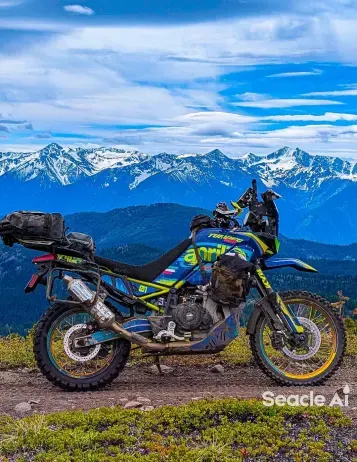
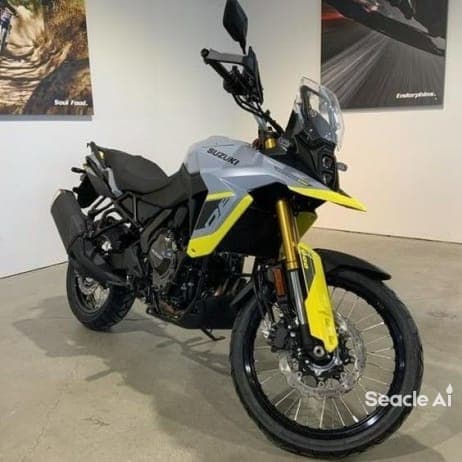

Suzuki V-Strom 800DE arrives as a mid-size adventure motorcycle aimed at riders who want long-range comfort without the engine bulk of a liter-class bike. It’s built to handle mixed-surface touring, daily commuting and light trail work, but it’s not a rock-crawler or a race bike — and that matters when you plan routes or luggage. This article breaks down what the bike really is, who it suits, key specs, real riding impressions and a pointed comparison with the Yamaha Tenere 700.
Overview: what type of vehicle and who it’s for
The V-Strom 800DE is a mid-weight adventure bike with a parallel-twin engine, moderate suspension travel and an upright ergonomics package. Think of it as a versatile touring tool: capable on highways, comfortable on long days, and able to handle gravel and fire tracks — but not designed for serious off-road rock gardens or performance-focused cornering. If you value day-long comfort, reasonable fuel range and a stable chassis for two-up rides, this is targeted at you. If your priority is hardcore enduro, heavy load-hauling for commercial work, or aggressive track performance, look elsewhere.
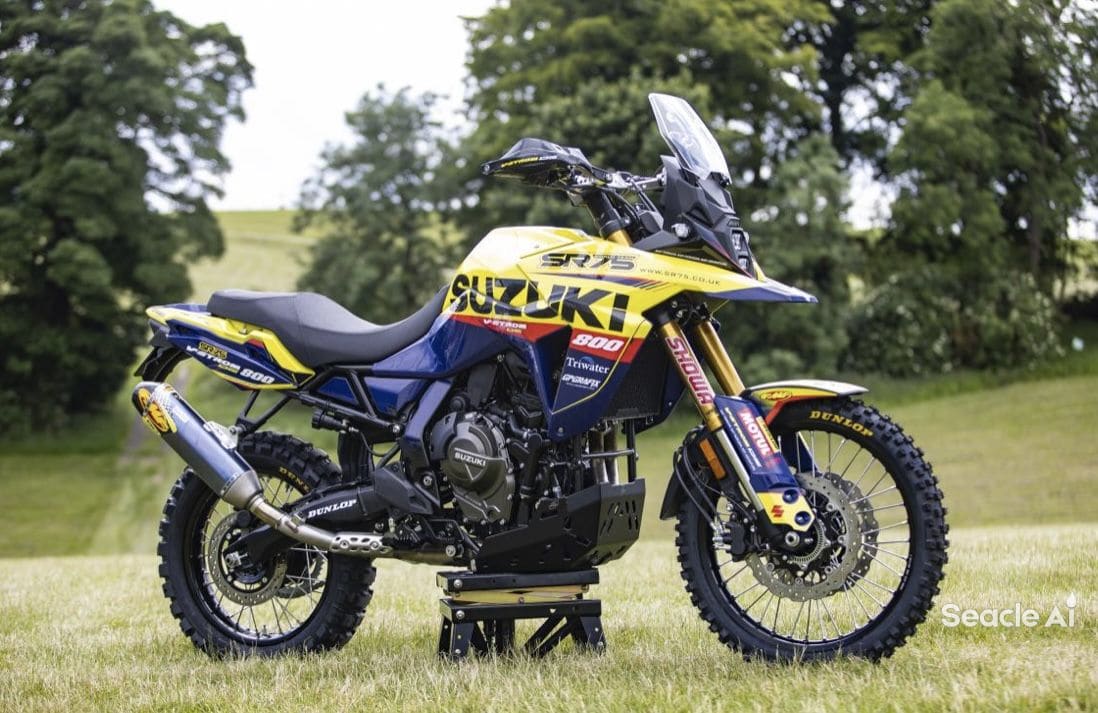
Key specifications (confirmed vs expected)
Below I separate what’s reliably announced from numbers that remain likely based on manufacturer statements and industry reporting.
Confirmed
- Vehicle type: Mid-size adventure motorcycle (on-/light off-road focus)
- Engine layout: Liquid-cooled parallel-twin (modern compact architecture)
- Transmission: 6-speed gearbox with chain final drive
- Chassis: tubular frame with long-travel suspension and spoked wheel options
Expected / Reported (as per 2025–2026 reports)
- Displacement: ~776 cc (reported)
- Power: around 75–82 hp (56–61 kW) — reported range from different markets
- Torque: roughly 75–85 Nm at mid rpm
- Top speed: ~180–200 km/h (dependent on gearing and local restrictions)
- Claimed mileage: 18–23 km/l depending on riding style and load (real-world tends toward the lower end)
- Seat height: around 835–850 mm; lower seat or lowering kits may be available
- Wet weight: expected in the 215–230 kg range (ready-to-ride)
Note: manufacturers sometimes tune final numbers by market. Expect small changes to horsepower or electronics between 2025 and 2026 releases in different regions.
Safety, comfort and technology
- Rider aids: Multi-mode ABS, traction control with selectable levels, and likely cornering ABS in higher trims. These systems give confidence in wet or mixed-traction situations but add cost to replacements after an accident.
- Comfort: Upright bars, a relatively wide saddle and long suspension stroke are aimed to reduce fatigue on long rides — it noticeably eases back strain compared with sportbikes after 3–4 hours in the saddle.
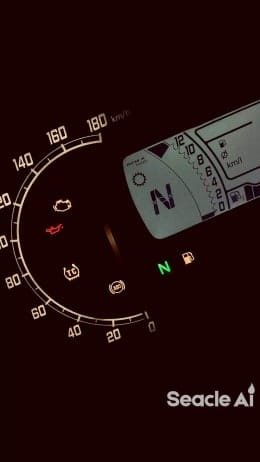
- Technology: Multi-function TFT dash, smartphone connectivity in higher trims, cruise control. The electronics package is practical rather than flashy; expect reliable systems designed for touring rather than track telemetry.
Short observational insight: the wind protection in the stock screen is good for highway speeds, but taller riders or long rides with a pillion will want the taller screen or wind deflectors — otherwise neck fatigue builds after ~200 km on hot days.
Real riding experience and practical notes
On tarmac, the chassis feels composed. The parallel twin gives a broad torque curve, so city traffic and overtakes don’t need constant downshifts. In mixed gravel the bike is stable; the long wheelbase soaks up rutted surfaces. However, the weight shows when you try tight, technical singletrack — picking it up from a tip-over is noticeably harder than a lighter enduro when you’re alone.
- Throttle in traffic: linear and predictable; crawl-speed control is easy, which helps in dense city conditions.
- Two-up touring: The engine pull and suspension tuning cope well with two riders and luggage on rolling roads, but expect more fork dive under hard braking when fully loaded.
- Maintenance: Service intervals are average; long-term ownership costs are reasonable but expect slightly higher tyre and chain replacement costs compared with smaller commuters.
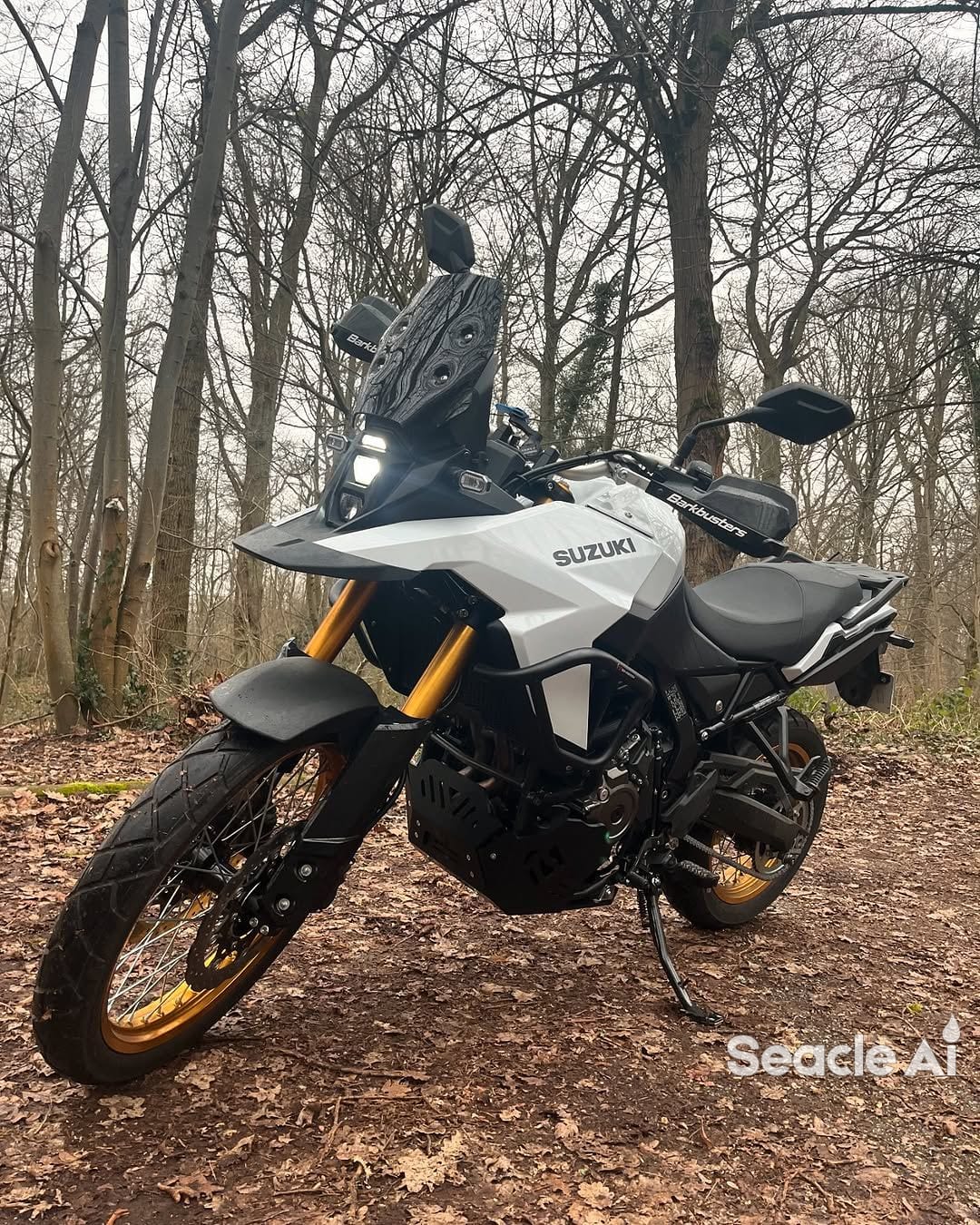
This bike mixes familiar engineering elements like a well-thumbed recipe book — ingredients you trust, combined in a practical way.
Limitations and who should avoid it
Important: the V-Strom 800DE is not ideal for hardcore off-roading or riders who prioritize minimal weight and maximum ground clearance. The bike’s weight and seat height make technical singletrack and steep scramble sections tiring and risky. Also, if you demand the absolute highest peak power for aggressive sport riding, this model won’t match liter-class machines.
Who should avoid it:
- Hardcore enduro riders who ride steep, technical terrain regularly
- Riders seeking track-focused performance or fastest-lap capability
- Shortest riders unwilling to fit a lower seat — tipping it over and remounting will be harder for those under ~160–162 cm without modifications
Suzuki V-Strom 800DE vs Yamaha Tenere 700
| Item | Suzuki V-Strom 800DE | Yamaha Tenere 700 |
|---|---|---|
| Engine & overall performance | Parallel-twin ~776 cc; smoother torque delivery and more midrange for touring | 689 cc parallel-twin (CP2); lighter, very tractable, and punchy in upper midrange |
| Torque / Top Speed / Mileage | Torque ~75–85 Nm; top speed ~180–200 km/h; real-world mileage ~18–22 km/l | Torque ~68 Nm; top speed ~175–190 km/h; mileage ~20–24 km/l depending on load |
| Key features | More electronic rider aids (multi-mode TC, cruise control, likely cornering ABS) | Simpler electronics, known for mechanical robustness and easier field repairs |
| Price range (approx.) | Expected higher than Tenere in many markets due to tech; mid-2025/26 pricing roughly in the same mid-weight adventure bracket (estimate €8,500–11,000 depending on region) | Market price usually slightly lower; strong value in used market and known long-term resale |
| Which user should choose which | Choose Suzuki if you want more touring comfort, electronic aids and midrange power for two-up rides | Choose Tenere if you value simplicity, lighter weight for technical trails and easier DIY maintenance |
| Tank capacity | Expected ~19–22 L (better highway range) | 16 L (official), traded for lighter weight |
| Braking & safety | Multi-mode ABS, larger discs expected on higher trims; good for heavy loads | Standard ABS; simpler layout but effective; fewer electronic layers |
Nuance: Tenere’s lighter feel makes it more fun in tight, technical sections, while the V-Strom’s electronics and midrange make long-day highway stages less tiring. If your rides are 70% paved and you carry luggage often, the V‑Strom will feel more grown-up.
Alternatives and who should pick what
If you primarily ride singletrack and want a nimble machine, look toward lighter enduro-focused models. If you want more highway ability and power, consider larger displacement ADV bikes — but price and weight jump sharply. For Indian conditions: consider local service network, ground clearance for bad roads, and availability of lower seat options.
FAQs
What is the minimum height to ride the Suzuki V-Strom 800DE?
Minimum recommended rider height is roughly 162–165 cm to manage the seat height safely at stops. Taller riders will be comfortable; shorter riders should test a dealer lower seat or practice mounting with luggage — shorter riders usually notice balance and tip-over risk first.
What is the real fuel economy I can expect?
Expect 18–22 km/l in mixed conditions. Heavy luggage, pillion and aggressive throttle will push the number lower; conservative highway cruising with light load is where you’ll see the top of that range.
Is the V-Strom 800DE good for two-up touring?
Yes. The engine’s midrange and suspension make two-up highway miles less tiring, though braking becomes more critical when fully loaded — upgrading pads and checking fork sag is sensible before long trips.
How does maintenance compare to Tenere 700?
Maintenance schedules are similar, but the Tenere’s simpler electronics make field repairs easier. Suzuki’s tech adds convenience but slightly increases repair complexity and potential parts costs down the line.
Conclusion
The Suzuki V-Strom 800DE is a sensible mid-weight adventure bike for riders who prioritize long-day comfort, useful electronics and broad midrange torque. Its downsides are weight for technical off-road work, and slightly higher complexity (and potential service costs) compared with simpler rivals. If you regularly do long paved or gravel tours with luggage and a pillion, it stands out; if your riding is heavily technical, a lighter off-road specialist is a better choice.
This matters more than it seems: pick the bike that matches the majority of your miles, not the occasional dream route.
Buy Now — or visit a dealer to test seat height and handling with your full luggage setup before committing.