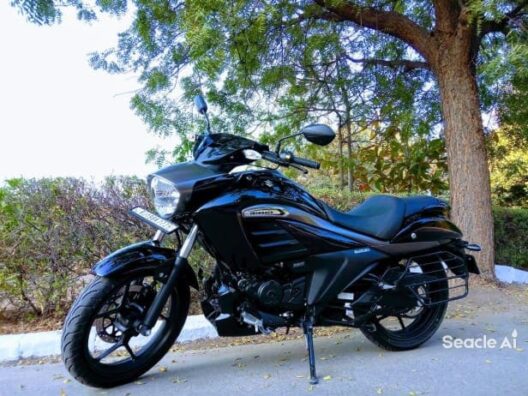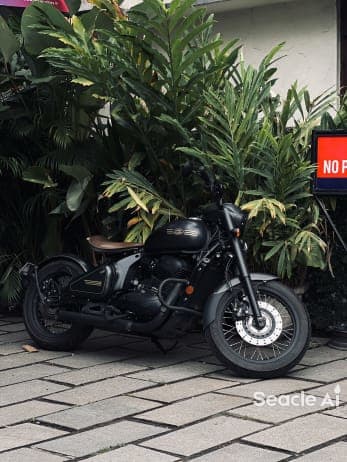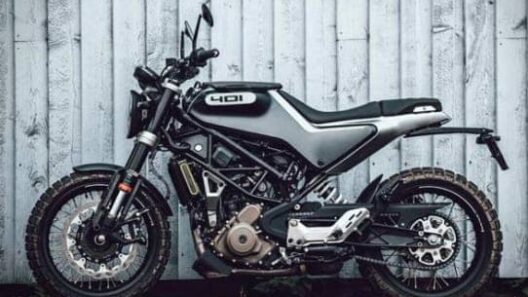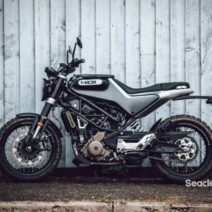
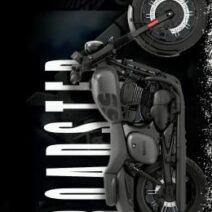

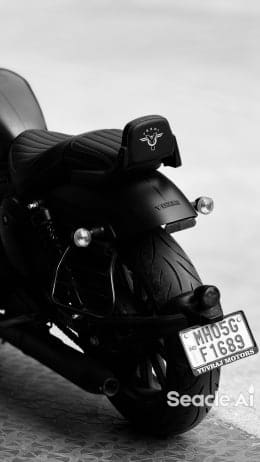

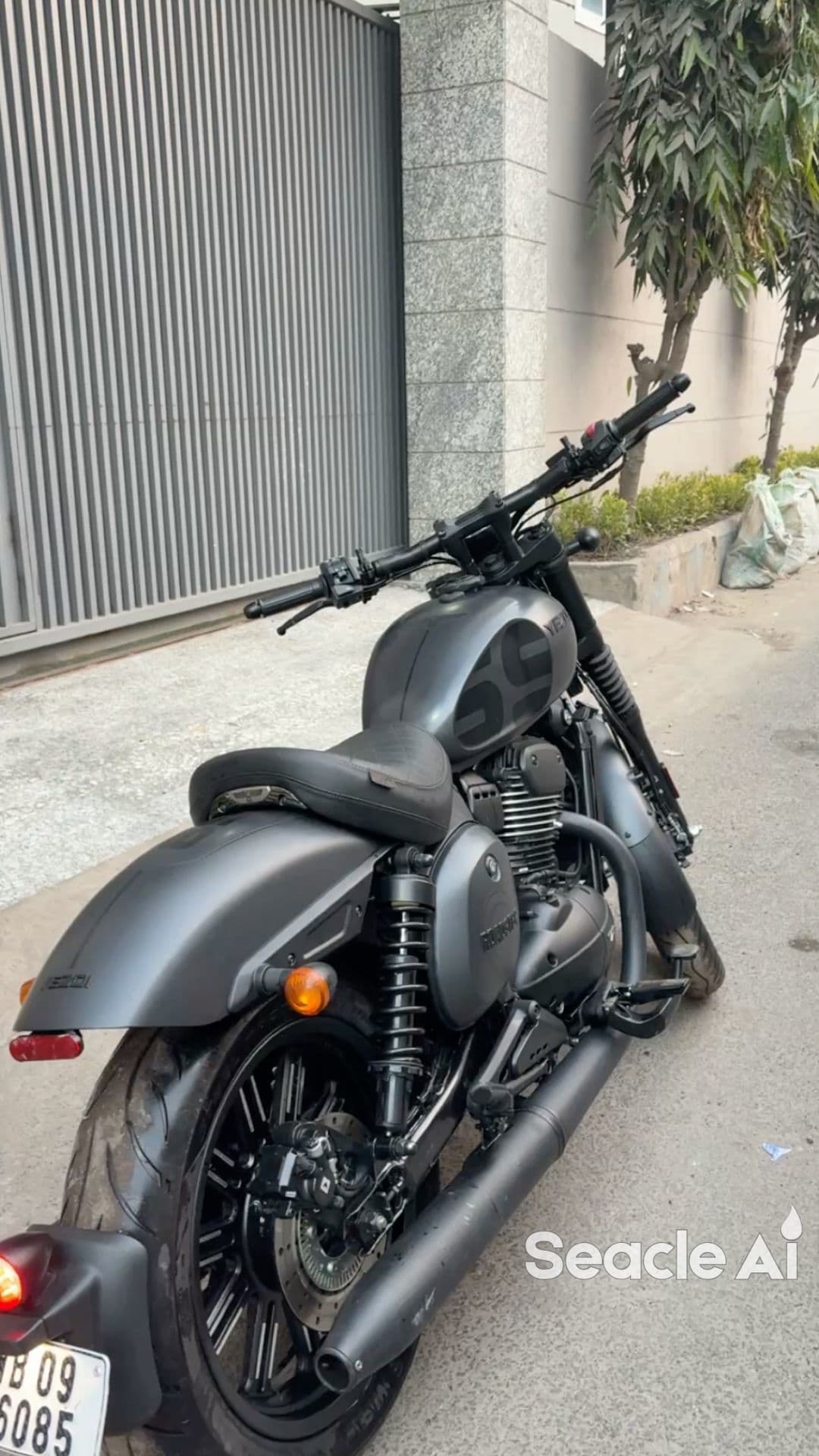
The Yezdi Roadster 250 is a modern-retro roadster aimed at riders who want a blend of classic styling and usable mid-capacity performance. It’s positioned for urban commuters and weekend riders who prefer an upright riding posture, manual gearbox control, and a bike that’s easy to live with on Indian roads. It is important to note up front that this bike is not ideal for long-distance loaded touring—sustained speeds above 100 km/h with luggage will expose both heat and suspension limits.
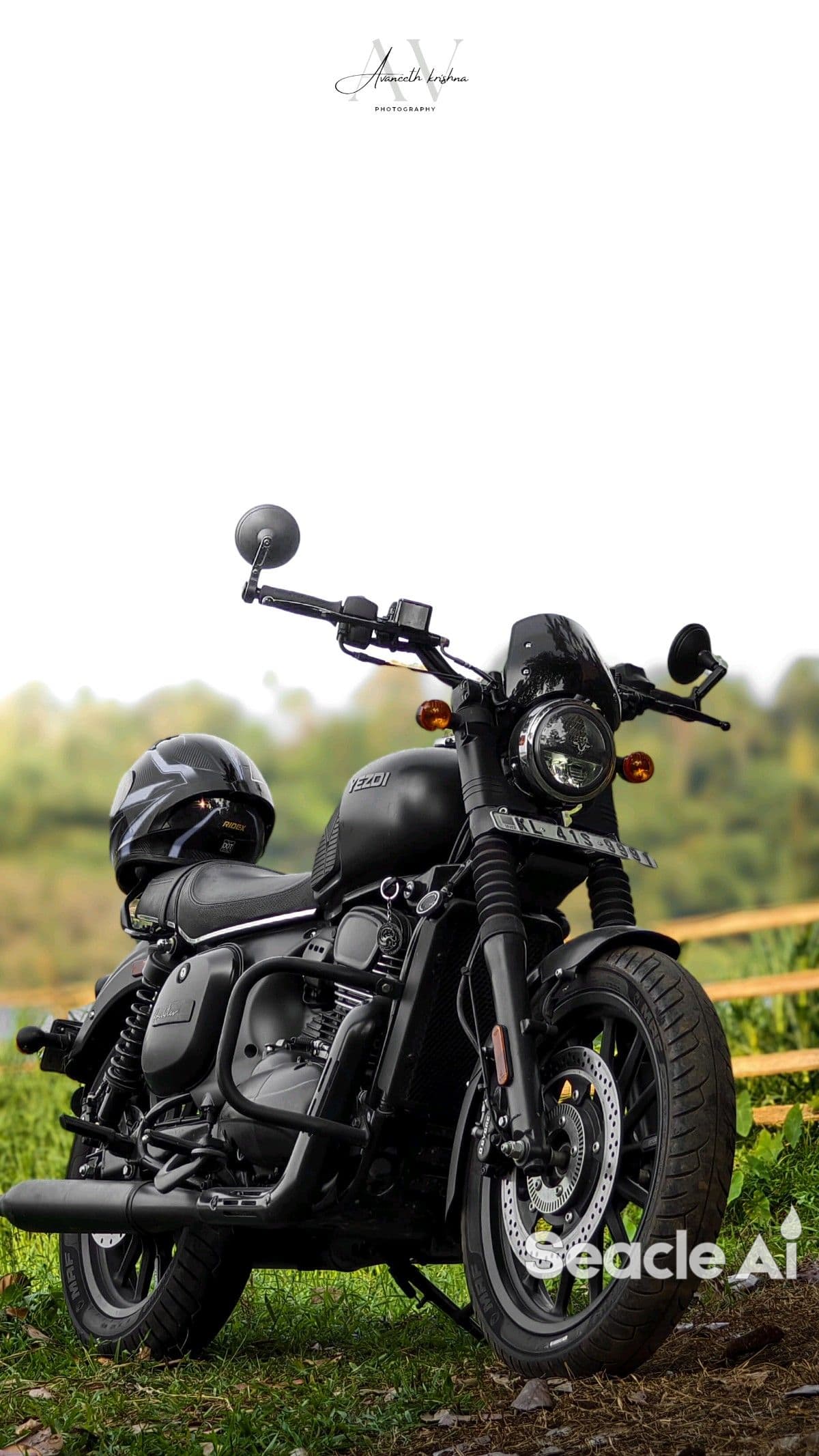
Table of Contents
- What it is and who it’s for
- Key specs — Yezdi 250 specs
- Safety, comfort and technology
- Mileage, range and practical fuel use — roadster mileage
- Real-world impressions
- Yezdi vs Dominar 400
- Drawbacks and when to avoid it
- FAQs
- Conclusion and recommendation
What it is and who it’s for
The Yezdi Roadster 250 is a middleweight roadster with retro styling cues (round headlamp, upright bars, a long single seat profile). Mechanically, it targets riders who want a simple, tunable 250cc platform for city use and short to medium weekend rides. Think of it as a recipe you rediscover in your kitchen—familiar ingredients arranged differently to suit a specific taste.
Who should consider it: commuters under 90 km daily, riders who prioritize style and manageability over outright speed, and those who want a motorcycle that’s easier to maintain than some European imports. Shorter riders usually notice the seat-to-footpeg geometry first; the Roadster’s low-ish seat helps confidence at stops.
Key specs — Yezdi 250 specs
Below are the core confirmed and commonly reported details (some figures are manufacturer-announced while a few are collected from test reports and dealer briefings):
- Engine: Single-cylinder, liquid-cooled, ~250cc (SOHC)
- Power: ~26–28 bhp at ~8,000–8,500 rpm (as per 2025–2026 test figures)
- Torque: Around 22–24 Nm at ~6,000 rpm
- Top speed: 135–150 km/h depending on rider weight and wind
- Transmission: 6-speed gearbox, slipper clutch reported on higher trims
- Seat height: Approximately 770–800 mm (suits most riders with a 165 cm+ height)
- Kerb weight: Roughly 170–180 kg
Confirmed vs rumored: engine layout and 6-speed gearbox are confirmed; exact peak power and torque can vary slightly by model year and ECU tuning — some late-2025 reports suggested small ECU tweaks for emissions compliance that slightly changed throttle response.
Safety, comfort and technology
Key safety and convenience features you’ll actually use:
- ABS (dual-channel on higher trims) — strong initial bite but feels slightly intrusive on low-traction surfaces.
- LED lighting and a clear digital/analogue cluster with Bluetooth calling/notifications on premium variants.
- Telescopic fork and twin shock or mono-shock rear depending on variant; the softer rear balance is tuned for city comfort but can feel wallowy at sustained triple-digit speeds.
Practical result: the Roadster is forgiving over potholes in town but leans into its suspension limits on long, high-speed stretches. You’ll notice rider fatigue builds more from vibration and heat around 2–3 hours of continuous riding than from seat discomfort alone.
Mileage, range and practical fuel use — roadster mileage
Expected real-world figures: 25–30 km/l in mixed city/highway use depending on riding style. With a tank around 12–14 litres, realistic range is 300–350 km under comfortable riding — in stop-start city conditions expect the lower end.
Observation: the fuel map favors mid-range torque over economy, so heavy traffic and aggressive throttle will push the mileage below 25 km/l. For riders who need 400+ km between fill-ups, this is not the bike to choose.
Real-world impressions
Two experience-derived observations:
- Throttle response in traffic is linear but needs a little clutch work at low speeds; beginners will find it forgiving but slightly buzzy at low rpm in heavy traffic.
- On twisty backroads the bike feels nimble for its weight, but long sweepers expose the limited high-speed composure — the front end can feel light above 120 km/h compared to bigger-displacement sport-tourers.
This is where things get tricky: the Roadster behaves like a tidy urban meal—satisfying and efficient for many rides, but not the feast you’d bring to a long highway banquet.
Check Price — dealer offers and financing deals vary across India; compare local inventory.
Yezdi vs Dominar 400
Direct comparison with the Bajaj Dominar 400 across key ownership factors:
| Category | Yezdi Roadster 250 | Bajaj Dominar 400 |
|---|---|---|
| Engine & performance | ~250cc single, ~26–28 bhp — lively low/mid torque for city use | ~373cc single, ~40 bhp — stronger acceleration and overtaking ability |
| Torque / Top speed / Mileage | ~22–24 Nm / 135–150 km/h / 25–30 km/l | ~35 Nm / ~160–170 km/h / 20–25 km/l |
| Key features | Retro styling, lighter weight, easier low-speed handling | More power, better high-speed stability, larger tank on some years |
| Price range (2025–26) | Estimated ₹1.8–2.2 lakh (ex-showroom, depending on variant) | ₹2.1–2.4 lakh (ex-showroom) — pricing can vary with updates |
| Which user | City-first riders, style-conscious buyers, lighter touring | Longer-distance riders needing higher speed cruising and overtakes |
| Tank capacity | ~12–14 L | ~13–15 L |
| Braking & safety | Disc front/rear; single or dual-channel ABS depending on trim | Disc front/rear with dual-channel ABS as standard; stronger brakes tactically |
Nuanced take: the Dominar beats the Roadster on sustained highway comfort, braking power, and outright performance. The Roadster wins on urban agility, lower running fuss, and character. If your daily includes long highway stretches or you frequently carry a pillion plus luggage, Dominar is the practical pick.
Drawbacks and when to avoid it
Concrete limitations:
- Not ideal for long highway touring with heavy luggage — engine heat and suspension are limiting factors on multi-day runs.
- Average mileage in heavy city traffic can drop below 25 km/l, raising operating costs for high-mileage commuters.
- Maintenance: while simpler than premium imports, parts and labor for a niche brand can be slightly costlier in non-metro service centres.
Who should avoid it: regular long-distance tourers, riders wanting the fastest acceleration in the 250–400cc bracket, and buyers who need maximum resale versatility in smaller towns.
FAQs
What is the minimum height to ride Yezdi Roadster 250?
Seat height is around 770–800 mm; a rider of about 160–165 cm can manage it comfortably with both feet touching ground at stops. Shorter riders may want to test the bike in person.
How does the roadster mileage compare in city vs highway?
Expect 25–30 km/l combined; steady highway cruising at 80–100 km/h will push you toward 30 km/l, while stop-and-go urban use typically falls toward the low-20s.
Are ABS and modern tech standard on the Yezdi Roadster 250?
ABS availability depends on the trim. Higher trims offer dual-channel ABS and Bluetooth instrument clusters; base models may have single-channel ABS. Check the specific variant at your dealer.
Yezdi vs Dominar — which is better for weekend touring?
For weekend touring with sustained highway sections and luggage, Dominar’s power and stability make it the stronger choice. For short weekend rides and scenic city-to-hill runs, the Roadster’s agility and style may be more enjoyable.
Conclusion and recommendation
The Yezdi Roadster 250 is convincing as a city-first, style-forward midweight with manageable power and pleasant ergonomics. Strengths are everyday usability, characterful engine feel, and accessible handling. Weaknesses are its limited high-speed composure, shorter range for heavy touring, and slightly higher maintenance sensitivity in smaller towns.
If you commute under 90 km daily, ride mostly in urban or nearby weekend routes, and value looks plus easy maintenance, this bike fits. If you regularly ride long highways, carry heavy luggage, or prioritize top-end performance, consider the Dominar 400 or a higher-displacement alternative.
Compare Options — check local dealers for test rides and current offers before deciding.