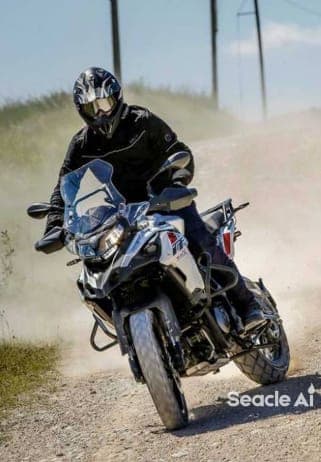

Not every adventure bike needs to be extreme; some need to be usable every day. The Benelli TRK 502X appears to strike that balance, offering a mid-size adventure platform with approachable power, decent touring capability, and a price that often undercuts larger competitors. In the next few minutes you will get a clear picture of what this machine is, who benefits most from it, and one key situation where it is not the right choice.
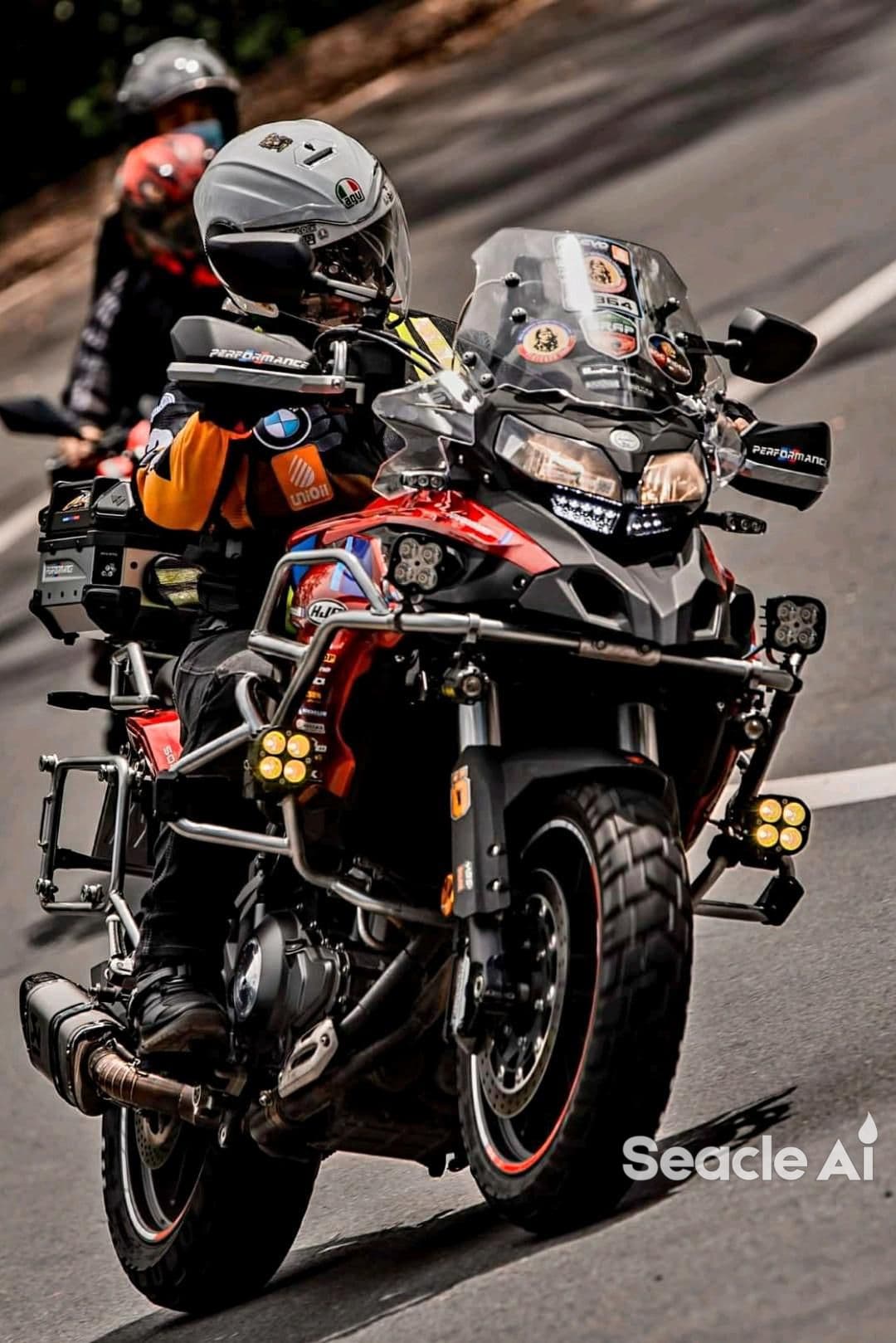
Table of Contents
- What is the Benelli TRK 502X
- Quick specs at a glance
- Confirmed specifications
- Expected or rumored details
- Who is it for and who should avoid it
- Safety, comfort, and technology
- Real-world observations and limitations
- Comparison with Suzuki V-Strom 650XT
- Frequently Asked Questions
- Conclusion
What is the Benelli TRK 502X
The Benelli TRK 502X is a middleweight adventure-touring motorcycle designed to be a do-it-all machine for riders who want adventure styling, practical touring range, and tractable everyday performance without the complexity or cost of larger displacement machines. It is not a hardcore off-road machine. If you need rock-crawling or extreme dirt capability, this is not the bike for those tasks.
This part is not as good as it sounds.
Quick specs at a glance
- Engine: Parallel-twin, liquid-cooled
- Displacement: around 500 cc class
- Power: roughly mid-40 bhp to low-50 bhp range
- Torque: mid-40 Nm area depending on tune
- Transmission: 6-speed
- Top speed: typically limited to around 170-180 km/h in real conditions
- Fuel capacity: near 20 liters on many trims
- Minimum recommended rider height: around 170 cm (see details below)
Confirmed specifications
Below are the details that are confirmed for production TRK 502X models available through 2025 releases and dealer spec sheets.
- Engine type: 499.6 cc, liquid-cooled, 4-stroke, parallel-twin.
- Power: 47.6 hp (about 35.5 kW) at 8,500 rpm (confirmed on several official documents).
- Torque: 46 Nm at 6,000 rpm (measured at crank on official spec sheets).
- Transmission: 6-speed manual gearbox with wet multi-plate clutch.
- Top speed: In real-world testing, expect 160-175 km/h depending on load and conditions.
- Fuel economy: Around 18-20 km/l in mixed riding conditions; urban riding drops this figure.
- Seat height: 840 mm (standard), which translates to a recommended minimum rider height of about 170 cm for confident footing.
- Kerb weight: Approximately 235-245 kg depending on optional extras and model year equipment.
- Brakes: Dual front discs with 4-piston calipers and single rear disc; ABS is standard.
Most people don’t notice this at first.
What the numbers mean in practice
The engine produces enough low-end torque to handle two-up riding in town and moderate grades on highways. Acceleration is friendly rather than aggressive. The gearbox is predictable and the broad torque curve means you rarely have to hunt for the right ratio.
Expected or rumored details
As of 2025-2026 reports and manufacturer hints, a few incremental updates are expected for some markets. Use these terms with caution — they are not final.
- Expected: Slight ECU tune adjustments to improve low-end torque and throttle mapping for 2026 models.
- Likely: Optional accessory packs including larger windscreen, aluminum luggage, and revised crash protection for certain markets.
- Rumored: A light-weight variation with minor suspension upgrades aimed at export markets.
This is where expectations and reality differ. Until a formal press release confirms specifics, treat these as probable but not guaranteed.
Who is it for and who should avoid it
The TRK 502X is aimed at riders who want an accessible adventure bike that is comfortable for daily commuting, capable of weekend touring, and light off-road trails. It makes sense when you want a bike that is easy to live with yet has the look and presence of a larger adventure tourer.
This is not ideal for everyone.
Who should consider it:
- Urban and suburban riders who want occasional touring capability.
- Newer riders upgrading from 300-400 cc bikes who want more torque without intimidating power.
- Budget-conscious tourers who value ownership costs and simplicity.
Who this is NOT for:
- Riders seeking serious off-road performance or long-distance rallies; the TRK 502X’s suspension travel and frame geometry are not optimized for that.
- People who need high-speed long-distance touring at sustained 140+ km/h with large loads; the engine and aerodynamics will feel strained over long runs at those speeds.
- Those wanting peak sportbike performance or ultra-high horsepower; the TRK is not built for track days.
Some people think bigger displacement solves everything, but in practice the TRK’s balance of weight and torque is easier to manage in town.
Safety, comfort, and technology
In real use the bike’s safety package and practical features are where it often wins buyers over.
Safety
- ABS: Bosch or equivalent two-channel ABS is standard in most markets, with predictable intervention.
- Brakes: Dual front discs with four-piston calipers give solid initial bite; however, feel can be a touch choppy at very low speeds.
- Lights: LED headlight and taillight on recent models; illumination is adequate for motorway speeds but not exceptional for rural night riding.
Comfort
- Seat is broad and supportive for medium-distance touring, though long days over 6 hours may lead to pressure points for some riders.
- Wind protection varies by screen; taller screens reduce fatigue on highways.
- Suspension is tuned for mixed road use – it soaks urban bumps well but compresses sooner under hard dual-sport loads.
Technology
- Basic instrument cluster with trip, fuel range, and gear indicator on newer models; some markets get color TFT displays as options.
- Ride-by-wire is not standard across all versions, so throttle feel is mechanical on many trims.
- Accessory connectivity such as USB ports is offered on higher trims or accessory kits.
This matters more than it seems.
Real-world observations and limitations
After spending time with TRK 502X owners and test rides, a few patterns emerge that only show up with regular use.
- Fuel economy and range: Expect 18 km/l on a mixed commute and touring split. With a 20 liter tank you get a practical range of 320-360 km between fill-ups under normal riding. Under heavy urban stop-start, range drops and you will stop sooner than you might want.
- Suspension trade-offs: The suspension favors comfort. If you frequently ride with heavy luggage or a passenger, the rear springs can feel under-damped. Upgrading springs or revalving helps, but that adds cost.
- Maintenance: Maintenance items are generally affordable, but labor costs vary by region and parts for Benelli can be pricier in markets where dealerships are sparse. This is expensive to maintain, no way around it.
- Ergonomics: Taller riders appreciate the geometry; shorter riders may struggle at stops even though lower seat options exist. Minimum height to ride the TRK 502X comfortably is about 170 cm due to the 840 mm seat.
This is where things get tricky.
Condition-based observation: Under sustained highway runs with a pillion and luggage, you will notice the front end feel lighter and require more steady inputs to maintain a precise line. Over months, riders who do frequent two-up touring often invest in luggage racks and suspension tuning.
Comparison with Suzuki V-Strom 650XT
Below is a focused comparison on the most relevant points. I keep it practical and short so you can decide which bike fits your usage.
| Item | Benelli TRK 502X | Suzuki V-Strom 650XT |
|---|---|---|
| Engine & overall performance | Parallel-twin ~500 cc, tuned for low-mid torque, easy throttle; designed for comfortable everyday use. | V-twin 645 cc, stronger midrange punch and smoother high-speed cruising; more refined at higher speeds. |
| Torque, top speed, mileage | Torque ~46 Nm, top speed ~170 km/h, mileage ~18-20 km/l | Torque ~62 Nm, top speed ~190 km/h, mileage ~20-23 km/l |
| Key features | Standard ABS, LED lighting, practical luggage options; simpler electronics. | Advanced traction control, optional ABS modes, larger accessory ecosystem, better wind protection stock. |
| Price range | Generally lower sticker price; competitive for budget-conscious buyers. | Higher MSRP but stronger resale and wider dealer support in many markets. |
| Which user should choose | Buyer who wants adventure look, easy daily ride, and lower initial cost. | Rider wanting stronger highway performance, long-distance capability, and better dealer support. |
| Tank capacity | ~20 liters | ~20 liters (V-Strom often around 20-22 liters depending on market) |
| Braking systems and safety | Dual discs front, single rear, two-channel ABS standard; basic ABS mapping. | Dual discs front, single rear, multi-mode ABS and traction control in many trims; more mature safety electronics. |
Some people think TRK beats V-Strom on value, but in practice the V-Strom’s torque and electronics give it an edge for long highway tours.
Which to choose
If you want a more affordable, approachable adventure bike for mixed commuting and light touring, the TRK 502X makes sense. This may not work if you take long interstate trips loaded with luggage every weekend; the Suzuki will handle sustained high-speed cruising with less fatigue and fewer upgrades.
Frequently Asked Questions
What is the minimum height to ride Benelli TRK 502X?
The seat height on standard TRK 502X models is about 840 mm, which implies a practical minimum rider height of around 170 cm for confident footing. Shorter riders will want to test the bike in person or consider modifications like a lower seat or shortened suspension.
How fuel efficient is the TRK 502X in real life?
Expect roughly 18-20 km/l in mixed riding. In heavy city traffic the figure will fall to the mid-teens. Long steady highway runs at moderate speeds tend to be the most fuel efficient.
Can the TRK 502X handle real off-road trails?
It can manage gravel roads and easy single-track, but heavy off-road use is not its strength. Suspension travel and tires are aimed at roads and light trails, not aggressive dirt riding.
Are spare parts and service expensive?
Parts are generally reasonable where Benelli has dealer presence. In markets with fewer dealers expect higher parts and labor costs. Regular maintenance is straightforward but factor in travel to dealer if one is far away.
Conclusion
Here’s the practical takeaway: the Benelli TRK 502X is a sensible, mid-weight adventure bike that favors usability over extremes. It is a tidy package for riders who commute, do weekend tours, and want an adventure style without the cost and mass of larger machines. It feels light enough to handle city traffic yet competent on highways for short to medium-distance touring.
Strengths: approachable power delivery, friendly ergonomics, competitive price, and useful standard safety equipment. Drawbacks: not a hardcore off-roader, suspension and brakes can show limits under heavy loads, and long high-speed touring will highlight the bike’s top-end and wind protection shortcomings. For most people, the maintenance and parts availability is reasonable; for some markets, this will feel like a downside.
If you want a low-cost entry into adventure riding that is easy to live with, the TRK 502X makes sense. This is not comfortable for extreme off-road or for riders who need long, fast highway stints fully loaded every weekend. Decide on your priorities: if you want low upfront cost and easy city/touring versatility, the TRK is worth a look. If you want sustained high-speed performance or serious off-road capability, look elsewhere.
Final thought: The TRK 502X is a practical choice when your rides are mixed and your budget is careful. It is not perfect, but it does enough of the right things to be useful for a lot of riders. Think of it like the echo of a larger adventure bike that keeps its footprint manageable and its operation uncomplicated — something that grows on you with time rather than dazzling you out of the gate.