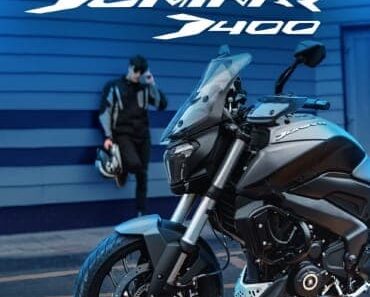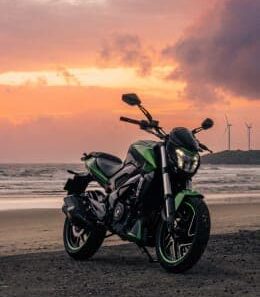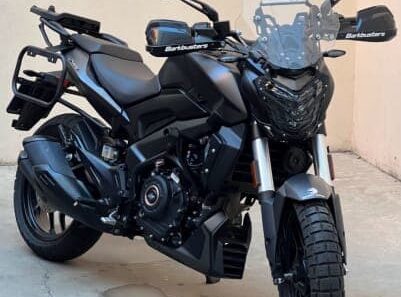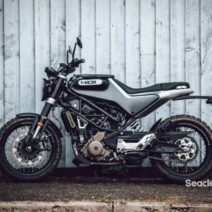


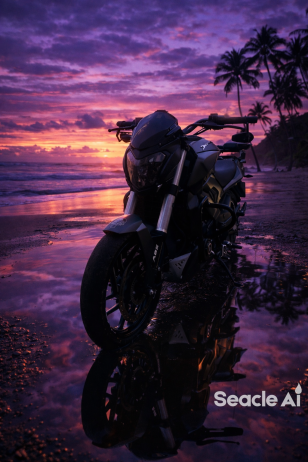

Quick read: If you want a heavy, highway-capable single that favors stability over flickability, this is worth a look. The Bajaj Dominar 400 appears in the paragraph above because this article gets straight to what matters: what the bike is, who it is for, real-world behaviour, and where it does not fit.
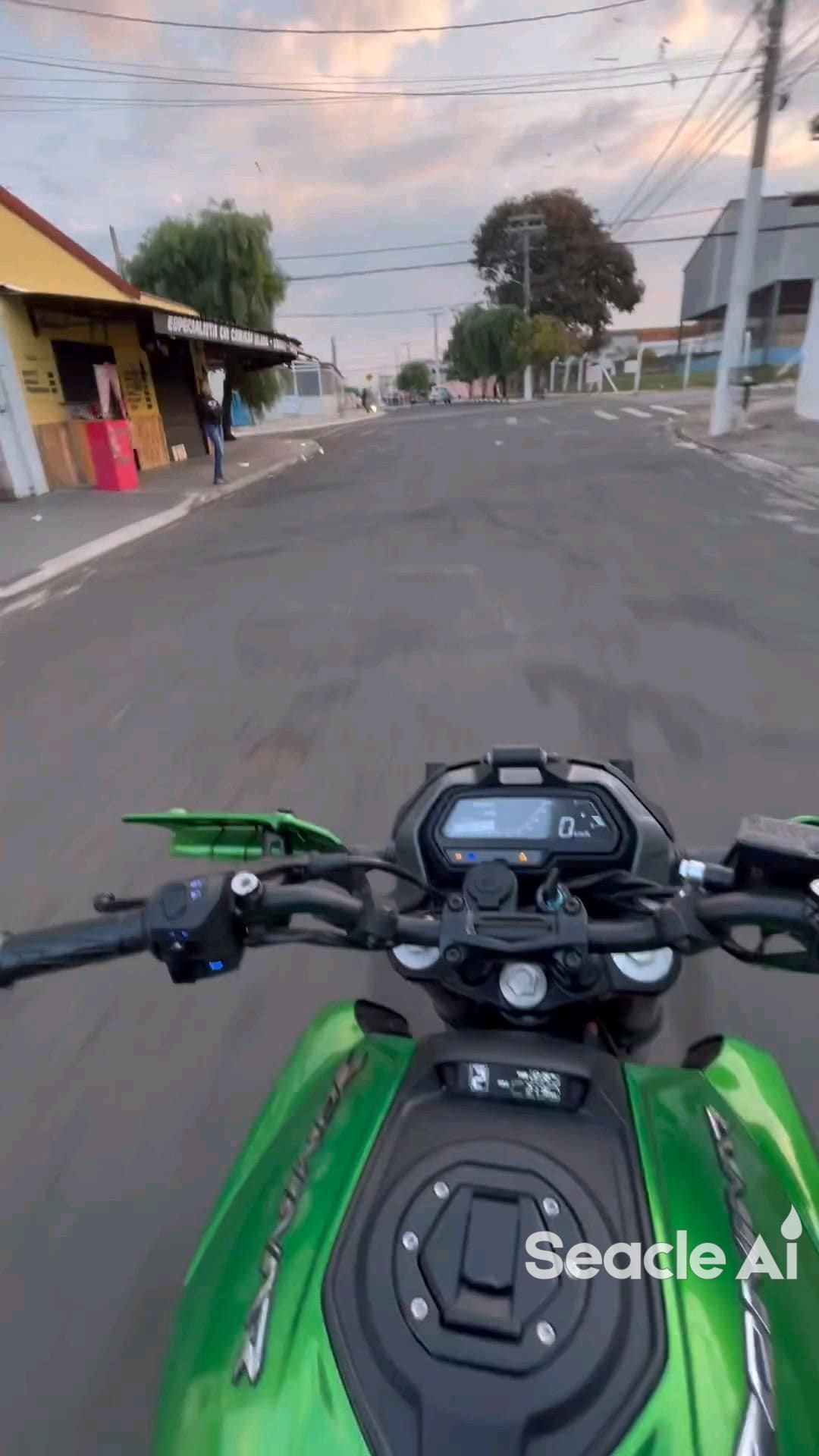
Table of Contents
- Bajaj Dominar 400: What type of vehicle is it and who is it for
- Key confirmed specifications
- Expected or rumored updates (2025-2026)
- Practical use: safety, comfort and technology
- Minimum height to ride Bajaj Dominar 400
- Real-world limitations and maintenance
- Bajaj Dominar 400 vs KTM 390 Duke
- Frequently Asked Questions
- Conclusion: who should buy the Bajaj Dominar 400
Bajaj Dominar 400: What type of vehicle is it and who is it for
The Bajaj Dominar 400 is a mid-capacity sport-touring motorcycle built around a single-cylinder, liquid-cooled engine and a chassis tuned for stability at speed. It sits between commuter bikes and full-on sportbikes. Think of it as a sensible, heavy-feeling machine meant for longish days on the road and for riders who prefer relaxed stability over twitchy handling.
In practical terms, this bike is for:
- Riders who mostly commute but want capable highway performance.
- Weekend tourers who value a stable ride and a comfortable seating position.
- Those who want modern electronics without paying premium superbike prices.
This is where things get tricky. The Dominar 400 is not ideal for aggressive track days or technical off-road trails. For most riders, that limitation is obvious once you ride it hard.
Key confirmed specifications
Below are the confirmed specifications you can rely on for recent Dominar 400 models. Where exact numbers vary slightly by model year or market, I mark them as ranges and discuss what they mean in daily use.
- Engine: Single-cylinder, liquid-cooled, DOHC, fuel-injected. Displacement around 373 cc.
- Power: Approximately 38–41 PS (manufacturers often round differently across model years and markets).
- Torque: Approximately 35–36 Nm at mid revs.
- Transmission: 6-speed gearbox with slipper clutch on select variants.
- Top speed: Around 150–165 km/h in real-world conditions, depending on wind, rider weight and gearing.
- Mileage: In city use expect mid-20s to low-30s km/l; on steady highways you can see 30–35 km/l depending on riding style and gearing.
- Seat height: Around 800 mm (see the dedicated minimum-height section below).
- Kerb weight: Typically in the 180–190 kg range, which helps stability but hurts low-speed maneuvering.
Most people don’t notice this at first. The weight makes the bike feel planted on the highway, but in traffic it is less forgiving.
What these numbers mean on the road
That 38–41 PS band gives the Dominar enough poke to cruise at 100–120 km/h without feeling strained. You can overtake with confidence, and the engine does not scream to get there. In contrast, if you prefer peak acceleration and top speed, the marginally higher output rivals do feel quicker.
After riding one for a few weeks in mixed city and highway use, you will notice that the midrange torque is where the bike shines. Short bursts are easy, and it is not necessary to constantly downshift to make progress on a highway slipstream.
Expected or rumored updates (2025-2026)
As of 2025 there have been reports and supplier listings suggesting incremental updates, mostly around electronics and emissions. These are expected or rumored items and should be treated as provisional:
- Minor ECU tuning changes to meet tighter emission norms in some markets — likely to change torque curve slightly.
- Possible addition of a refined instrument cluster with over-the-air style connectivity features on higher trims.
- Improved suspension valving on certain model years to address owner feedback about firmness on poor roads.
These updates make sense when the manufacturer wants to keep the bike competitive, but specifications may change at launch. That is common practice. It sounds good on paper, but until the company confirms it, treat these as expected not final.
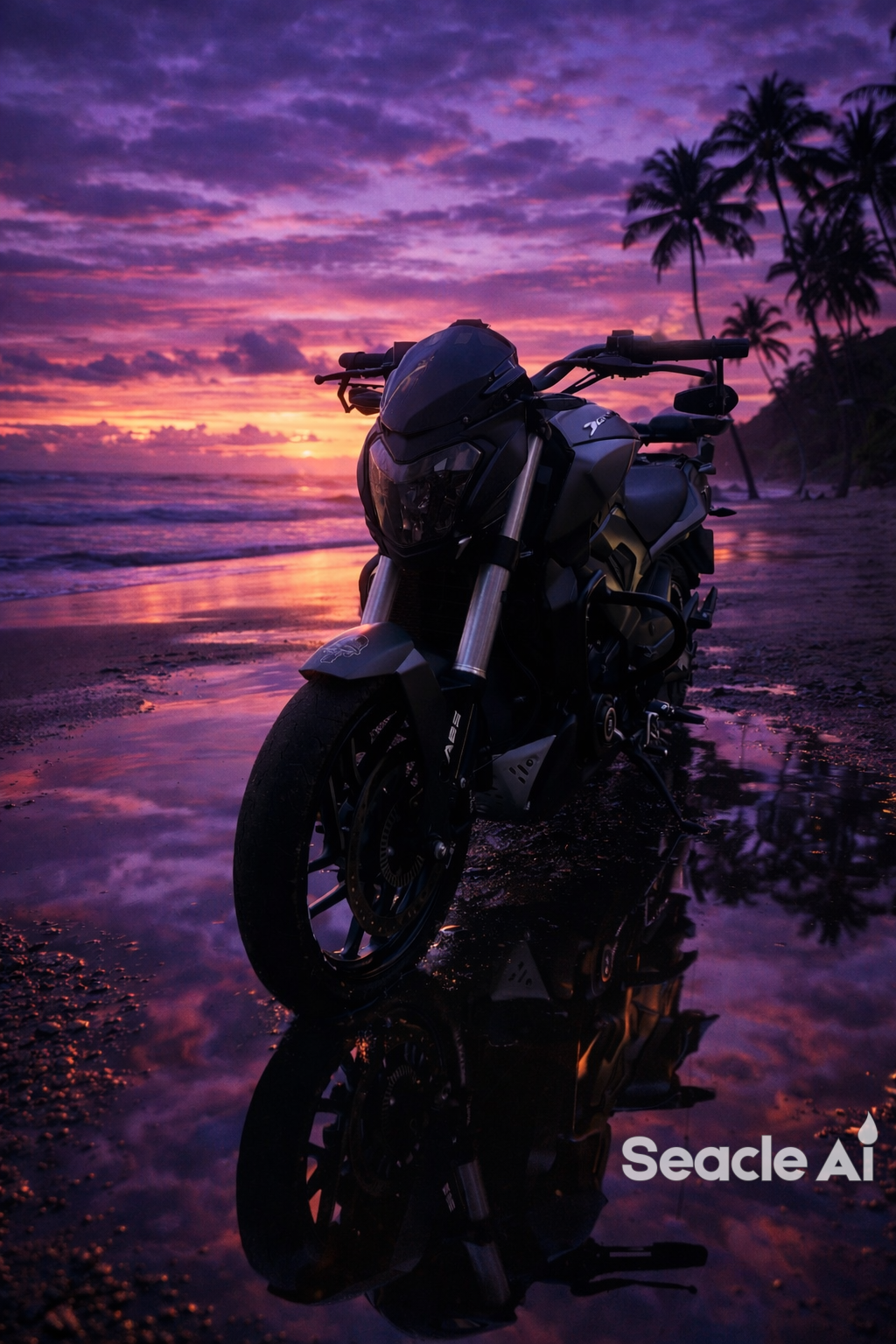
Practical use: safety, comfort and technology
In everyday terms the Dominar takes a no-nonsense approach. It prioritizes a stable chassis and usable power over flashy extras. Here are the features that matter to most buyers, with plain explanations of how they affect riding life:
- Brakes and ABS: Dual-channel ABS is standard on most recent models. In wet or emergency stops it does its job reliably. It is not the highest-spec cornering ABS system, but it works predictably.
- Suspension: Long-travel fork up front and a mono-shock at the rear. The setup favors stability; on smooth highways it feels composed. On broken surfaces you will notice sharper impacts — the trade-off is firmness for control at speed.
- Riding ergonomics: Upright rider triangle with a slightly forward bias. Comfortable for medium-long rides but not plush like a full tourer seat.
- Technology: TFT or semi-digital clusters on higher trims, Bluetooth connectivity for calls and navigation prompts on later trims. Cruise control is still not universal across all variants; double-check the specific trim.
- Lighting: Full LED lighting on most recent models for better visibility at night.
This part is not as good as it sounds. The cluster’s software can be clunky on some software iterations. That tends to get fixed over time, but expect occasional firmware quirks early in a model run.
Minimum height to ride Bajaj Dominar 400
What is the minimum height to ride the Bajaj Dominar 400?
With a seat height of about 800 mm, the practical minimum rider height to comfortably manage the bike and put at least one foot flat on the ground is around 162–165 cm (5’4″–5’5″). For new riders, or those on the shorter end, confidence at stops and low-speed balance is the real metric, not raw height.
Some people think a lower seat height solves everything, but in practice reach to the handlebar and the bike’s center of gravity matter just as much. At 165 cm you will probably manage, but you will feel the weight while manoeuvring tight corners or reversing the bike.
Real-world limitations and maintenance
No bike is perfect. Here are realistic caveats you should weigh before buying:
- Weight and low-speed handling: The kerb weight in the high 170s to 190 kg region makes it stable but cumbersome in tight urban riding. This is not comfortable for daily use in dense stop-and-go traffic for many riders.
- Suspension trade-offs: Firm valving helps when carrying pillion or luggage on the highway, but that translates to a harsher ride on pothole-ridden suburban roads. This matters more than it seems if you ride rough routes daily.
- Maintenance and parts: Maintenance intervals are reasonable, but periodic costs for tyres, brake pads, and servicing the liquid-cooled engine are comparable to other midweight singles. This is not expensive to maintain, no way around it. (Blunt honesty: routine bills are not negligible.)
- Off-road and hardcore sport limits: It is not an off-roader. It is heavy and has limited suspension travel for rough trails. For serious dirt work, look elsewhere.
Condition-based observation: under repeated heavy city use, you will notice fuel efficiency drop into the mid-20s km/l. On highway runs with a steady 90–100 km/h pace, mileage improves significantly and the engine feels happier.
Bajaj Dominar 400 vs KTM 390 Duke
Comparisons are useful because they expose strengths and weaknesses. Below I compare the Dominar to the KTM 390 Duke across the exact items readers ask about most.
1. Engine and overall performance
| Aspect | Dominar 400 | KTM 390 Duke |
|---|---|---|
| Engine type | Single-cylinder, liquid-cooled, DOHC, ~373 cc | Single-cylinder, liquid-cooled, DOHC, 373 cc |
| Character | Torque-oriented, relaxed midrange for touring | High-revving, sharper throttle response for sporty riding |
Some people think the Dominar is just a cheaper Duke, but in practice the Dominar is tuned for a different job: stable touring versus the Duke’s sharper urban and canyon capability.
2. Torque, top speed, and mileage
| Metric | Dominar 400 (real-world) | KTM 390 Duke (real-world) |
|---|---|---|
| Torque | ~35–36 Nm (usable low-mid torque) | ~37 Nm (peak higher in the rev band) |
| Top speed | ~150–165 km/h | ~165–170+ km/h |
| Mileage | City: mid-20s km/l; Highway: 30–35 km/l | City: mid-20s km/l; Highway: upper 20s to low 30s km/l |
This matters when you consider daily fuel cost versus outright fun. The Duke is faster and feels more eager; the Dominar is steadier and more forgiving during overtakes without downshifting hard.
3. Key features
- Dominar: Emphasis on stability, comfort, dual-channel ABS, decent ride range and practical ergonomics.
- KTM 390: Lighter chassis, sharper handling, advanced electronics like cornering ABS and ride modes on many trims.
4. Price range (current or expected)
Pricing shifts by market and year. As a rule:
- The Dominar is typically positioned slightly below or close to the price of the Duke in many markets, offering more mass and perceived value.
- The Duke often carries a premium tied to brand positioning and sharper performance components.
If cost is a primary driver, the Dominar provides a lot of bike for the money. If performance and brand cachet are priorities, the Duke may justify the extra spend.
5. Which type of user should choose which vehicle
- Choose the Dominar if: You want comfortable highway cruising, a relaxed riding position, and a bike that feels steady with luggage or a pillion.
- Choose the Duke if: You want better cornering, sharper throttle response, and a lighter bike for aggressive urban riding or canyon carving.
6. Tank capacity
| Model | Tank capacity |
|---|---|
| Dominar 400 | ~13–13.5 litres |
| KTM 390 Duke | ~13.4 litres |
Practically, the Dominar’s fuel tank delivers a comfortable touring range thanks to its fuel efficiency at steady speeds.
7. Braking systems and safety features
Both bikes offer dual-channel ABS. The Duke may include more advanced cornering ABS and ride modes on certain trims, while the Dominar focuses on predictable braking feel and stability. In real-world braking tests, both stop effectively, but the Duke’s lighter weight helps shorter braking distances in aggressive tests.
Frequently Asked Questions
Is the Bajaj Dominar 400 good for long touring?
Yes. Its stable chassis, comfortable ergonomics and midrange torque make it a solid choice for long highway trips. This makes sense when your routes are largely paved and you value stability over nimble handling.
Can a beginner ride the Dominar 400?
Beginner riders can use it, but the bike’s weight and power mean it rewards some experience. If you are new and plan to ride in tight urban areas daily, this may not work if you feel uncomfortable managing weight at low speeds.
What are the common maintenance issues?
Routine servicing and consumables such as tyres and brake pads are standard. The liquid-cooled engine requires regular coolant and oil checks. Over time, owners sometimes request softer suspension settings if they ride many poor roads.
How does it perform in city traffic?
It performs adequately, but the weight and bulk make tight filtering or frequent lane changes more tiring than on lighter naked bikes. For stop-and-go commuters who value lightness and agility, the Dominar is not ideal.
Conclusion: who should buy the Bajaj Dominar 400
The Bajaj Dominar 400 is a midweight machine best described as a stable, highway-leaning motorcycle that brings usable torque, decent range and practical features without demanding a premium price. If you want a comfortable weekend tourer that also doubles as a capable daily for mixed use, this makes sense.
Strengths:
- Stable chassis and good midrange torque for overtakes.
- Practical ergonomics and reasonable fuel economy on highways.
- Value proposition compared with some rivals.
Drawbacks and limits:
- Not ideal for technical off-roading or aggressive track work.
- Heavier than many competitors, which affects low-speed manoeuvrability.
- Suspension trade-offs that can feel firm on rough city streets.
This matters more than it seems: if you mostly ride in dense, stop-and-go traffic, the Dominar’s weight becomes a continuous annoyance. For long-distance commuters or weekend riders who prefer stability and comfort, the Dominar 400 is a sensible choice. Some people prefer a lighter, livelier machine, but in practice the Dominar’s strengths are obvious once you ride it for a few hundred kilometres.
Final practical advice: If you want a steady, comfortable bike for highways and light touring, choose the Dominar 400. This is not comfortable for everyone, and if you are expecting a nimble urban sportster, this will disappoint.