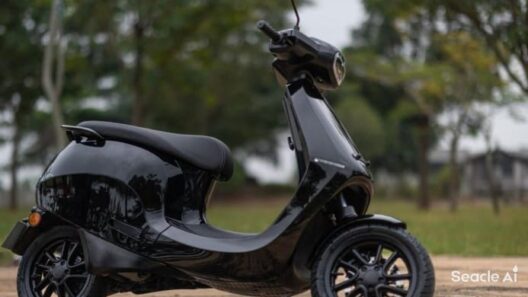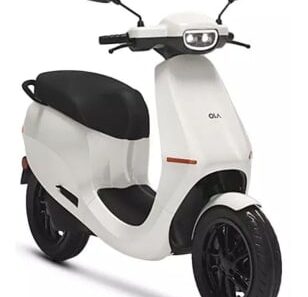


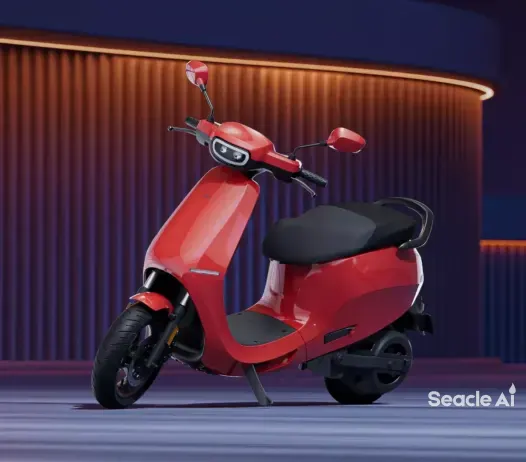

The electric scooter that kicked off serious attention in its category, Ola S1 Pro still divides riders: some love the straight-line punch, others find trade-offs in the real world. This piece walks through what the vehicle is, who it serves, key numbers, everyday handling, a candid limitation, and a direct comparison with the Ather 450X. I write this as an analyst who wants you to be practical about ownership — not dazzled by marketing.
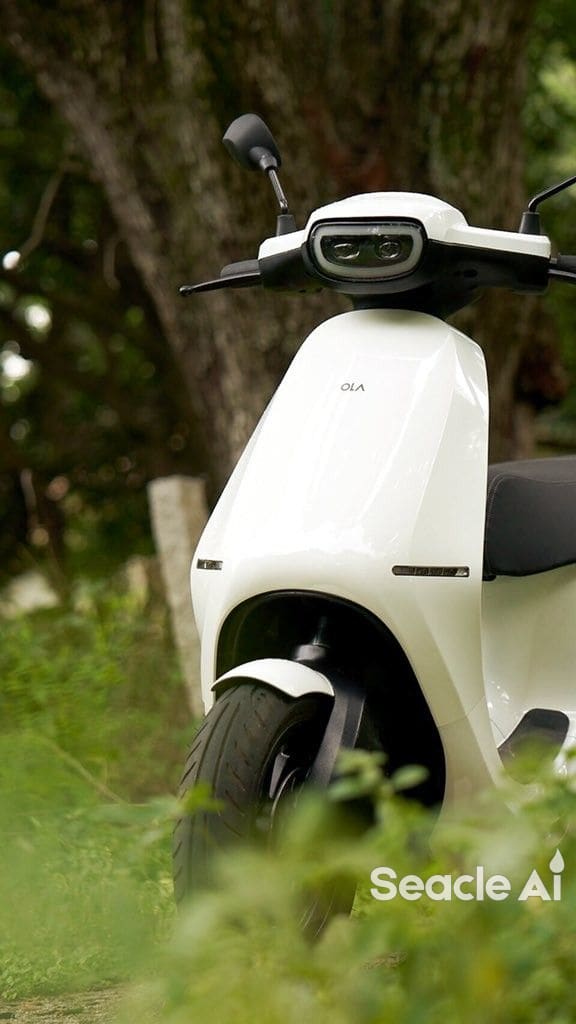
Ola S1 Pro: What it is and who it’s for
The Ola S1 Pro is an electric scooter positioned at buyers who want a high-range, feature-rich urban commute option that feels modern and quick from a traffic-light start. It targets daily commuters, tech-forward riders, and people switching from low-displacement petrol scooters to electric. It is not a motorcycle substitute for long, fast highway touring or heavy cargo hauling.
Quick specifications
Below are the key numbers you should care about. I separate what manufacturers claim from what tends to show up in everyday use.
Confirmed (manufacturer-claimed) figures
- Type: Electric scooter with hub-mounted rear motor.
- Battery: Manufacturer-stated battery pack capacity (reported in various trims) around the mid 3–4 kWh class depending on variant.
- Motor power: Manufacturer lists a peak motor output in the upper single-digit kilowatt range (claimed peak and continuous figures differ by variant).
- Top speed (claimed): A claimed maximum that is suitable for city and short highway bursts.
- Transmission: Single-speed direct drive, no gears — standard for scooters.
- Seat height / overall height: Seat height in the typical scooter range, designed for adults; floorboard ergonomics aim for an upright riding posture.
Real-world notes and commonly observed numbers
Manufacturers give optimistic range and top-speed figures under ideal conditions. In traffic, with mixed riding, you should expect lower practical range than rated. This is normal for electric two-wheelers.
Performance and power
What matters on the road is usable torque at low speed and how the scooter manages heat over extended runs. The S1 Pro’s motor favors quick initial acceleration, so it feels lively in city traffic. That punch makes short overtakes easier than many budget scooters.
Practical observation: under normal urban use the scooter will feel fastest from 0–40 km/h, which is the range most riders use daily. This is also where electric motors provide the most useful advantage compared with small petrol engines.
How power translates to riding experience
- Quick acceleration in city starts — useful for lane gaps and junctions.
- At sustained high speeds, the motor works harder and battery drain increases noticeably.
- Thermal management matters. On long uphill stretches or sustained high-speed runs, noticeable tapering of power can occur as the motor or controller limits output to protect components.
This is where things get tricky. Continuous hard runs will reduce real-world range and blunt the scoot’s punch.
Range, top speed and torque
Numbers mean little without context. A claimed range is usually the best-case number under gentle riding. If you push the scooter, carry a passenger, or ride in hot weather, range drops significantly. That matters for daily planning.
- Top speed: The vehicle’s stated top speed is designed for occasional highway use within legal limits; sustained highway cruising at or near top speed reduces range rapidly.
- Torque: Peak torque is available from zero rpm in electric motors, which makes lights-to-lights acceleration feel immediate. Practical torque delivery is friendly for city use.
- Mileage / range: Expect a wide gap between claimed and real numbers. In mixed urban riding, real-world daily usable range is typically a fraction of the claimed maximum unless you stick to eco modes and light throttle use.
Most people don’t notice this at first. After a few weeks of riding, battery habits and charge planning become part of the routine.
Safety, comfort and technology
The S1 Pro focuses on a package of modern electronics and convenience features alongside core safety hardware. Below I list what typically matters when you use this kind of scooter daily.
Safety hardware
- Disc brakes front and rear on many trims; some versions include combined braking or regenerative braking systems.
- ABS availability depends on the variant and market — check the trim level if ABS is essential for you.
- Lighting typically uses LED units for better visibility and lower draw on the battery.
Comfort and ergonomics
- Seat cushioning is aimed at city commutes; longer rides reveal limits in cushioning and suspension travel.
- Suspension tuning prioritizes a balance between comfort and control; you will feel potholes more than on larger two-wheelers.
- Floorboard and handlebar ergonomics are city-oriented: good for daily stop-start riding, less so for long highway stints.
Technology
- Smartphone connectivity, app features for ride stats and updates, and digital instrument clusters are core parts of the package.
- Over-the-air updates and remote diagnostics are useful in practice: they can add features or refine power delivery without a visit to the service center.
This matters more than it seems. Connectivity can make ownership easier — but it can also mean dependency on software quality and network availability.
Limitations and real-world observations
Here I state a clear, factual limitation: the scooter is not ideal for long highway touring or regularly carrying very heavy loads. It’s built primarily for urban and suburban commuting. For most people, this will feel like a downside if their use includes sustained high-speed travel.
Condition-based observation: in hilly areas or with two-up riding, expect range to drop by a noticeable margin. After using one for several months, owners often adapt by using eco modes and planning mid-day or overnight charges.
Specific trade-offs to know:
- Suspension trade-offs: Firm enough for control, but it transmits more road imperfections than a larger motorcycle. If you ride on rough roads daily, comfort will be compromised.
- Maintenance and software: Software updates can add features but sometimes introduce quirks that need dealer attention. This is not expensive mechanical maintenance, but it can be annoying.
- Charging infrastructure dependence: If you do not have regular access to a home charger, ownership becomes more friction-heavy.
This is not ideal for everyone. If you want one-ride-per-weekend long-distance touring, this may not work.
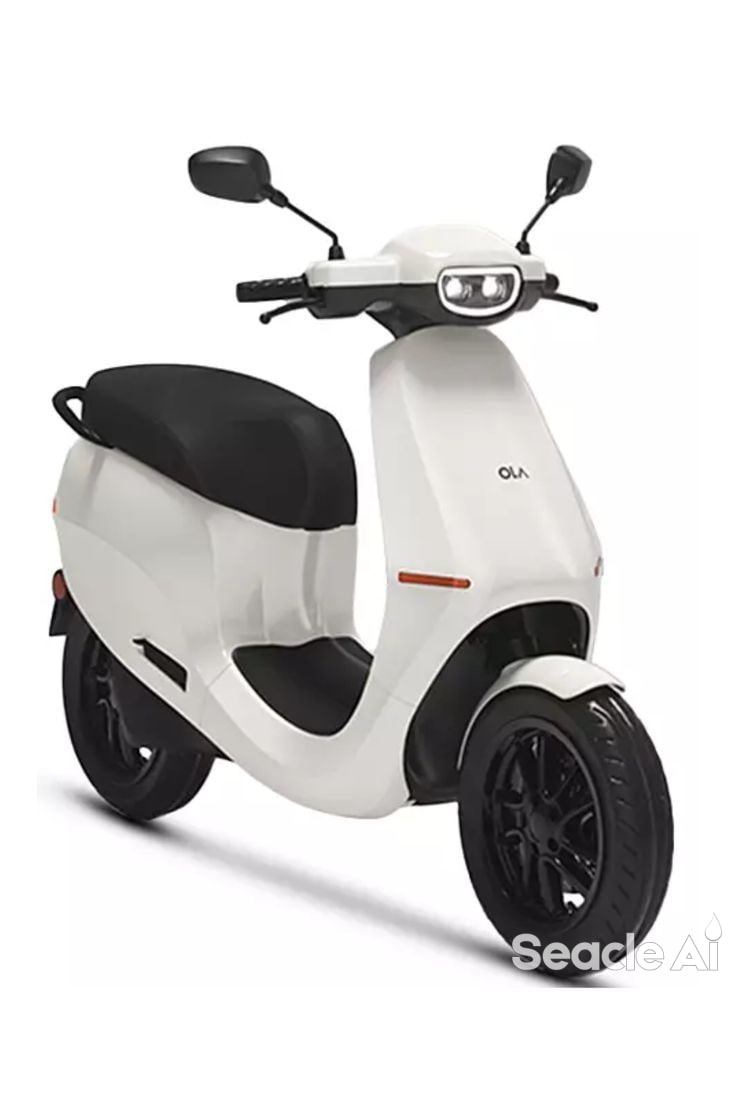
Ola S1 Pro vs Ather 450X
A head-to-head comparison helps if you’re deciding between the two. Below I keep the focus on how the S1 Pro stacks up and what that means for different riders.
| Category | Ola S1 Pro | Ather 450X (general reference) |
|---|---|---|
| Engine / Motor and overall performance | Electric hub motor tuned for strong low-end acceleration and urban punch. | Electric motor focused on balanced city performance and handling agility. |
| Torque, top speed, mileage | Strong initial torque; top speed suited for short highway bursts; real-world range drops under hard use. | Responsive torque, slightly more conservative top speed; real-world range often comparable but depends on riding style. |
| Key features | Feature-rich connectivity, large displays, OTA updates in certain trims. | Focused on ride dynamics, software refinement and a refined UI; strong community feature set. |
| Price range | Positioned competitively in the premium scooter bracket (prices vary by trim and incentives). | Typically priced in the same premium segment; dealer and package options change effective cost. |
| Which user should choose which | Best for riders wanting high city acceleration and a tech-heavy package. | Better for those who prioritize handling, dealer network, and predictable software maturity. |
| Tank capacity / Battery | Battery pack in the mid 3–4 kWh class (varies by variant) — labeled capacity affects range. | Battery size comparable but often tuned differently for power vs range trade-offs. |
| Braking systems & safety | Disc brakes; combined/regenerative braking; ABS availability depends on trim. | Disc brakes with ABS on many trims; strong emphasis on tested braking feel. |
Some people think one model is categorically better, but in practice it comes down to riding priorities: whether you want maximum straight-line everyday range and tech, or a scooter that leans a bit more toward predictable handling and mature software.
Short, practical takeaways from the comparison
- If you want strong acceleration for city traffic and an app-heavy experience, the S1 Pro is sensible.
- If you prioritize dealer support, handling finesse and a calibrated software experience, the 450X may be preferable.
- Price differences can shift with local incentives; always compare on an on-road cost basis, not just ex-showroom numbers.
Frequently Asked Questions
What is the minimum height to ride the Ola S1 Pro?
Most riders find a minimum practical height around 160–165 cm (approximately 5’3″–5’5″) to manage the seat and ground reach confidently. Shorter riders can still manage but should test for foot placement and balance at low speeds.
How far does the Ola S1 Pro go on a single charge in real use?
Real-world mixed-city range typically comes in well below claimed maximums when you use higher power modes and ride with traffic. Under conservative use and eco modes, expect a better share of the rated number; in hot weather or hilly areas, range drops further.
Is the Ola S1 Pro suitable for highway riding?
It can handle short stretches of highway, but routine long-distance, sustained high-speed use is not recommended because of increased battery drain and heat management. This is not comfortable for daily high-speed commuting.
What maintenance issues should owners expect?
Electric scooters reduce routine mechanical service compared with ICE vehicles, but expect tyre, brake, suspension, and occasional software/service center visits. Software updates are a feature and occasionally a hiccup.
Conclusion
The Ola S1 Pro is a clearly defined urban electric scooter: strong low-speed punch, a tech-laden package, and a city-first design. Its strengths are obvious for commuters who want quick starts, smart features and a modern ownership experience. Its clear limitations are in long highway touring, heavy payload routines, and comfort on very rough roads.
If you want a city-first scooter with lively acceleration and a smartphone-centric experience, this makes sense when your daily ride is mostly stop-start and you can charge regularly. This may not work if your primary use is long fast road trips or if you need maximum range two-up every day.
Final practical judgment: weigh convenience of charging and typical route profile first. If you live in town, have a reliable charging option, and prioritize tech and punch over long-haul comfort, the S1 Pro will meet your needs. If not, look at alternatives that emphasize range and long-distance comfort.
This part is not as good as it sounds. For someone who wants minimal day-to-day fuss and frequent long trips, the S1 Pro will require compromise.
For most people, this will feel like a downside.