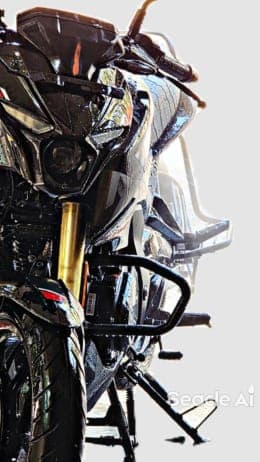

Quick statement: The Bajaj Pulsar N160 is a compact, street-oriented motorcycle built for daily commuting and occasional spirited rides, and its balance of usable power and affordable running costs is its main appeal. In the next pages I will cover what it is, who should consider buying it, its confirmed specifications, expected or rumored details (if any), practical limitations and a clear recommendation you can act on.
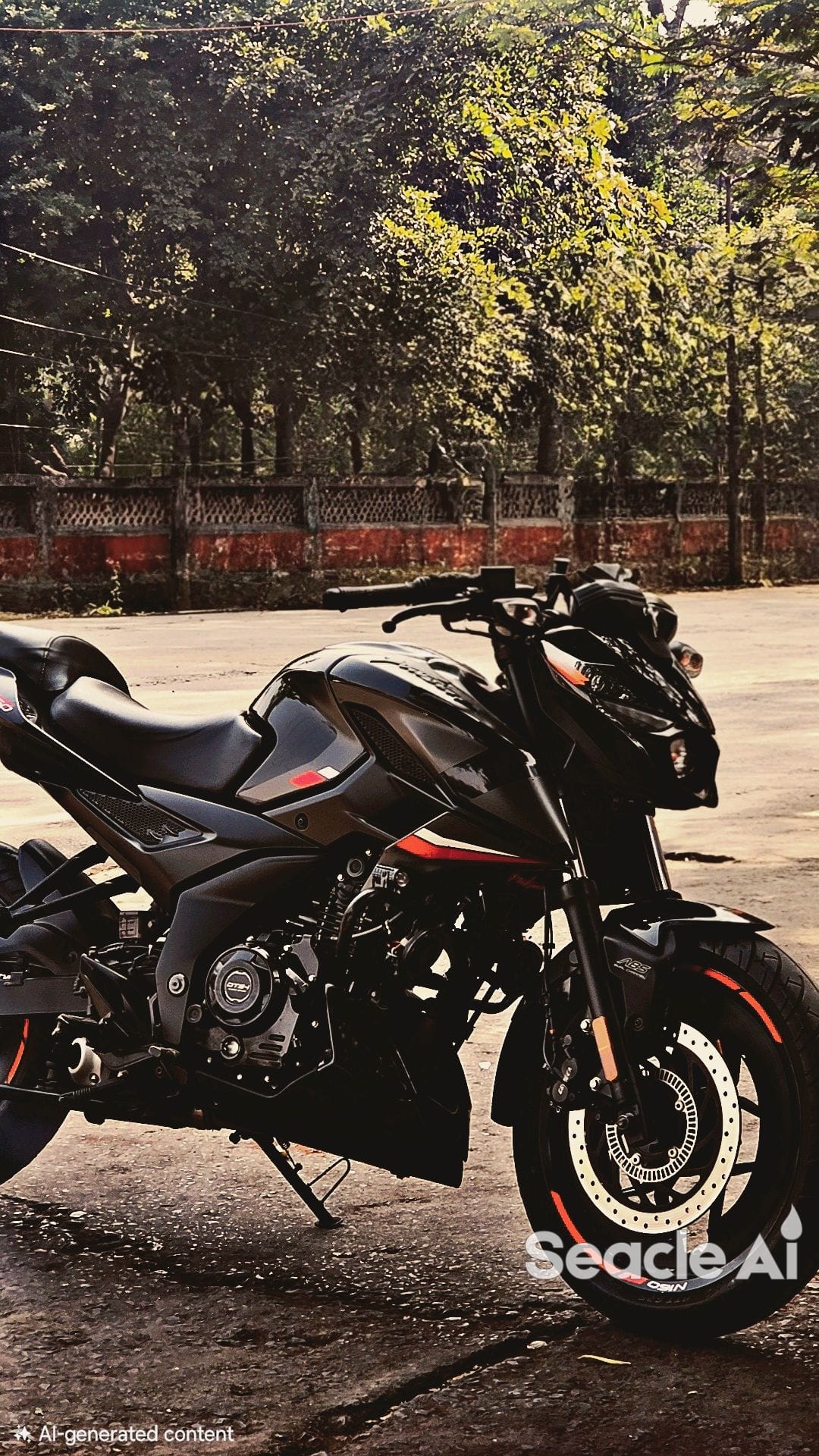
Table of Contents
- What is the Bajaj Pulsar N160
- Quick overview and who it’s for
- Key specifications (confirmed)
- Expected or rumored details
- Minimum height and riding fit
- Safety, comfort and technology
- Practical observations and real-world behaviour
- Limitations and what it’s not suitable for
- Maintenance costs and long-term considerations
- Frequently Asked Questions
- Conclusion
What is the Bajaj Pulsar N160
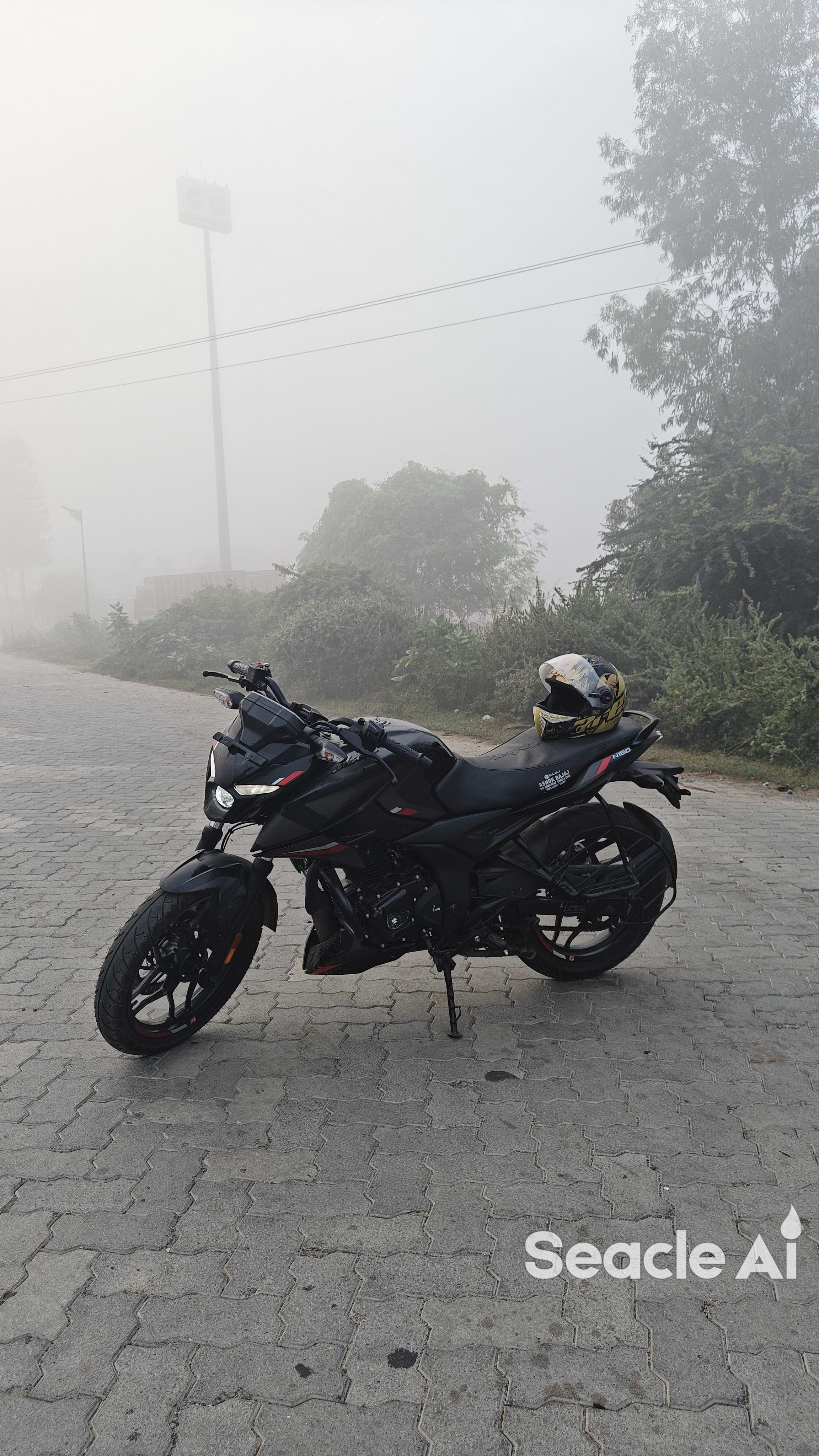
The Bajaj Pulsar N160 is a 160cc class naked street motorcycle positioned between commuter bikes and full-fledged performance machines. It focuses on everyday usability: easy low-speed handling, enough punch for overtakes, and predictable braking. Think of it like a compass that points you home on city streets, rather than an instrument for navigating distant constellations.
Quick overview and who it’s for
This bike suits riders who want more than a 125cc commuter but do not need a 200-plus performance bike. It is ideal for:
- Urban commuters who occasionally travel on open stretches.
- New riders who want a manageable power delivery and light weight.
- Budget-conscious buyers who value low operating costs over creature comforts.
This is not ideal for long highway touring or sustained high-speed runs. For most weekend touring with two-up luggage, it will feel strained. For most people, this will feel like a downside.
Key specifications (confirmed)
Below are the confirmed factory specifications that matter in daily use. These are the numbers as shared by Bajaj (latest official updates through 2026).
| Specification | Value |
|---|---|
| Engine type | Single-cylinder, air/oil-cooled, four-stroke |
| Displacement | 160 cc (approx.) |
| Power | Approx. 16 bhp (manufacturer stated peak power varies by market) |
| Torque | Approx. 14-15 Nm |
| Top speed | Trusted real-world top speed roughly 110-120 km/h depending on load and road |
| Claimed mileage | Around 45-50 kmpl under mixed riding; actual numbers vary |
| Transmission | 5-speed manual |
| Kerb weight | Approximately 145-150 kg |
| Seat height | Approx. 795-805 mm |
| Fuel tank | 12-13 litres |
How to read these numbers in real life
Power and torque figures give you a sense of how the engine behaves: peak power near the mid-to-high rev range, usable torque in the low- to mid-range for city overtakes. The top speed is not a figure to chase; sustained speeds above 100 km/h will raise vibration and fuel consumption. Most riders will find the bike happiest between 40 and 90 km/h.
Expected or rumored details
There have been reports in 2025 and early 2026 about minor updates aimed at emissions and rider ergonomics. These are listed as expected and could change:
- Expected tweaks to fuel mapping to meet stricter emissions norms in certain markets.
- Rumored small updates to the instrument cluster to add a Bluetooth call/notification readout in higher trims.
- Likely cosmetic updates such as new paint schemes and graphic packages for model year updates.
These are labeled as expected or rumored because manufacturers often make market-specific changes. Treat them as potential tweaks rather than confirmed features.
Minimum height and riding fit
Minimum rider height is a practical metric many buyers miss. The seat height of the bike sits around 795-805 mm. That translates into:
- Minimum comfortable height: About 160 cm (5 feet 3 inches) for riders to plant at least one foot flat while seated on typical flat ground.
- Shorter riders: May need to tip-toe; a lower seat or aftermarket footpeg adjustment might help but changes handling slightly.
If you are 155 cm or shorter and expect to handle city traffic with frequent stops, this may not work without modifications. This part is not as good as it sounds.
Safety, comfort and technology
This section covers what helps keep you alive, comfortable, and connected on real roads.
Safety features
- Brakes: Front disc and rear disc/drum options by trim. Most variants offer a single-channel ABS; higher trims provide dual-channel ABS in selected markets.
- Lights: LED headlight and taillight in later updates; earlier models had halogen headlamps with LED DRLs on some trims.
- Tyres and grip: OEM tyres tuned for balanced wet/dry grip, but don’t expect high-performance rubber.
Comfort features
- Seat is firm and designed for short- to mid-distance comfort. Two-up riding is possible, but the pillion can feel cramped on longer trips.
- Suspension setup leans toward a firmer tune to control weight transfer in urban quick maneuvers.
- Handlebar reach and footpeg position aim for a neutral upright posture suitable for city use.
Technology and convenience
- Digital or semi-digital instrument cluster with trip meters, fuel gauge and gear indicator on most trims.
- Higher trims may include Bluetooth connectivity features as per market updates — this is still listed as expected in some regions.
- No cruise control, no traction control. These are premium features not offered in this segment.
Some people think a modern dashboard must include smartphones sync, but in practice for most riders basic info and a clear speedometer are enough. That’s true to an extent, however, if you commute in dense urban areas and use a phone for navigation, lacking an in-built phone mount or dedicated app may be an inconvenience.
Practical observations and real-world behaviour
Here I reflect on how the bike behaves over time and under certain conditions. These are the sorts of things you notice after a few months of ownership.
City commuting
In stop-and-go traffic the engine’s low-end torque keeps you moving without constant downshifts. Fuel economy in city conditions typically settles around the high 30s to low 40s kmpl for aggressive riders, and closer to the mid-40s for conservative throttle use.
Short highway stretches
On highways, it handles steady cruising at 80-90 km/h comfortably. Push beyond 100 km/h and wind blast, engine vibration and increased fuel use become evident. This matters more than it seems.
After 6-12 months
After several months or around 8,000-12,000 km, common maintenance items appear: chain stretch and adjustment, brake pad wear, and tyre replacement depending on riding style. If you ride a lot of pothole-ridden roads, suspension bushes may require attention sooner.
Conditional note
Under heavy two-up loads or steep inclines the engine feels strained. That is where expectations and reality differ. For longer two-up touring with luggage, this bike will not be ideal.
This is where things get tricky.
Limitations and what it’s not suitable for
Every bike has trade-offs. The Bajaj Pulsar N160 is no exception. Be clear about these before buying.
- Not for long highway touring: The ergonomics, tank size and engine temperament are made for shorter trips. For sustained high-speed touring, you will be making frequent stops and feel the strain.
- Not for heavy loads: Two-up with luggage on steep gradients will expose limited torque in the low rev range.
- Off-road capabilities: Minimal. The suspension and tyre profile are not designed for off-road surfaces.
- Performance-focused riders: If you want maximum acceleration and high top speeds, look elsewhere. The engine is tuned for usable everyday power, not track times.
This is not comfortable for daily use if your commute includes long highway stretches. For most people, this will feel like a downside.
Maintenance costs and long-term considerations
Running costs are one of the Bajaj’s strong suits. Consumables and service intervals are predictable and generally affordable. That said, over long ownership:
- Tyre replacements and brake pads will be recurring costs depending on riding style.
- Regular valve checks and periodic chain replacement are expected around typical intervals for 160cc bikes.
- Insurance and parts availability are usually reasonable due to Bajaj’s wide dealer network.
If you are expecting convenience, this will disappoint in the sense that you will still need to plan service intervals and occasional minor repairs like any mechanically simple motorcycle.
Frequently Asked Questions
What is the minimum rider height required to ride the Bajaj Pulsar N160?
A comfortable minimum height is around 160 cm (5 feet 3 inches) to flat-foot at stops. Shorter riders can manage with caution but may want to try the bike at a dealer and consider lowering options or a thinner seat.
What real-world mileage can I expect?
Expect 40-50 kmpl depending on riding style. Aggressive urban riding will push it toward the low 40s; steady, relaxed riding may return mid to high 40s. Over time, slight reductions in mileage can occur due to tyre wear and engine break-in settling.
Is it suitable for city traffic?
Yes. Its lightweight and torque profile make it well suited to city conditions. The bike’s strengths show up clearly in frequent stop-and-go situations.
Does the bike have dual-channel ABS?
Some markets and trims include dual-channel ABS as standard or optional. Check the specific variant in your region—some lower trims may have single-channel ABS or none at all.
Conclusion
The Bajaj Pulsar N160 is a pragmatic choice for riders who want a step up from basic commuters without paying for premium 200-plus class machines. It offers approachable power, sensible running costs and everyday handling that works in city settings and for occasional short out-of-town trips. The confirmed specs show a modest power and torque band, a 5-speed box and a seat height around 795-805 mm that dictates the minimum rider height recommendation.
Strengths: user-friendly engine, affordable maintenance, and practical ergonomics for daily riders. Drawbacks: not built for long highway touring, limited for heavy two-up touring, and lacks premium electronics found on higher-priced competitors. This matters when your riding plans include long-distance travel or carrying regular pillion and luggage.
If you want a bike for daily urban commute and occasional spirited rides within city limits, this makes sense. This may not work if you plan long interstate tours or need outright performance. Some people think its claimed mileage or top speed define it, but in practice seat comfort, suspension tuning and how you use it are the deciding factors.
Final practical takeaway: consider the Pulsar N160 if you value a balanced, economical 160cc street machine and accept the trade-offs on touring comfort and high-speed stability. If those trade-offs matter heavily to you, look at other options or plan a test ride that includes a 40-50 km mixed run to see how it settles in your hands.