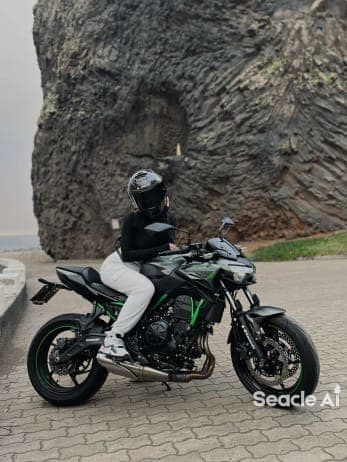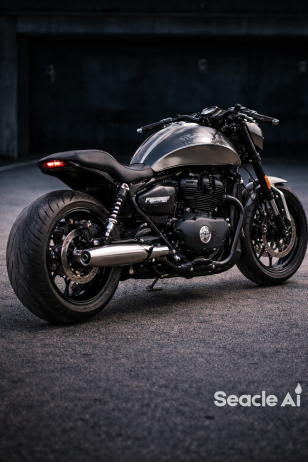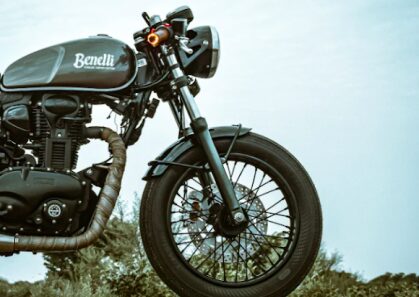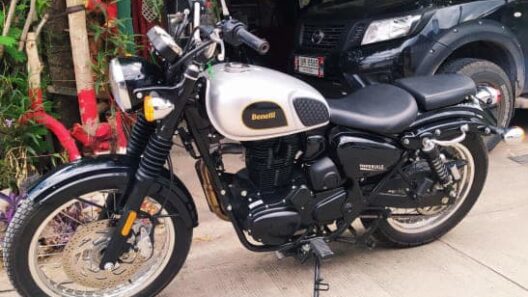
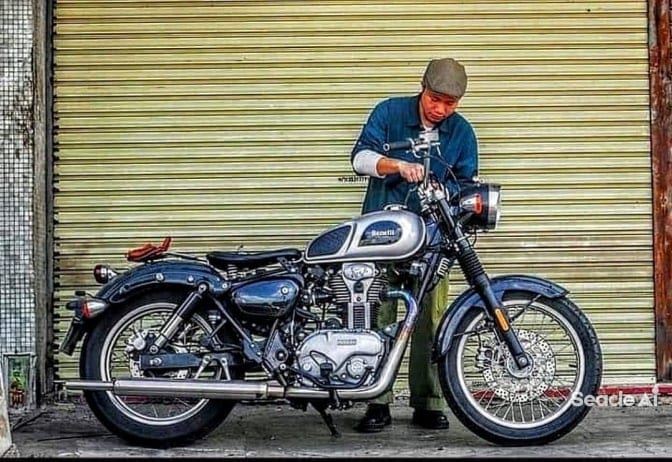

The Benelli Imperiale 400 arrives as a simple, retro-styled midweight motorcycle aimed at riders who value character and relaxed pace. In the first 100 words I want to be clear: the Benelli Imperiale 400 mixes old-school looks with modern basics, and that combination defines who will like it and who will not.
Table of Contents
- Benelli Imperiale 400: What it is and who it is for
- Key specifications and how they behave in real use
- Safety, comfort, and technology
- Real-world observations and limitations
- Benelli Imperiale 400 vs Honda CB350RS: Quick comparison
- Detailed comparison table
- Who this is NOT for and decision guidance
- Frequently Asked Questions
- Conclusion
Benelli Imperiale 400: What it is and who it is for
The Benelli Imperiale 400 is a retro-standard motorcycle with a single-cylinder engine, tuned for ease rather than outright speed. It is aimed at riders who want approachable power, low-stress ergonomics, and a distinctive, classic look without the high cost or maintenance needs of a pure vintage bike.
Who will like this bike? If you commute in urban or suburban settings, enjoy relaxed weekend rides and prefer a machine that is easy to live with, this model makes a lot of sense. It is not for someone chasing peak performance, serious sport riding, or hauling heavy luggage across long highways.
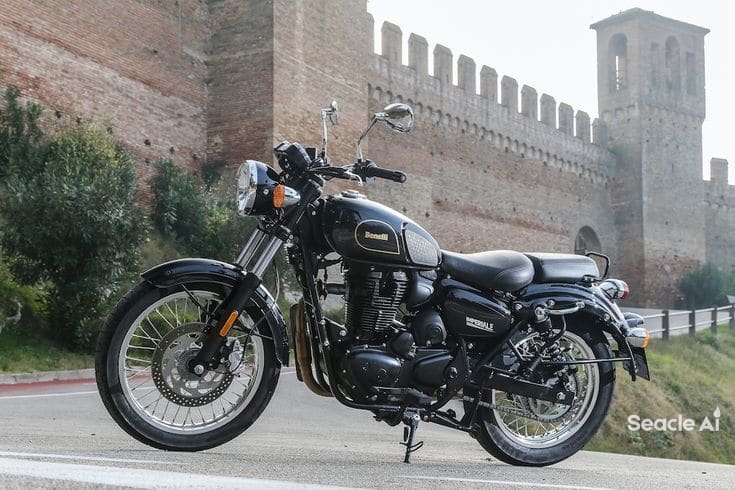
Key specifications and how they behave in real use
Below I list the most important numbers and then translate them into what they mean on the road. I will separate confirmed specs from expected or rumored items where needed.
Confirmed specifications
- Engine: 374 cc single-cylinder, air-cooled, four-stroke, SOHC
- Power: Around 21.5 to 22 bhp @ 5,500–6,000 rpm (as sold in many markets)
- Torque: Roughly 29–30 Nm @ 3,000–4,500 rpm
- Top speed: Typically around 110–120 km/h in real-world conditions
- Mileage / fuel economy: Expect 30–40 km/l depending on riding style and traffic
- Transmission: 5-speed manual gearbox with wet multi-plate clutch
- Seat height: Approximately 760–800 mm (this affects minimum rider height)
- Weight: Kerb weight around 195–205 kg
- Fuel tank: 13–14 liters (usable practical capacity closer to 12.5–13.5 L)
How these specs behave in daily riding:
- The single-cylinder engine gives usable low-end torque, so city overtakes and traffic filtering are easy. You do not need to rev it hard to move along.
- Top speed is adequate for short highway bursts, but sustained high-speed touring will put the bike near its limit and reduce comfort and economy.
- Fuel economy estimates are realistic only when you ride calmly. Aggressive throttle, hills, and heavier riders push consumption toward the lower end of the range.
- The 5-speed gearbox is simple and well-suited to the motor; sixth gear is not missed for the intended use of this bike.
Minimum height to ride
What is the minimum height to ride the Benelli Imperiale 400? With a seat height around 760–800 mm, most riders who are 160 cm and above can manage it comfortably, though shorter riders may need flat-soled shoes or a lower seat option. Practically, a rider height under 155 cm will find flat-footed confidence limited.
Safety, comfort, and technology
The Imperiale 400 focuses on essentials rather than high-end electronics. Here is what matters day to day.
Braking and safety
- Front brake: Single disc with two-piston caliper (size varies by market)
- Rear brake: Single disc
- ABS: Many modern market variants include single-channel ABS (front wheel). Dual-channel ABS availability depends on region and model year.
In practical terms, the brakes are predictable and progressive. They are not race-car sharp, but they give the confidence needed for urban stops and country roads. This is where things get tricky. If you expect sportbike-level stopping or advanced rider aids, this is not the bike.
Comfort and ergonomics
- Relaxed, upright riding position with a wide handlebar.
- Seat is plush but firm; good for short to medium rides, less comfortable on long multi-hour tours without breaks.
- Suspension is tuned for comfort at the cost of sharp handling; it soaks bumps but can feel wallowy under aggressive cornering.
Most people don’t notice this at first: over a weekend of mixed roads, the suspension shows its bias toward comfort. This part is not as good as it sounds if you push the bike hard on twisty roads.
Technology and instruments
- Simple analogue-digital instrument cluster on most variants — speedometer, tachometer, trip meters, gear indicator in some markets.
- No traction control or ride modes. No cruise control on standard models.
- Basic lighting; LED features may be present depending on trim and year.
This matters more than it seems. Riders who want modern rider aids will be disappointed. For city commuting and relaxed countryside rides, the simplicity keeps maintenance straightforward.
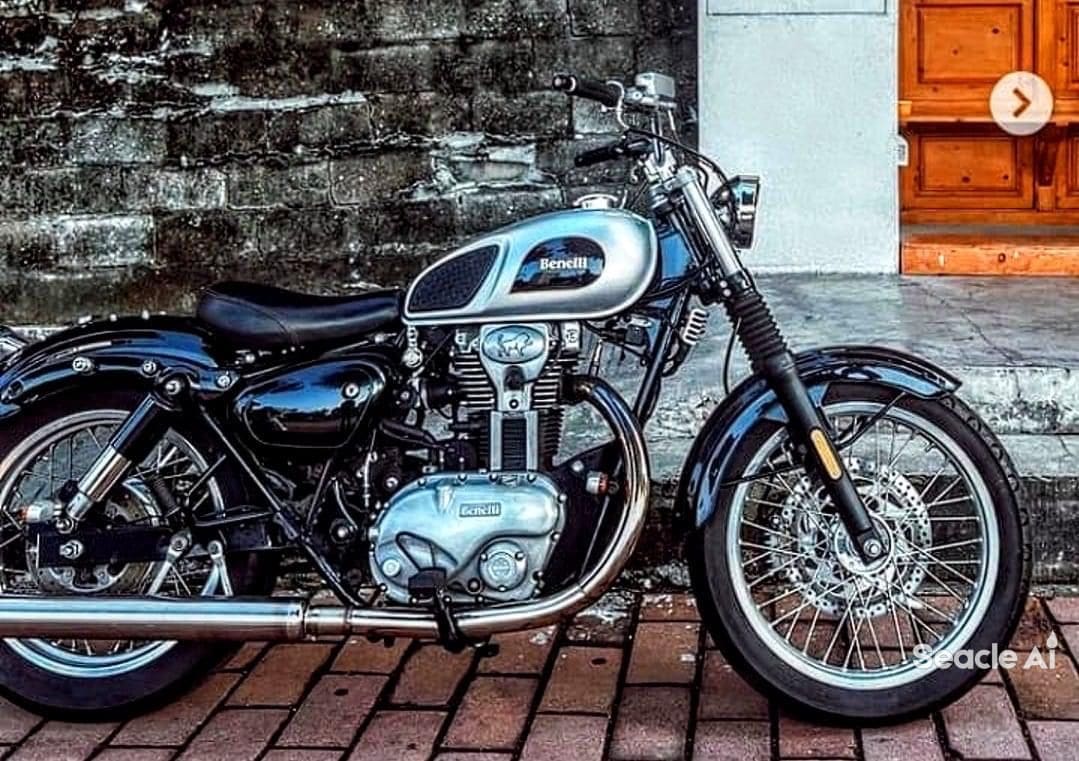
Real-world observations and limitations
A machine like this shows its character after a few thousand kilometers. Here are condition-based and time-based observations from typical ownership patterns.
- After a few thousand kilometers: The engine settles into its torque band and the bike feels smoother. Some owners report needing routine valve checks earlier than on higher-revving multi-cylinder bikes.
- Under heavier loads: The single-cylinder struggles more when you add a pillion and luggage on long climbs — expect lower top speed and more throttle input.
- In hot, stop-start city traffic: Fuel consumption drops and the engine runs warmer; periodic coolant and oil checks become more critical.
A realistic drawback: maintenance and spare parts availability can be an issue depending on your country. For most people, this will feel like a downside. If you live far from authorized dealers, expect to pay a premium for original parts or wait longer for service.
This is not ideal for everyone. For sustained touring at high average speeds, the Imperiale 400 is not the right tool.
Benelli Imperiale 400 vs Honda CB350RS: Quick comparison
Comparisons help pick what fits your riding style. Below I cover the main differences in concrete terms and end with who should pick which bike.
1. Engine and overall performance
The Benelli Imperiale 400 uses a ~374 cc single-cylinder tuned for low-end torque and easy drivability. The CB350RS features a 348 cc single-cylinder engine with a slightly different character — Honda tunes theirs for refined mid-range and smoother top-end behavior. Some people think the Honda feels classier; however, in practice the Imperiale has a more old-school thump that many find charming.
2. Torque, top speed, and mileage
- Torque: Imperiale 400: ~29–30 Nm; CB350RS: similar, roughly 30 Nm depending on model and market.
- Top speed: Imperiale: ~110–120 km/h; CB350RS: slightly higher in some conditions, around 115–125 km/h.
- Mileage: Imperiale: 30–40 km/l depending on conditions; CB350RS: typically in the 35–45 km/l band with conservative riding.
It sounds good on paper, but real-world numbers depend heavily on rider weight, traffic, and how you ride. That’s true to an extent; however, the CB350RS can return slightly better economy on steady highway runs.
3. Key features
- Imperiale 400: Retro styling, basic instruments, simple ABS options, plush seat, and twin shocks.
- CB350RS: More modern finish, often a slightly more refined instrument cluster, and Honda build quality advantages. Some variants include slipper clutches and marginally better fit-finish.
4. Price range
Prices change by market and year. As of 2025–2026, the Imperiale 400 is typically positioned as a value-oriented retro bike; expect its on-road price to be competitive against the CB350RS. Exact figures vary by subsidies, taxes, and dealer margins. Always check local prices and recent offers.
5. Which type of user should choose which vehicle
- Choose the Imperiale 400 if: You want characterful retro styling, simple mechanics, an affordable midweight with easy city manners, and you ride mainly locally or on short highway stretches.
- Choose the CB350RS if: You prefer slightly higher refinement, smoother long-distance cruising, and a brand reputation that often translates into wider dealer support.
6. Tank capacity
- Imperiale 400: ~13–14 L (usable slightly less)
- CB350RS: usually around 15 L (varies by model)
7. Braking systems and safety features
- Imperiale 400: single disc front and rear, single or dual-channel ABS depending on market and model year.
- CB350RS: similar disc setup, often with single- or dual-channel ABS and marginally more advanced braking feel in some trims.
Detailed comparison table
| Category | Benelli Imperiale 400 | Honda CB350RS |
|---|---|---|
| Engine | 374 cc single-cylinder, air-cooled | 348 cc single-cylinder, air-cooled |
| Power | ~21.5–22 bhp | ~20–21 bhp |
| Torque | ~29–30 Nm | ~30 Nm |
| Transmission | 5-speed | 5-speed |
| Top speed | ~110–120 km/h | ~115–125 km/h |
| Fuel tank | 13–14 L | ~15 L |
| ABS | Single or dual (market dependent) | Single or dual (market dependent) |
| Seat height | ~760–800 mm | ~790 mm |
| Use case | City, light touring, style-focused riders | City, longer commutes, slightly more refined touring |
Who this is NOT for and decision guidance
This is where expectations and reality differ. The Benelli Imperiale 400 is not a sport machine. If you want aggressive cornering, hard track days or high-speed touring with heavy luggage, this will not work. For most people, this will feel like a downside.
If you want a characterful, easy-to-maintain bike that looks classic and is simple to ride, the Imperiale 400 makes sense. This makes sense when you prioritize feel and everyday usability over outright performance or modern electronics.
This part is not as good as it sounds. The suspension compromises comfort for handling stability — so if you routinely tackle twisty mountain roads at speed, consider alternatives with firmer set-up and better chassis dynamics.
Frequently Asked Questions
Is the Benelli Imperiale 400 good for long highway trips?
It can handle occasional highway stretches, but sustained high-speed touring is not its forte. Expect reduced comfort and lower fuel efficiency on long, sustained runs.
How much maintenance does the Imperiale 400 need?
Regular oil changes, valve checks and timing chain or tensioner inspections at recommended intervals. Maintenance is simple mechanically, but parts availability and service quality depend on your region — that affects real ownership cost.
Can a beginner ride the Imperiale 400?
Yes. The power delivery is gentle and manageable for new riders, but its weight and seat height require some handling confidence. If you are under 155 cm, try before you buy.
Are there major differences between model years?
Minor updates include ABS availability, finishing touches and instrument changes. For upcoming or rumored updates, expect cosmetic tweaks rather than wholesale mechanical changes. Specifications may change for future releases.
Conclusion
The Benelli Imperiale 400 is a straightforward, characterful motorcycle aimed at riders who value style, simplicity and low-stress riding over technical sophistication. Strengths include approachable torque, classic looks, and a comfortable upright position. Drawbacks are clear: it is not built for serious sport riding, long high-speed tours, or heavy loads. If you want an easy everyday bike with personality for city use and relaxed weekend outings, this makes sense. If you want modern rider aids, high-speed refinement, or heavy-luggage touring capability, this may not work.
Final practical takeaway: buy the Imperiale 400 if you want a retro-style, low-complexity commuter and occasional short tourer that is fun to look at and easy to maintain locally. Do not buy it if your priority is speed, advanced electronics, or long-distance highway comfort.
Benelli Imperiale 400 keeps things simple and honest — and for the right rider, that is exactly the point.