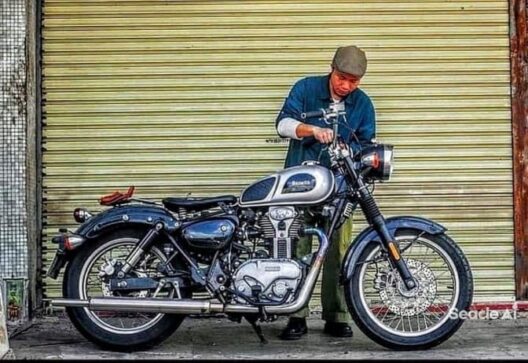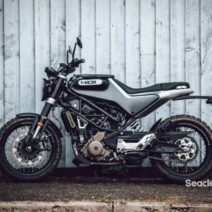

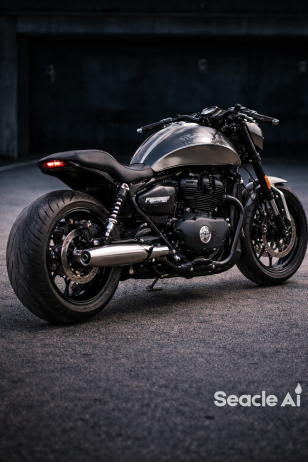

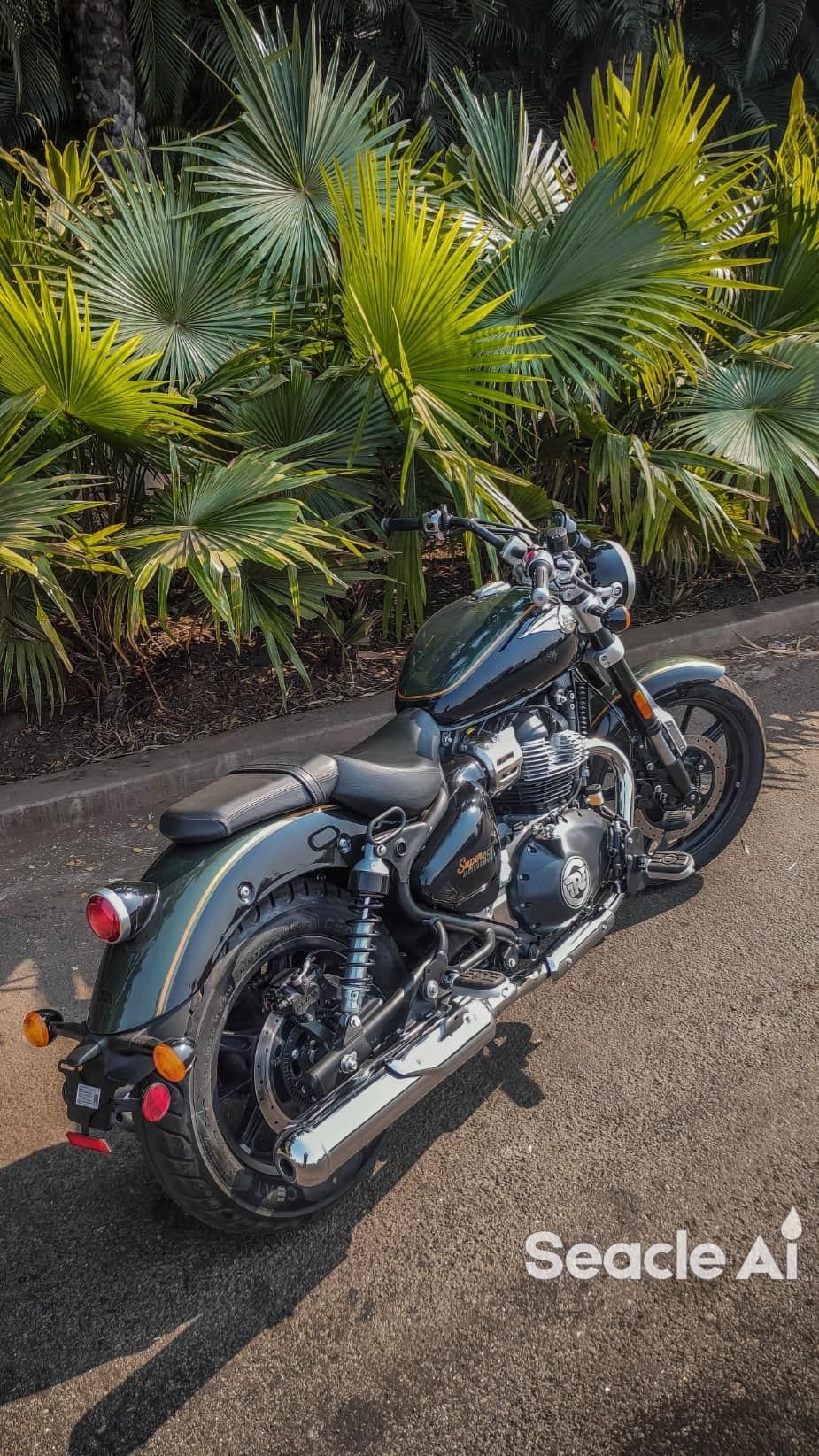
Power and presence, without pretending to be a superbike: the Royal Enfield Super Meteor 650 arrives as a mid-weight cruiser that aims to give riders a relaxed, characterful experience while keeping ownership costs sensible. In the first hundred words I will use the model name plainly: Royal Enfield Super Meteor 650 is built on the familiar 648cc parallel-twin platform and sends a clear message—this is a road-focused cruiser for riders who want style and torque rather than lap times.
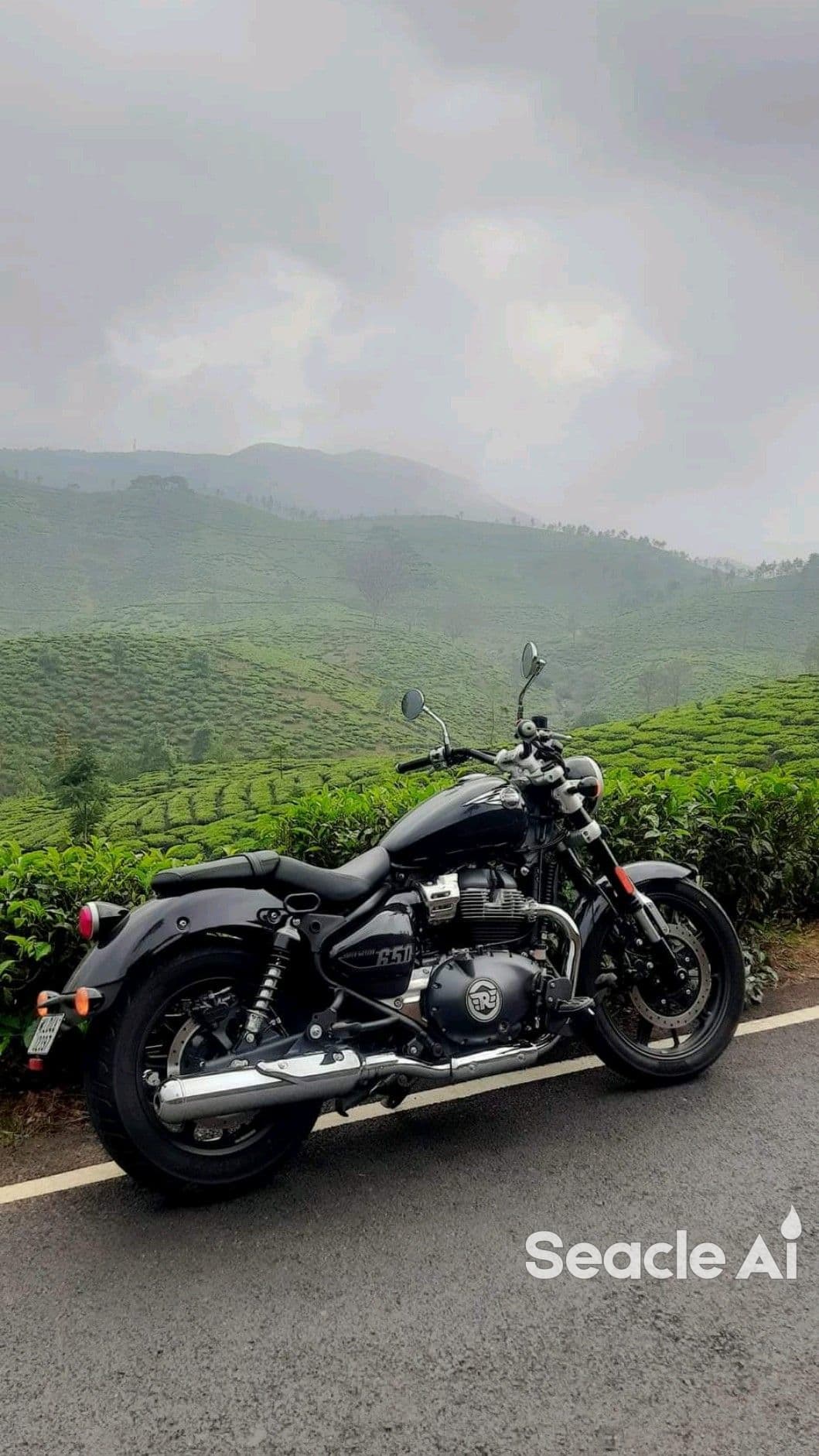
Table of Contents
- What the Super Meteor 650 Is and Who It’s For
- Quick Specs and Confirmed Figures
- Detailed Breakdown: Engine, Power, Torque, Top Speed, Mileage
- Ergonomics, Minimum Height and Practical Use
- Safety, Comfort, and Technology Features
- Real-world Observations, Time-based and Condition-based Notes
- Drawbacks and Who This Is NOT For
- Comparison: Royal Enfield Super Meteor 650 vs Yamaha XSR700
- Frequently Asked Questions
- Conclusion
What the Super Meteor 650 Is and Who It’s For
The Super Meteor 650 is a mid-size cruiser that uses Royal Enfield’s 648cc parallel-twin engine architecture. It combines a relaxed riding position, cruiser styling, and mechanical simplicity. If you want a machine that is comfortable in urban traffic, looks distinctive on boulevard rides, and rewards gentle throttle control, this makes sense when you prioritize character over peak performance.
This is where things get tricky. The Super Meteor 650 carries cruiser ergonomics and mass that make it excellent for relaxed, low-to-mid speed riding, but not ideal for aggressive sport riding or serious off-road use. Some people think any 650cc engine can do everything, but in practice the cruiser layout and chassis tuning mean cornering and hard highway overtakes are more about composure than outright speed.
Quick Specs and Confirmed Figures
Below are the confirmed, factory-provided items and widely accepted technical facts. Where a number is still variable between markets or model years, I mark it as expected or approximate.
- Engine type: 648cc, twin-cylinder, air-oil cooled, four-stroke, fuel-injected, parallel-twin. (Confirmed)
- Transmission: 6-speed gearbox with slipper/assist-style clutch on the 650 platform. (Confirmed platform trait)
- Brakes: Front and rear disc brakes with dual-channel ABS as standard on most markets. (Confirmed for most 650 variants)
- Chassis: Steel frame tuned for cruiser comfort, longer wheelbase than sport 650s. (Confirmed)
Specifications listed as expected or market-dependent
- Power output around 47–48 PS (approximate, typical for the 648cc RE twin).
- Peak torque in the low 50 Nm range, tuned for low-end and mid-range punch.
- Kerb weight and seat height may vary by trim; expect kerb weight in the 220–240 kg range and seat height commonly in the 760–800 mm band. These are market-dependent and sometimes adjusted between model years.
Detailed Breakdown: Engine, Power, Torque, Top Speed, Mileage
Understanding these figures helps you picture how the bike behaves on actual roads rather than on paper.
Engine and Transmission
The heart is a 648cc parallel-twin with a 270-degree crank in Royal Enfield’s 650 family tradition. Expect a tractable powerband—smooth from idle, useful torque from 2,000–5,500 rpm, and a predictable upper range for overtakes. The 6-speed gearbox is geared to keep you in the torque band without constant shifting during relaxed rides.
Power and Torque (realistic ranges)
Manufacturers commonly quote around 47 PS and roughly 52 Nm for 648cc RE twins. In real urban and touring use you feel more of the torque than the headline numbers; the spread is forgiving and usable rather than explosive.
Top Speed and Highway Use
Top speed is commonly in the 150–165 km/h range. That’s plenty for highway cruising and occasional spirited runs, but the bike’s aerodynamics, fairing (if equipped) and weight make sustained very-high-speed cruising less efficient and less comfortable than a sport tourer.
Mileage and Range
Official economy figures are often optimistic. In mixed urban and highway riding, expect 18–24 km/l depending on riding style and traffic. If you ride with a light foot on the highway, you might see the upper end; push it hard and the number drops. This matters more than it seems when you are planning long rides.
Ergonomics, Minimum Height and Practical Use
Cruiser bikes aim to make long hours on the saddle less fatiguing, and the Super Meteor 650 follows that idea. The seat is wide and cushioned, the footpegs sit forward, and the bars are swept back.
Seat height and minimum rider height
Seat height is typically lower than sport bikes; expect a seat height in the mid-to-high 700 mm region (market dependent). Practically, most riders 160 cm and above will find the bike manageable for low-speed maneuvers. If you are under about 160 cm, you may struggle to flat-foot the motorcycle at stops.
This part is not as good as it sounds: low seats help short riders but do not automatically make the bike easy for everyone. Wide seats can make reaching the ground harder for shorter people.
Carrying luggage and passenger comfort
- Passenger space is generally comfortable for short to medium rides; a taller pillion may find long hours tiring.
- Basic luggage options are available; heavy luggage will affect handling noticeably because of the cruiser geometry.
Safety, Comfort, and Technology Features
Royal Enfield focused on simplicity and practicality rather than piling on electronic riding aids. That keeps costs and maintenance simpler, but it also sets limits.
- Braking: Disc brakes with dual-channel ABS handle typical braking scenarios well; stopping power is predictable rather than aggressive.
- Suspension: Front telescopic forks and rear dual shocks tuned for comfort over potholes and urban irregularities. Suspension travel will prioritize compliance over hard cornering grip.
- Instrumentation: Typically a round analog-dominant cluster supplemented by a small digital readout; smartphone connectivity is often an optional feature or added via a module.
- Lighting: Modern trims use LED lighting for headlamp and indicators in many markets, improving night visibility.
This is not ideal for everyone. If you expect adaptive cruise control, ride modes, or cornering ABS, you will be disappointed. For most riders who value a simple interface and classic feel, the trade-off is acceptable.
Real-world Observations, Time-based and Condition-based Notes
After riding for a few hundred kilometers you notice a few patterns:
- Engine heat: On long, slow climbs in hot weather, the air-oil cooling package runs warmer than a full-liquid-cooled sportbike. Over time this limits how hard you push in stop-start traffic on hot days.
- Fuel economy stabilizes after the first 1,000–2,000 km as the engine beds in. Expect a slight improvement in economy after break-in if you keep a smooth throttle hand.
- At highway speeds over long stretches, the cruiser ergonomics reduce upper-body fatigue compared with more aggressive seating, but strong winds expose the lack of a full fairing—so long trips are more pleasant with a small windscreen or touring pack.
Some people think the bike is heavy to manage, but in practice a low center of gravity and predictable steering make it manageable in slow traffic. That’s true to an extent, however the sheer mass means quick lane changes are slower than on lighter roadsters.
Drawbacks and Who This Is NOT For
Be blunt: the Super Meteor 650 is not a do-it-all machine. For most people, the following will feel like a downside.
- Not for off-road use: The cruiser chassis, low ground clearance, and suspension travel mean rough roads and trails are a bad idea.
- Not for performance-focused riders: If you want rapid acceleration and aggressive cornering, this will disappoint.
- Long-distance touring with heavy loads: The bike can handle a tour, but heavy luggage and pillion over long distances will expose the limits of the suspension and braking compared with purpose-built tourers.
This is where expectations and reality differ: it looks like a long-haul cruiser, but it behaves best as a boulevard and light-touring machine. If you are expecting convenience and modern electronic rider aids, this will disappoint.
Who this is NOT for
If you want track days, aggressive two-up touring with heavy luggage, or frequent off-road rides, the Super Meteor 650 is not the right tool. This is not comfortable for daily use if your commute includes high-speed highway segments and you require a lot of electronics for traffic management.
Comparison: Royal Enfield Super Meteor 650 vs Yamaha XSR700
Below is a clear, practical comparison focusing on the points that matter when choosing between a laid-back cruiser and a sporty standard, with emphasis on how each machine behaves in real life.
| Area | Royal Enfield Super Meteor 650 | Yamaha XSR700 (summary) |
|---|---|---|
| Engine and layout | 648cc parallel-twin, tuned for low-end torque and smooth delivery. 6-speed gearbox. (Platform confirmed) | 689cc CP2 parallel-twin, high-revving relative to the RE; sportier throttle response and lighter rev feel. |
| Torque, top speed, mileage | Torque tuned for midrange punch (roughly low-50 Nm); top speed ~150–165 km/h; mixed mileage commonly 18–24 km/l. (Expected ranges) | Higher-rev torque, quicker mid-range; top speed can be slightly higher; real-world mileage varies 18–22 km/l depending on riding. |
| Key features | Classic cruiser ergonomics, dual-channel ABS, comfortable seat, simple instrument cluster. Limited electronic rider aids. | Sportster/retro styling, lighter chassis, more responsive suspension setup, often features slipper clutch, modern electronics vary by market. |
| Price range | Positioned as competitive in mid-weight cruiser segment; pricing varies by market, usually below comparable liter-class bikes. (Market-dependent) | XSR700 typically sits as a premium middleweight standard; pricing often a bit higher than value-focused cruisers but depends on local taxes and trims. |
| Which user should choose which | Choose the Super Meteor 650 if you want a relaxed, characterful cruiser, easy low-speed manners, and sensible ownership costs. This makes sense when you value style and torque over outright agility. | Choose the XSR700 if you want a sportier, more engaging ride, lighter chassis, and greater performance flexibility. If you like cornering and quicker throttle response, the XSR700 is better. |
| Tank capacity | Expected around 13–15 liters on cruiser trims; good enough for 200–300 km between fills depending on riding. (Market-dependent) | Usually around 14–14.5 liters on many XSR700 versions; range similar but depends on riding style. |
| Braking and safety | Disc brakes with dual-channel ABS. Braking is progressive and predictable; not focused on aggressive stopping performance. | Stronger stopping feel on a lighter chassis, often with more aggressive brake components and ABS; better for performance braking. |
This matters when your daily routes have tight bends or you often ride two-up with luggage—each bike will behave differently under the same load. Most people don’t notice this at first.
Frequently Asked Questions
What is the minimum height to ride the Royal Enfield Super Meteor 650?
Seat height is typically in the mid-to-high 700 mm range depending on trim. In practical terms, riders around 160 cm tall and above will be comfortable. If you need to flat-foot at stops, try sitting on the bike in person because seat width affects reach to the ground.
How much does the Super Meteor 650 weigh and does it feel heavy?
Kerb weight is market-dependent but expect a mid-weight cruiser heft. In low-speed maneuvers the bike feels stable rather than nimble; the low center of gravity helps, but it is heavier than a naked sportbike. Over time you adapt to the mass, but you will notice it during U-turns and parking.
Is the Super Meteor 650 good for long highway touring?
Yes for relaxed touring and weekend trips, especially with a windshield and light luggage. This part is not as good as it sounds for very-long, high-speed tours with heavy luggage or two-up for thousands of kilometers—suspension and aerodynamics are compromises.
How does maintenance compare to rivals?
Maintenance is straightforward: classic mechanical layout, moderate service intervals. It is not necessarily cheap to maintain everywhere, but simpler electronics tend to reduce repair complexity. If you want low-maintenance tech, this makes sense when regular servicing is available locally.
Conclusion
To finish plainly: the Royal Enfield Super Meteor 650 is a cruiser built for character, ease and a relaxed riding experience. Its confirmed strengths are the approachable parallel-twin engine, comfortable ergonomics, and simple, serviceable systems. It is not a sportbike, it is not a dirt bike, and it is not the top choice for heavy two-up touring with lots of gear.
If you want a bike for city commutes, weekend scenic runs, and a machine with a presence that invites casual long rides, the Super Meteor 650 is a solid choice. If you want razor-sharp handling, cutting-edge electronics, or hardcore off-road capability, this may not work for you.
Final blunt note: For people who expect modern rider aids and track-level performance, this is not the bike. For riders who like a steady, reassuring engine and cruiser ergonomics and who value ownership simplicity, the Super Meteor 650 fits well. Over months of use you’ll appreciate the low-end torque and comfort; under certain conditions, like hot slow traffic or loaded long-distance touring, you’ll notice the limits more clearly.
Royal Enfield Super Meteor 650 keeps its focus on giving a dependable, characterful ride with predictable maintenance and a clear personality. Choose it if you want style and steady torque; skip it if you need sporty agility or serious off-road performance. That’s the real decision to make.