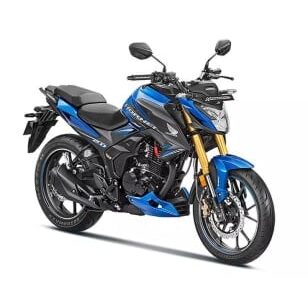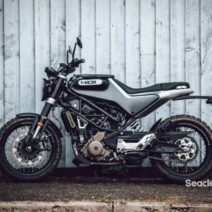

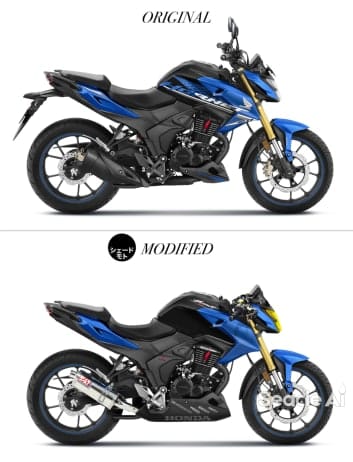

The Honda Hornet 2.0 sits in the crowded mid-weight naked segment as a compact, street-focused motorcycle aimed at commuters who want more punch than a 150cc but not the complexity of a litre-class machine. It’s for riders who want a usable mix of city agility, tidy highway manners up to ~120 km/h, and low running costs — but it’s not the right tool for long-distance touring with heavy luggage or rough off-road tracks.
Hornet 2.0 specs
Below are the core numbers that matter when choosing a bike for daily use. These are the specifications as they are commonly advertised and experienced on the road in 2025; small regional changes can apply:
- Engine: Single-cylinder, 184–186 cc, fuel-injected, SOHC — tuned for midrange punch rather than high rpm power.
- Power: ~17–18 PS at around 8,000–8,500 rpm.
- Torque: ~16 Nm at ~6,000 rpm.
- Transmission: 5-speed gearbox, close ratios for city responsiveness.
- Top speed: Real-world cruising up to 110–125 km/h depending on wind and load.
- Kerb weight: ~142–145 kg — light enough for nimble U-turns, but you feel the weight at parking lot speeds.
- Seat height (minimum height to ride Honda Hornet 2.0): ~795 mm; practical minimum rider height ≈ 160 cm to plant both feet flat.
- Ground clearance: ~165 mm; acceptable for city bumps but not aggressive off-road.
- Fuel tank: ~12–13 litres (see comparison section for FZ-S).
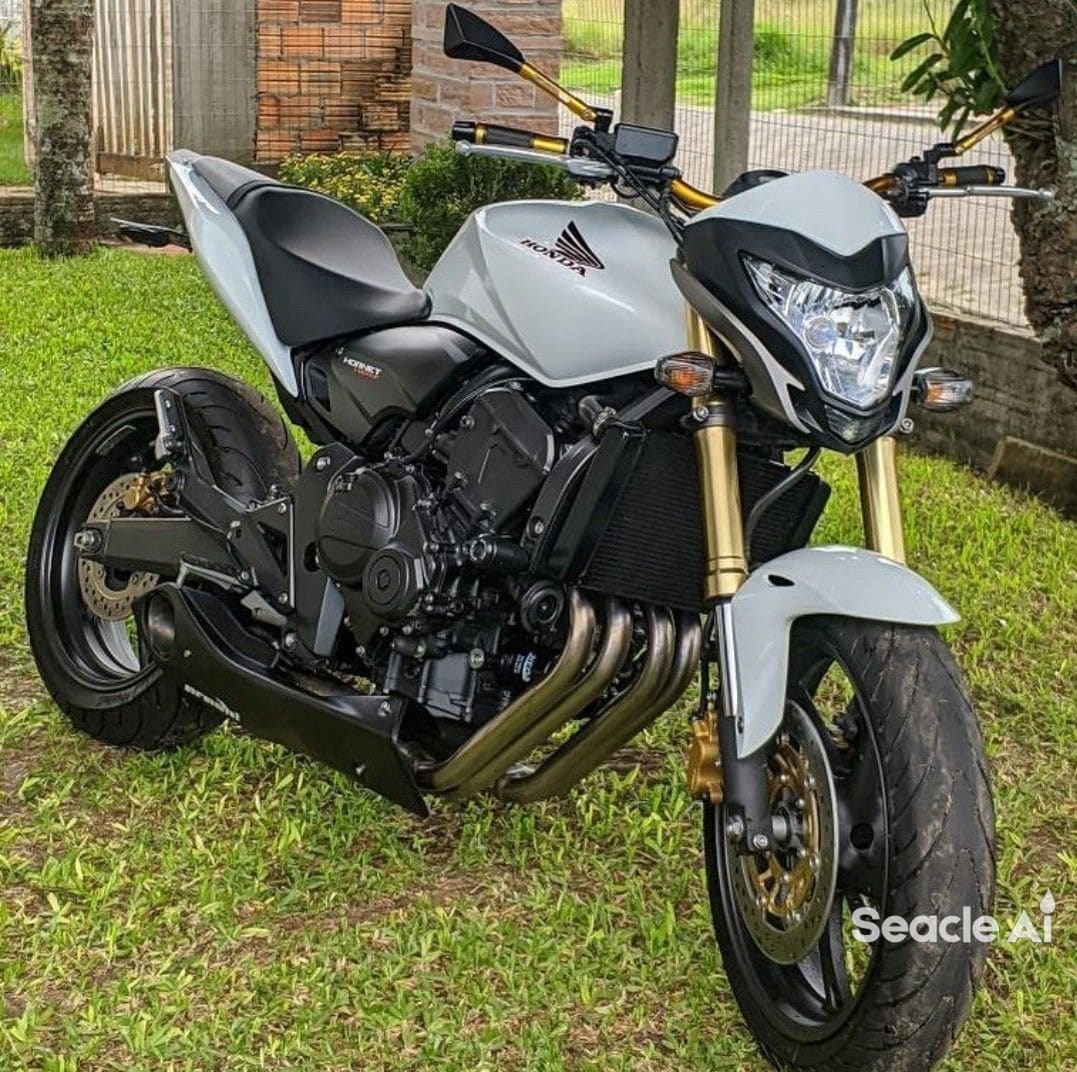
Confirmed vs rumored: the engine and gearbox figures above are confirmed for current production models in India as of 2025. Any sportier power bumps or gearbox changes are currently only rumored and would be advertised separately if Honda updates the line.
Safety, comfort and tech of this mid-weight naked bike
The Hornet 2.0 is built around everyday usability rather than gadgetry. Here’s what actually affects daily life.
Brakes and safety
- Front disc and rear disc or drum depending on variant; many markets offer combined braking (CBS) and select trims may get single-channel ABS. This gives predictable stopping in city traffic, but it’s not the ABS sophistication of higher-end bikes.
- Practical effect: braking is confidence-inspiring in wet monsoon conditions if you’re conservative with inputs. Hard emergency stops still demand rider skill.
Comfort and ergonomics
- Seat is firm and supportive for 1–2 hour city stints; on longer rides (2+ hours) you’ll notice growing lower-back fatigue—shorter riders usually notice this first.
- Upright riding position reduces shoulder strain compared with sport bikes; however the narrow tank means longer highway stretches become tiring after 150–200 km without a break.
Technology
- Basic digital-analog instrument cluster with fuel gauge, gear indicator on some trims, and trip meters.
- No integrated navigation or ride modes on standard trims — fewer distractions, simpler maintenance.
Observation: the simplicity keeps long-term mechanical complexity down, but riders who want traction control, multiple ride modes, or a connected display will be disappointed.
Pros & Cons: Honda Hornet 2.0
- Pros: Strong midrange, light kerb weight for city agility, low-maintenance Honda engine, good fuel efficiency for the segment.
- Cons: Firm seat over long rides, limited touring comfort, braking tech depends on variant (CBS vs ABS), luggage capability is minimal without aftermarket racks.
Who should avoid it: riders who plan regular long highway touring with luggage, riders wanting sportbike-level performance, or those who need factory-fitted advanced safety electronics.
Check Price — test-ride is mandatory if you plan multi-hour commutes; throttle response and seat comfort are areas that vary by tolerance.
Real riding experience
Daily commuting: the engine is eager off the line, which helps in stop-start traffic. Throttle is slightly snappy at low revs; gentle throttle-work smooths city steering. This matters more than it seems during busy junctions.
Highway: settle into 90–100 km/h and the Hornet cruises reasonably. Expect vibration above 6,500 rpm and a mild rise in fuel consumption when you push beyond 110 km/h.
Handling: the chassis is balanced for quick direction changes. In slow-speed parking maneuvers the bike’s weight feels present; you’ll notice weight distribution more when mounting kerbs or reversing park.
Two on board: pillion comfort is acceptable for short runs; for multi-hour two-up rides you’ll want an aftermarket seat or more frequent breaks.
Hornet vs FZ-S
Short answer: the Hornet 2.0 is the more powerful, torque-forward option in the ~180cc class, while the Yamaha FZ-S V4 focuses on low-end refinement and urban fuel economy.
| Item | Honda Hornet 2.0 | Yamaha FZ-S V4 |
|---|---|---|
| Engine & performance | 184–186 cc single, ~17–18 PS, better midrange pull for overtakes. | 149 cc (V4 family), ~13–14 PS, very linear low-end, smoother in stop-start traffic. |
| Torque / Top speed / Mileage | ~16 Nm; top speed 110–125 km/h; claimed mileage ~45 kmpl, real 40–46 kmpl depending on use. | ~13–13.5 Nm; top speed ~105–115 km/h; mileage typically 50+ kmpl in city-friendly riding. |
| Key features | Strong midrange, simple dash, select trims with ABS/CBS. | Refined engine, comfortable ergos, often comes with dual-channel ABS in many markets. |
| Price range (India, indicative 2025) | INR 1.20–1.40 lakh (ex-showroom) depending on variant and state taxes. | INR 1.05–1.25 lakh (ex-showroom). |
| Who should pick which | Choose Hornet if you want quicker overtakes and a slightly more aggressive feel. | Choose FZ-S V4 if you prioritise fuel economy and smoother low-end for urban riding. |
| Tank capacity | ~12–13 litres | ~12 litres |
| Braking & safety | Front disc; CBS or single-channel ABS on some trims (check variant). | Often offers dual-channel ABS and slightly stronger braking hardware on higher trims. |
Nuance: the Hornet’s extra 30–40 cc gives usable overtaking reserve — in traffic you feel it; the FZ-S V4 wins on daily fuel economy and smoother low-speed manners.
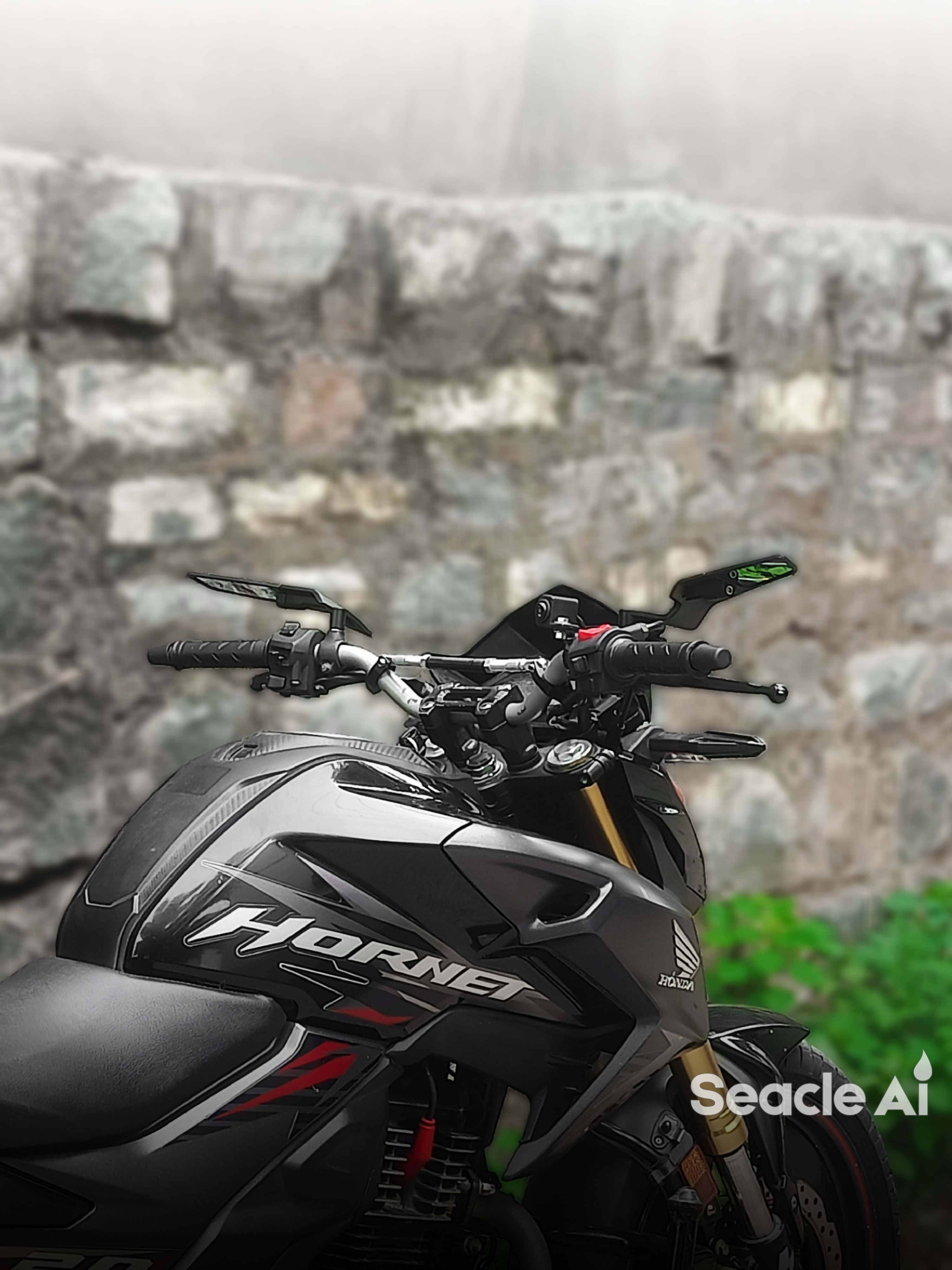
CB Hornet 2.0 mileage
Real-world mileage typically sits between 40–46 kmpl depending on city/highway split and rider style. Aggressive throttle use or sustained speeds above 110 km/h will drop economy noticeably. For someone commuting 40–60 km daily with mixed traffic, expect around 42–44 kmpl.
Alternatives and buying advice
- If you want more long-distance comfort, consider a bike with a softer seat and touring ergonomics.
- If fuel economy and low-speed smoothness are the priority, the FZ-S V4 or similar 150cc bikes make sense.
- Test-ride both solo and with a pillion; check braking feel in wet conditions and confirm ABS/CBS variant in showroom.
FAQs
What is the minimum height to ride Honda Hornet 2.0?
The seat height is about 795 mm; most riders around 160 cm can comfortably ride with both feet touching the ground. Shorter riders may need to practice balancing at stops.
What are the Hornet 2.0 specs that affect daily commute?
The midrange-focused 184–186 cc engine, 5-speed gearbox, and ~142 kg kerb weight combine to give quick take-offs at traffic lights and easy lane changes. That’s what makes the Hornet practical for daily commuting.
How does CB Hornet 2.0 mileage perform in city vs highway?
Expect ~40–44 kmpl in urban stop-go traffic and around 45–50 kmpl during steady highway riding if you keep speeds moderate.
Is the Hornet 2.0 good for long highway touring?
Not ideal. The engine is capable but the firm seat and lack of touring ergonomics mean rider fatigue increases after extended runs. You can tour with modifications, but for factory comfort choose a different model.
Which braking system does it use compared to Yamaha FZ-S?
The Hornet commonly uses disc brakes with CBS and select trims offering single-channel ABS; the FZ-S V4 in many markets comes with dual-channel ABS and marginally stronger stopping hardware.
Conclusion
The Honda Hornet 2.0 is a sensible, well-rounded mid-weight naked motorcycle: useful acceleration in city traffic, easy handling, and manageable running costs. Its strengths are real-world midrange power and light chassis feel; its limitations are firm long-ride comfort, modest luggage options, and braking tech that depends on the variant. If you commute daily in mixed traffic and value a quick, easy-to-ride machine, the Hornet is a strong pick. If you plan regular long tours, want the smoothest low-end for stop-start city life, or need factory dual-channel ABS and advanced electronics, consider alternatives.
Test rides change opinions more than specifications do — book one, check the variant for ABS/CBS, and try a short highway run before committing. View product pages or visit dealers to Compare Options and Check Price in your city.