


Introduction
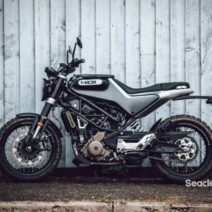
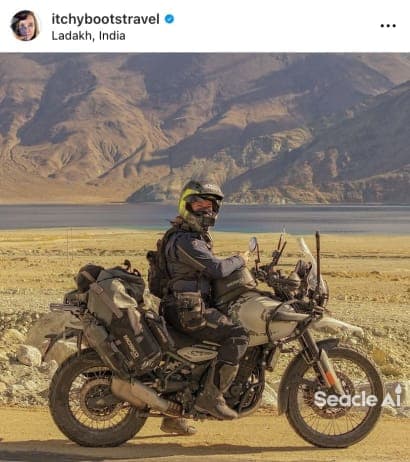
The Royal Enfield Himalayan 411 arrives as an attempt to place a mid-capacity, road-focused adventure bike in the segment where riders want more torque and long-legged gearing than typical street bikes. In plain terms: think of a bike built to feel planted on broken tarmac and country roads rather than to win races. Early reports and tests suggest it’s aimed at dual-purpose commuters and weekend explorers, not hardcore off-road racers.
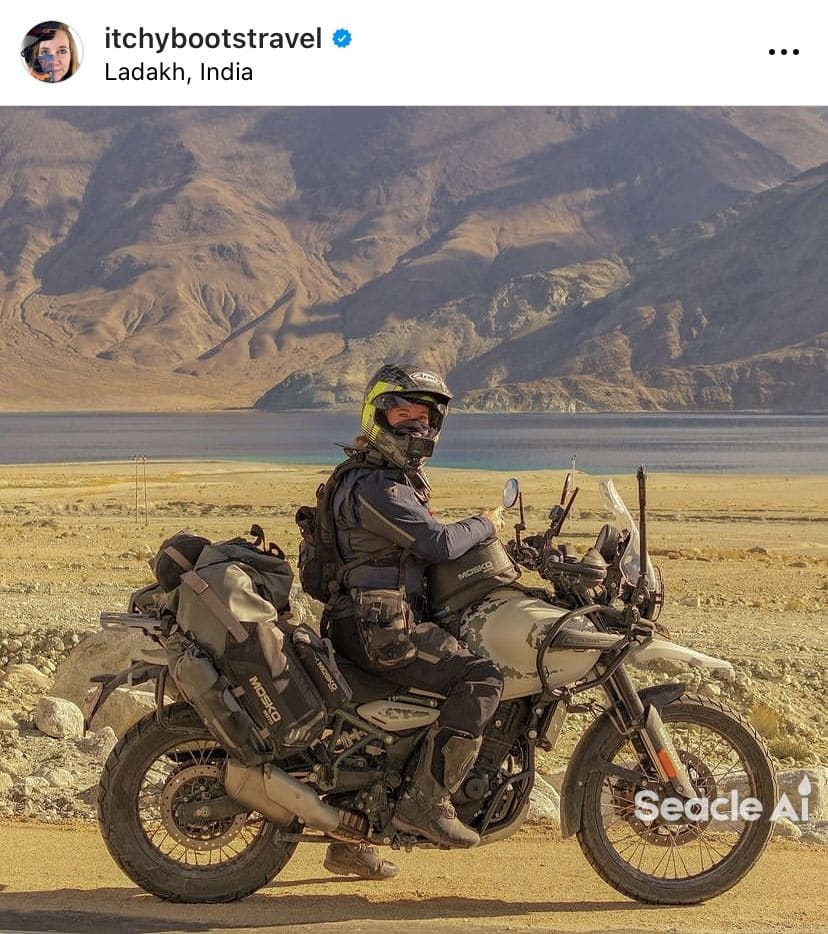
Table of Contents
- Introduction
- Himalayan 411 specs — Engine, power, torque, top speed
- Safety, comfort and tech
- minimum height to ride Himalayan
- Real riding experience and practical notes
- Himalayan vs Dominar 400 — direct comparison
- Use-cases, limitations and who should avoid it
- Alternatives
- FAQs
- Conclusion
Himalayan 411 specs — Engine, power, torque, top speed
The core proposition is a single-cylinder, ~411cc engine with fuel injection and liquid cooling — as per reports, the engine is tuned for mid-range grunt rather than peak horsepower. Expected numbers being circulated in 2025–26 suggest around 30 PS of power and roughly 35 Nm of torque, paired with a 6-speed transmission. Claimed top speed is in the 140–150 km/h band, while expected fuel economy in mixed conditions is ~28–34 km/l; real-world economy in city traffic will likely dip toward the mid-20s.
- Engine: ~411 cc, single-cylinder, liquid-cooled, FI (as per reports)
- Power: ~30 PS @ approx. 6,500 rpm (rumored)
- Torque: ~35 Nm @ 3,000–4,000 rpm (rumored)
- Transmission: 6-speed manual
- Top speed: ~140–150 km/h (expected)
- Mileage: 28–34 km/l claimed; expect ~24–28 km/l in urban stop-start
- Seat height: reported 810–835 mm (this affects who can flat-foot)
Confirmed mechanical details remain limited in public documents, so treat the figures above as provisional. The way the motor delivers torque — a broad midband rather than a sharp top-end surge — is what gives the bike its usable character on inclines and twisty roads.
Safety, comfort and tech
Royal Enfield appears to focus on practical features rather than flashy electronics. Expected and reported features include:
- ABS (dual-channel likely) and switchable traction control in higher trims (rumored).
- Long-travel suspension with around 180 mm front travel in demos — built to soak up potholes, not to be slammed over big jumps.
- Comfort-focused ergonomics: upright bars, a flat seat that allows weight shift for light standing on pegs, and a fairly narrow tank for lower knee reach.
- Simple LCD or semi-digital instrument cluster with navigation-ready phone connectivity in mid-to-high trims.
One practical note: the suspension setup that absorbs city bumps well will show its compromise on extended highway runs — the softer damping can mean body roll during late-lane changes at sustained triple-digit speeds. This is where the bike’s design intent becomes obvious: it prefers steady, controlled touring rather than aggressive sport riding.
minimum height to ride Himalayan
The seat height reported around 810–835 mm makes the bike best suited to riders approximately 165 cm (5’5″) and above. Shorter riders can manage with flat-foot strategies on tiptoes or with modified seats, but initial manoeuvring in tight spots will feel less confident. Shorter riders usually notice this first when putting the bike on centre-stand or balancing at junctions.
Real riding experience and practical notes
From early rides and owner feedback, two observations stand out:
- Throttle response is smooth but not instantaneous — in traffic the bike feels relaxed rather than snappy. This reduces rider fatigue in stop-start commutes but makes quick overtakes require planning.
- Weight distribution is forward enough that at slow speeds the Himalayan 411 feels heavier than a naked 400. Parking-lot turns and tight U-turns demand commitment. This is more pronounced on uneven ground where you need to lift from the hips rather than the wrists.
There’s a tactile balance to the chassis: like building a simple beach sculpture, the bike needs a wide, stable base (chassis and weight) to feel reassuring — it won’t collapse into wobble, but you’ll need to respect its mass when changing direction abruptly.
Compare it now with the Dominar 400 — if you’re weighing options.
Himalayan vs Dominar 400 — direct comparison
Below is a focused table comparing reported/expected Himalayan 411 numbers against current Dominar 400 specs (Bajaj’s 373cc DOHC single as available in 2025). I’ve separated confirmed Dominar specs from the Himalayan’s expected values.
| Item | Royal Enfield Himalayan 411 (expected) | Bajaj Dominar 400 (confirmed 2025) |
|---|---|---|
| Engine & overall performance | ~411cc single; mid-range tuned; relaxed for touring and rough roads | 373.3cc single; DOHC; sharper power delivery suited to fast highway riding |
| Torque, top speed, mileage | ~35 Nm; top ~140–150 km/h; 28–34 km/l claimed (real ~24–28 in city) | ~35 Nm; top ~150–160 km/h; 25–30 km/l real-world |
| Key features | Long-travel suspension, upright ergonomics, likely basic smartphone connectivity | Slipper clutch, sharper frame, better high-speed stability, modern cluster |
| Price range (India, 2025) | Expected ₹2.40–2.90 lakh (ex-showroom estimate) | ₹2.05–2.25 lakh (ex-showroom typical range in 2025) |
| Which rider should choose which | Buy if you want comfort on rough roads, torque for climbs, and an adventure posture | Buy if you want faster acceleration, sportier handling, and better highway performance |
| Tank capacity | Expected ~15–16 litres | 13 litres (confirmed) |
| Braking systems & safety | Likely dual-channel ABS; higher trims might get switchable traction control (rumored) | Dual-channel ABS, slipper clutch on recent models (confirmed) |
Which to pick?
If you do a lot of mixed-surface commuting and medium-length touring with periodic highway gaps, the Himalayan 411’s setup (softer suspension, more range) makes sense. If you prioritise outright speed, sharper mid-range throttle and lower initial cost, the Dominar 400 is more compelling.
Use-cases, limitations and who should avoid it
Important limitation: the Himalayan 411 is not ideal for hard-core off-roading. The suspension and weight are tuned for comfort and stability on gravel and poor tarmac — not for extended rock gardens, berms, or high-speed motocross-style runs. If your rides are >70% off-road technical trails, you should avoid it.
Other trade-offs:
- Maintenance: larger displacement and long-travel suspension can mean higher service costs compared with smaller commuters over long ownership.
- Refinement: at idle and in city crawling, vibration and gearbox clunks may be more noticeable than on fully-sorted sport bikes.
Alternatives
Consider the Dominar 400 if you want sportier road manners. For lighter off-road use, a dual-sport 250–300 might be easier on tight trails and cheaper to run. Each choice changes long-term running costs and comfort.
FAQs
Q: What are the confirmed Himalayan 411 specs?
A: Few specs are confirmed publicly; most numbers remain reported or expected for 2025–26. Treat power and torque figures as provisional until official release.
Q: How does Himalayan mileage compare to rivals?
A: Himalayan mileage is expected to be 28–34 km/l under mixed riding, which matches or slightly exceeds heavier sport-tourers. Himalayan mileage depends strongly on gear use and city traffic.
Q: What is the minimum height to ride Himalayan?
A: Recommended minimum rider height is around 165 cm due to a reported 810–835 mm seat height; shorter riders will feel less confident at low speeds.
Q: Himalayan vs Dominar 400 — which is safer?
A: Both will have dual-channel ABS; Himalayan’s upright position helps visibility and comfort, while Dominar’s tighter chassis can feel more composed at high speed. Specific safety equipment varies by trim.
Conclusion
The Royal Enfield Himalayan 411 (as reported) is an interesting middle ground: more torque and touring comfort than a commuter, more usable off-pavement manners than a pure sportbike, but not a hardcore off-roader or a racetrack weapon. Strengths are mid-range torque, range and comfort on poor surfaces; weaknesses include weight at low speeds, likely higher maintenance than smaller bikes, and limited suitability for highly technical off-road riding.
If you mostly ride mixed roads, value comfort and need a forgiving mid-size engine, it’s worth test-riding. If you want brisk acceleration, low running cost, or daily hardcore trail duty—look elsewhere.
Compare options and check current prices before committing.
Ready to see current listings? Check price and local availability for the Himalayan 411 and Dominar 400 to match trims and options to your intended use.
URL slug: royal-enfield-himalayan-411-review-specs-comparison
Meta title: Royal Enfield Himalayan 411 Review — Specs, Limits & Dominar 400 Comparison
Meta description: The Royal Enfield Himalayan 411 aims at mid-range touring with expected 411cc torque focus, practical comfort and clear limitations on hard off-roading — what to know before buying.
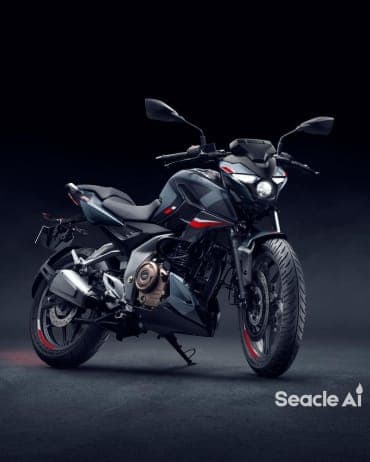
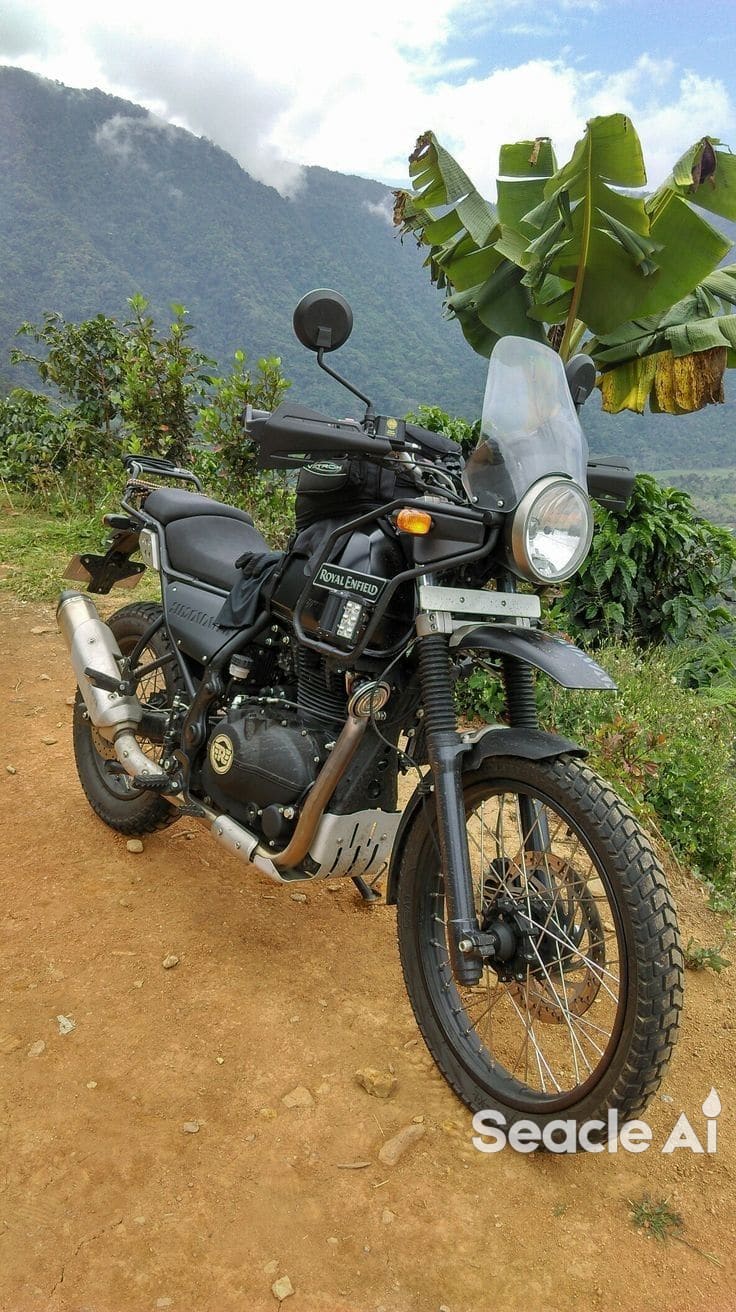
Image alt text 1: Royal Enfield Himalayan 411 front profile on rough road
Image alt text 2: Himalayan 411 parked near highway with luggage