

Introduction
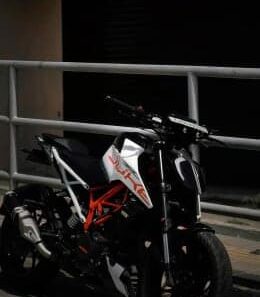
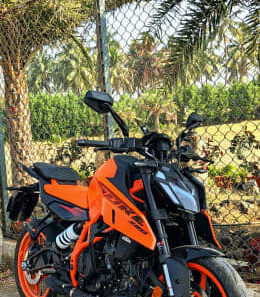
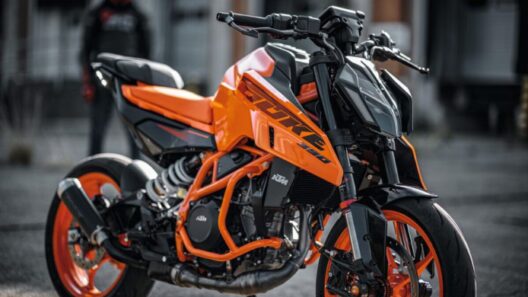
The KTM 390 Duke sits in the sweet spot between a sporty street bike and a usable everyday machine; it’s a lightweight, single-cylinder naked designed for rapid city moves and energetic weekend rides. In simple terms: it’s for riders who want a lively engine, sharp handling, and modern electronics without carrying the size or weight of a liter-class machine.
Table of Contents
- KTM 390 Duke — Quick overview
- 390 Duke specs
- Safety, comfort and tech
- Real-world impressions and observations
- KTM 390 vs CB300R
- Pros and cons
- Who should buy which
- FAQs
- Conclusion
KTM 390 Duke — Quick overview
The bike is a lightweight naked streetfighter with a single-cylinder, liquid-cooled engine, aimed at urban riders and enthusiasts who want a usable powerband without excessive bulk. It’s agile in traffic, easy to flick through corners, and carries modern electronics that make performance predictable rather than intimidating. Think of it like using the stars to orient a route: compact reference points guide you sharply if you know how to read them.
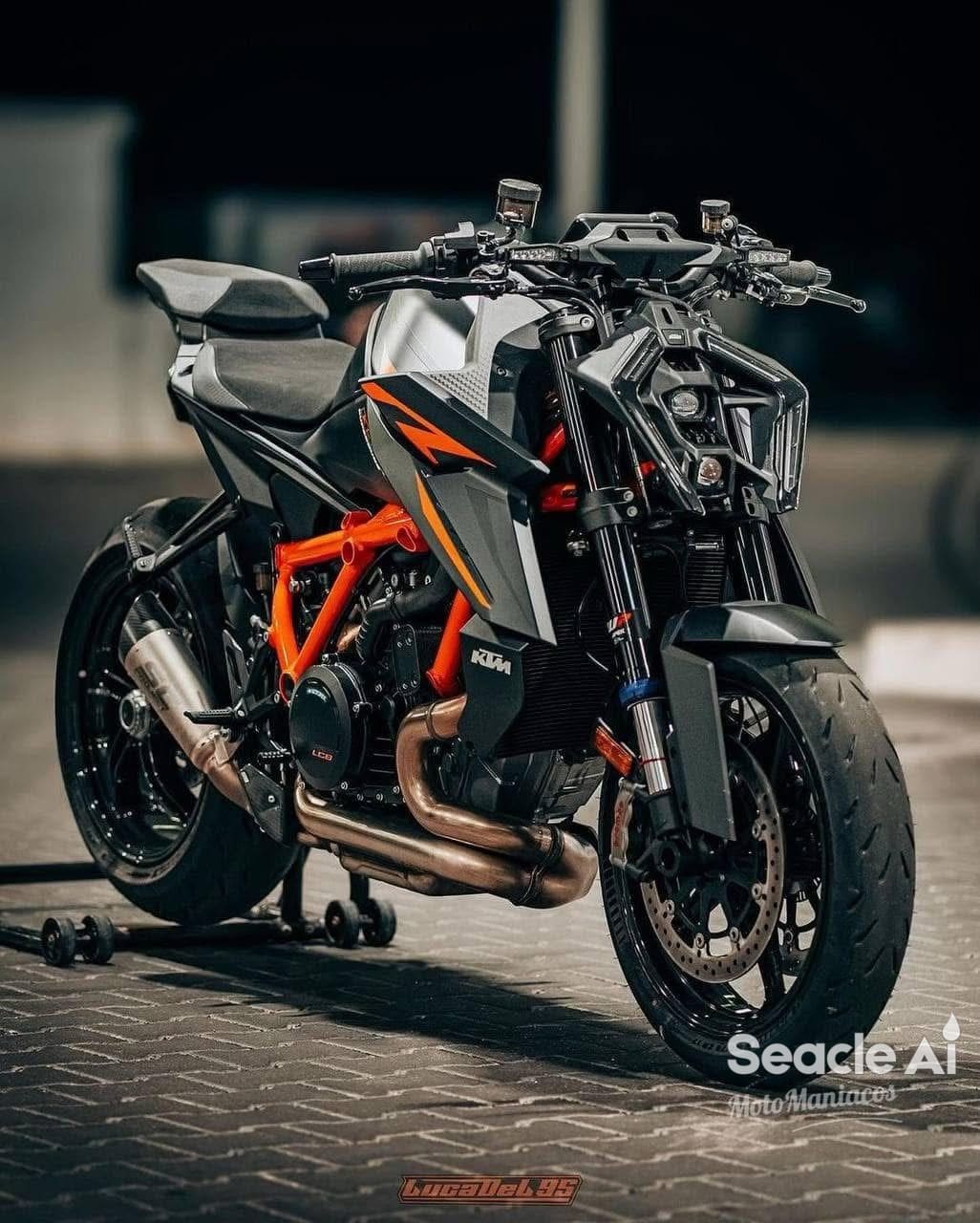
390 Duke specs
Confirmed/typical specifications you’ll see on recent models (2024–2026 market references):
- Engine: Single-cylinder, liquid-cooled, DOHC
- Displacement: ~373 cc
- Power: ~43–44 PS (approximately 32–33 kW) at ~9,000 rpm
- Torque: ~37 Nm at ~7,000 rpm
- Top speed: around 160–170 km/h (varies with rider and conditions)
- Mileage: typically 25–30 km/l in mixed Indian riding (city + highway)
- Seat height: ~830 mm
- Transmission: 6-speed manual, slipper clutch, often with quickshifter (upshift)
Confirmed vs expected: the engine layout, displacement, and power range above are confirmed on recent production models. Minor changes to mapping, emissions hardware, or rider modes are sometimes introduced between model years; those are likely but model-specific and may vary by market.
Minimum height to ride KTM 390 Duke
Seat height sits near 830 mm, so the practical minimum height to ride the KTM 390 Duke comfortably is about 160 cm (5’3″) for riders who can flat-foot one foot at stops; 165 cm+ (5’5″) is more comfortable for full confidence. Shorter riders usually notice the ground reach first and may prefer narrower-rail seats or lowering kits.
Safety, comfort and tech (including 390 Duke specs references)
Key features that matter day-to-day:
- Brakes: Perimeter discs with dual-channel ABS (cornering ABS on later models). Braking is sharp but initial bite can feel abrupt to some riders.
- Suspension: WP suspension, typically firm and sporty. It keeps the bike composed but transmits road harshness—this is where shorter commutes on poor surfaces will test you.
- Electronics: Ride modes, traction control, TFT display with smartphone connectivity on newer models — practical for navigation and call alerts.
- Comfort: Upright ergonomics, narrow tank for city manoeuvres, but the seat is firm for long-distance comfort; expect saddle fatigue after 2–3 hours without breaks.
Usability insight: the electronics make the power feel less brittle in wet or busy traffic, but the firm suspension becomes obvious on potholed urban roads—this matters more than it seems when you ride daily.
Real-world impressions and observations
How the bike behaves beyond specs:
- Throttle: responsive low-end for city overtakes; in slow traffic the bike can feel jumpy if you’re heavy on the throttle—a lighter wrist helps.
- Fatigue: the firm suspension and sporty footpeg position build fatigue on long touring days; after 3–4 hours you will notice more pressure on wrists and seat bones compared to more touring-oriented bikes.
- Heat and maintenance: single-cylinder engines can radiate noticeable heat in stop-and-go traffic. Maintenance costs are higher than mass-market 150–200 cc bikes—expect pricier consumables and interval checks.
Check Price — if you’re comparing models, look at dealer offers and warranty packages; they affect running cost materially.
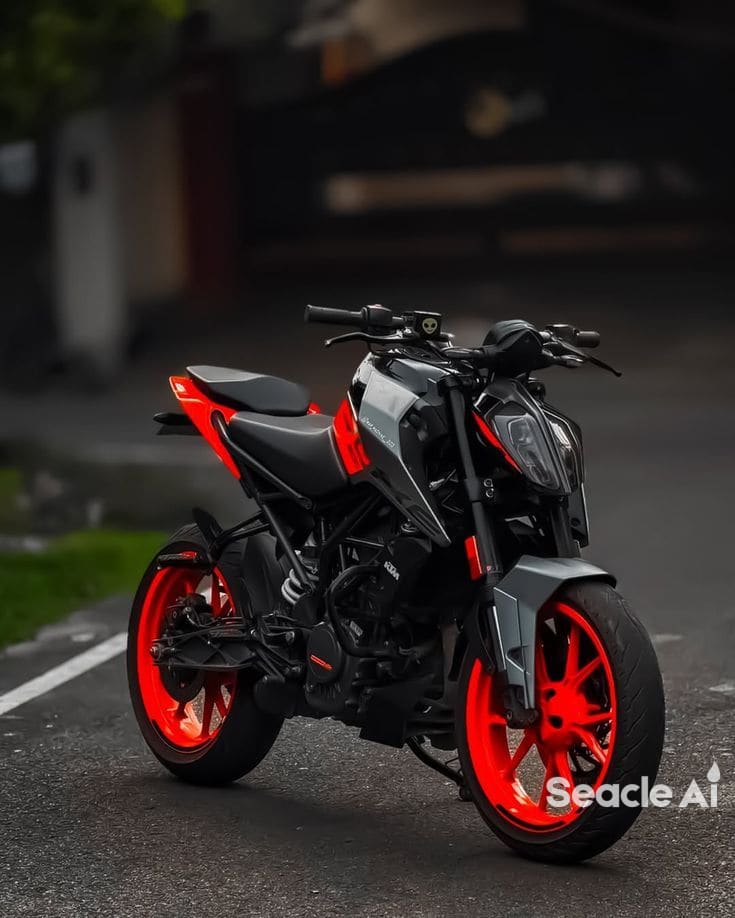
KTM 390 vs CB300R
Short comparison then a table:
| Specification | KTM 390 Duke | Honda CB300R |
|---|---|---|
| Engine / Displacement | Single-cylinder, ~373 cc | Single-cylinder, ~286 cc |
| Power | ~43–44 PS | ~30–31 PS |
| Torque | ~37 Nm | ~27 Nm |
| Top speed | ~160–170 km/h | ~140–150 km/h |
| Mileage (real-world) | 25–30 km/l (mixed) | 28–35 km/l (mixed) |
| Tank capacity | ~13–14 litres | ~10–12 litres |
| Braking / Safety | Dual-channel ABS, cornering ABS on recent models | Dual-channel ABS, more compliance in suspension |
| Price (India, approx. 2025) | INR 2.9–3.2 lakh (ex-showroom) | INR 2.5–2.9 lakh (ex-showroom) |
Nuanced take: the KTM outguns the Honda in outright acceleration and top-end fun; the CB300R is easier to live with in traffic, returns slightly better fuel figures and is gentler on poor surfaces. Which matters depends on whether you prize peak performance or everyday ease.
Pros and cons
Strengths
- Strong power-to-weight ratio — brisk in city and canyon roads.
- Modern electronics and aggressive styling.
- Good aftermarket for ergonomics and luggage.
Limitations and realistic drawbacks
- Not ideal for long highway touring without ergonomic mods — the firm seat and peg position cause fatigue after several hours.
- Suspension trades comfort for handling; on poor Indian roads it feels harsh.
- Maintenance and parts cost are higher than many commuter bikes; expect service intervals and consumables to be pricier.
This is where things get tricky: if you want a weekend track day toy that you also commute on, the KTM can work, but if your daily ride includes long, rough highways, you’ll feel the compromise quickly.
Who should buy which
If you’re a rider who values acceleration, nimble handling, and a tech-forward package—especially in urban and short to medium distance rides—the KTM 390 Duke is a strong pick. If you prefer softer manners, slightly better fuel economy, and marginally lower running costs, the Honda CB300R makes more sense.
FAQs
- What is the minimum height to ride KTM 390 Duke?
Practical minimum is around 160 cm to get at least one foot on the ground; 165 cm or taller is more comfortable for confident handling. - What is the KTM Duke 390 mileage in city use?
Real-world city mileage tends to be 20–25 km/l depending on traffic and throttle habits; highway cruising improves that figure. Aggressive riding drops it below 20 km/l. - Does the KTM 390 Duke come with traction control?
Yes—recent models have traction control and selectable ride modes. The systems are aimed at keeping the single-cylinder power usable rather than eliminating wheelspin entirely. - Is the KTM 390 Duke good for long-distance touring?
It’s usable for medium touring with luggage and a more comfortable seat, but stock ergonomics and suspension will create fatigue over long days—many owners fit bar risers and gel seats for comfort. - How does KTM 390 Duke compare to Honda CB300R on braking?
Both have ABS; KTM often has edge in braking feel and hardware, while Honda prioritises predictable modulation. Which you prefer depends on how you brake—short, hard stops favour KTM; long, sustained braking favours Honda’s predictable setup.
Conclusion
The KTM 390 Duke is a sharply focused motorcycle: excellent for urban riders and enthusiasts who want punch, agility, and modern electronics. Downsides are clear—firm suspension, a seat that becomes tiring on long runs, and higher maintenance costs than smaller commuters. If you want a bike that’s forgiving on rough long-distance roads or prioritises fuel economy above all, look elsewhere. For a rider who will use the bike for spirited commutes, canyon runs, and occasional long trips with ergonomic tweaks, it’s a very compelling choice.
Buy Now — compare dealer offers, check warranty and service packages before you decide.
—SEO—
URL slug: ktm-390-duke-review-specs-comparison
Meta title: KTM 390 Duke — Practical Review, Specs, Limitations and CB300R Comparison
Meta description: Practical overview of the KTM 390 Duke covering specs, who it suits, limitations for touring/off-road use, and a detailed comparison with the Honda CB300R.
Image alt text 1: KTM 390 Duke side view on city road
Image alt text 2: KTM 390 Duke cockpit and TFT display