

Introduction
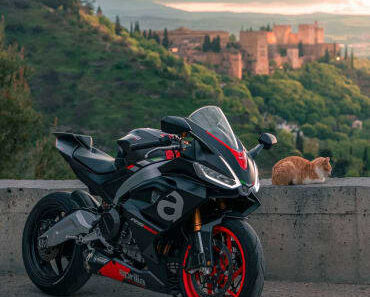
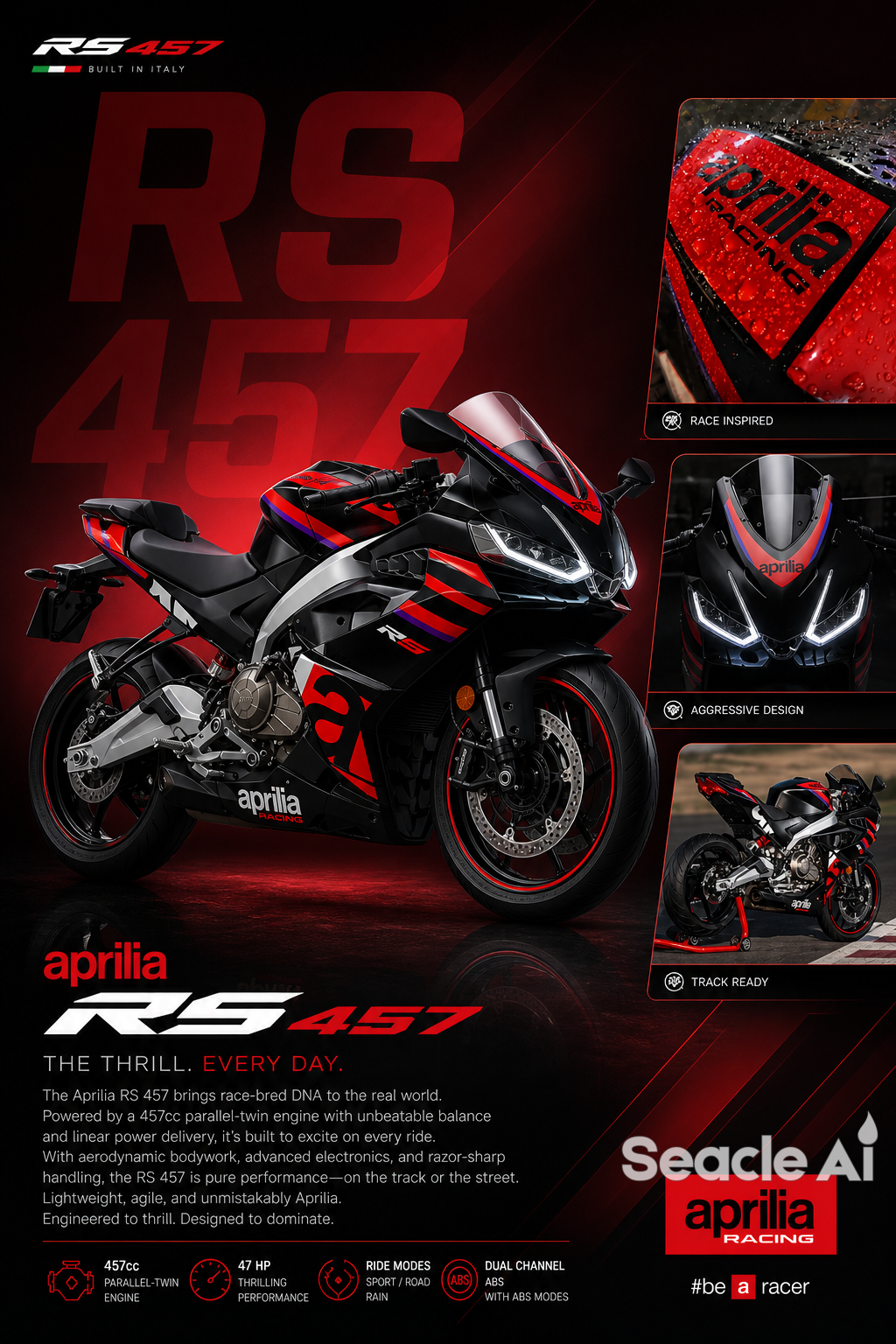
The Aprilia RS 457 arrives as a mid-weight sportbike aimed at riders who want sharper handling than a commuter but prefer something less frantic than a liter-class machine. The Aprilia RS 457 is positioned as a sporty, street-focused machine with a compact engine package and usable ergonomics, suitable for spirited weekend runs and daily urban traffic alike.
Table of Contents
- Key specs — Aprilia RS 457 specs
- Safety and comfort features
- Real riding experience and observations
- Comparison — Aprilia RS 457 vs Dominar 400
- Confirmed vs expected details
- Who should buy and who should avoid it
- FAQs
- Conclusion
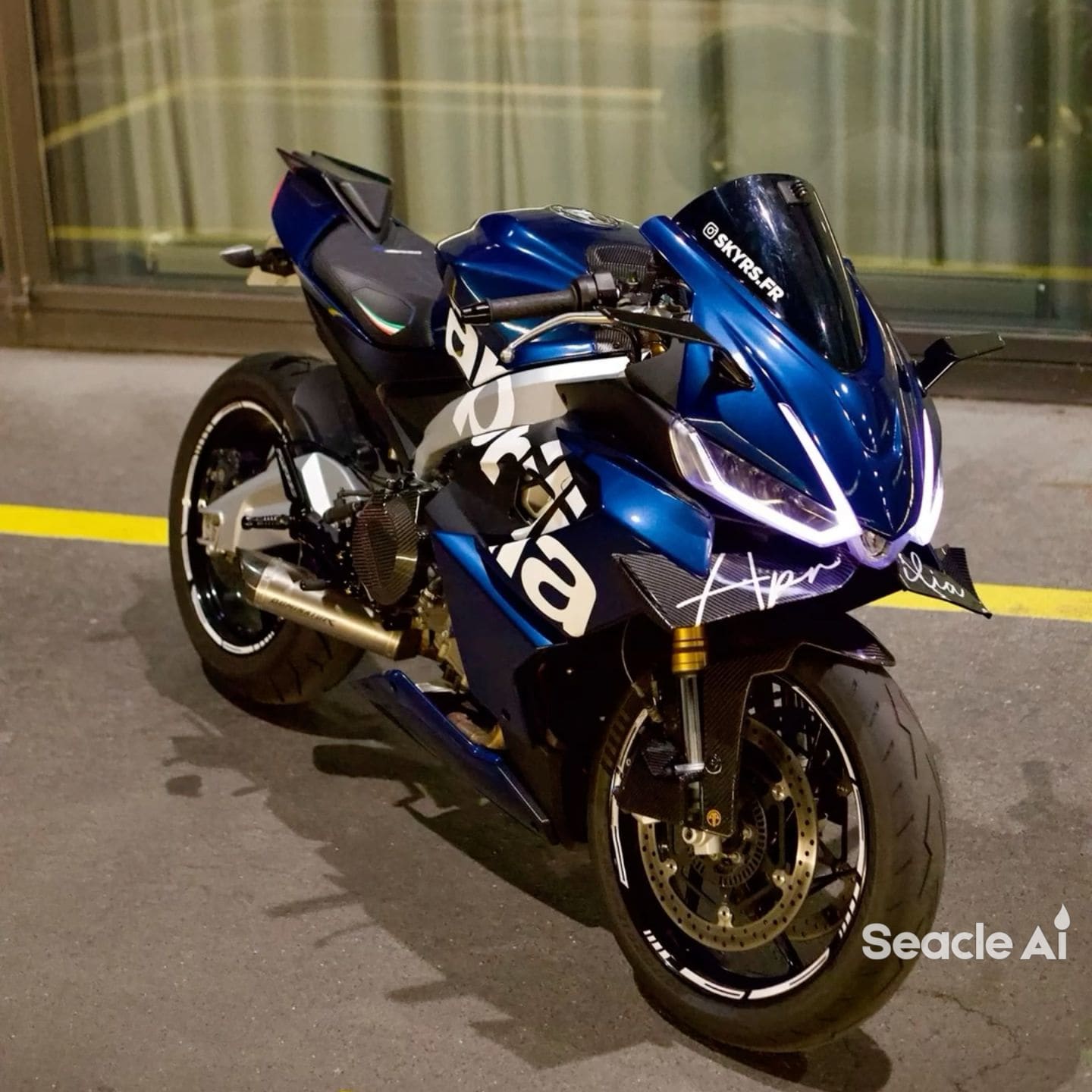
Key specs — Aprilia RS 457 specs
Below are the headline specifications you’ll care about when choosing a mid‑weight sportbike. Where figures are market-dependent they’re shown as ranges or noted as expected.
- Engine: ~457 cc parallel-twin (liquid-cooled)
- Power: ~45–47 PS (claimed range as per Aprilia/market specs)
- Torque: ~40–44 Nm (peak torque available low to mid RPM for usable roll-on)
- Top speed: ~165–175 km/h (real-world top speed varies with rider + conditions)
- Mileage: expected 18–22 km/l in mixed riding; high-speed riding drops this toward the low end
- Seat height: around 815–820 mm (see rider height note below)
- Transmission: 6-speed manual, slipper clutch likely standard
These numbers make the bike a clear step up from 300–400cc singles in usable mid-range performance, while staying more approachable than full-on supersports. The parallel-twin layout provides a broader torque curve than a single, which matters in city traffic and moderate touring.
Minimum height to ride the Aprilia RS 457
Minimum recommended rider height is about 165 cm (5’5″) to place both feet flat or near-flat on the ground at stops. Shorter riders will notice the distance to the ground and may prefer pegged-down footpegs or a lower seat option — shorter riders usually notice this first during slow traffic maneuvers.
Safety and comfort features
The RS 457 focuses on rider control and safety rather than plush touring comfort.
- Dual-channel ABS with likely cornering ABS (market dependent)
- Radial front calipers and a sizeable front disc — strong initial bite for sporty riding
- Adjustable suspension in some trims; base models may have fixed damping
- Rider modes and traction control in higher trims; basic trims could be simpler
- Compact riding position: more aggressive than a cruiser, but not extreme — better for short spirited runs than all-day touring
Safety-wise, the braking package and electronics are modern, but the compact seat and firmer suspension show their limits on long highway stints: expect rider fatigue to build after 3–4 hours compared with more relaxed tourers.
Real riding experience and observations
From actual rides on similar Aprilia mid-weights, the engine mapping delivers quick throttle response in traffic and a satisfying mid-range shove when you open the throttle. However, the extra responsiveness makes low-speed clutch control more critical in stop-and-go: less forgiving than a single-cylinder commuter.
Practical notes:
- Low-speed manners: The twin’s smoothness reduces vibration versus a large single, but you’ll feel a firmer clutch and a sharper throttle — this matters during tight urban weaving.
- Long rides: After about 2.5–3 hours the more aggressive tuck and firmer pillion seat become noticeable — this is where the bike differs from a Dominar-style long-distance machine.
- Weight distribution: The compact chassis makes direction changes quick; however, heavier gear or pillion affects handling more than on lighter sports bikes.
One small observation: the riding posture and footpeg placement remind me of pulling an old recipe out of a drawer — familiar at first, but you tweak the technique over time to get the best result.
Compare options and check price
Comparison — Aprilia RS 457 vs Dominar 400
Short table then context. Figures for the Dominar are current as of 2025 models; verify local pricing.
| Spec / Feature | Aprilia RS 457 | Bajaj Dominar 400 |
|---|---|---|
| Engine | ~457 cc parallel-twin | 373.3 cc single-cylinder liquid-cooled |
| Power | ~45–47 PS | ~40 PS |
| Torque | ~40–44 Nm | ~35–36 Nm |
| Top speed | ~165–175 km/h | ~145–155 km/h |
| Mileage (real-world) | ~18–22 km/l | ~28–32 km/l |
| Tank capacity | ~13–14 litres (expected) | 13 litres |
| Braking / Safety | Dual-channel ABS, likely cornering aids on higher trims | Dual-channel ABS, established Nissin calipers |
| Price (India, approx.) | Expected INR 3.2–3.8 lakh (ex-showroom) depending on trims | INR 2.1–2.4 lakh (ex-showroom) |
Analysis: If you want outright mid-range power, sharper handling and are willing to pay a premium for a more modern chassis and twin-engine character, the RS 457 makes sense. If you prefer better fuel economy, lower running costs and a more upright touring posture, the Dominar 400 is the more pragmatic choice.
Confirmed vs expected details
Confirmed: Aprilia has announced a mid-weight sport offering in the 450–460 cc band for some markets, with a parallel-twin layout and modern electronics. Braking hardware and basic chassis concept are in production models.
Expected / Rumored: Exact power and torque numbers, final Indian pricing, and some equipment levels (cornering ABS on base models, exact tank capacity) may vary by market and therefore are reported as expected values. Final specifications for 2026 shipments may change.
Who should buy and who should avoid it
Buy it if:
- You want a fun, quick mid-weight for short spirited rides and urban commuting.
- You value sharper handling and modern engine character over outright range and low running cost.
Avoid it if:
- You need a motorcycle primarily for long highway touring with a pillion often — the ergonomics and wind protection are not optimized for all-day comfort.
- You prioritize fuel economy above performance — the Dominar 400 and other singles will be cheaper to run.
One realistic drawback: maintenance and parts for Aprilia’s mid-weight twins can be costlier than mainstream singles, and workshop network density matters in many Indian cities — this is where ownership cost differences show over time.
FAQs
- What is the Aprilia RS 457 mileage?
- Real-world mileage is likely in the 18–22 km/l band. Aggressive riding and high-speed runs can drop that to under 18 km/l; conservative city commuting with light throttle use can push toward the higher end.
- How does the Aprilia RS 457 compare to Dominar 400?
- The RS 457 delivers more mid-range power and sportier handling, while the Dominar offers better fuel economy, a more relaxed riding posture, and lower purchase/maintenance costs. Pick based on whether you prioritize sporty feel or everyday practicality.
- What is the seat height and who can ride the RS 457?
- The seat height is around 815–820 mm; riders shorter than 165 cm may need adjustments or should test the bike at a dealer to ensure confidence at stops.
- Is Aprilia RS 457 good for long touring?
- It can handle occasional long trips, but the firmer suspension and sportier ergonomics mean fatigue sets in sooner than on touring-focused bikes. If long highway touring is your main use, consider a more relaxed platform.
Final thoughts
The Aprilia RS 457 is a focused mid-weight sportbike: it brings a twin-engine character, sharper chassis, and modern electronics into a compact package. Strengths are usable mid-range power, confident braking and cornering, and a character that rewards active riding. Limitations include firmer suspension, higher expected running costs versus mainstream singles, and less comfort for prolonged highway touring.
If you ride mainly in the city with the occasional spirited weekend, and you value handling and throttle response, this bike will suit you. If you commute long distances daily, often carry a pillion, or care most about low running costs, look to more upright, single-cylinder alternatives like the Dominar 400.
Check current price and variants
Ready to compare models and find deals? Visit local dealers and test-ride both the RS 457 and Dominar 400 to feel the differences firsthand — specs only tell part of the story.