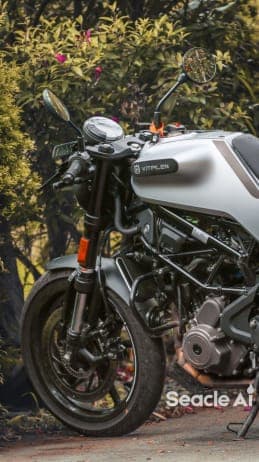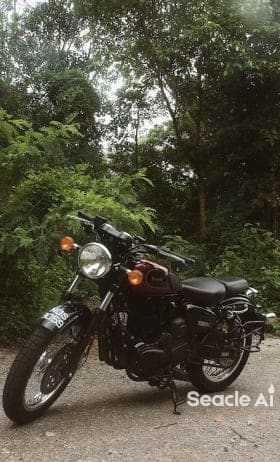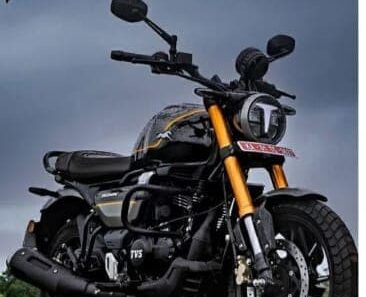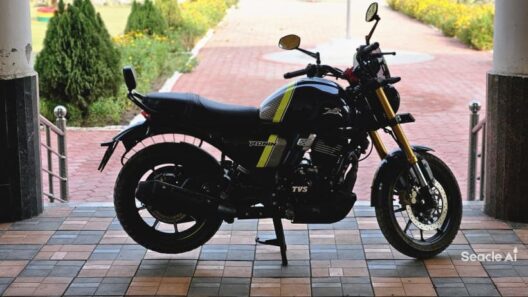
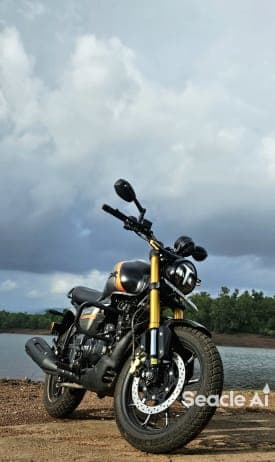

The TVS Ronin arrived as a roadster-style option that tries to sit between a relaxed cruiser and an agile street bike. It’s aimed at riders who want character, usable mid-range punch and modern tech without committing to a full-on sports machine. In short: a street-focused, mid‑weight motorcycle with retro cues and contemporary electronics.
Table of Contents
- TVS Ronin specifications
- Who the Ronin is for and who should avoid it
- TVS Ronin mileage and real-world fuel economy
- Key safety, comfort, and technology features
- TVS Ronin vs Yamaha FZ‑X 155
- Real riding impressions and limitations
- Alternatives and buying advice
- FAQs
- Conclusion
TVS Ronin specifications
Below I separate what manufacturers and reliable sources have confirmed from figures that are reported or expected. Numbers matter here, so I note uncertainty.
Confirmed items
- Type: street roadster / neo-retro with upright ergonomics and a flat handlebar.
- Transmission: 5‑speed manual gearbox (single-disc clutch).
- Brakes: Front and rear disc brakes with standard ABS (dual-channel on some variants in 2025).
- Chassis: Steel tubular frame designed for urban agility.
Reported / expected figures (may change)
- Engine: ~225 cc, single‑cylinder, oil-cooled unit — reports list it in the mid‑200s cc class.
- Power: around 19–21 PS at peak rpm (as per test reports and manufacturer briefings in 2025).
- Torque: roughly 17–20 Nm, with the meat of the pull in the 3,000–6,500 rpm window.
- Top speed: commonly cited ~120–135 km/h depending on load and wind conditions.
- Kerb weight: mid‑170 kg range in most listings.
- Seat height / rider reach: approximately 790–815 mm (see minimum height note below).
- Fuel tank: reported around 12–13 litres.
These reported numbers are consistent across late‑2025 reviews and dealer specs, but smaller regional variants may differ. If you need factory-certified figures, confirm at a dealership before purchase.
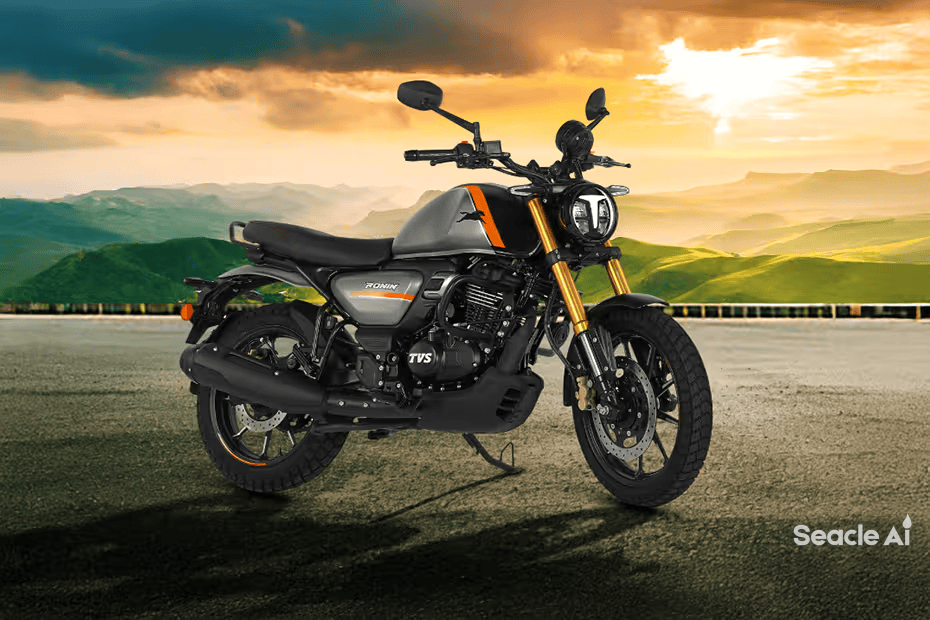
Who the Ronin is for and who should avoid it
The Ronin suits riders who want a confident mid‑range roll-on rather than outright top-end acceleration. It’s best for:
- City riders who value torque low in the rev band for easy overtakes.
- Weekend explorers who prefer a relaxed upright posture and styling that stands out.
- Buyers who want modern features (ABS, day‑running LEDs) without a sports‑bike maintenance curve.
Who should avoid it: if you need a motorcycle for frequent long highway touring at sustained high speeds, heavy pillion + luggage runs, or off‑road riding, this model is not ideal — suspension and gearing are tuned for street comfort and urban agility, not loaded long‑distance cruising or dirt tracks.
TVS Ronin mileage and real-world fuel economy
Claimed economy figures vary; real riders report mid‑30s km/l in mixed city/highway use and low‑40s on relaxed highways. If you commute stop‑start in hot Indian summers, expect consumption to drop by 10–15% compared with steady‑speed cruising. This matters more than it seems: longer daily idling and traffic significantly change running costs over a year.
Practical note: If your daily run is heavy city traffic, factor in shorter service intervals and slightly higher fuel spend than a lighter 150cc commuter.
Key safety, comfort, and technology features
- ABS: dual‑channel on higher trims; single-channel or optional on base — check variant.
- Lighting: full LED headlamp and DRLs for visibility in urban conditions.
- Instrument cluster: TFT or semi‑digital cluster with trip meters and gear indicator on higher variants.
- Seat and ergonomics: flat, broad seat with neutral pegs for predictable weight distribution — comfortable for 2–3 hour rides but not built for long‑distance plush touring.
One rider-note: the Ronin’s mid‑seat padding is fine for two-hour blocks, but you’ll feel the difference after 3–4 hours compared with dedicated touring seats — shorter riders usually notice pressure at the tailbone first.
TVS Ronin vs Yamaha FZ‑X 155
| Item | TVS Ronin (reported) | Yamaha FZ‑X 155 (typical spec) |
|---|---|---|
| Engine / Displacement | ~225 cc single‑cyl (torquey midrange) | 155 cc single‑cyl (lighter, revvier) |
| Power | ~19–21 PS | ~13.6–14.1 PS |
| Torque | ~17–20 Nm | ~13.9–14.3 Nm |
| Top speed | ~120–135 km/h | ~110–120 km/h |
| Mileage (real world) | ~35–42 km/l | ~45–50 km/l |
| Tank capacity | ~12–13 L | ~11–12 L |
| Braking & safety | Front & rear discs; ABS standard on many trims | Disc brakes; ABS on most trims |
Which should you choose?
- Choose the Ronin if you want stronger low‑end torque, a chunkier feel, and a more relaxed cruising style for city and short highways.
- Choose the FZ‑X if fuel economy and lighter urban flickability are higher priorities, or if you prefer a bike that feels sprightlier at lower speeds.
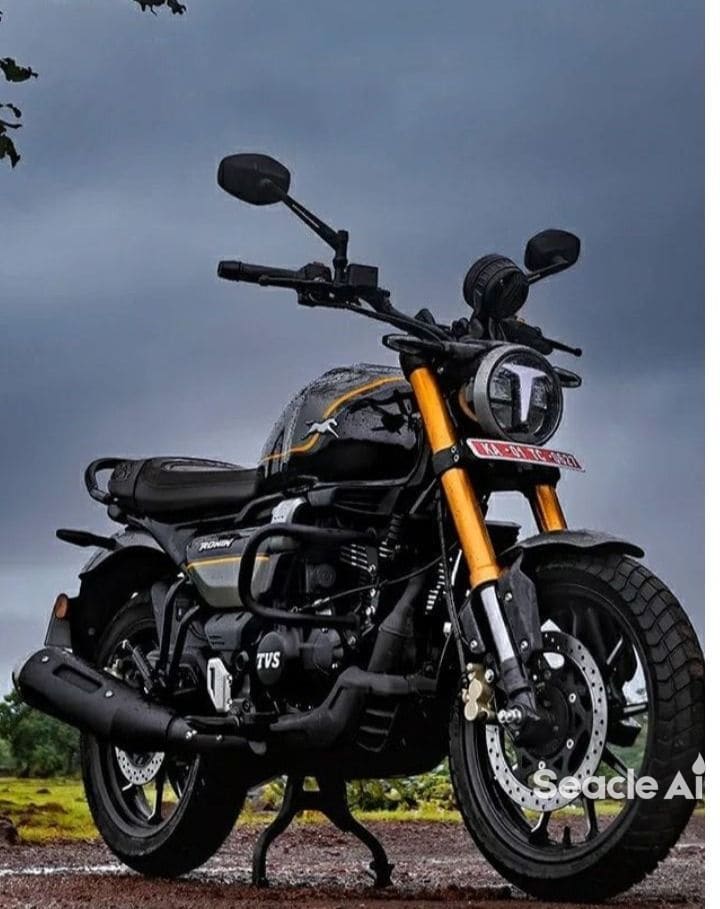
Real riding impressions and limitations
The Ronin’s throttle delivers predictable mid-range shove — traffic filtering is easy once you learn the torque curve. However, on long highways above 100 km/h, the engine sits at higher rpm than a dedicated tourer and wind buffeting becomes noticeable; sustained 120–130 km/h runs are possible but uncomfortable for long stints. This is where things get tricky for buyers who imagine one bike for everything.
Maintenance: service intervals are typical for mid‑weight bikes, but components like 225cc engines can cost more to repair than a 150cc commuter; insurance and parts for a newer niche model can also be slightly pricier in smaller towns.
Alternatives and buying advice
If you like the Ronin’s style but want lower running costs, consider 150–160cc neo‑retro options. If you want more touring ability, look at larger displacement bikes with better wind protection and bigger tanks.
Check price and variant availability at your nearest dealer before deciding; variants differ in ABS, colour, and instrument cluster.
FAQs
What is the minimum height to ride TVS Ronin?
Reported seat height is around 790–815 mm, so riders shorter than about 160 cm may find flat‑footing difficult. Minimum practical rider height is roughly 160 cm for confident stops and low‑speed manoeuvres.
What is the TVS Ronin mileage in city and highway?
Real-world figures: around 35–40 km/l in mixed urban use and up to low‑40s on steady highway rides when ridden conservatively. Heavy stop‑start traffic and hot climates reduce figures noticeably.
Does the Ronin have ABS and other safety features?
Yes, most higher trims come with dual‑channel ABS and LED lighting; base trims may have single‑channel ABS depending on the market and model year.
How does the Ronin compare to the Yamaha FZ‑X 155 in performance?
Ronin offers stronger mid‑range torque and a heavier, more planted feel; the FZ‑X is lighter, more fuel efficient, and easier in tight city traffic. Choose based on whether you prioritise torque and feel or economy and nimbleness.
Conclusion
The Ronin is a sensible pick if you value low‑to‑mid range torque, distinctive styling and a comfortable upright ride for urban and short weekend trips. Its limitations are clear: not a top choice for long high‑speed touring, off‑road use, or riders who demand the lowest running costs. Expect mid‑30s km/l in real commuting and slightly higher running costs and maintenance compared to 150cc bikes.
If you want a bike to commute daily with occasional fun weekend runs and you like character over pure economy, the Ronin belongs on your shortlist. If your priority is long highway touring, heavy luggage, or the best possible mileage, consider alternatives.
View product or visit a dealer for a test ride — the way the bike settles at low speeds tells you more than any spec sheet.