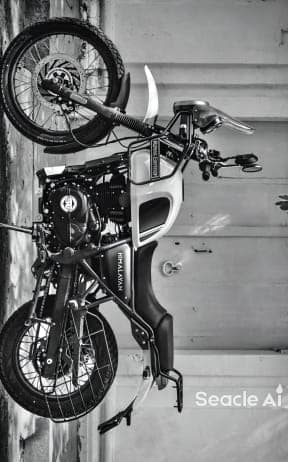

The Royal Enfield Himalayan 450 arrives as a deliberate move into the mid‑capacity adventure segment — aimed at riders who want an easy-to-maintain single-cylinder platform with sensible hardware rather than outright speed. This article explains what the bike is, who it suits, key specs (clearly separated into confirmed and expected figures), real-world impressions, and a direct comparison with the Benelli TRK 502 so you can decide which one fits your riding life.
Table of Contents
- What is the Himalayan 450?
- Key specifications (confirmed vs expected)
- Safety, comfort and tech features
- Real-world riding impressions and limitations
- 450cc adventure bike: Himalayan 450 vs Benelli TRK 502
- Who should choose which bike?
- FAQs
- Conclusion and buying guidance
What is the Himalayan 450?
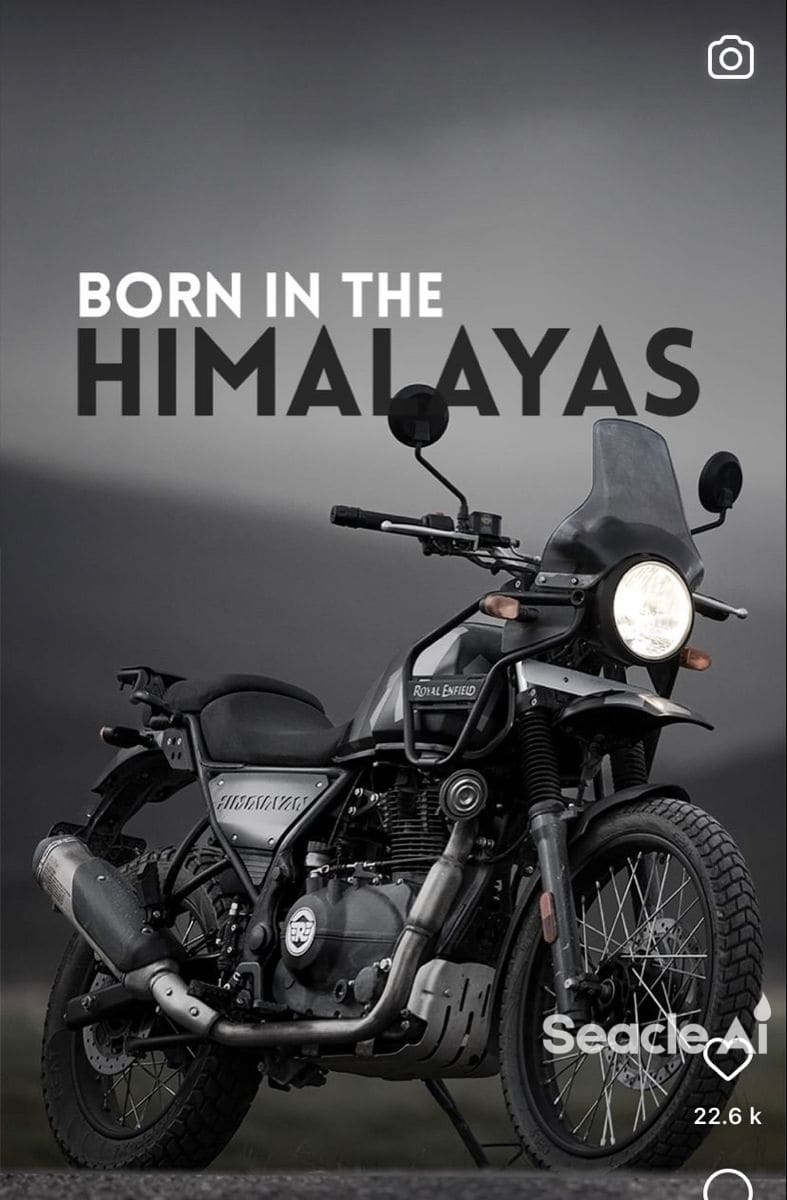
The Royal Enfield Himalayan 450 is positioned as a midsize, road-focused adventure motorcycle with enough off-grid ability for gravel tracks and high-clearance hill roads, but not a hardcore enduro. Think of it as a practical tool — not a spec-sheet trophy. It’s for riders who prioritize durability, simple servicing (dealer network matters in India), and relaxed torque delivery over outright horsepower. Long-distance commuters and light‑touring couples will appreciate its low‑rev tractability; racers will not.
Key specifications (confirmed vs expected)
Confirmed specifications
- Type: Midsize adventure motorcycle (single-cylinder architecture confirmed by manufacturer communications).
- Transmission: 6-speed gearbox (confirmed in early technical briefs).
- Frame & chassis: Steel perimeter frame with long-travel suspension intent (confirmed concept details).
Expected or rumored specifications
- Engine: Around 450cc, liquid-cooled single-cylinder (as per manufacturer announcements and industry reports).
- Power: Likely in the 38–42 PS range (mid-2025 to 2026 reports suggest around 40 PS).
- Torque: Expected near 38–40 Nm, tuned for low-end roll-on response rather than peak rpm sprinting.
- Top speed: Approximately 150–160 km/h in ideal conditions (real-world sustained cruising will be lower, especially with luggage).
- Mileage: Reports indicate 28–34 km/l under mixed riding; highway efficiency will be better but city stop‑start reduces average.
- Seat height / minimum rider height: Seat height rumored near 830–850 mm. Minimum height to ride Royal Enfield Himalayan 450 comfortably is about 165 cm (5’5″) — shorter riders will notice foot placement and balance in slow maneuvers.
- Kerb weight: Likely in the 200–215 kg range, depending on accessory fitment.
Note: the above numerical specs are reported or expected as of 2025–2026 and may change before final release.
Safety, comfort and tech features
The Himalayan 450 aims to modernize the platform without overcomplicating it:
- Brakes: Dual-channel ABS with switchable rear ABS (expected), strong initial bite with a predictable lever feel.
- Suspension: Long-travel front forks and a preload-adjustable rear shock — tuned for comfort but with enough stiffness under touring loads.
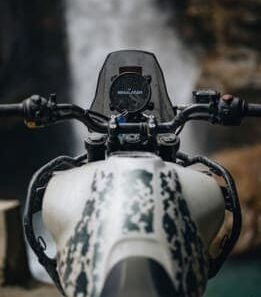
- Instrumentation: Semi-digital cluster with navigation-ready Bluetooth and trip computer features (reported).
- Ergonomics: Upright riding posture, wide handlebar and a relatively flat seat for pillion compatibility.
Practical consequence: the suspension prioritizes comfort and load-carrying stability at the expense of sharp cornering feedback. On fast sweepers the bike will feel a touch soft compared with sportier middleweights — this matters if you plan to attack twisty tarmac frequently.
Real-world riding impressions and limitations
From test impressions and early owner reports (2025–2026): the engine pulls cleanly from low revs, making city traffic and overtakes easy without chasing gear changes. Throttle response is measured — not twitchy — which helps in technical dirt sections.
Two experience-based observations:
- Rider fatigue: the upright layout and seat padding are forgiving for 4–6 hour days, but riders carrying heavy panniers will notice increased upper-arm strain after full-day rides because the windscreen is compact and the bar leverage is limited.
- Weight distribution: at low speeds the bike feels heavier than its listed kerb weight suggests; balancing in parking maneuvers requires attention, and shorter riders feel this first when putting a foot down.
Important limitation: the Himalayan 450 is not ideal for aggressive off-roading or loading with extreme luggage plus two people on extended, rough trails. Its suspension and tire choices favor stability and comfort over hard-core trail clearance. If you want to jump rutted tracks regularly, you’re better off with a dedicated enduro setup.
Mid-content suggestion: Want to compare prices and specs side-by-side? Check the Himalayan 450 vs TRK 502 comparison below or View Product listings for the latest dealer offers.
450cc adventure bike: Himalayan 450 vs Benelli TRK 502
| Item | Royal Enfield Himalayan 450 (expected) | Benelli TRK 502 (current) |
|---|---|---|
| Engine & performance | Single‑cylinder ~450cc, 38–42 PS, tuned for torque and ease of service | 499cc parallel-twin, ~47 PS, smoother high-rpm power |
| Torque / Top speed / Mileage | ~38–40 Nm; top ~150–160 km/h; 28–34 km/l expected | ~45 Nm; top ~170–180 km/h; 20–25 km/l typical |
| Key features | Simple electronics, long-travel suspension, easy-to-service single | More power, twin-engine smoothness, touring kit options |
| Price range (India) | Expected ₹3.0–3.6 Lakh (ex-showroom) — reports vary | ₹4.5–5.2 Lakh (ex-showroom typical range) |
| Tank capacity | Expected ~15–18 L | 20 L |
| Braking & safety | Dual-channel ABS, expected decent disc sizes | Dual-channel ABS, larger discs, proven hardware |
Nuanced take: the TRK 502 offers outright highway stability and twin-smoothness that suits fast, long touring with pillion. The Himalayan 450 trades some motorsport polish for lower running costs, simpler servicing and a more forgiving low-end, which suits riders who prefer predictable, long-stroke torque during mixed-surface travel.
Who should choose which bike?
- Choose the Himalayan 450 if you want a simpler, low-rev character for mixed road/gravel use, cheaper service intervals, and a lower initial price — ideal for solo long-distance riders and daily commuters who occasionally go touring.
- Choose the TRK 502 if you need higher top‑end speed, better twin-cylinder refinement for sustained highway cruising, and larger tank range for heavy touring with pillion.
FAQs
What is the minimum height to ride Royal Enfield Himalayan 450?
The minimum height to ride Royal Enfield Himalayan 450 comfortably is about 165 cm (5’5″) due to seat height expected around 830–850 mm. Shorter riders should test reach and consider lowering options or narrower seats.
How is the Himalayan 450 mileage compared to other 450cc adventure bikes?
Himalayan 450 mileage is expected in the 28–34 km/l range under mixed use — better than many parallel-twin 500cc machines because of single-cylinder efficiency, but real figures vary with riding style and luggage weight.
Is the Himalayan 450 suitable for long-distance touring?
Yes for moderate touring: comfortable seat, torque-rich engine, and simple servicing help. However, for fast multi-day highway blasts with two-up plus heavy luggage, its top-speed and suspension damping may feel limiting.
Does the Himalayan 450 have switchable ABS and traction control?
Reports indicate dual-channel ABS with rider modes; full traction control hasn’t been consistently confirmed. Expect a basic, rider-friendly electronics suite rather than fully fledged rider aids found on pricier tourers.
Conclusion and buying guidance
The Royal Enfield Himalayan 450 is shaping up to be a practical, approachable midsize adventure bike — designed for riders who prefer predictable torque, simple mechanics, and lower ownership friction. Strengths include low-end accessibility, comfort for long days, and easier maintenance. The main drawbacks are a seat height that challenges shorter riders, a suspension tune favoring comfort over sporty handling, and limited suitability for extreme off-roading or high-speed two-up touring with heavy luggage.
If you value simplicity, dealer network support in India, and a bike that’s honest about its limitations, the Himalayan 450 makes sense. If you need raw speed, twin-cylinder smoothness, or maximum tank range, the Benelli TRK 502 or other twins will serve you better.
Ready to compare dealer offers or check current pricing? Check Price or View Product pages for the latest on availability and on-road costs.