
Introduction
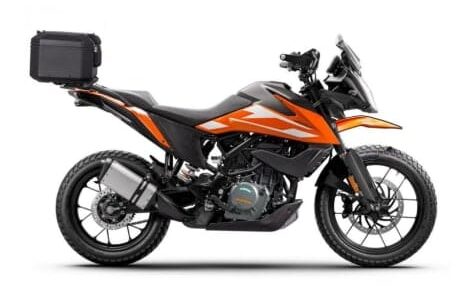
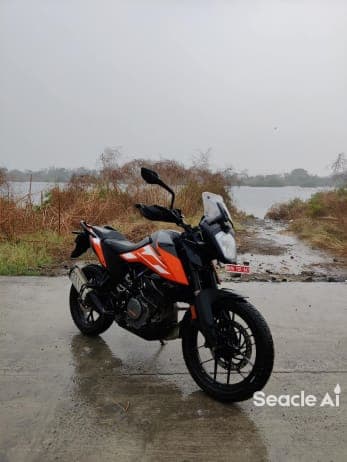
The KTM 250 Adventure is KTM’s compact entry in the small-displacement adventure segment — a light, road-biased dual-sport designed to bridge urban commuting and weekend trips with minimal fuss. It’s aimed at riders who want ADV styling, competent suspension travel, and a torquey single-cylinder engine without the bulk or cost of 400cc machines. In short: it’s for riders who value agility and low-to-midrange usability more than long-haul highway cruising.
Table of Contents
- What it is and who it’s for
- 250cc adventure bike – core specifications
- Safety, comfort and technology
- Real-world riding impressions
- Comparison — KTM vs XPulse 200 4V
- Pros and cons
- Alternatives and buying advice
- FAQs
- Conclusion
What it is and who it’s for
The bike is a lightweight adventure/dual-sport machine built around a ~249cc single-cylinder engine, a long-travel chassis and upright ergonomics. Expect nimble handling in city traffic, an ability to tackle dirt tracks and comfortable seating for short to medium-distance touring. It suits: commuters who want weekend-adventure capability, newer riders stepping up from 150–200cc machines, and value-minded hobbyists who prefer low kerb weight over top-end speed.
Who should avoid it: riders who prioritize high-speed touring comfort (extensive Indian highway runs at 110–130 km/h), heavy luggage-hauling for two-up long trips, or hardcore off-road competition. The geometry and suspension feel more like a competent beach-house model of stability than a fortress — think compact, resilient, but not indestructible when pushed hard on technical off-road sections.
250cc adventure bike – core specifications
Below are the core figures that matter on day one and over the first year of ownership:
- Engine: 248–250cc liquid-cooled, single-cylinder, fuel-injected (DOHC-ish routing in KTM range). This gives a mix of usable low-mid torque and reasonably high revving top end.
- Power: Around 28–31 PS (manufacturers and markets list figures in that band). That’s enough for confident overtakes in urban and light highway use but not aimed at outright acceleration benchmarks.
- Torque: About 22–25 Nm, delivered low in the rev range — practical for wheelies? No. Practical for uphill climbs from 30–40 km/h in top gear? Yes.
- Top speed: Typical real-world top speed will be in the 130–150 km/h bracket depending on wind, rider weight and luggage.
- Mileage: Expect 28–35 km/l in mixed Indian riding; gentle commuting can approach the top end, spirited rides reduce it noticeably.
- Seat height: Factory seat height is in the 845–860 mm range — tall for short riders.
- Transmission: 6-speed gearbox, slip-and-assist clutch on most trims for lighter lever feel.
Minimum height to ride KTM 250 Adventure: realistically a rider of around 165 cm (5’5″) is the practical minimum to safely manage the bike at stops and in low-speed manoeuvres — shorter riders will need aftermarket seat/peg adjustments or high heels on the boot. Shorter riders usually notice this first.
Safety, comfort and technology
Safety and electronics on small KTMs traditionally focus on essentials rather than excess:
- Front and rear disc brakes with switchable ABS (often dual-channel on higher trims). Braking feel is direct; you’ll appreciate it in traffic. In wet monsoon conditions in India, the ABS calibration protects but doesn’t remove the need for rider caution on painted lanes and loose gravel.
- Ride-by-wire throttle and a compact TFT or semi-digital cluster with smartphone connectivity on select variants — useful for navigation and call alerts but not a replacement for a handlebar-mounted GPS in long tours.
- Suspension: long-travel WP or WP-derived forks and a rear shock with reasonable mid-stroke support. The setup gives comfort on broken roads but the firm mids often transmit sharp bumps when loaded.
An analogy: the chassis packs like damp sand under pressure — firm where it needs to be but it will deform if overloaded. The consequence: the KTM handles precision but will show its limits under heavy luggage or two-up with a tall pillion.
Real-world riding impressions
Short rides: the bike is lively and responsive through city corners. Throttle response is crisp and predictable in traffic — useful for quick lane changes. This matters more than it seems when you’re filtering in Chennai or Mumbai heat.
Long rides: fatigue builds faster than on lower-seat bikes because of the seat height and light wind protection. Expect lower-back pressure after 3–4 hours without a proper touring seat or windshield. The narrower saddle profile helps city manoeuvring but can get uncomfortable on long slab rides.
Suspension trade-off: it soaks up mid-size potholes well but transmits sharp hits. The trade-off appears during longer rides when a pillion or luggage increases squat and reduces front-end feel.
Comparison — KTM vs XPulse 200 4V
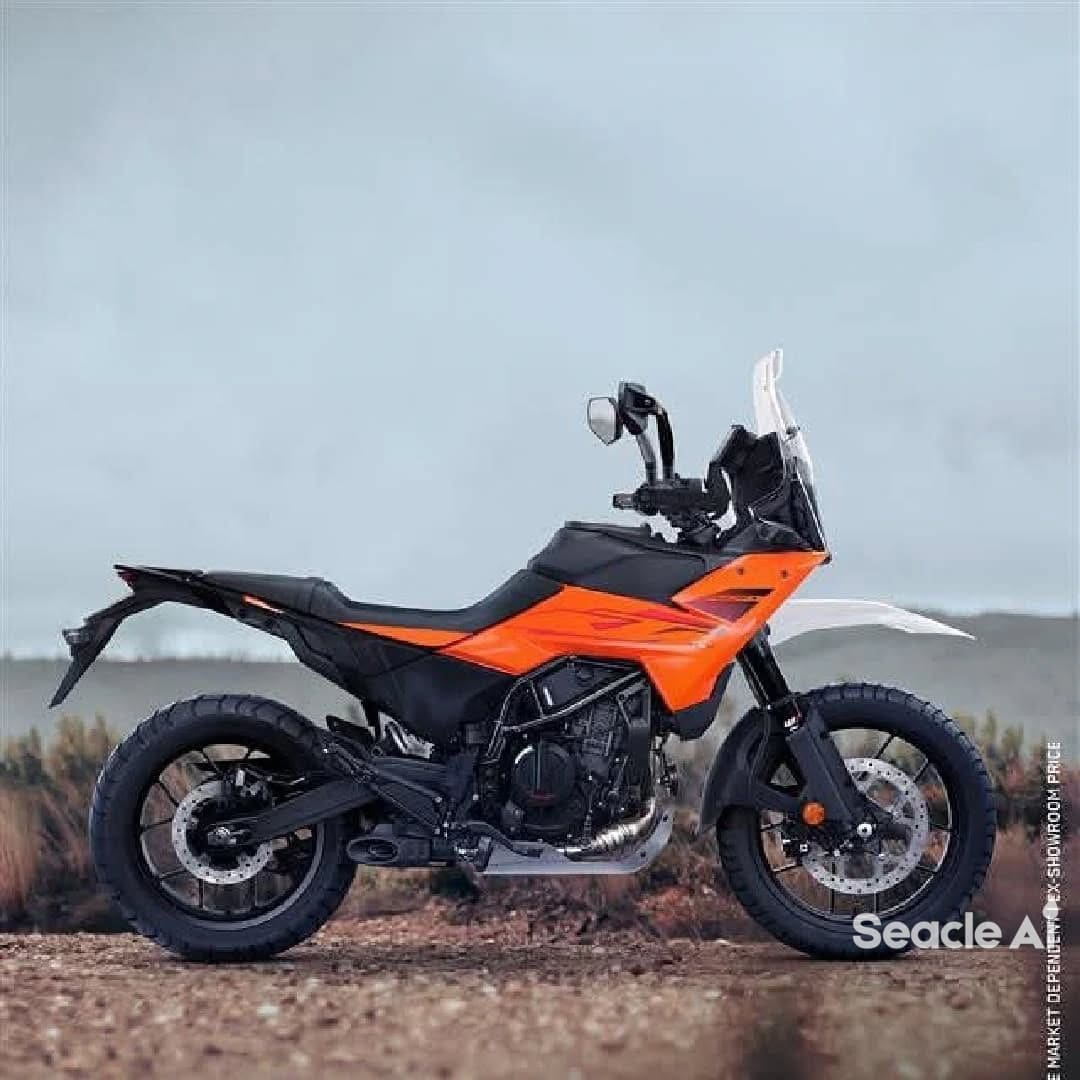
Below is a focused comparison across the user-requested parameters.
| Item | KTM 250 Adventure | Hero XPulse 200 4V |
|---|---|---|
| Engine & overall performance | ~249cc single; sharper mid-range, higher peak power (28–31 PS). More highway composure. | 199.6cc single; ~18.5–20 PS. Less top-end but very tractable off-road at low speeds. |
| Torque / Top speed / Mileage | ~22–25 Nm; top speed 130–150 km/h; mileage 28–35 km/l | ~17–18 Nm; top speed ~110–120 km/h; mileage 35–45 km/l |
| Key features | 6-speed, slipper clutch, better dash options, more road-biased suspension | Longer travel suspension, lighter weight, simpler electronics, proven off-road ergonomics |
| Price (India) | Expected showroom ₹2.3–2.9 lakh range (varies by variant and year) | Around ₹1.3–1.6 lakh |
| Which user should choose which | Choose KTM if you want faster highway cruising, sharper brakes and a more premium chassis for mixed use. | Choose XPulse if you prioritise trail riding, lower running costs and a forgiving tall-seat geometry for off-road practice. |
| Tank capacity | Approximately 12–14 litres | 13 litres |
| Braking & safety | Disc brakes, likely dual-channel ABS on higher trims | Disc front/rear, single-channel ABS (some updates may add dual-channel) |
Pros and cons
- Pros: Light handling, practical torque for hills, modern electronics on higher trims, respectable highway capability for its class.
- Cons: Seat height excludes some riders without modifications, firm mid-stroke suspension with luggage, ownership costs and insurance higher than 200cc rivals.
Alternatives and buying advice
If you want softer long-distance comfort and lower running costs, the XPulse 200 4V is a clear alternative. If you want more outright power and touring ability, consider stepping up to 390-class adventures — but that means higher cost and weight.
Buy it if you regularly mix city, state highways and occasional gravel roads and you’re 165 cm or taller. Avoid it if 80% of your riding is extended two-up touring with luggage or aggressive off-road trails. Most people overlook the effect of wind-blast at 110+ km/h — it accumulates fatigue quickly on this machine.
FAQs
- What is the minimum height to ride KTM 250 Adventure?
- Practical handling starts at around 165 cm. Shorter riders may manage with footpegs lowered or a lowered suspension setup but expect compromises in ground clearance and off-road posture.
- What mileage can I expect from KTM 250 mileage in city use?
- Real-world city mileage generally falls between 28–32 km/l depending on throttle habits and traffic; steady state highway touring can push figures higher toward 34–36 km/l with gentle cruising.
- Is the KTM 250 Adventure good for off-roading?
- It’s competent on fire-roads and light trails but not built for aggressive enduro. Ground clearance and frame geometry favor road stability; if you plan serious rock gardens or deep sand, the XPulse or a dedicated enduro are better choices.
- How much does it cost to maintain compared to Hero XPulse?
- Maintenance costs on the KTM will typically be higher — pricier parts, dealer servicing rates and higher insurance premiums. Expect service intervals similar to peers but with slightly higher labour/parts bills.
- Are features like ABS and traction control available?
- ABS (dual or single-channel) is standard across most trims; advanced traction control is uncommon in this segment and usually reserved for higher-displacement or premium models.
Conclusion
The KTM 250 Adventure is a focused 250cc adventure that rewards riders who want nimble handling, a lively midrange and a modern feature set for mixed-use riding. Its strengths are city agility, confident mid-range performance and a chassis that prefers measured inputs over brute force. Its realistic drawbacks include seat height, a firmer suspension that shows its limits when heavily loaded, and higher running costs versus 200cc rivals.
If you ride solo or light luggage on mixed roads and you’re at least 165 cm tall, this machine will serve well. If you need cheaper running costs, softer long-range comfort, or frequent technical off-roading, look at the XPulse 200 4V or step-up alternatives. This helps you decide based on how you actually ride, not just spec sheets.
Buy Now or Compare Options depending on your budget and intended use.