
Introduction
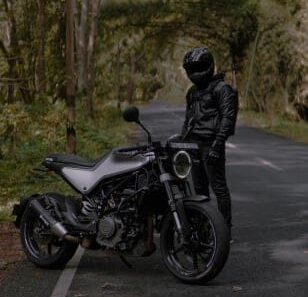
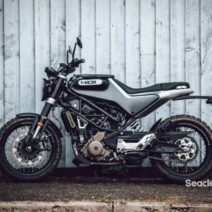
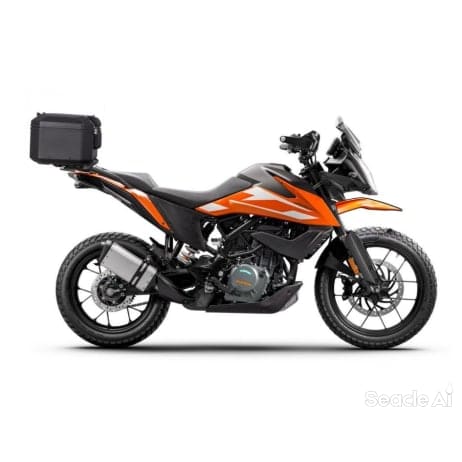
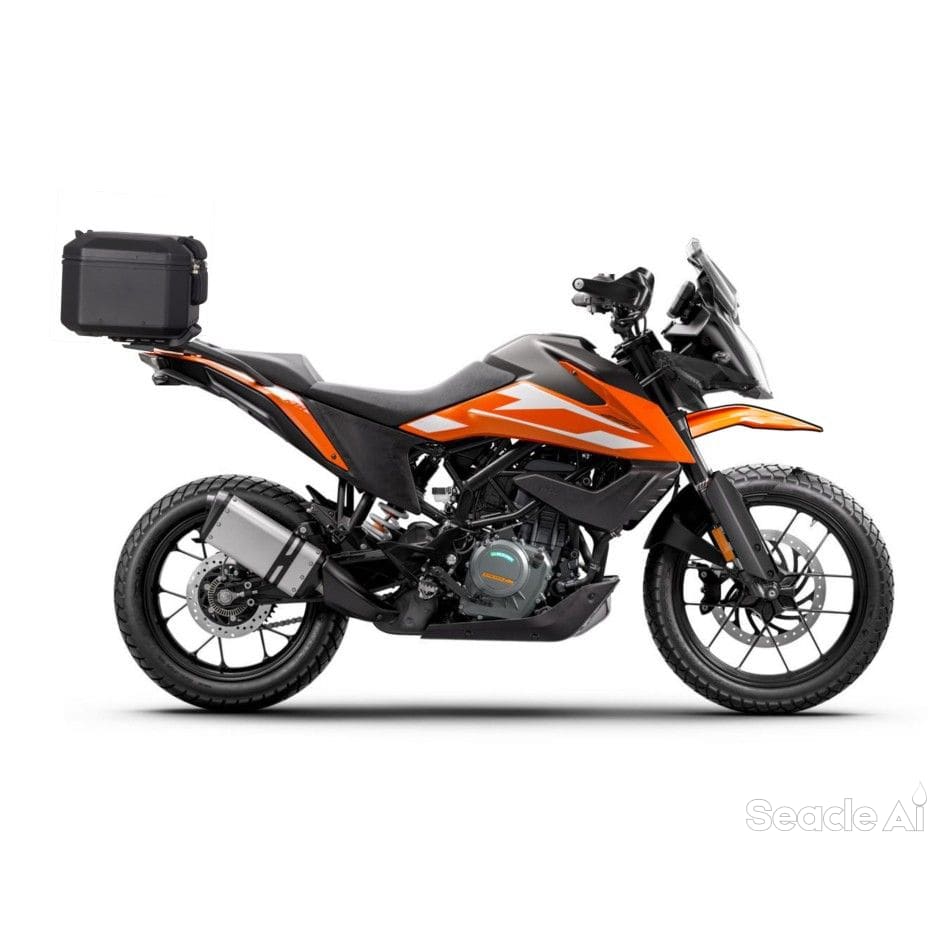
KTM 250 Adventure arrives as KTM’s push to give commuters and light adventurers a compact, more manageable dual-purpose bike. It targets riders who want something lighter than a 700–1000cc adventure without sacrificing a usable long-leg gearbox and modern electronics. In city traffic or on twisty state highways it behaves more like a tall, rugged street bike than a full-on off-roader, and that distinction matters when you plan routes or luggage.
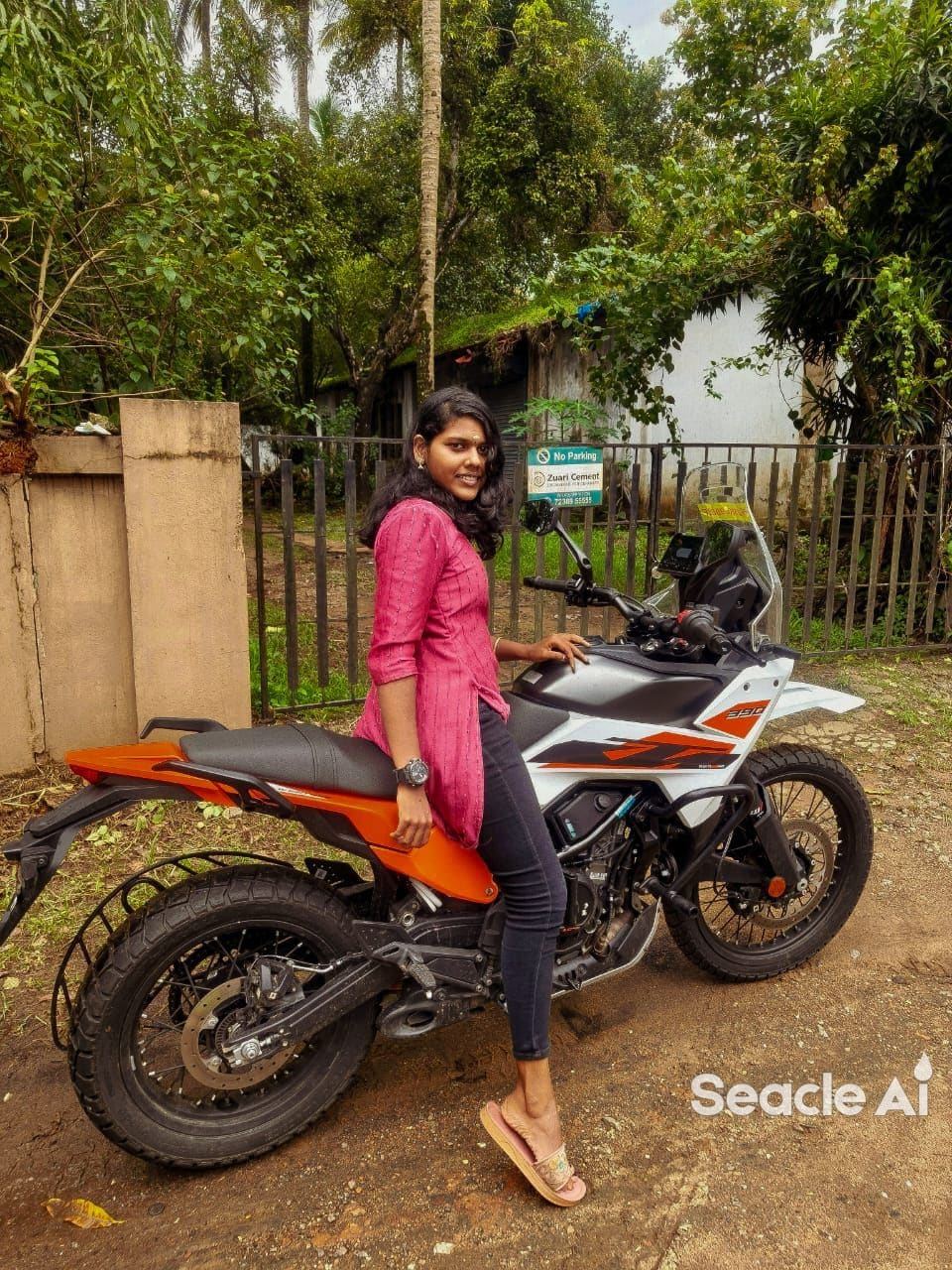
Table of Contents
- What type of vehicle and who it is for
- Key specs: KTM 250 specs
- Safety, comfort and technology highlights
- Minimum seat height KTM 250
- Where it works well and where it doesn’t
- KTM 250 vs V-Strom 250
- Real riding impressions and micro-observations
- Alternatives and buying guidance
- FAQs
- Conclusion
What type of vehicle and who it is for
The bike is a light adventure tourer — think a tall, road-biased machine with the geometry and ground clearance to handle gravel lanes and light trails, not a heavy-duty cross-country explorer. It is ideal for:
- Urban commuters who want higher visibility and a comfortable upright position.
- Weekend riders who tackle mixed surfaces (paved backroads, dirt connectors) and carry modest luggage.
- Riders transitioning from 150–200cc machines who want more power without a big jump in weight.
Shorter explanation: it’s for someone who values manoeuvrability and low running costs over heavy-load carrying or hardcore off-road performance.
Key specs: KTM 250 specs
Below are the key engine and chassis figures as confirmed or reported through 2025–2026 sources. Where numbers are not public, I’ll flag them as expected.
| Item | Figure / Note |
|---|---|
| Engine | Single-cylinder, ~248–250cc, liquid-cooled, DOHC (reported) |
| Power | About 29–31 PS (expected, similar to KTM 250 platform) |
| Torque | ~23–26 Nm (expected) |
| Transmission | 6-speed manual, slipper clutch likely (based on platform) |
| Top speed | ~135–150 km/h depending on gearing and rider weight (expected) |
| Fuel efficiency | Real-world 28–36 km/l in mixed Indian conditions; 30–32 km/l is a reasonable benchmark |
| Seat height | ~840–880 mm (reportedly tall — see minimum seat height section) |
| Kerb weight | ~165–180 kg (expected; lighter than mid-size adventure bikes) |
Confirmed vs expected: KTM has confirmed a 250-class adventure exists in their lineup, and the engine is from the 250 family. Exact power and torque figures are still being listed as expected in some markets, so check the local spec sheet before buying.
Safety, comfort and technology highlights
Key features you will notice on the bike:
- ABS with multiple modes — city and off-road (cornering ABS sometimes limited in this segment). This matters when braking on loose surfaces: the ABS mapping can either prevent a slide or, if too intrusive, increase stopping distance in deep gravel.
- Ride-by-wire throttle — smoother low-speed modulation, helpful in traffic and on steep dirt. Throttle response is conservative compared with the naked Duke; that reduces abrupt torque at the rear wheel but also blunts acceleration in quick overtakes.
- Semi-active or adjustable suspension — in higher trims you get clicker-adjustable preload and damping; this is important when you add luggage because it impacts handling more than raw horsepower does.
- Instrument cluster — TFT with navigation and phone connectivity on higher trims; practical route guidance beats generic mounting solutions when you ride unfamiliar mountain passes.
Real-world note: the suspension tuning prioritises comfort over extreme off-road absorption. You’ll appreciate it on broken tarmac, but it will bottom out sooner than a true rally bike on rock gardens.
Check Price — compare dealer offers and local warranties before booking.
Minimum seat height KTM 250
Reported seat height sits around 840–880 mm. Practical takeaway: the minimum height to ride KTM 250 Adventure comfortably is roughly 165 cm (5’5″), but that assumes you are okay planting one foot flat and shifting rearwards at stops. Shorter riders (under 165 cm) will notice this first: lower-footing becomes tiring during frequent stops and slow-speed manoeuvres.
Where it works well and where it doesn’t
Works well:
- Daily commuting with a comfortable upright position and good visibility.
- Weekend escapes on gravel, fire-roads and twisty highways.
- Low operating costs versus larger adventure bikes.
Doesn’t work well:
- Not ideal for heavy off-roading: suspension travel and frame geometry are not intended for prolonged rock-hopping.
- Not the best choice for long-haul, heavy luggage touring if you need dual-cylinder smoothness and high-speed cruising comfort.
One blunt line: don’t expect it to replace a 650–1200cc adventure on long interstate highways where you want stable high-speed cruising and the ability to carry two-up with big luggage.
KTM 250 vs V-Strom 250
Direct comparison across the requested points. Where figures are uncertain, I list likely ranges and call them out.
| Point | KTM 250 Adventure | Suzuki V-Strom 250 |
|---|---|---|
| Engine & overall performance | Single-cylinder ~250cc; sharper throttle, sporty mid-range (expected) | Single-cylinder ~250cc; tuned for smoother, predictable power delivery — more relaxed low-end |
| Torque, top speed, mileage | Torque ~23–26 Nm; top speed ~140–150 km/h; mileage 28–35 km/l real-world (expected) | Torque ~22–24 Nm; top speed ~130–140 km/h; mileage often slightly better in touring use ~32–38 km/l depending on riding |
| Key features | Likely ride modes, TFT, adjustable suspension on higher trims | Comfort-tuned ergonomics, simple user interface, focus on long-distance comfort |
| Price range (2025–2026) | Expected ₹2.3–2.8 lakh (India, ex-showroom) depending on trim and localisation (rumored) | Typically ₹2.0–2.6 lakh (ex-showroom) depending on market and model year |
| Which rider should choose | Choose KTM if you favor sportier handling and modern electronics; good for mixed-surface day trips | Choose V-Strom if you prioritise smoother long-distance comfort and predictability at lower revs |
| Tank capacity | ~12–14 litres (expected) — adequate for 300–400 km between stops depending on riding | ~12–17 litres depending on market; V-Strom often has slightly larger tanks on touring trims |
| Braking systems & safety | Disc brakes with dual-channel ABS and switchable modes likely; lightweight chassis helps stopping distances | Disc brakes with ABS; Suzuki often tunes ABS for stable touring stops and predictable feel |
Observation: the KTM leans sporty; the V-Strom leans touring. That’s not a value judgment — it dictates what you feel on a 300 km day with luggage.
Real riding impressions and micro-observations
Two short experience-driven notes:
- Throttle feel: in traffic the KTM’s tune and gearbox keep you off the clutch more often, which is pleasant — but in slow technical sections the strong mid-range requires very delicate throttle control.
- Fatigue on long rides: the seat padding is supportive initially, but after 4–5 hours the shorter seat length combined with upright reach starts to show — you shift on the saddle more frequently than on larger tourers.
These are small things that add up on a multi-day ride; plan stop frequency and luggage layout accordingly.
Alternatives and buying guidance
If you want similarly sized alternatives consider:
- Suzuki V-Strom 250 — smoother touring bias and often better fuel economy in steady cruising.
- Other 250cc adventure-styled models — compare seat height, kerb weight, and suspension adjustability closely.
When choosing, prioritise the single most important criterion for your riding: low-speed confidence (choose lower seat/weight), or sporty handling (choose lighter, sharper chassis).
FAQs
What is the minimum height to ride KTM 250 Adventure?
Minimum practical height is around 165 cm for confident one-foot flat stops; anyone shorter should test seat-to-floor reach at a dealer, try lowering options, or look for lower-seat trims.
How does the KTM 250 Adventure compare to V-Strom 250 on mileage?
Both are efficient; the V-Strom often returns slightly higher economy during steady cruising, while the KTM is close in mixed urban-highway use. Expect 28–38 km/l depending on traffic and riding style.
Are the KTM 250 specs confirmed?
Some platform details and the 250cc single-cylinder engine are confirmed by KTM announcements, but exact power, torque and final regional equipment lists are listed as expected or market-dependent. Specs may change by market and model year.
Is the KTM 250 Adventure good for serious off-roading?
No — it handles light trails and gravel well, but its chassis, suspension travel and tyre options are not intended for sustained hard off-road use. If your rides include heavy rock sections or long single-track days, consider a purpose-built enduro.
What maintenance or ownership downsides should buyers expect?
Maintenance for a small-displacement KTM is generally straightforward but can be more expensive than non-premium Japanese bikes: periodic valve checks, higher-priced genuine parts, and dealer labour can add up over years — factor that into long-term ownership costs.
Conclusion
The KTM 250 Adventure is a clear proposition: a light, sporty, electronics-forward 250-class adventure for riders who want agility, modern features, and lower running costs than big adventure bikes. Strengths are handling, compact power delivery, and tech; weaknesses include seat height for shorter riders, limited heavy-duty off-road capability, and potentially higher maintenance costs than some competitors.
If you mostly commute, take weekend mixed-surface trips, and value a lively chassis, this is worth test-riding. If you plan long high-speed touring with heavy luggage or frequent hardcore off-road sections, consider larger-displacement tourers or dedicated off-road machines instead.
Ready to decide? Compare Options at local dealers and confirm regional spec sheets — numbers and features still vary by market in 2025–2026.