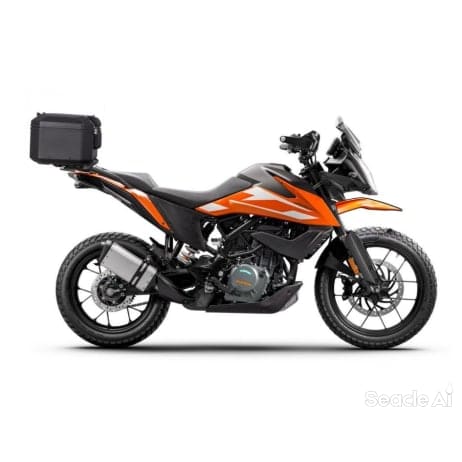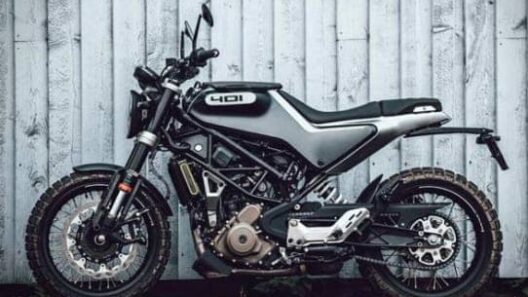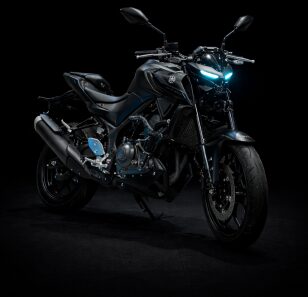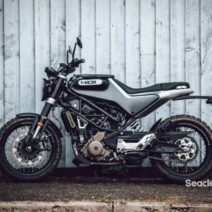
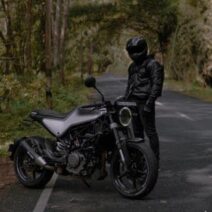
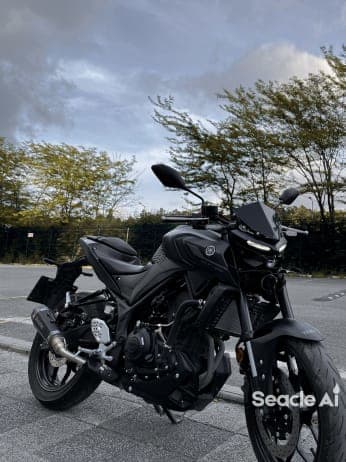

Yamaha MT-03 arrives as a compact, sporty naked motorcycle aimed at riders who want a light, easy-to-live-with street bike that still has enough punch for occasional spirited runs. It’s not a tourer, an off-roader, or a heavy-load commuter — think short, sharp rides and smart urban manoeuvring rather than long-distance comfort.
Table of Contents
- Overview and who it’s for
- MT-03 specs and key numbers
- Safety, comfort and technology
- Minimum height to ride Yamaha MT-03
- Real-world impressions and observations
- Yamaha MT-03 vs KTM 390 Duke
- Where it falls short — drawbacks & limitations
- Alternatives and who should buy what
- FAQs
- Conclusion and next steps
Overview and who it’s for
The MT-03 is a light, middleweight naked motorcycle built around Yamaha’s 321cc parallel-twin engine. It’s aimed at urban riders, newer enthusiasts stepping up from 150–250cc machines, and experienced riders who want a fuss-free weekend bike. The chassis is compact and nimble, which helps in city traffic and technical backroads. Riders who prioritize long highway touring, heavy luggage, or serious off-road capability should look elsewhere — the MT-03 lacks the wind protection, fuel range, and suspension travel for those tasks.
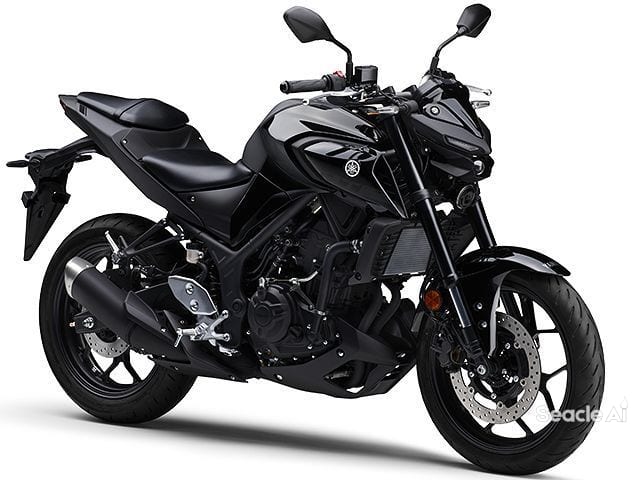
MT-03 specs and key numbers
Below are the practical, commonly checked figures that matter on real rides.
- Engine: 321cc liquid-cooled parallel-twin, DOHC, 4 valves per cylinder.
- Power: ~42 PS (31 kW) at around 10,750 rpm — enough for brisk urban overtakes.
- Torque: ~29.6 Nm at about 9,000 rpm; pull is peaky rather than low-end heavy.
- Top speed: roughly 170–180 km/h in real-world conditions.
- Mileage: typical road economy in mixed Indian city/highway use ~21–25 kmpl; expect lower figures in spirited riding.
- Seat height: ~780 mm (30.7 in).
- Transmission: 6-speed gearbox, wet multi-plate clutch.
- Kerb weight: around 168–170 kg depending on market/spec.
- Tank capacity: ~14 litres.
Confirmed 2025 model mechanical layout hasn’t shifted dramatically from prior years — Yamaha’s focus is refinement rather than raw output. These numbers favor agility over long-range touring.
Safety, comfort and technology
The MT-03 keeps things straightforward: full LED lighting, a clear LCD dash, and dual-channel ABS as standard in most markets. Suspension uses an inverted front fork and a rear monoshock with modest adjustability — firm enough for cornering stability, soft enough for city bumps if set up carefully.
- Brakes: 298 mm front disc with a twin-piston caliper (market-dependent), 220–240 mm rear disc, ABS standard.
- Lighting & instruments: LED headlamp and a multi-function LCD display with gear indicator and fuel economy readouts.
- Electronics: no full-suite traction control on base models; some markets get ride modes or optional extras.
Practical effect: the brakes bite predictably and ABS reduces risk in wet Indian monsoon mornings, but the lack of advanced rider aids means you still rely on basic technique at the limit.
Minimum height to ride Yamaha MT-03
Seat height is about 780 mm. For comfortable flat-footing and confident stops, riders should be at least ~160 cm (5’3″). Shorter riders can manage with tiptoe technique and possibly lowering the seat or suspending sag adjustments, but balance at slow speeds becomes more demanding. Shorter riders usually notice this first when pushing through traffic or on uneven surfaces.
Real-world impressions and observations
In city traffic the MT-03’s light weight and narrow ergonomics make lane-splitting and quick direction changes effortless. The throttle is sharp — good for traffic but demanding in stop-and-go, where smooth throttle inputs reduce passenger jostle. On rough urban roads the suspension’s bias towards handling means you’ll feel more of the ripples; this is where a softer seat or lower tyre pressures help.
- Observation: fatigue builds on longer runs — the seat and upright bars are fine up to ~2–3 hours, beyond which lower-back stiffness appears.
- Observation: at speeds over 120 km/h the small headlamp cowling offers minimal wind protection, and sustained highway cruising gets tiring without a windscreen.
If you want to confirm availability or check current pricing, check price and local stock.
Yamaha MT-03 vs KTM 390 Duke
Below is a direct comparison across the key areas readers ask about.
| Item | Yamaha MT-03 | KTM 390 Duke |
|---|---|---|
| Engine & performance | 321cc parallel-twin, ~42 PS; smooth, rev-happy, linear past 6k rpm. | 373cc single-cylinder, ~43–44 PS; torquey midrange with punchier single-cylinder character. |
| Torque / top speed / mileage | ~29.6 Nm; top ~170–180 km/h; real-world ~21–25 kmpl. | ~36–37 Nm; top ~160–170 km/h; real-world ~18–23 kmpl depending on riding. |
| Key features | Inverted forks, LCD dash, LED lights, dual-channel ABS. Simpler electronics. | TFT display, ride-by-wire, traction control, quick-shifter on newer models, WP suspension; more rider aids. |
| Price range (India, 2025 approx.) | ~₹2.9–3.6 lakh ex-showroom (depends on import duties & state). | ~₹2.7–3.1 lakh ex-showroom (locally assembled; competitive pricing). |
| Who should choose | Buy if you prefer smoother twin-engine refinement, easier clutch feel, and a calmer city-focused ride. | Buy if you want maximum usable torque, advanced electronics, and aggressive handling for canyon rides. |
| Tank capacity | ~14 litres | ~13–13.7 litres |
| Braking & safety | 298 mm front disc, rear disc, dual-channel ABS. Strong, predictable brakes. | 320 mm front disc on some models, sophisticated calipers, dual-channel ABS, cornering aids on higher trims. |
Nuanced note: the MT-03 feels more composed in everyday use; the 390 Duke feels sportier and more aggressive. For many riders the Duke’s torque and electronics justify the marginally higher running trim.
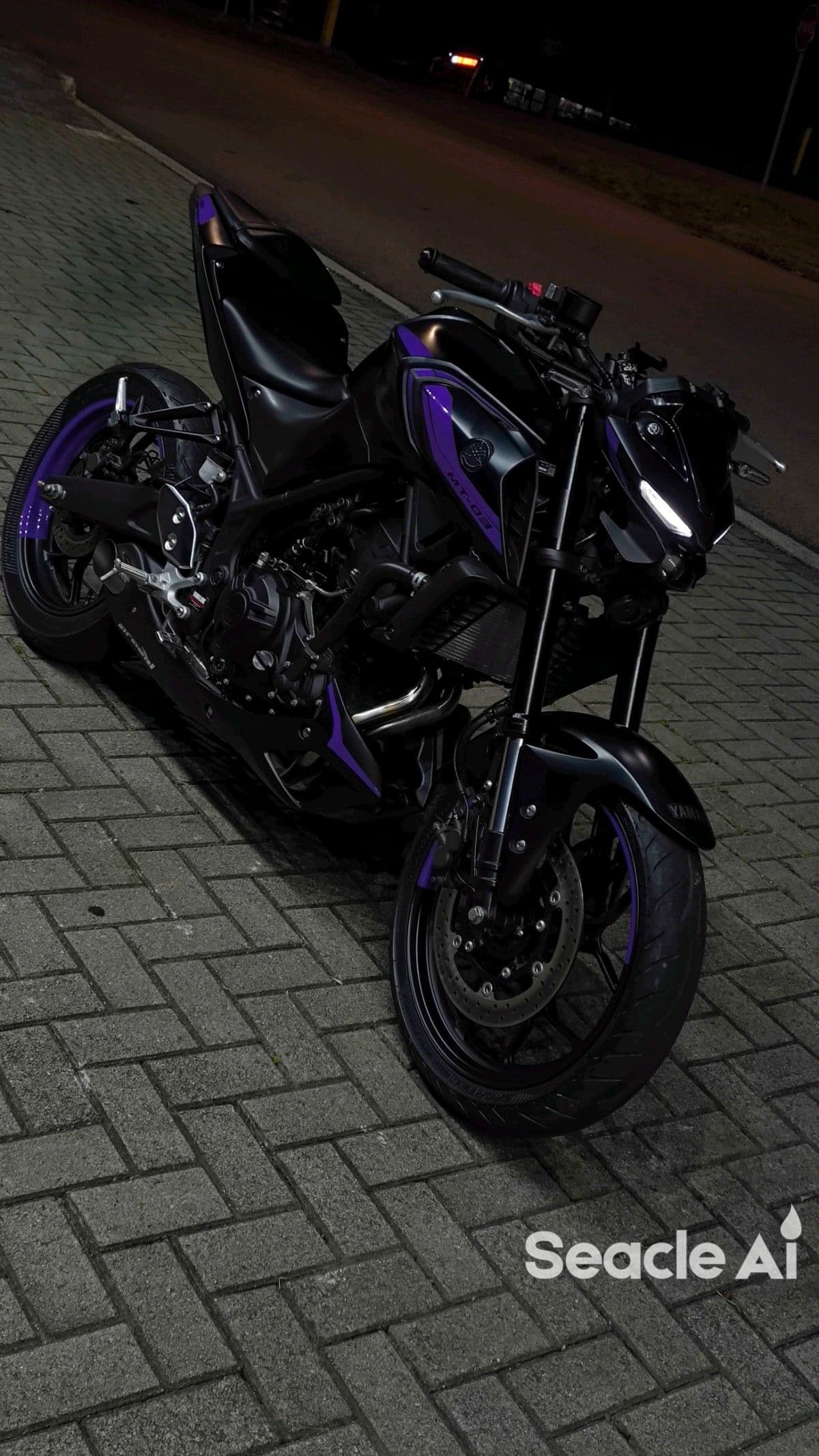
Where it falls short — drawbacks & limitations
- Long-distance touring: short wind protection and a smaller tank make frequent fuel stops and a windscreen retrofit necessary for sustained highways.
- Comfort on bad roads: suspension is tuned toward handling, so expect firmness on pothole-riddled streets; you’ll feel road chatter more than on softer-sprung bikes.
- Maintenance and spares (India): unless locally assembled, parts can be pricier and service intervals shorter for imported models — factor that into ownership cost.
- Not an off-roader: low suspension travel and street tyres mean avoid dirt tracks; the frame and exhaust routing aren’t designed for that use.
Alternatives and who should buy what
If you want a low-maintenance urban commuter with modest power, consider Yamaha’s smaller options. If you want more performance and electronics, the KTM 390 Duke or Triumph’s entry-level roadsters are the alternatives to compare. Choose the MT-03 if you value twin-cylinder smoothness, predictable handling, and an uncomplicated ownership experience; choose the Duke if you want sharper torque, more tech, and a racier character.
FAQs
What are the MT-03 specs for engine and power?
The MT-03 uses a 321cc parallel-twin making about 42 PS and ~29.6 Nm of torque, paired with a 6-speed gearbox. That makes it lively in town and usable on highways but not a high-speed tourer.
What is the minimum height to ride Yamaha MT-03?
Seat height is roughly 780 mm; riders around 160 cm (5’3″) are the practical minimum for confident stops. Shorter riders should test foot reach and consider adjustments.
How does Yamaha MT-03 mileage compare to rivals?
Expect ~21–25 kmpl in mixed riding. The MT-03’s twin-cylinder nature means slightly better refinement than large singles but not significantly higher economy.
Is the MT-03 suitable for long-distance touring?
No. The MT-03 lacks wind protection, has a modest tank (~14 L), and the seat becomes tiring after several hours. For long tours, a motorbike with a larger fairing and bigger tank is more suitable.
Conclusion and next steps
The Yamaha MT-03 is a focused street machine: light, agile, and refined for short to medium rides. Its strengths are city agility, engine smoothness, and predictable brakes. Its weaknesses are small fuel range, limited wind protection, and firmer suspension that can fatigue riders on long, rough roads. If you want a fuss-free naked bike for daily commuting and occasional sporty rides, the MT-03 is a sensible pick; if you demand more torque, electronics, or long-distance comfort, look at the KTM 390 Duke or a true sport-tourer.
Decide based on your typical use: mostly city and short weekend runs → MT-03. Regular long highways, heavy luggage, or aggressive canyon carving → consider alternatives.