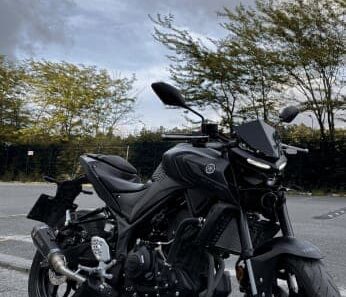
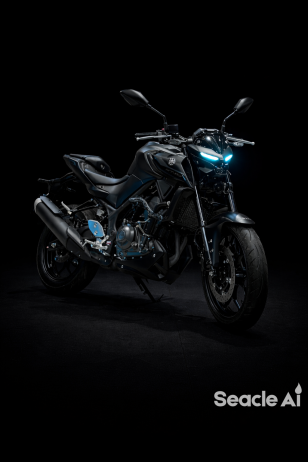

Yamaha MT-03 launches into conversations about lightweight, street-focused naked bikes for commuters who still want fun on twisty roads. It’s a compact roadster—not a full-on sportbike, not an adventure machine—and that positioning shapes everything from ergonomics to fuel economy. This article walks through who the MT-03 suits, what it can’t do, detailed specs, and how it stacks up against the KTM 390 Duke.
Table of Contents
- What is the MT-03 and who is it for
- Key MT-03 specs and engine
- Safety, comfort and technology
- Minimum height to ride MT-03
- MT-03 vs KTM 390 Duke: Engine and performance
- Comparison table
- Real-world use cases and limitations
- Alternatives and buying advice
- FAQs
- Conclusion
What is the MT-03 and who is it for
The MT-03 is a lightweight naked motorcycle built around a compact parallel-twin engine and an upright riding position. It targets riders who want agile city handling, low running costs, and an approachable power delivery for A2 or intermediate license holders in many markets. Its short wheelbase and 168–170 kg curb weight (market dependent) make it easy to flick through traffic; however, it was not designed for long-haul highway touring or off-road riding. For someone who values quick lane changes, low-speed stability, and straightforward maintenance, the MT-03 fits well.
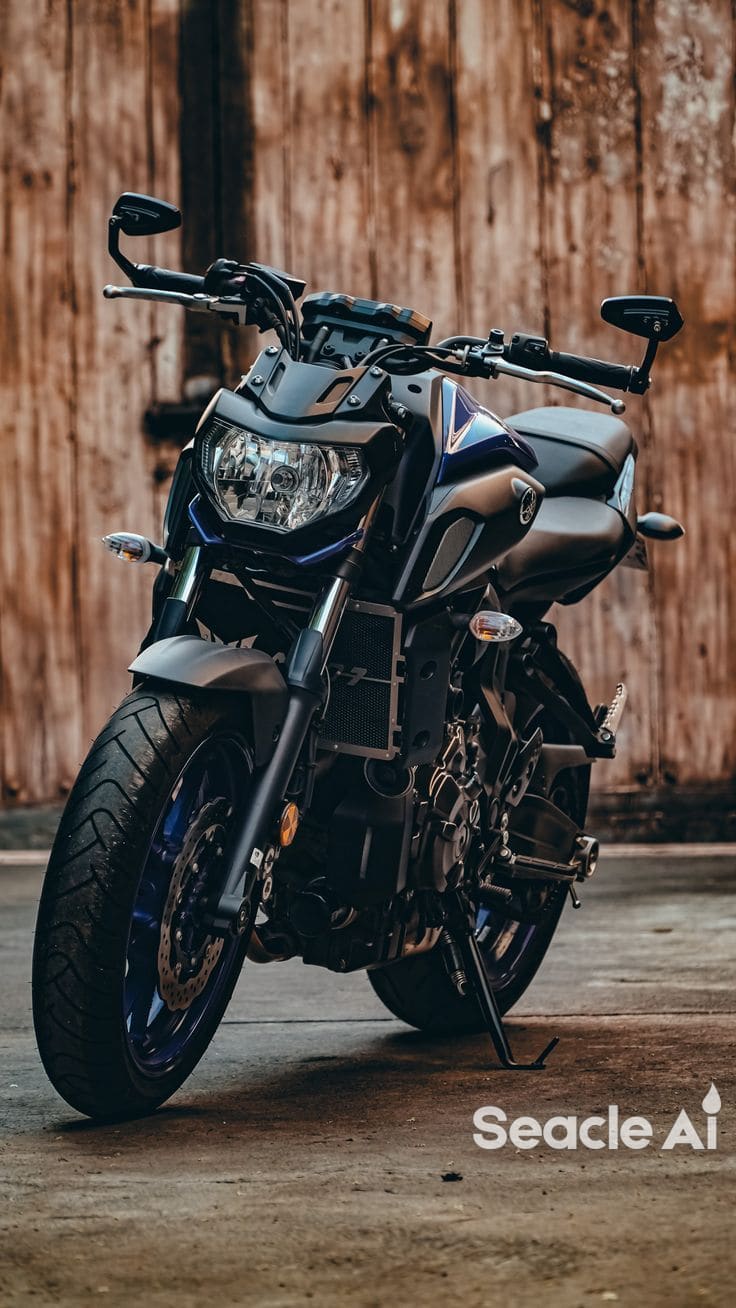
Key MT-03 specs and engine (MT-03 specs)
Here are the core confirmed numbers you’ll actually feel day to day:
- Engine: 321 cc liquid-cooled parallel twin (as used in recent model years), with a short-stroke design favoring revs.
- Power: ~42 PS (31 kW) at around 10,750 rpm (varies slightly by market and year).
- Torque: ~29.6 Nm at ~9,000 rpm.
- Top speed: Around 170–180 km/h in ideal conditions; real-world figures depend on wind and rider weight.
- Mileage: Expect 28–32 km/l in mixed urban-highway use; aggressive riding drops that into low 20s. (See MT-03 mileage notes below.)
- Transmission: 6-speed gearbox with a light clutch pull, suited to stop-start traffic.
- Seat height: 780 mm (approx). Combined with a narrow seat, this keeps the bike manageable for shorter riders.
Observation: the engine rewards higher revs—it feels livelier above 6,000 rpm—so town crawling in top gear can feel flat. That happens noticeably during rapid overtakes on short on-ramps.
Safety, comfort and technology
Safety and comfort features are practical rather than extravagant:
- Single-channel or dual-channel ABS depending on market/spec; dual-channel ABS is preferable for confident braking in wet Indian monsoon conditions.
- LED lighting and a clear LCD dash on newer models—enough info without distraction.
- Suspension: conventional telescopic fork and rear monoshock tuned for urban comfort; the setup leans slightly firm, which helps mid-corner feedback but transmits sharper potholes into the rider.
- Seat and ergonomics: upright position reduces wrist strain vs. sportbikes; after 2–3 hours you’ll notice some lower-back stiffness if you’re used to touring saddles.
Maintenance is straightforward: chain service, oil changes roughly every 5,000–6,000 km, and valve checks per the manual. Parts are generally affordable in major markets, but expect higher service prices at dealerships in smaller Indian towns.
Minimum height to ride MT-03 (minimum height to ride MT-03)
The seat height (~780 mm) means riders down to about 160 cm can place at least one foot flat on the ground; shorter riders often find they need to learn rear-leaning posture to manage balance at stops. Taller riders (over 185 cm) will feel a bit cramped on long rides because the compact tank and narrow tail limit legroom. Most beginners under 160 cm should test-ride to confirm confidence at traffic lights.
MT-03 mileage
Real-world MPG varies: city-focused commuting with frequent stop-start will deliver closer to 28 km/l, while steady 60–80 km/h cruising yields 32+ km/l. Aggressive throttle on twisty roads drops efficiency noticeably; expect a 10–20% penalty when riding spiritedly.
Check Price — compare dealers for current offers and local warranty packages.
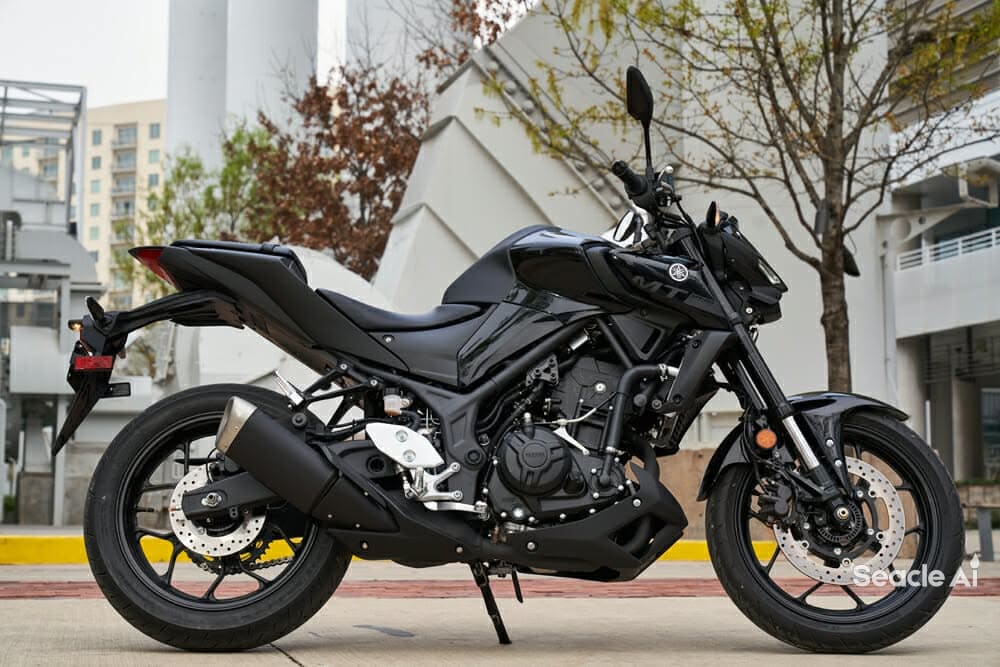
MT-03 vs KTM 390 Duke: Engine and overall performance (MT-03 vs KTM 390 Duke)
Short version: the Duke is the sharper weapon; the MT-03 is the easier daily rider.
| Category | Yamaha MT-03 | KTM 390 Duke |
|---|---|---|
| Engine | ~321 cc parallel twin, smooth midrange | ~373 cc single-cylinder, peaky and torquey |
| Power / Torque | ~42 PS / ~29.6 Nm | ~43–44 PS / ~37 Nm (stronger low-end pull) |
| Top Speed | ~170–180 km/h | ~170–180+ km/h (depends on gearing) |
| Mileage | 28–32 km/l mixed | 25–30 km/l mixed (varies with riding) |
| Tank Capacity | 14 L (approx) | 13.5–14 L (market dependent) |
| Brakes & Safety | Disc front/rear, ABS (single/dual) | Disc front/rear, dual-channel ABS standard, often better brakes |
| Price Range (2025–26) | Mid-range, typically lower than 390 in many markets (₹2.7–3.2 L ex-showroom India estimate as of 2025) | Higher by margin; premium for performance (₹2.6–3.5 L ex-showroom India depending on trims) |
Deeper comparison points:
- Engine feel: the Duke’s single-cylinder hits harder down low—useful in city overtakes—while the MT-03’s twin has a smoother spread and is less buzzy at cruising revs.
- Ride and chassis: KTM’s sharper geometry and WP suspension lean to aggressive riding; you’ll notice better cornering confidence at the limit. The Yamaha trades some ultimate grip for more forgiving manners at low speeds.
- Who should pick which: choose the Duke if you prioritize track days and punchy street performance; pick the MT-03 if you want easier daily usability and slightly lower running costs.
Real-world use cases and limitations
The MT-03 is best for:
- Urban commuters covering 20–80 km/day.
- Weekend riders who enjoy twisty A-roads rather than track laps.
- Riders preferring an approachable power delivery and lower maintenance fuss.
Not ideal for:
- Long highway touring with heavy luggage—seat comfort and wind protection are limited, leading to fatigue after ~3–4 hours of sustained motorway riding.
- Off-roading or heavy loads—suspension travel and frame geometry are not built for rough terrain or pillion plus luggage for extended trips.
Practical note: shorter riders get confident quickly because the bike’s narrow profile and low seat help. Taller riders will notice leg cramps more quickly than on larger roadsters.
Alternatives and buying advice
Consider the KTM 390 Duke if you want more torque and sharper handling. If your budget is lower or you prefer even simpler maintenance, check manufacturers’ 300–350 cc options from other brands. When buying, prioritize a test ride that includes a short highway stretch to assess windblast and engine behavior at sustained speeds.
FAQs
What is the minimum height to ride MT-03?
With a seat around 780 mm, riders 160 cm and above can generally manage the bike comfortably; under 160 cm, try it first—many shorter riders still handle it thanks to the narrow seat, but balance at stops is the main concern.
How efficient is MT-03 mileage in city use?
Expect around 28 km/l in congested city conditions; this improves to low 30s on mixed riding. Aggressive throttle usage on twisty roads reduces economy noticeably.
Does the MT-03 have dual-channel ABS?
That depends on the market and trim. Recent models often offer dual-channel ABS, but some regions still have single-channel versions. Choose dual ABS for safer braking in wet conditions.
Which is better for daily riding: MT-03 or KTM 390 Duke?
If you want gentler power, lower vibration, and easier traffic handling, the MT-03 feels more comfortable day to day. If you want stronger low-end torque and sharper handling for enthusiastic riding, the 390 Duke is the pick.
Conclusion
The MT-03 is a practical, light, and friendly naked bike that suits commuters and weekend riders who value ease and predictability over outright performance. Strengths include manageable weight, smooth twin-cylinder character, and affordable servicing in most urban markets. Drawbacks are limited wind protection for long highway stints, a firmer suspension that transmits potholes, and less torque than larger single-cylinder rivals—issues that matter if your riding includes long tours or heavy pillion use. Most people looking for a versatile city-first machine will find the MT-03 meets their needs; choose the KTM 390 Duke if you want a sharper edge and higher mid-range torque.
View Product and compare dealer offers before deciding.
URL slug: /yamaha-mt-03-review-2026
Meta title: Yamaha MT-03 Review 2026 — Specs, Real-World Notes & KTM 390 Duke Comparison
Meta description: Yamaha MT-03: an agile, city-focused naked bike with a 321cc twin, ~42 PS, ~29.6 Nm and ~28–32 km/l — practical for commuters but not ideal for long highway touring.
Image alt text 1: Yamaha MT-03 front three-quarter view
Image alt text 2: Yamaha MT-03 cockpit and instrument cluster