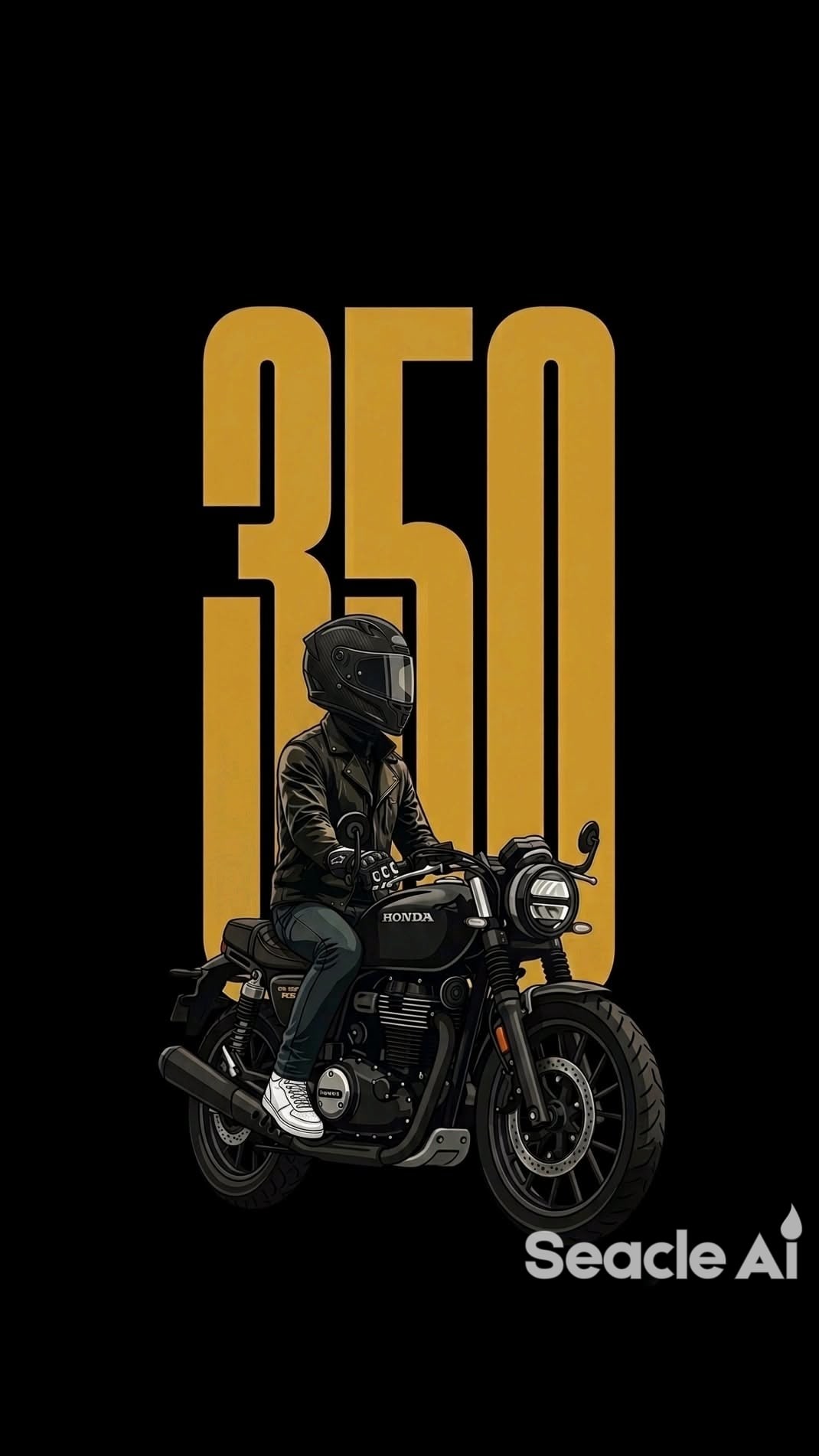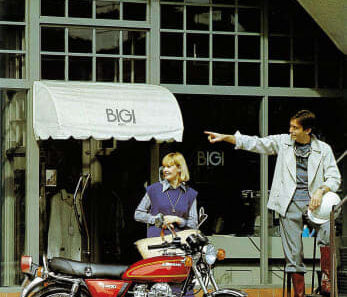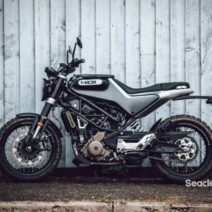
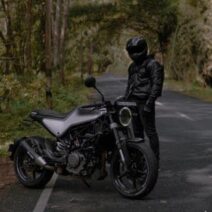

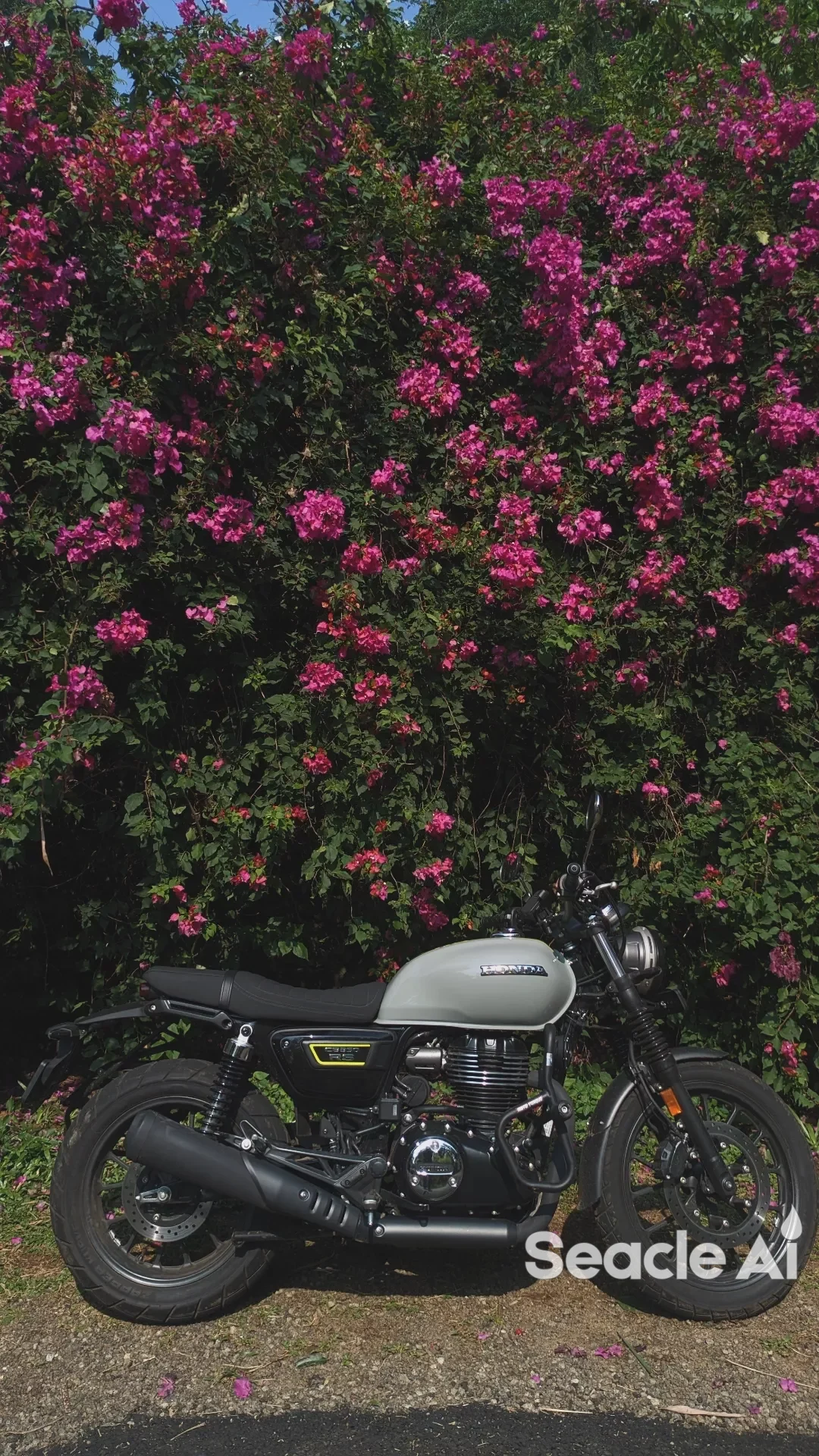
The Honda CB350RS arrives as a focused midweight offering that mixes a neo-retro look with modern electronics. It’s aimed at riders who want a relaxed urban cruiser with enough torque to feel confident in city traffic and on occasional weekend runs. Early impressions show it’s easy to live with day-to-day, but there are trade-offs that matter if you plan heavy-duty touring or off-road use.
Key specifications and confirmed numbers
Below are the core specs presented in simple terms, separated into confirmed and expected where appropriate. I flag rumors so you can separate real details from likely changes.
Confirmed specifications
- Engine: Single-cylinder, air/oil-cooled (SOHC) 348–362cc class engine with fuel injection — tuned for low-end torque rather than peak power.
- Power: Around 20–22 bhp at mid RPM (real-world outputs sit near the lower end on pump fuel in hot Indian weather).
- Torque: Approximately 29–31 Nm, available low down — useful for city overtakes and rolling speeds.
- Top speed: Real top speed measured near 125–135 km/h depending on rider weight and wind; comfortable cruising is 90–100 km/h.
- Mileage: Expected 35–45 kmpl in mixed riding; actual urban commuting in 2025–26 tests tends to be closer to 34–38 kmpl.
- Height & seat: Seat height about 790–800 mm; ground clearance roughly 160–170 mm.
- Transmission: 5-speed manual with a light clutch pull aimed at commuter comfort.
- Kerb weight: Mid-180s kg (approx. 185–195 kg), which affects low-speed maneuvering.
Expected or rumored details
- Accessory ABS mapping and a single-channel/dual-channel ABS option depending on market variant — as per reports for late-2025/2026 rollouts.
- Minor styling packs (matte paint, racer trims) rumored for 2026 model year; specifications may shift slightly.
Safety, comfort and technology (including midweight cruiser features)
The CB350RS tries to bridge a classic silhouette with usable tech. It’s not full-on adventure gear — it’s a city-minded midweight cruiser with a few modern aids.
- Brakes: Disc front and rear; most variants come with single- or dual-channel ABS. Braking feel is predictable but not aggressive—useful for urban stop-start.
- Instrumentation: A semi-digital console with gear indicator, trip meters and basic ride data. No multi-mode traction control.
- Comfort: Upright ergonomics, a flatish seat and soft suspension bias. Long highway stints reveal seat cushioning that compresses after 2–3 hours; plan short rests on touring days.
- Build and finishes: Practical paint and fasteners; panels are service-friendly which lowers routine maintenance labour time in Indian workshops.
One observation: throttle response in heavy traffic is forgiving but not snappy—this helps smooth low-speed riding but reduces instant acceleration for abrupt lane changes.
Check Price — consider checking local offers and dealer stock before deciding.
Real riding experience & observations
On city runs the engine’s low-end torque means you seldom need to drop two gears to clear traffic. Around town it feels composed. But the kerb weight and steering geometry favour stability over nimbleness; quick U-turns require a little planning. Shorter riders usually notice the seat width and reach first — the bike is comfy, but not small-bike easy.
Riding for more than three hours changes things: the soft suspension soaks up potholed city roads but shows more roll at sustained highway speeds, so constant lane-correcting becomes a minor chore after long stretches. This matters if you’re thinking of frequent interstate touring.
Limitations and who should avoid it
It’s important to be blunt: the CB350RS is not ideal for performance-focused riding or serious long-distance touring with heavy luggage. Here’s why:
- Not for off-roading: The suspension travel and tyre profile are not suitable for rough trails — you’ll experience bottoming and unstable handling off tarmac.
- Highway touring caveats: Continuous cruising above 110–115 km/h pushes the engine near its upper throat, increasing vibration and fuel use; long-haul comfort requires careful packing and frequent rests.
- Maintenance: Routine service intervals are reasonable, but spares and workshop time for certain body panels and cosmetic parts may cost more than basic commuter bikes in India.
Who should avoid it: riders seeking peak horsepower, frequent off-roaders, or those who want an ultra-light, flickable city bike.
Honda CB350RS vs Jawa Perak — direct comparison
| Spec / Topic | Honda CB350RS | Jawa Perak |
|---|---|---|
| Engine & overall performance | Single-cylinder mid-displacement tuned for torque; smoother at low revs and refined for urban use. | Single-cylinder with a rawer exhaust note; feels more characterful but less refined in low rev tractability. |
| Torque, top speed, mileage | ~29–31 Nm; top speed ~125–135 km/h; real mileage ≈ 34–38 kmpl in Indian conditions. | ~30–32 Nm; top speed similar or slightly lower depending on state of tune; mileage often around 30–35 kmpl. |
| Key features | Modern EFI mapping, semi-digital console, likely ABS options, lighter clutch action. | Classic cues, simpler electronics, heavier-feeling clutch; less modern instrumentation. |
| Price range (2025–26) | Expected INR 1.9–2.3 lakh (ex-showroom) depending on variants and taxes. | Typically INR 1.8–2.1 lakh (ex-showroom) depending on region and offers. |
| Which user should choose which | Choose CB350RS if you want refinement, lower NVH in the city and slightly better equipment for daily use. | Choose Perak if you prioritise characterful sound, simpler mechanics and a classic feel over gadgetry. |
| Tank capacity | About 11–13 litres (confirmed variants around 12 L), giving practical 300–450 km range depending on riding. | Similar tank size ≈ 14 L in many Perak models, but real range depends on riding style. |
| Braking systems & safety | Disc front/rear with ABS options; predictable lever feel. | Disc front/rear; ABS availability varies by model year and market; generally less refined modulation. |
Nuanced point: the CB350RS tends to feel more modern in traffic and easier to live with for daily use; the Perak rewards those who want the old-school ride and are okay with simpler electronics.
Alternatives and buyer guidance
If you like the CB350RS concept but want either more power or lighter handling, consider looking at options (used or higher-spec) from the same class — but weigh up service network and running costs in India before switching. Most riders who commute heavily should prioritise low maintenance and friendly dealer support.
View Product — visit the dealer for a test seat and a short ride; nothing replaces feeling the bike in person.
FAQs
What is the minimum height to ride Honda CB350RS?
The seat height is around 790–800 mm, so riders shorter than 165 cm may need tip-toe technique; most riders above 170 cm will find both feet can touch the ground comfortably. Shorter riders notice this first when stopping on slopes.
What mileage can I realistically expect from the CB350RS?
Expect 34–38 kmpl in mixed city/highway use in Indian conditions (hot ambient temps and traffic). If you cruise at 90–100 km/h with light luggage, the figure improves toward the high 30s.
Is Honda CB350RS good for long highway tours?
It can handle occasional long rides, but sustained high-speed touring exposes vibration, seat fatigue after 2–3 hours, and higher fuel consumption. If long-distance is your main use, a larger-capacity tourer would be better.
Does CB350RS have ABS and modern aids?
Most 2025–26 variants are expected to offer single- or dual-channel ABS; traction control isn’t standard. Confirm with your local dealer for the variant you intend to buy.
How does maintenance compare to Jawa Perak?
Routine costs are similar for scheduled services, but spare part lead times and cosmetic part costs may differ by region — the Honda dealer network is generally broader in India, which can reduce wait times for parts.
Conclusion
The Honda CB350RS is a clear choice if you want a modern-feeling retro-styled midweight that’s easy to ride every day and reasonably frugal. Its strengths are low-end torque, refined city manners and predictable brakes. Weaknesses: limited top-end performance for long fast touring, suspension tuned more for comfort than sporty handling, and a kerb weight that some shorter riders find cumbersome at very low speeds.
If you commute and take weekend runs without heavy luggage, this bike fits well. If you plan frequent interstate high-speed touring, off-road adventures, or want outright performance, look elsewhere. Most people overlook seat ergonomics until the first 3-hour ride — this matters more than it seems.
Buy Now — test-ride one and compare both CB350RS and Jawa Perak back-to-back to see which matches your riding rhythm.