
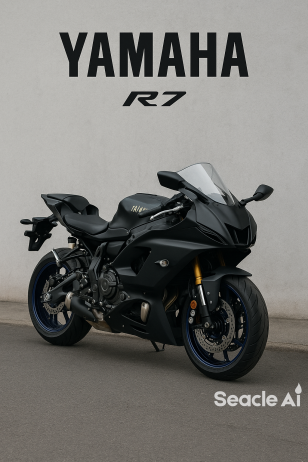

The Yamaha YZF-R7 sits in a narrow, useful band: more focused than a standard mid-capacity streetbike but less intense than a full liter-class sportbike. In practical terms it’s a road-oriented sport machine powered by Yamaha’s 689cc parallel-twin, aimed at riders who want sporty ergonomics and crisp handling without the extreme power and cost of a supersport.
Table of Contents
- Who this bike is for
- R7 specifications
- Safety, comfort and tech
- Real-world impressions
- Yamaha R7 vs Kawasaki Ninja 650
- Use cases and limitations
- Alternatives
- FAQs
- Conclusion
Who this bike is for
The R7 targets riders who want a sporty riding position and sharp chassis without the expense and aggression of a 600–1000cc supersport. Commuters who make occasional weekend canyon or highway runs, and intermediate riders stepping up from 400–500cc bikes, will find the balance appealing.
- Strength: usable midrange torque makes city riding manageable and overtakes predictable.
- Not ideal for: heavy long-distance touring—the seat and wind protection aren’t designed for multi-day highway loads.
R7 specifications
Below are the key confirmed figures and a few reasonable estimates that riders ask about first.
| Spec | Figure |
|---|---|
| Engine | 689cc parallel-twin, liquid-cooled (CP2) |
| Power | About 73 PS (≈54 kW) @ ~8,750 rpm |
| Torque | ~67 Nm @ ~6,500 rpm |
| Transmission | 6-speed, slipper clutch |
| Top speed (practical) | ~200–210 km/h (varies with conditions) |
| Mileage (typical) | City ~18–20 kmpl, Highway ~22–25 kmpl |
| Seat height | 835 mm |
| Minimum height to ride Yamaha YZF-R7 | About 165–170 cm (5’5″–5’7″) to be comfortable and flat-foot on tip-toe at stops |
| Wet weight (approx.) | ~188–193 kg depending on market equipment |
Confirmed vs estimated: engine displacement, peak power and torque are factory figures; top-speed and mileage are real-world ranges that depend on tires, load and riding style.
Safety, comfort and tech
The R7 comes with essentials rather than a long electronics buffet. Expect dual-channel ABS, LED lighting, a tidy instrument cluster and a slipper clutch. Yamaha historically omits full traction control and multiple ride modes on this model range, which keeps cost, weight and simplicity down.
- Safety: Dual-channel ABS is standard; rider aids are intentionally minimal—this matters on wet, low-grip surfaces where traction control would help.
- Comfort: The seat is firm and the riding posture leans sporty. For daily commutes under 60–90 minutes the bodywork and ergonomics are fine; beyond that, fatigue becomes noticeable—shorter riders report shoulder and wrist strain first.
- Tech: A clear dash and optional quickshifter in some markets; don’t expect adaptive cruise, integrated GPS or advanced telemetry on standard trims.
Real-world impressions
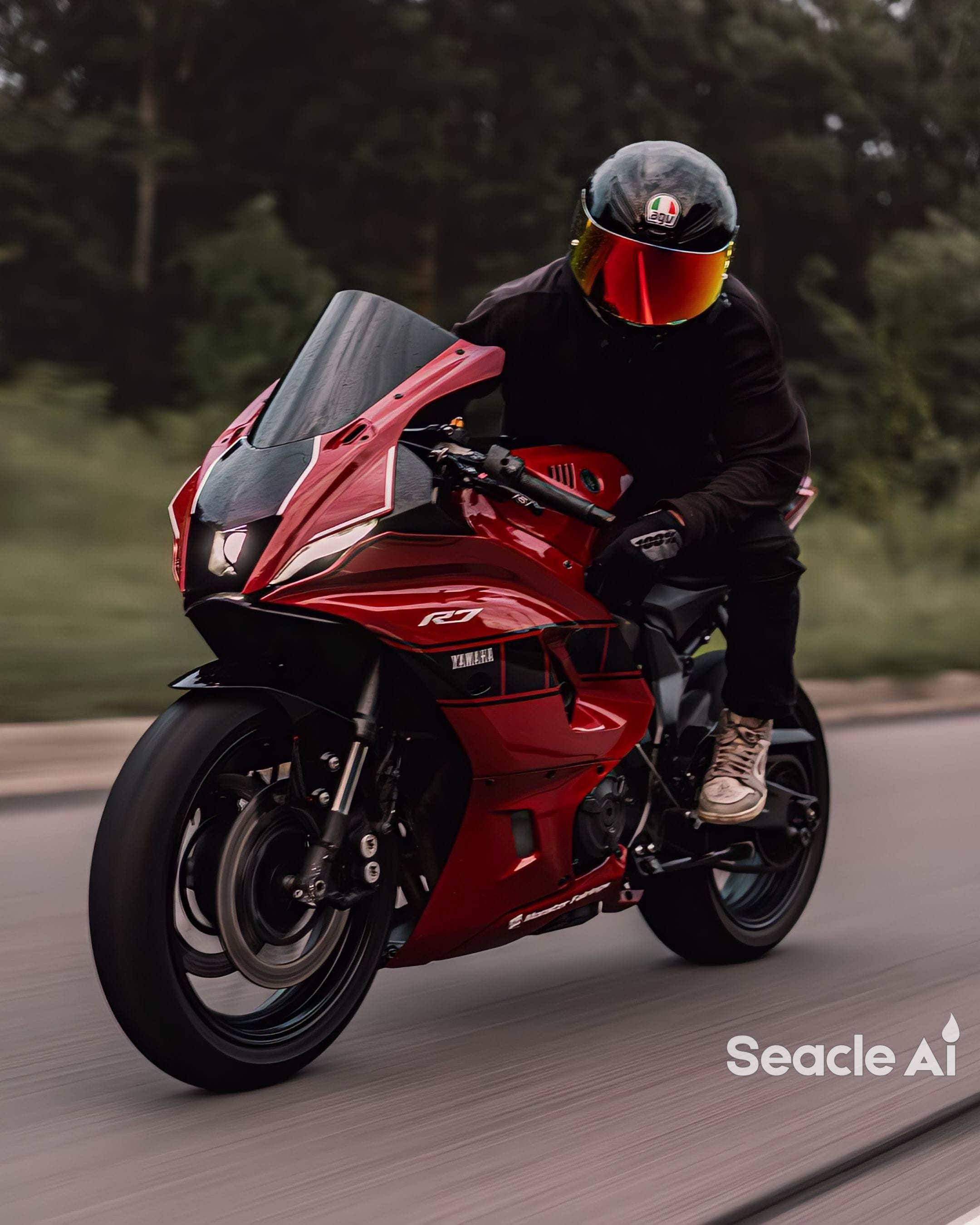
On town streets the throttle is responsive and linear, making traffic filtering and low-speed maneuvers predictable. On twisty roads the chassis shines—light steering and firm mid-corner stability—so it feels smaller than its weight suggests. This becomes noticeable on back-to-back canyon runs.
Two quick, experience-driven observations:
- Rider fatigue builds on longer days: after 3–4 hours the forward bias is felt in the wrists and lower back compared with a more upright roadster.
- Throttle response in stop-start traffic can be sharp; smooth clutch work is needed at low speeds to avoid jerky restarts.
Yamaha R7 vs Kawasaki Ninja 650
1. Engine and overall performance
The R7’s 689cc twin is tuned to deliver higher revving power and sharper throttle response compared with the Ninja 650’s 649cc mill. The Ninja emphasizes low-end tractability, so it feels calmer in city traffic while the R7 rewards higher rpm use on open roads.
2. Torque, top speed, and mileage
| Yamaha R7 | Kawasaki Ninja 650 | |
|---|---|---|
| Torque | ~67 Nm | ~64 Nm |
| Top speed (practical) | ~200–210 km/h | ~190–200 km/h |
| Mileage (typical) | City 18–20 / Hwy 22–25 kmpl | City 16–20 / Hwy 20–24 kmpl |
3–5. Key features, price range and rider fit
Both bikes offer ABS and modern lamps, but the R7 is sportier in ergonomics and chassis tuning. The Ninja is more relaxed and often has slightly more luggage-friendly ergonomics.
- Price (2025–26 indicative): R7 global MSRP typically sits around $9,000–$10,000; Ninja 650 around $7,000–$8,500. In India, expect Kawasaki pricing to be more competitive than an imported Yamaha R7 if both are available locally.
- Who should pick the R7? Riders who prioritize cornering feel and a sportier experience during weekend rides.
- Who should pick the Ninja 650? Commuters and touring riders who want a more forgiving riding position and slightly lower cost of ownership.
6–7. Tank capacity and braking systems
| Item | Yamaha R7 | Kawasaki Ninja 650 |
|---|---|---|
| Tank capacity | 14 L (approx) | 15 L |
| Brakes | Dual front discs & single rear disc with dual-channel ABS | Dual front discs & single rear disc with dual-channel ABS |
Braking performance will feel similar in emergency stops; Ninja’s upright stance makes it marginally easier to manage at low speed for inexperienced riders.
Check price and regional availability before deciding—these ranges change with taxes and local import duties.
Use cases and limitations
Important limits to accept before buying:
- Not for heavy touring: wind protection and pillion comfort are limited—pair it with a lighter overnight load, not full saddlebags and two-up cross-country trips.
- Not for off-roading: ground clearance and tires suit only paved surfaces.
- Maintenance: tyre wear can be higher if ridden aggressively; servicing a high-revving inline twin also means valve checks and more frequent oil changes than a simple commuter single—factor this into ownership cost.
Alternatives
If you want similar performance with a different comfort balance, consider the Kawasaki Ninja 650 for a friendlier seat and torque curve, or an upright middleweight like the Triumph Trident 660 for less strain on long rides.
FAQs
- What are the full R7 specifications?
- See the main specs table above for confirmed engine, power and seat height. Minor items such as exact wet weight and accessory options vary by market and trim.
- How does Yamaha R7 vs Kawasaki Ninja 650 compare for commuting?
- The Ninja 650 is easier for daily city use due to its lower seat height and more relaxed torque delivery; the R7 rewards open road and cornering more than stop-and-go traffic.
- What is the minimum height to ride Yamaha YZF-R7 comfortably?
- Expect to need about 165–170 cm to comfortably flat-foot or tip-toe at stops; shorter riders should try one first because the seat is firm and narrowness at the tip can still help.
- What real-world R7 mileage can I expect?
- Typical daily use yields 18–22 kmpl; steady highway riding improves that to the low-20s. Real results depend on load, tyre choice and how frequently you run the bike at higher rpm.
- Does the R7 have traction control or riding modes?
- Standard models prioritize simplicity—full traction control and multiple ride modes are usually absent, though some markets or later model years may add optional electronics packages.
Conclusion
The Yamaha R7 is coherent: it gives confident cornering, manageable mid-range thrust and sportbike posture without the maintenance intensity of a full superbike. Its weaknesses are obvious—a firmer seat and forward posture that make long touring uncomfortable, and limited rider aids compared with bikes that target tech-first buyers. Shorter riders should check the seat-to-ground relationship in person. If you prefer an engaging, chassis-focused ride and plan mostly 1–4 hour outings with occasional highways, the R7 makes sense. If you want a daily commuter with touring capability and lower running costs, the Kawasaki Ninja 650 will likely suit you better.
If you’re ready to compare prices or view local stock, Check Price at your nearest dealer or official website.
Final note: specifications and equipment can vary by market and year—confirm the exact spec sheet for the 2026 models where you live before purchase.
Buy Now or Compare Options only after a test ride; this is where the numbers meet your comfort and riding style.