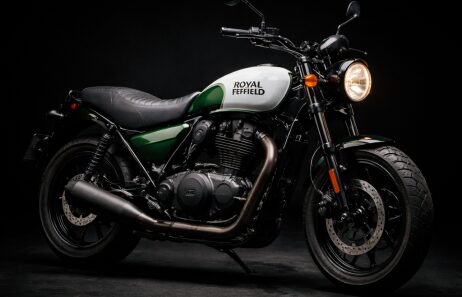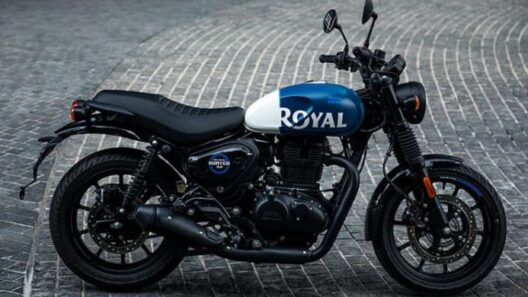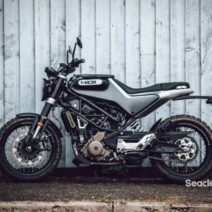


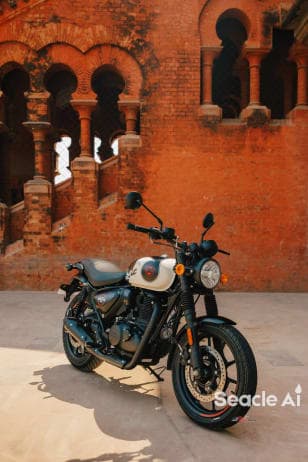

The Royal Enfield Hunter 350 is a compact, road-focused motorcycle built to be easy in the city and friendly on short weekend rides. It’s aimed at riders who want classic single-cylinder character, simple maintenance, and an upright, confidence-inspiring ride without the bulk of larger cruisers. In practical terms: think commute-first chassis, playful handling, and a low learning curve for new-to-mid level riders.
Below is a quick guide to what it is, who it fits, its confirmed and expected specs, real-world observations, and a direct comparison with the Honda H’ness CB350.
Table of Contents
- Key specifications (Hunter 350 specs)
- Mileage & real-world range (Hunter 350 mileage)
- Safety, comfort and tech highlights
- Who this suits and clear limitations
- Comparison: Royal Enfield vs Honda H’ness
- Real-world impressions and usage notes
- FAQs
- Conclusion and buying guidance
Key specifications (Hunter 350 specs)
Confirmed (manufacturer sources and widely reported):
- Engine: ~349 cc, single-cylinder, air/oil-cooled, fuel-injected.
- Transmission: 5-speed manual gearbox.
- Power & Torque: commonly listed near 20–21 PS and ~27–30 Nm (tuning varies by model year and market).
- Seat height: around 790–805 mm depending on seat option; ground clearance near 170 mm.
Expected/variant-dependent: claimed top speed typically quoted between 110–125 km/h; kerb weight commonly reported in the 181–185 kg band. These numbers change slightly between model years and in 2025–2026 minor updates or special editions may nudge figures.
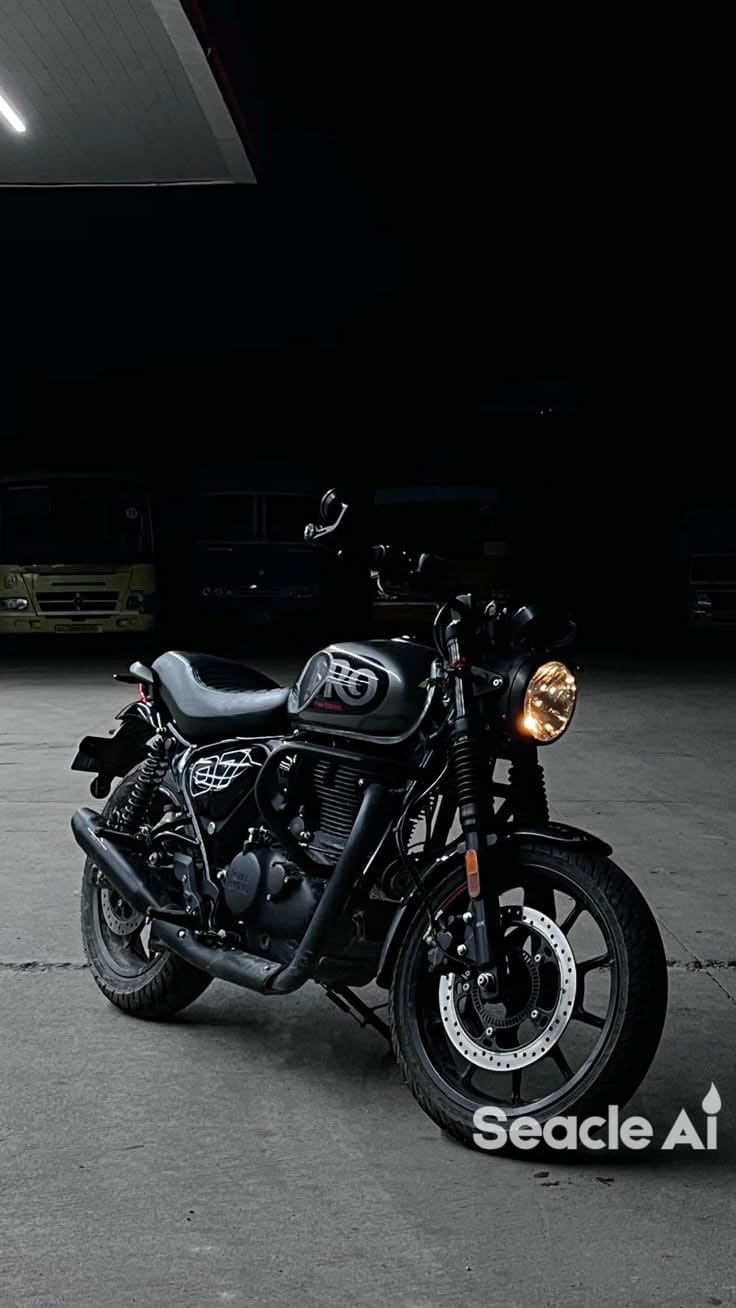
Mileage & real-world range (Hunter 350 mileage)
Factory or claimed combined mileage figures often sit in the 35–45 km/l range. In real use around Indian cities and mixed highways, expect 32–38 km/l depending on traffic, rider, and tuning. That means with a typical 12–13 litre tank you can reasonably plan for 380–480 km between fill-ups in mixed riding.
Practical note: aggressive city stop-start will drop economy quicker than constant-speed highway runs; riders who frequently accelerate hard will see the lower end of the range within a month.
Safety, comfort and tech highlights
What matters on a daily ride:
- Brakes: front disc and rear disc, with ABS as standard in most markets (check variant). The ABS calibration is set more for safety than sport—good for wet city stops but not tuned for aggressive track use.
- Suspension: telescopic front forks and twin rear shocks tuned for urban comfort. The suspension soaks most potholes well, but busy two-up touring reveals its limits: heavy loads make the rear feel saggy after long hours.
- Ergonomics: upright riding position, narrow handlebar—easy in traffic and for shorter riders.
- Tech: simpler instrument cluster with digital trip and fuel info; higher trims may get Bluetooth-enabled displays or minor connectivity features.
Who this suits and clear limitations
Who should consider it:
- Urban riders who value style and a lightweight, point-and-shoot chassis.
- Newer riders or those returning to motorcycling who want low seat height and predictable power delivery.
- Riders who prefer simpler maintenance and fewer electronic distractions.
Who should avoid it:
- Long-distance tourers — the Hunter’s gearing, tank capacity, and seat padding are not designed for sustained high-speed touring or heavy two-up loads.
- Performance-focused riders — if you want rapid acceleration and track capability, look elsewhere; this bike trades outright speed for easy torque delivery in town.
One clear limitation: the Hunter is not ideal for sustained long highway touring. Expect rising fatigue after several hours, and vibration/heat from the single-cylinder engine becomes noticeable on extended runs—so if you routinely do 300+ km days at high average speeds, it will feel small and under-geared.

Comparison: Royal Enfield vs Honda H’ness
| Item | Royal Enfield Hunter 350 | Honda H’ness CB350 |
|---|---|---|
| Engine & Performance | ~349 cc single; tuned for low-end torque and city response. | ~348 cc single; slightly smoother at highway revs with a more refined midrange. |
| Torque / Top speed / Mileage | ~27–30 Nm; top speed 110–125 km/h; real-world 32–38 km/l. | ~30 Nm; top speed 115–125+ km/h; real-world 33–40 km/l (a touch better on open roads). |
| Key features | Simpler tech, lighter chassis, urban-focused ergonomics. | More refinement, optional dual-channel ABS, and a dashboard with more features on higher trims. |
| Price (India, 2025-26) | Typically positioned lower — around ₹1.80–2.10 lakh (ex-showroom) for mainstream variants (price depends on year & trim). | Usually ₹1.95–2.40 lakh (ex-showroom), reflecting additional refinement and features. |
| Tank capacity | ~12–13 litres (shorter range than H’ness). | ~15 litres (better for longer rides). |
| Braking & Safety | Disc brakes with ABS; focused on city stability. | Stronger braking feel in some real-world tests, dual-channel ABS available/more consistent across trims. |
Nuance: the H’ness edges the Hunter on highway refinement and long-ride comfort, while the Hunter is more playful in tight city environments and easier to park and flick around. This matters more than it seems when daily traffic is heavy.
Which rider should choose which?
- Choose the Hunter 350 if you want lighter handling, a lower seat, and lower entry price for city-first ownership.
- Choose the H’ness CB350 if you plan frequent highway runs, value smoother high-speed refinement, and want a slightly larger tank and advanced features.
Real-world impressions and usage notes
Two rider-based observations:
- Throttle behavior in traffic: the Hunter’s low-end torque makes stop-and-go commuting less stressful; short bursts are easy and predictable. This becomes noticeable during long urban rides when frequent accelerations are needed.
- Fatigue and seating: after 2–3 hours of non-stop riding the seat padding and narrow pillion area start showing limits—short weekend runs are fine, but day-long touring reveals the compromise in comfort.
Maintenance: routine services and fewer electronics generally keep running costs lower than more complex rivals, but frequent city riding will increase clutch/tyre wear compared with relaxed highway use.
Check price and your nearest dealer’s test-ride options before deciding—sitting on both bikes tells a lot.
FAQs
- What is the minimum height to ride Royal Enfield Hunter 350?
- Most riders around 160 cm (5’3″) can manage it comfortably because of the low seat height near 790–805 mm; shorter riders may need to be mindful of reaching the ground flatly, especially with heavier boots or added luggage.
- How does Hunter 350 mileage compare to Honda H’ness?
- Both return similar economy in mixed use (low-to-mid 30s km/l). In steady-state highway riding the H’ness can be a bit more efficient due to gearbox and refinement, while the Hunter may use slightly more fuel in heavy urban traffic.
- Are Hunter 350 specs enough for highway touring?
- Technically yes for short highway stints, but the bike isn’t optimized for long high-speed tours—expect more vibration, lower cruising comfort, and more frequent fuel stops compared to larger or more touring-focused bikes.
- What safety features does the Hunter have compared to H’ness?
- Hunter offers disc brakes with ABS (single or dual-channel depending on variant). H’ness typically provides a stronger braking feel and more consistent dual-channel ABS across trims. Check variant specs when buying.
Conclusion and buying guidance
The Royal Enfield Hunter 350 is a tidy, urban-first motorcycle: easy to ride, relatively light, and cheaper to own in everyday city use. Its strengths lie in nimble handling, approachable ergonomics, and lower complexity. Weaknesses are clear: not a touring machine, not for riders chasing high-speed performance, and it can show fatigue signs on long consecutive hours.
If your days are mostly traffic-choked commutes, short weekend rides, and you like a classic single’s feel — the Hunter makes practical sense. If you regularly ride long highways with a pillion or carry luggage, the Honda H’ness CB350 gives better long-distance comfort and slightly higher refinement.
Decide by priority: choose Hunter for city-first living and lower price-of-entry; choose H’ness for longer riding comfort and marginally better highway manners. Visit a dealer, test-ride both, and check the specific variant equipment before you buy.
View product or schedule a test ride to see how the bike feels in traffic and on the open road.