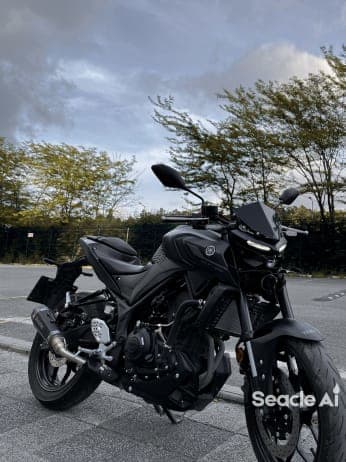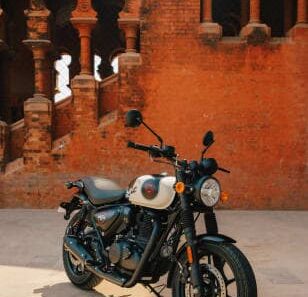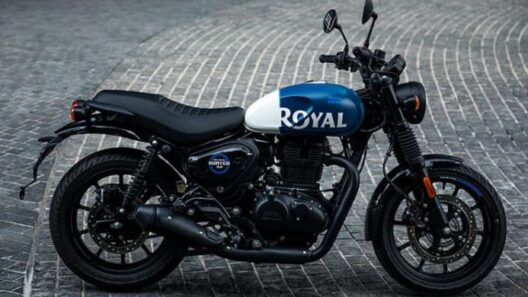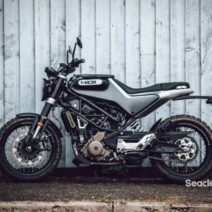

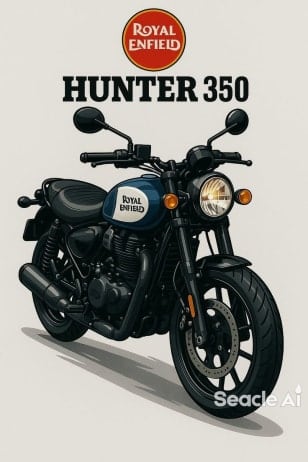

The Royal Enfield Hunter 350 is a compact, throwback-styled 350cc motorcycle aimed squarely at city riders and new-to-mid-level enthusiasts who want classic looks without the length and heft of an Interceptor or Classic. It’s built around a single-cylinder 349 cc engine and a simple chassis that prioritises low-speed manners and urban agility over outright performance. Early owners appreciate how the bike’s proportions feel composed in traffic, but it’s not a do-it-all machine—long, high-speed touring or off-road thumping are where it shows limits.
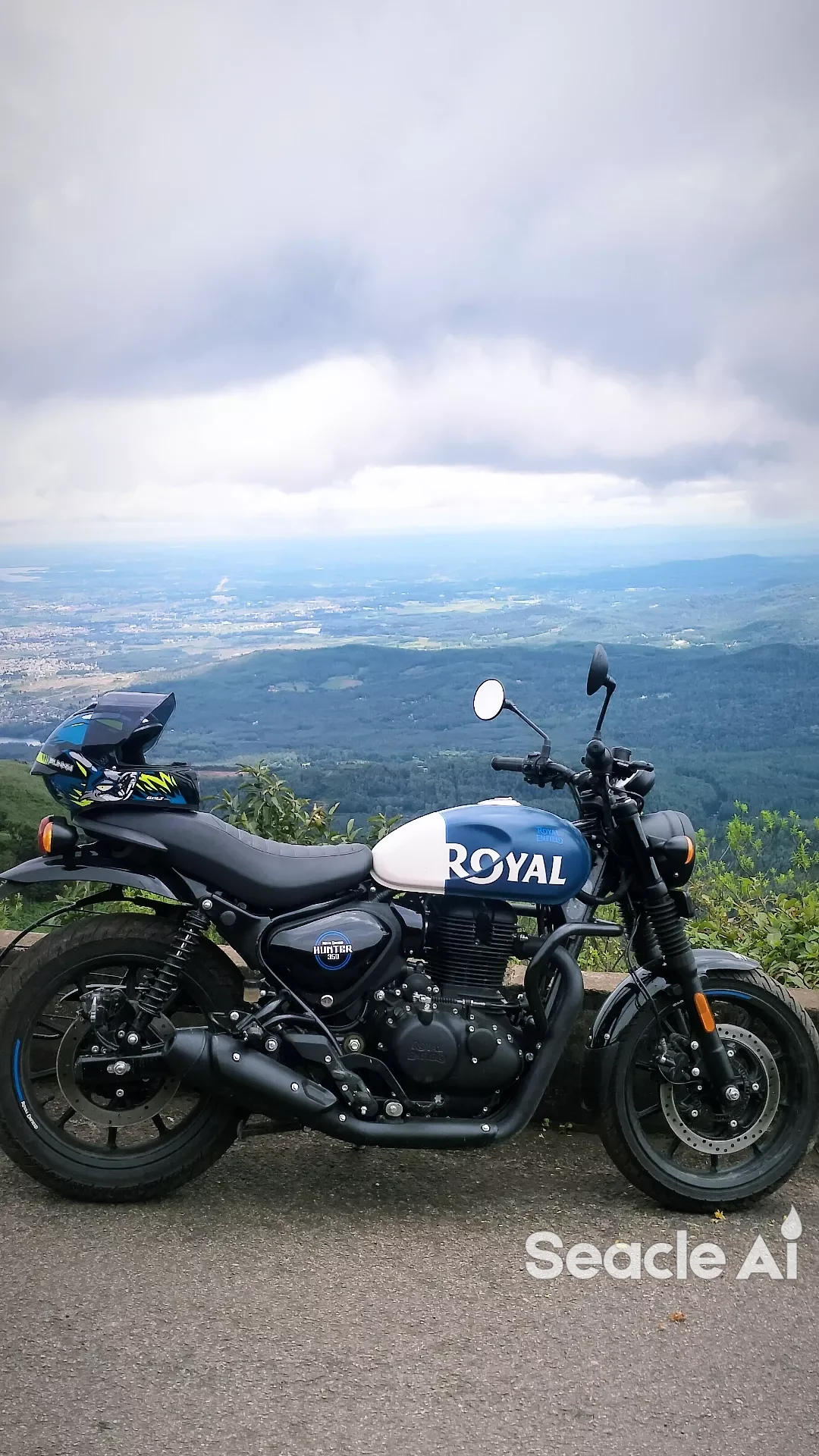
Quick note: confirmed specifications are mixed with observed behavior in traffic and longer rides below. Some figures quoted from early 2025–2026 updates are industry-standard values; I’ve marked likely or expected items where appropriate.
- What type of vehicle is it and who is it for?
- Key specifications (confirmed and expected)
- Safety, comfort and technology
- Real-world impressions and rider notes
- Hunter 350 vs Yezdi Roadster 350 — direct comparison
- Where the Hunter 350 falls short
- Alternatives and who should buy which
- FAQs
- Conclusion and buying advice
What type of vehicle is it and who is it for?
The Hunter 350 is best described as a compact 350cc cruiser with neo-retro styling and an emphasis on urban rideability. It targets:
- City commuters who want a simple, characterful motorcycle with manageable seat height and easy handling.
- Riders moving up from 150–250cc bikes who want the torque and presence of a 350 without a big weight penalty.
- Style-first buyers who value slim ergonomics and a shorter chassis for parking and lane filtering.
Who should avoid it: sport riders who want high top speed or race-track capability, tourers who need long-range comfort and luggage, and off-road riders — the chassis and suspension simply aren’t designed for aggressive dirt use. This matters more than it seems: push it where it wasn’t intended and you’ll notice stability and suspension limits quickly.
Key specifications (confirmed and expected)
Below I separate what Royal Enfield and service literature have confirmed from specs commonly quoted in 2025–2026 reports.
Confirmed specifications
- Engine type: single-cylinder, 4-stroke, air/oil-cooled, 349 cc
- Power: around 20.2 PS (claimed by Royal Enfield on J-platform 350s)
- Torque: ~27 Nm (typical for the RE 350 J-platform)
- Transmission: 5-speed gearbox
- Seat height: ~790 mm — accessible for many riders; shorter riders usually notice this first
- Braking: front disc with ABS standard; dual-channel ABS available on most variants
- Kerb weight: in the ballpark of 180–185 kg depending on variant
Expected / reported figures (as per 2025–2026 updates)
- Top speed: practical top speed near 115–125 km/h in real-world conditions (winds, pillion, and heat affect this)
- Fuel tank capacity: commonly listed around 11 litres (reported)
- Fuel efficiency: 35–40 kmpl in mixed city/highway use is achievable, though heavy throttle in traffic drops this toward the low 30s
Safety, comfort and technology
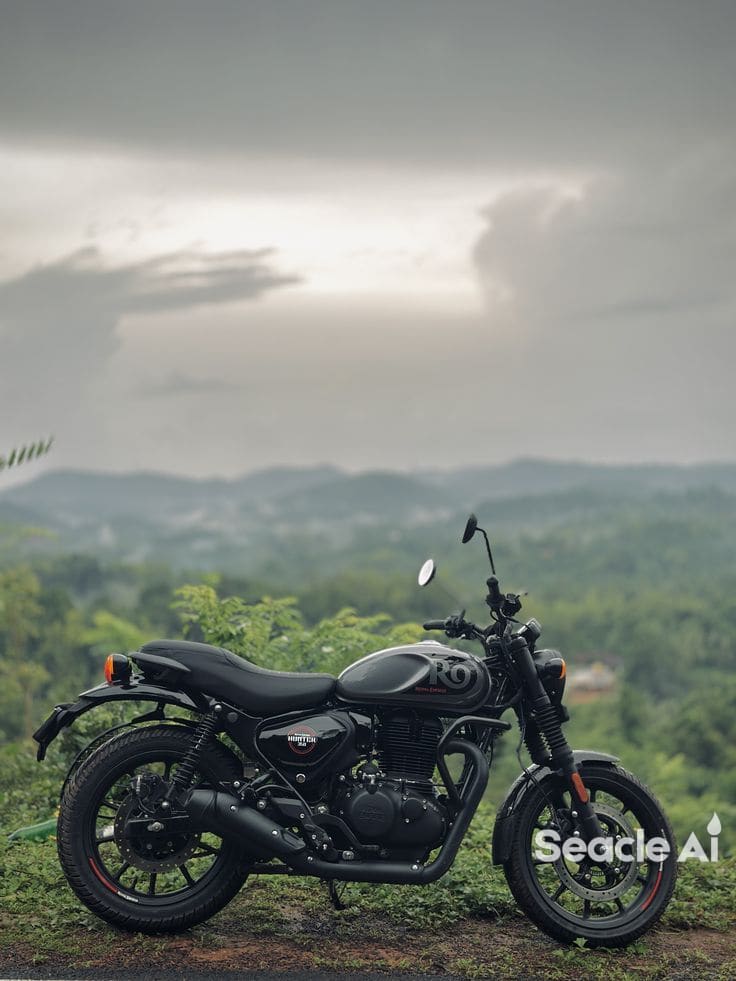
Safety and tech are intentionally basic here — that’s by design. The Hunter 350 focuses on fundamentals rather than gadgetry.
- Brakes: Disc front, disc rear on higher trims; dual-channel ABS standard for 2025 models. In practical use, ABS intervention is predictable and not intrusive during daily braking.
- Suspension: Telescopic front forks and twin rear shocks tuned for city comfort. The compromise: compliant over potholes but chunky hits can upset composure at higher speeds.
- Instrumentation: Semi-digital cluster with basic trip, fuel, and gear indicator. No big TFT or navigation unless added via accessories.
- Comfort: Narrow seat and upright riding position work well for short to medium rides; after 2–3 hours you’ll notice lower-back fatigue compared to more touring-focused seats.
Real-world impressions and rider notes
Two quick, experience-based observations:
- The throttle is deliberately relaxed at low rpm — this helps in stop-and-go lanes but makes rapid overtakes feel lazy until you drop a gear. Most people overlook how much gear selection affects perceived responsiveness on these engines.
- Weight distribution feels centralized; low-speed manoeuvring is confidence-inspiring, but when you carry a pillion and luggage the short wheelbase can feel more twitchy on highways.
Rider fatigue: on rides beyond three hours (urban plus some highway), the narrow seat begins to complain. The suspension soaks ordinary bumps but harsh potholes transmit through the chassis — the result is more rider fatigue, especially on badly surfaced routes.
Check Price — if you’re weighing monthly payments against practicality, the Hunter’s lower weight and simpler maintenance usually keep running costs manageable compared with higher-spec 350s.
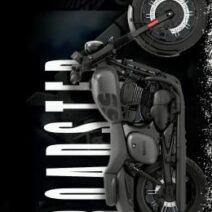
Hunter 350 vs Yezdi Roadster 350 — direct comparison
| Category | Royal Enfield Hunter 350 (confirmed/typical) | Yezdi Roadster 350 (confirmed/typical) |
|---|---|---|
| Engine & overall performance | 349 cc single-cylinder, ~20.2 PS — built for torque at low rpm and urban usability. | ~334–350 cc single, higher state of tune (reports ~29–30 PS on some 350 Yazdi engines) — more performance-focused. |
| Torque, top speed, mileage | ~27 Nm; top speed ~115–125 km/h; mileage 35–40 kmpl (mixed riding). | Higher torque figure and top speed typically in 140–155 km/h range; mileage tends to be lower, around 25–30 kmpl under spirited use. |
| Key features | Simpler cluster, lighter chassis, easy low-speed manners. | Often more tech (multi-mode ABS, switchable traction on some trims) and aggressive ergonomics for faster riding. |
| Price range | Typically positioned lower — as of 2025, expect INR ~1.60–1.80 lakh (ex-showroom) for base variants (region-dependent). | Usually a bit more expensive for better spec; reported in 2025 at INR ~1.80–2.10 lakh (ex-showroom) depending on trims. |
| Who should choose which | Choose Hunter 350 if you prioritise urban comfort, easy parking, and lower running costs. | Choose Yezdi Roadster 350 if you want stronger on-road performance and more features for faster, open-road riding. |
| Tank capacity | ~11 litres (reported) | Often larger; many Roadster variants have ~14 litres. |
| Braking & safety | Disc + dual-channel ABS on most variants; predictable ABS feel for city use. | Dual-channel ABS standard; Roadster sometimes offers higher-spec calipers or optional tech packages. |
Note: Yezdi numbers are taken from 2025 model summaries and manufacturer statements; specific power/torque can vary by variant. The Roadster clearly tilts toward riders who want quicker sustained speeds; the Hunter is calmer and easier to live with daily.
Where the Hunter 350 falls short
Primary limitations in plain terms:
- Not for long highway touring: short wheelbase and firmer ride at speed make long-day comfort and stability a compromise.
- Performance ceiling: if you want brisk acceleration or sustained high-speed runs, the Hunter feels underpowered compared with modern performance-focused 350s.
- Tech leanings: minimal electronics—no large TFT or sophisticated rider modes—so buyers expecting gadgetry will be disappointed.
Who should avoid it: commuters who regularly do 300+ km highway days, sport riders, or those wanting top-tier tech. The bike is simply not built around those use-cases.
Alternatives and who should buy which
If you want similar simplicity but more highway composure, consider slightly heavier or higher-tuned 350s from competitors. Choose the Hunter if your daily rides are city-heavy, you value easy handling, and you prefer lower purchase and running costs.
FAQs
What is the minimum height to ride Royal Enfield Hunter 350?
With a seat height of about 790 mm, the minimum practical rider height is typically around 160 cm (5’3″) for comfortable flat-footed stops and confident handling; shorter riders may need a slight seat modification or practice to manage low-speed balance. Shorter riders usually notice this first.
Is the Hunter 350 good as a city commuter or is it meant for touring?
It’s primarily a city commuter — nimble, easy to park, and forgiving in traffic. For multi-day touring, its shorter ergonomics and limited wind protection become noticeable and tiring.
What is the average mileage of the Hunter 350?
Expect 35–40 kmpl in mixed conditions if you ride steadily; aggressive throttle or constant high-speed riding will push economy lower toward the low 30s.
Does the Hunter 350 come with dual-channel ABS and other safety tech?
Most 2025–2026 variants include dual-channel ABS; some features like traction control or ride modes are not part of the core package.
How much does maintenance typically cost?
Routine servicing is cheaper than higher-tech bikes — oil, filter, and valve checks are straightforward. However, parts and labour costs for Royal Enfield in India can vary by city; budget for slightly higher servicing intervals if you ride in dust-prone areas.
Conclusion and buying advice
The Royal Enfield Hunter 350 is a deliberately simple and accessible 350cc bike that shines in town: easy to live with, easy to park, and easy to ride. It sacrifices top-end speed, touring comfort, and tech features to keep weight, cost, and complexity down. If your daily life is rides shorter than 100–150 km, lots of stop-and-go, and you enjoy retro styling without big wallets, it’s a sensible choice.
If you plan regular long-distance trips, prefer brisk acceleration, or want advanced electronics, consider alternatives like the Yezdi Roadster 350. The Roadster rewards open-road pace; the Hunter rewards low-speed confidence. This is where things get tricky: value the right trait for your needs.
Compare Options before you buy — check local prices, test-ride both bikes with luggage/pillion, and consider seat height and suspension feel on your typical roads.
Final CTA: Want the latest on pricing and dealer offers? View Product at your nearest showroom and take a test ride.