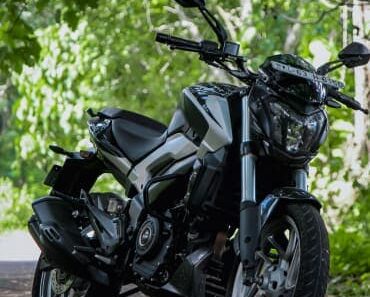


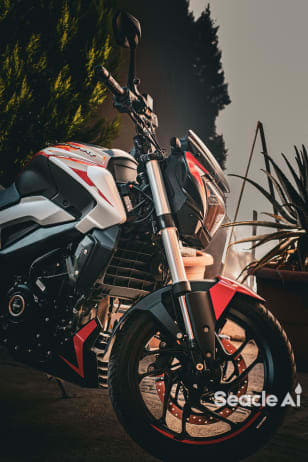

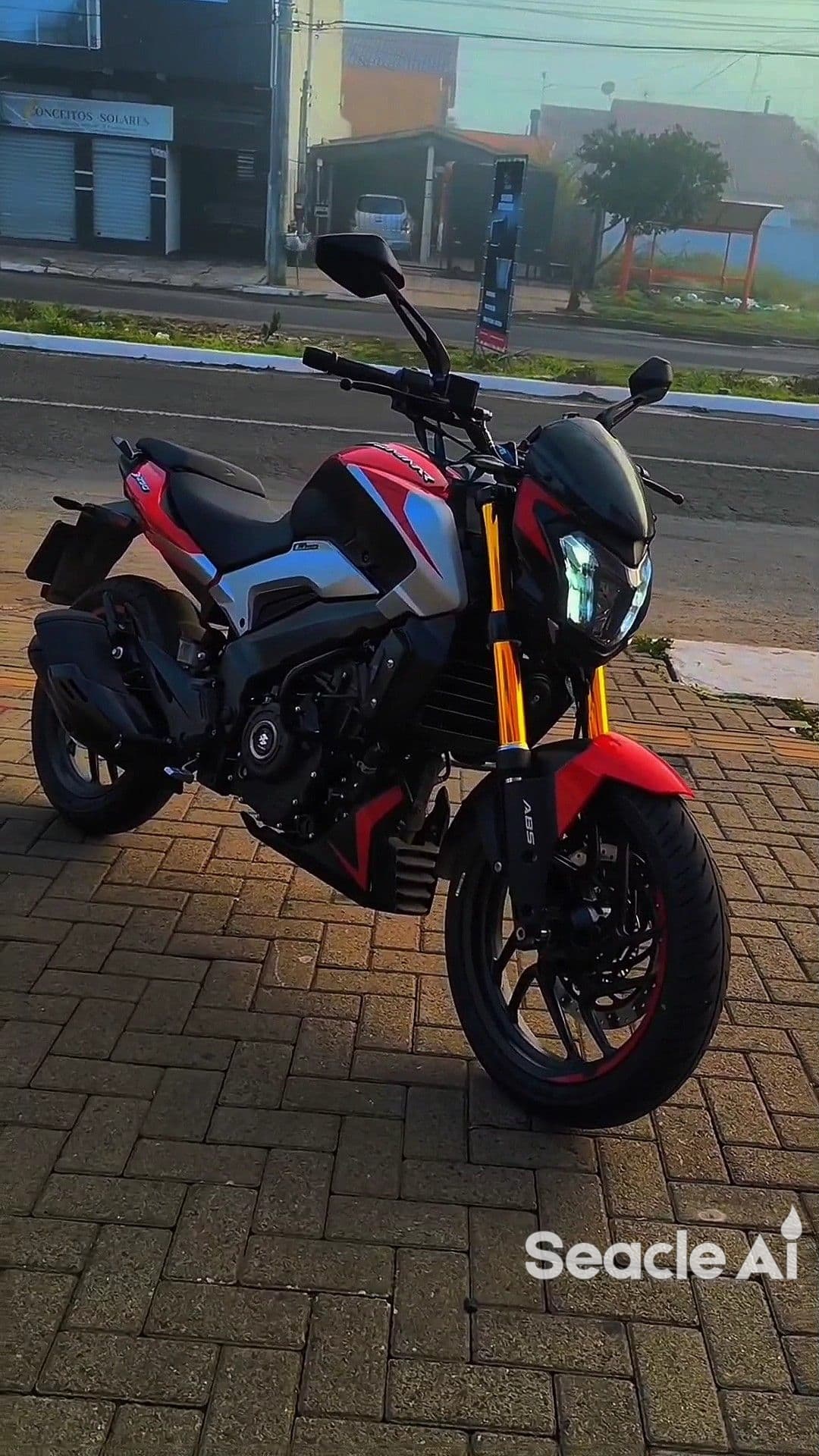
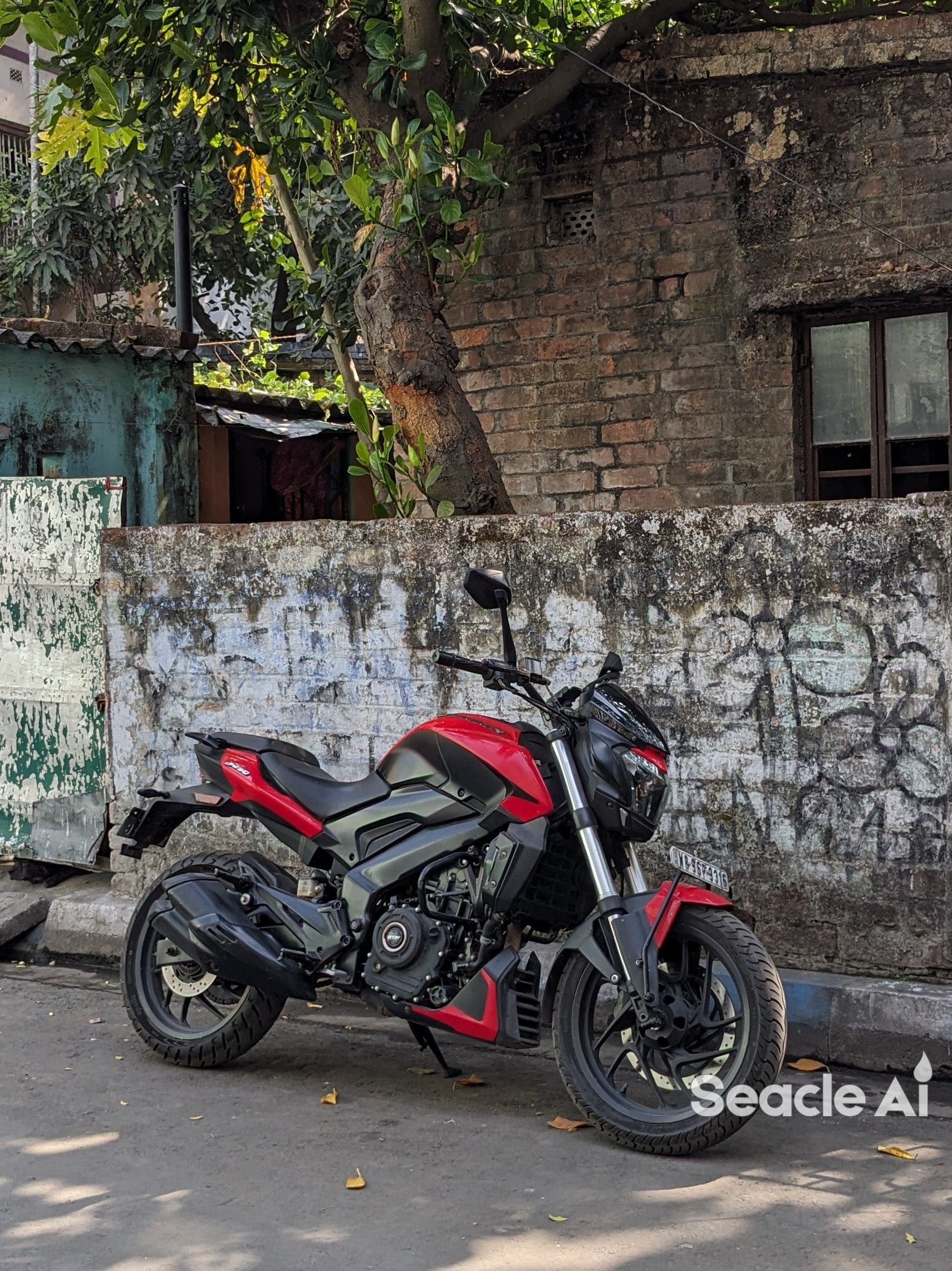
The Bajaj Dominar 250 arrives as a mid-weight roadster aimed at riders who want a comfortable daily machine with occasional highway intent. In short: it’s a street/tour-oriented 250cc motorcycle that leans toward long-day comfort and stable cruising rather than razor-sharp cornering or serious off-road use. Bajaj Dominar 250 is best for commuters who take weekend highways, city riders who want a relaxed riding position, and budget-conscious buyers who prioritize value over peak performance.
First impressions & who it’s for
The Dominar 250 is a mid-capacity, road-focused motorcycle with an upright ergonomics package and a chassis tuned for stability. That makes it suitable for:
- Daily urban riding with comfortable control in traffic.
- Weekend highway runs—cruising around 90–120 km/h without constant strain.
- Riders moving up from 150–200cc bikes who want more low-end torque and a heavier feel for stability.
One quick observation: the bike’s relaxed steering and longer wheelbase make it feel planted on the highway, but you pay for that with slower flickability in tight city turns.
Dominar 250 specs
Below are the most relevant technical points presented clearly (confirmed vs reported noted where appropriate):
- Engine: 248.8 cc single-cylinder, liquid-cooled, fuel-injected unit (company spec sheet).
- Transmission: 6-speed gearbox with slipper clutch (confirmed).
- Power: Around 27–29 PS (manufacturer-claimed figures vary by model year; treat upper figure as peak estimate).
- Torque: Approximately 24 Nm at mid-range rpm (official number rounded in spec sheet).
- Top speed: Typical real-world top speed ~140–150 km/h depending on conditions and fuel load.
- Mileage: Realistic combined figure 30–38 km/l in mixed riding; highways closer to high 30s, city traffic in low 30s.
- Seat height / Minimum rider height: Seat height about 795–805 mm; minimum recommended rider height ~165 cm (5’5″) to flat-foot or near-flat-foot at stops.
- Kerb weight: ~165–175 kg (typical for a 250cc tour-biased bike).
Confirmed vs Rumored
Engine displacement, 6-speed transmission and liquid cooling are confirmed. Exact power and torque numbers have small year-to-year variations; treat the 27–29 PS and ~24 Nm range as reliable ballpark for 2025–2026 spec sheets. Top-speed and mileage are influenced by riding style and climate—hotter Indian summers can drop a few km/l in mileage.
Safety, comfort and technology (key features)
What riders actually feel matters here:
- Brakes: Disc front and rear with dual-channel ABS standard—predictable bite in city stops, and ABS intervention is conservative enough not to feel abrupt on wet roads.
- Suspension: Telescopic front and monoshock rear tuned for comfort; it soaks rough city tarmac well but compresses under aggressive cornering—shorter riders notice squat more during hard braking.
- Comfort: Wide, cushioned seat and upright bars reduce shoulder strain during 3–4 hour rides, though extended two-day fully loaded touring reveals some lower-back fatigue compared to bigger tourers.
- Technology: Digital cluster with trip meters, Bluetooth connectivity on higher trims, and ride modes on select variants. The practical result: useful navigation prompts and call alerts without flashy gimmicks.
One micro-observation: the mirrors stay relatively stable at cruising speeds—small but handy for highway lane changes.
Compare prices and specs now — if you want to test-ride, check local dealer listings first.
Real-world use & observations
Two practical experiences worth flagging:
- Throttle feel in slow traffic: the engine is smooth and low-rpm friendly, which reduces clutch-and-throttle fatigue during commutes. However, the engine doesn’t surge like a race-tuned single—overtakes at 80–100 km/h require a downshift.
- Riding hours: after 3–4 hours the seat padding begins to show its limits on back-to-back day rides; riders eyeing multi-day loaded touring may want an aftermarket seat or more frequent breaks.
These are not deal-breakers, but they tell you who this bike favors: city-to-highway commuters, not multi-day adventure tourers.
Dominar 250 vs KTM 250 Duke
Here’s a focused side-by-side with the 250 Duke using practical points buyers ask about most.
| Item | Bajaj Dominar 250 | KTM 250 Duke |
|---|---|---|
| Engine & performance | 248.8cc, tuned for torque and mid-range driveability; smoother, less peaky power delivery. | 248.8cc, tuned for sharper throttle response and higher peak horsepower (factory-claimed ~29–30 PS). |
| Torque / Top speed / Mileage | ~24 Nm; top speed ~140–150 km/h; mileage 30–38 km/l depending on riding. | ~24 Nm; higher top speed potential ~150–160 km/h; mileage ~25–32 km/l in mixed riding. |
| Key features | Comfort-oriented ergonomics, Bluetooth cluster on trims, slipper clutch. | Lightweight chassis, quick handling, aggressive styling, TFT cluster on some variants. |
| Price range (ex-showroom India, approx.) | ₹1.95–2.25 lakh | ₹2.30–2.60 lakh |
| Who should choose | Commuters who value comfort and cruising stability. | Riders who prioritise sporty handling and quicker acceleration. |
| Tank capacity | ~13–15 litres (good for 350–500 km range depending on conditions) | ~13 litres (sportier riding lowers range) |
| Braking & safety | Disc/disc with dual-channel ABS; tuned for confidence over panic stopping. | Disc/disc with dual-channel ABS; sharper response and lighter front feel. |
Verdict: pick the Dominar 250 if you want a relaxed ride with better range and lower seat-to-handlebar stress. Choose the Duke if you value corner speed, lightness, and crisper responses.
Drawbacks, limitations and who should avoid it
Important negatives to consider:
- Not for off-roading: low ground clearance and road-biased suspension make it unsuitable for dirt tracks or rough adventure riding.
- Performance-focused riders: if you want peak horsepower, the KTM 250 Duke or sportbikes deliver more excitement—Dominar prioritizes accessible torque over peak numbers.
- Long-haul weight: at roughly 170 kg, it feels heavier during parking maneuvers and in stop-and-go mud; single-rider city handling is fine but the weight shows up when filtering in dense traffic.
- Maintenance: service intervals are standard but long-term ownership may reveal higher tyre costs due to wider touring rubber on some trims.
Who should avoid it: riders who want track-day performance, serious off-road capability, or the lightest possible chassis for aggressive urban carving.
Alternatives
Consider the KTM 250 Duke for sportier ride dynamics, or the Honda CB300R / Yamaha R3 if you want a different balance of performance, refinement and dealer network. Each alternative shifts the balance between handling, comfort and cost.
FAQs
- What is the Dominar 250 mileage?
- Expect 30–38 km/l depending on riding—city figures dip toward low 30s; sustained highway runs push numbers into the high 30s.
- What is the Dominar 250 seat height and minimum height to ride?
- Seat height is roughly 795–805 mm; riders around 165 cm (5’5″) can manage the bike, though those shorter may prefer a lower seat or aftermarket lowering options.
- How does the Dominar 250 compare to the KTM 250 Duke?
- It’s more comfort and touring-biased versus the Duke’s sharper sportiness—see the comparison table above for details.
- Is the Dominar 250 good for long touring?
- Yes for single-day highway runs and weekend trips. For multi-day, heavily loaded touring, the bike’s seat and suspension start to show limitations—plan for more stops or upgrades.
- What safety features does it have?
- Dual-channel ABS, decent brake components, and a stable chassis. Higher trims add Bluetooth and ride aids for safer information access while riding.
If you want a quick price check or dealer offers, check current prices with nearby dealerships before you decide.
Conclusion
The Dominar 250 targets riders who want a comfortable, stable 250cc motorcycle that’s useful for daily commutes and reasonable highway duties. Strengths include mid-range tractability, comfortable ergonomics, predictable braking and decent fuel economy. It’s not ideal for riders seeking track performance, off-road capability or minimal weight for aggressive urban flicks. If your priorities are comfortable two-up days, good range and lower running stress, it’s a solid choice. If you measure a bike by corner lap times or want the lightest chassis, look at sportier alternatives.
Decide like this: choose the Dominar 250 for relaxed, practical riding and touring-lite; avoid it if you need pure performance or off-road ability. This matters more than it seems when you start stacking luggage and hours on the odometer.
Buy Now — check dealer offers and test-ride to feel the ergonomics in person.
SEO & Meta
URL slug: bajaj-dominar-250-review
Meta title: Bajaj Dominar 250 Review — Practical 250cc for Comfort and Highway Use
Meta description: The Bajaj Dominar 250 offers a comfortable 250cc ride with strong mid-range torque, 6-speed gearbox and dual-channel ABS; here’s a clear breakdown of specs, real-world mileage, seat height and how it stacks up against the KTM 250 Duke.
Image alt text: Bajaj Dominar 250 side profile on open road