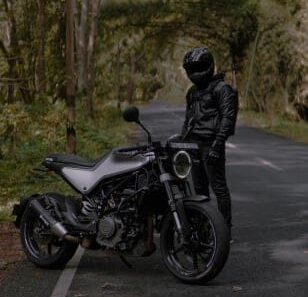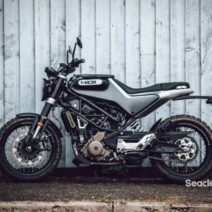
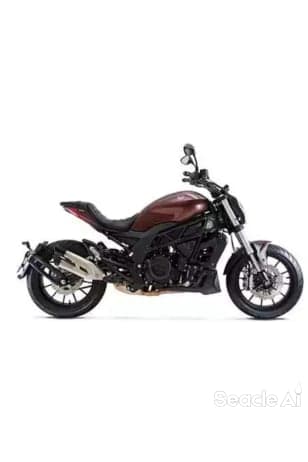

Power, presence and usability matter more than hype. In this guide I look closely at the Benelli 502C so you can see what it really is, who it suits, and where it struggles in everyday riding. I write from a rider-first perspective and avoid inflated claims.
Benelli 502C overview
The Benelli 502C is a mid-weight cruiser from the Italian-owned manufacturer aimed at riders who want cruiser styling without the bulk of a heavyweight. It blends a relaxed riding position with modern hardware so it works well for city traffic, short two-up weekend rides and riders moving up from smaller capacity machines. The bike presents a strong visual identity while keeping mechanical complexity manageable for routine maintenance.
Key specifications
Below are the confirmed and reported technical points broken into clear categories. I separate what is confirmed from what is expected so you can judge reliability.
Confirmed specifications
- Engine type: 500cc parallel-twin, liquid-cooled, DOHC, 8-valve.
- Transmission: 6-speed manual gearbox with wet multi-plate clutch.
- Frame: Steel double cradle or tubular frame depending on market (Benelli documentation differs by region).
- Brakes: Front dual discs or a single front disc depending on variant; rear single disc. ABS available on many market variants.
Expected or rumored specifications
- Power: Around 47 to 50 hp at the crank as per dealer briefings and regional certifications.
- Torque: Approximately 45 Nm at mid-range RPM, based on dyno leaks and similar 500cc twins in the same class.
- Top speed: Likely in the 165 to 180 km/h range depending on gearing and rider weight.
- Mileage: Real-world economy likely between 18 to 22 km/l under mixed use; city use will be lower.
Design, ergonomics and minimum height
The 502C wears cruiser proportions with a low, broad seat, forward-set footpegs and a handlebar that brings the rider into an open, upright stance. Suspension travel and damping are tuned toward stability rather than off-road compliance.
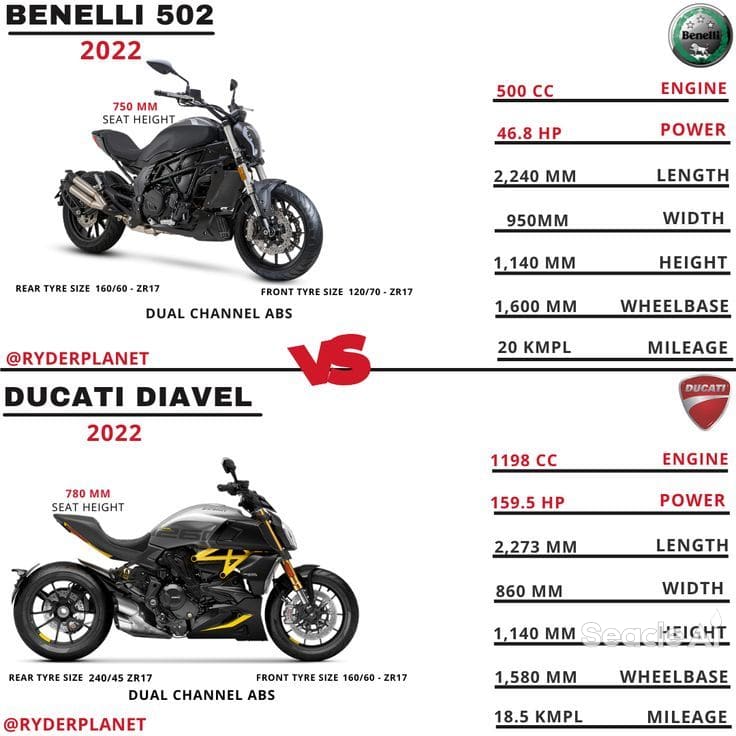
- Seat height: Approximately 730 to 760 mm (varies slightly by market). That low seat helps shorter riders place both feet on the ground.
- Minimum rider height to mount comfortably: For practical, controlled handling and to touch the ground with both feet when stopped, a rider height of about 160 cm (5 ft 3 in) is a realistic minimum. Riders shorter than that should sit on the bike and test reach and balance in person.
- Weight: Typical curb weight in the mid 200 kg range depending on options and region.
Engine and performance
The heart is a 500cc parallel-twin tuned for usable mid-range rather than peak horsepower. It aims for smooth delivery and predictable throttle response at urban speeds while still offering enough punch for highway overtakes.
Displacement and layout
The 498cc to 500cc parallel-twin layout is compact and allows a low center of gravity. Cylinder spacing and crank design prioritize torque delivery around 4,000 to 7,000 rpm where most riders spend time.
Power, torque and drivetrain
Expected figures place peak power in the high 40s hp and torque near the mid-40 Nm. The six-speed transmission is indexed to keep the engine in its useful band; the ratios favor relaxed cruising at highway speeds.
Top speed and real-world pace
On a flat road with one rider, expect a practical top speed in the high 160s km/h. Acceleration from standstill is friendly rather than explosive, designed for confidence when filtering traffic or pulling out at intersections.
Safety, comfort and technology
Benelli focused on mixing classic cruiser cues with contemporary safety features. The technology list will vary by market and trim level but the baseline includes items aimed at practical daily use.
- Braking: Disc brakes front and rear with ABS in many versions. Dual-channel ABS is often available depending on country regulations.
- Rider aids: Traction control is not standard across all models; some markets receive simplified electronics to keep costs down.
- Suspension: Telescopic fork at front and twin shocks at rear, tuned for predictable compliance on tarmac rather than aggressive sport handling.
- Comfort: Wide, padded seat, swept handlebars and relaxed ergonomics for city and short touring duties.
- Instrumentation: A mixture of analogue and LCD readouts in many trims; higher trims may add full-colour TFT in some regions as an option.
Limitations and realistic drawbacks
No machine is perfect. A few trade-offs are worth noting so buyers set proper expectations before they ride or buy.
- Not ideal for off-roading: The Benelli 502C is a road-focused cruiser. Suspension travel, ground clearance and tyre choices make it unsuitable for gravel, dirt tracks, or serious off-road use. If you plan to leave paved roads often, a different machine will serve you better.
- Long highway touring trade-offs: While the bike can cover long distances, the cruiser ergonomics and seat padding mean extended highway touring will be less comfortable than on dedicated tourers. Wind protection is modest unless you fit an aftermarket screen.
- Maintenance and parts: Parts availability and service network depend heavily on region. In some markets replacement components and dealer labour can be costlier compared with mass-market Japanese brands.
- Suspension compromise: The suspension favors stability, which can feel firm over broken urban pavement; heavier riders may notice reduced comfort unless aftermarket damping is selected.
- Mileage expectations: Average real-world fuel economy is competitive but not class-leading; expect mid-20s km/l (city) to low-20s on mixed runs, so fuel stops are a consideration on long trips.
Benelli 502C vs Honda CMX500 Rebel
Comparing the Benelli offering with the Honda CMX500 Rebel helps clarify who should pick which bike. I keep the comparison practical and data-driven.
| Category | Benelli 502C | Honda CMX500 Rebel (reference) |
|---|---|---|
| Engine and layout | 500cc parallel-twin, liquid-cooled; tuned for low-end and mid-range flexibility. | 471cc parallel-twin, liquid-cooled; Honda tune provides linear response and strong reliability record. |
| Torque, top speed, mileage | Torque ~45 Nm, top speed expected ~165-180 km/h, real-world mileage ~18-22 km/l. | Torque ~43 Nm, top speed approx 160 km/h, real-world mileage often reported ~22-26 km/l. |
| Key features | Modern cruiser styling, ABS in many markets, mixed analogue/LCD cluster; options vary by region. | Simple cruiser ergonomics, proven parts network, predictable electronics package and Honda reliability. |
| Price range | Positioned competitively; actual MSRP varies by market and taxes. Expect street pricing to be lower than equivalent Japanese cruisers in several regions. | Typically priced slightly higher due to brand premium and resale value; pricing depends on location and trim. |
| Recommended rider | Riders who want strong cruiser looks, willingness to accept brand-specific service networks and who ride mostly in town and short trips. | Buyers who value low running costs, easy maintenance, and strong brand support for longer ownership horizons. |
| Tank capacity | Approximately 12 to 15 litres depending on market configuration. | 11.2 litres (Honda CMX500 Rebel spec). |
| Braking & safety | Disc brakes with ABS available; some variants offer dual-channel ABS and configurable braking packages. | Standard ABS with well-balanced brake feel; Honda’s system is tuned for predictable feedback. |
Which rider should pick which
If you want a cruiser with bolder styling at a competitive price and are comfortable with regional service dynamics, the Benelli 502C is worth consideration. If you prioritize a wide dealer network, established reliability, and slightly better fuel economy, the Honda CMX500 Rebel is a conservative, practical choice.
Frequently Asked Questions
Is the Benelli 502C suitable for new riders?
Yes, the 502C sits in the mid-weight bracket and has manageable power delivery, making it approachable for many new riders. That said, new riders should spend time at low speed to learn balance and the bike’s weight before traffic use.
How much does the Benelli 502C cost?
Price depends on market, taxes and trim. Expect competitive pricing in the mid-weight cruiser segment; check local dealers for confirmed MSRPs and any available offers.
Can the Benelli 502C handle two-up riding?
Yes, it can carry a passenger for short to medium distance rides, but remember that comfort levels and luggage capacity are limited compared with purpose-built tourers. For frequent long two-up touring, consider wind protection and suspension upgrades.
Are there known maintenance issues to watch for?
Benelli’s mid-weight twins are generally robust but may need attention to valve clearances and regular coolant/oil service intervals. The availability and cost of parts vary by region, so factor dealer support into ownership costs.
Conclusion
The Benelli 502C is a pragmatic cruiser that blends classic styling with a modern mid-capacity twin. Its strengths are approachable ergonomics, a usable torque curve for town and short highway runs, and styling that stands out in the middleweight cruiser class. Realistically, it is not a dirt or adventure machine and it does not match long-distance touring comfort without modification. If you want an affordable, stylish city and weekend cruiser and accept the trade-offs in long-distance comfort and regional service availability, the 502C is worth a test ride.
Final thought: Think of choosing the 502C like navigating by fixed points in the sky; pick it if those reference points line up with your needs — style, easy mid-range torque, and urban usability — and be honest about its limits for off-road work or long-haul touring.