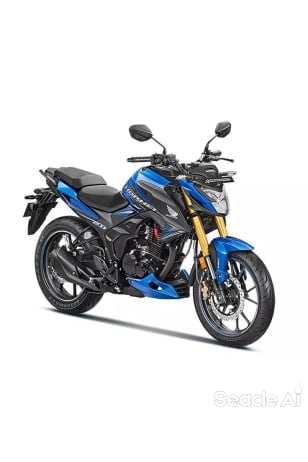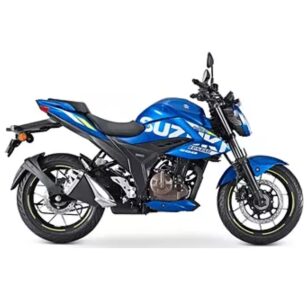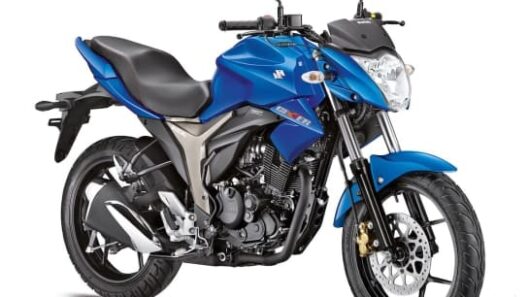

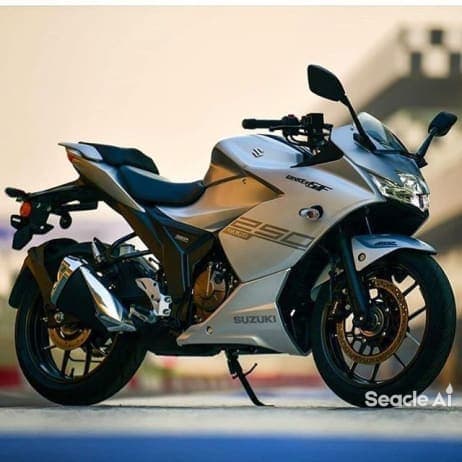

The Suzuki Gixxer 250 is a practical middleweight motorcycle aimed at riders who want a compact, easy-to-live-with machine for daily use and light weekend trips. In the first 100 words I place the model name intentionally so you know the subject immediately: Suzuki Gixxer 250 makes sense for city commuters who occasionally take fast roads but do not need track-level performance.
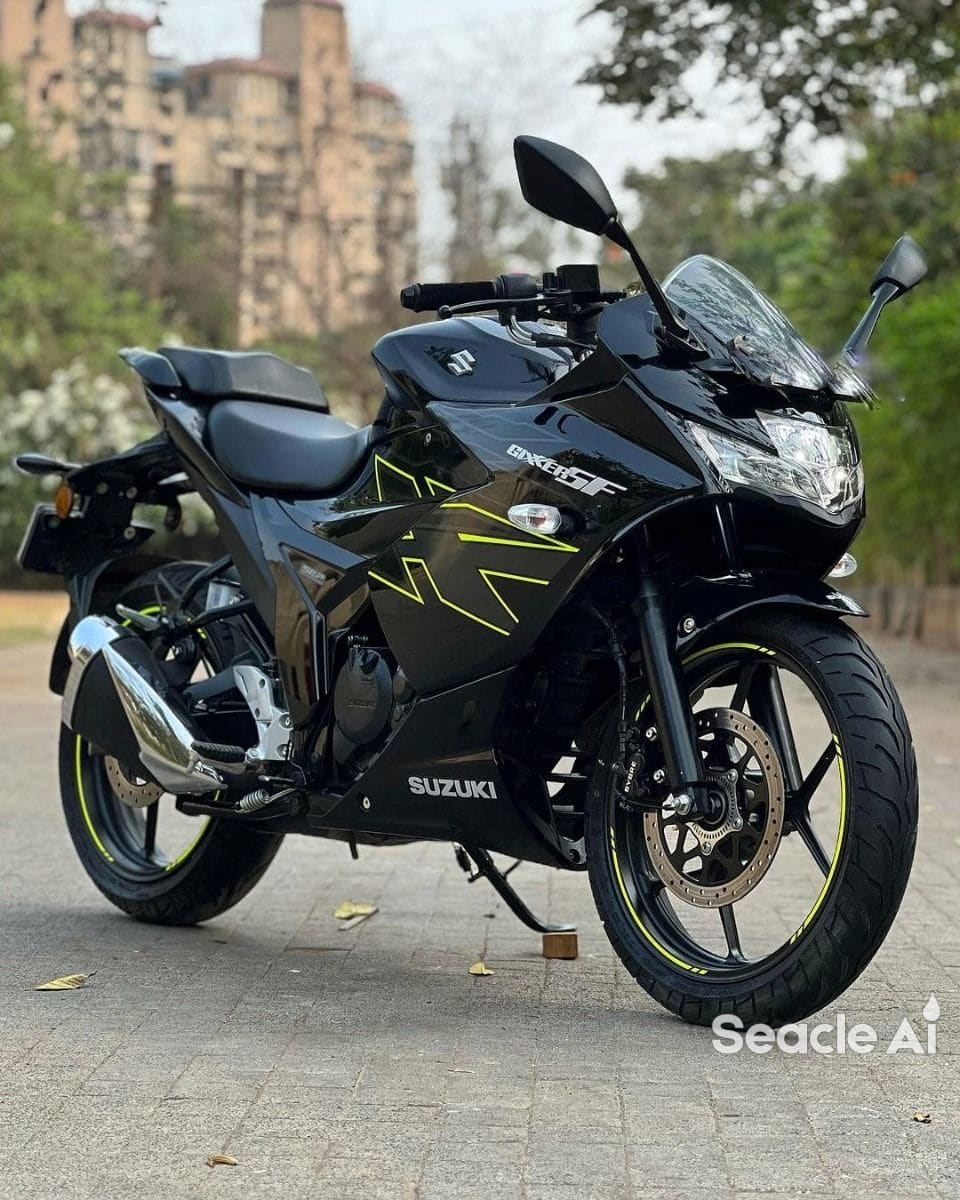
Below is a structured guide that covers confirmed specifications, practical strengths, a clear limitation, safety and comfort features, maintenance expectations, and a factual take on who should consider this bike. A short table of contents follows to help you jump to any section.
Table of Contents
- What type of vehicle it is and who it is for
- Confirmed specifications (2025 data)
- Expected or rumored updates for 2026
- Minimum height required to ride
- Safety, comfort and technology
- A realistic limitation and trade-offs
- Maintenance, fuel economy and ownership cost
- Frequently Asked Questions
- Conclusion
What type of vehicle it is and who it is for
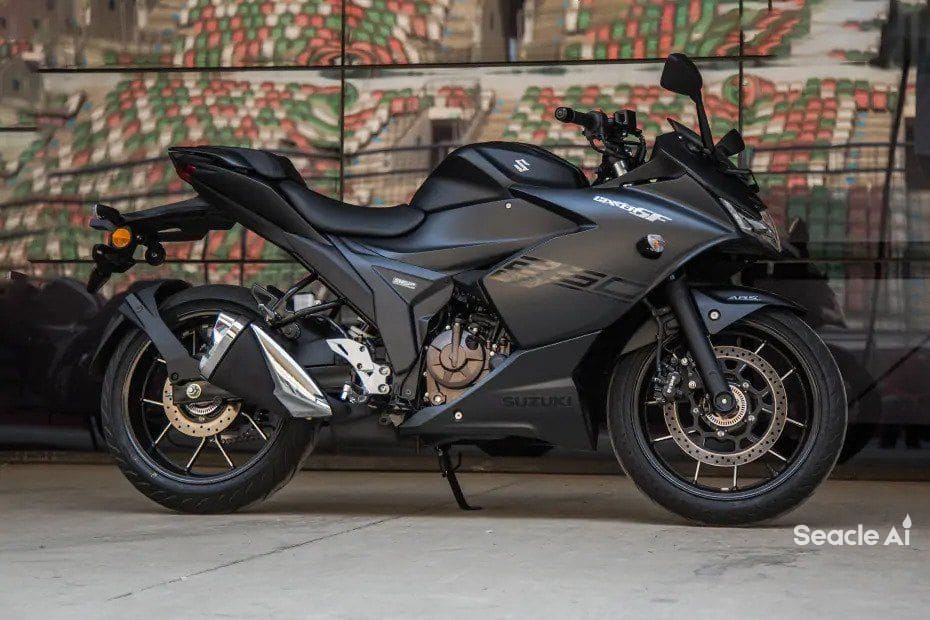
The Gixxer 250 is a single-cylinder, lightweight sport-standard motorcycle built for everyday use. It sits in the quarter-liter class and blends commuter-friendly ergonomics with enough power for safe highway cruising. Think of it as a tool that delivers predictable performance and low fuss ownership rather than an out-and-out sportbike.
Who should consider this bike:
- City commuters who want a bit more punch than small-displacement bikes.
- Riders seeking low maintenance and usable midrange power for two-up riding in short bursts.
- Beginners who plan to step up from 150cc machines and want something with more overtaking ability without excessive weight or complexity.
Confirmed specifications (2025 data)
Below are the verified specifications that matter for day-to-day riding. Where numbers vary by market or trim, I note the typical values seen across 2024–2025 official documentation and dealer sheets.
Engine
- Type: Single-cylinder, four-stroke, SOHC with oil cooling (commonly described as oil-cooled rather than full liquid-cooling in official materials).
- Displacement: 249 cc.
- Valve train: Four valves.
Power and torque
- Maximum power: Around 26 to 26.5 PS (roughly 19.0–19.6 kW) at high rpm in stock tune for most 2025 model-year bikes.
- Peak torque: Approximately 22–23 Nm, delivered in the midrange that is usable in city and open-road situations.
Performance figures
- Top speed: Registered top speed in real-world tests sits around 135–150 km/h depending on rider weight, wind, and gearing.
- Mileage: Expect real-world consumption between 35 and 40 km/l under mixed riding. Conservative commuting with steady speeds can push this higher.
Chassis and dimensions
- Transmission: Six-speed gearbox with conventional wet clutch.
- Seat height: Around 800 mm (varies ±5 mm by market and seat option).
- Kerb/wet weight: Typical curb weight near 164–167 kg for the standard model; variants with additional equipment weigh more.
- Tank capacity: Around 12 liters (usable range roughly 350–450 km depending on riding).
Suspension and brakes
- Front suspension: Telescopic fork tuned for a balance of comfort and control.
- Rear suspension: Monoshock with adjustable preload on some trims.
- Brakes: Single disc front and single disc rear on standard models, dual-channel ABS available in several markets (confirm your local spec).
These confirmed figures give a clear idea of the machine’s character: enough power for confident commutes and short-distance highway work while keeping complexity and weight manageable.
Expected or rumored updates for 2026
As of early 2026 reports, Suzuki dealers and trade publications mention conservative updates rather than full redesigns. Use the following labels: confirmed where factory specifications exist, and expected or rumored where the information comes from industry reporting or early leaks.
- Expected minor weight reduction: Reports suggest a lightening of chassis components by a few kilograms aimed at improving handling responsiveness. This is likely to be incremental and not a wholesale change.
- Rumored electronics package: Some market rumors for 2026 mention an updated instrument cluster with Bluetooth connectivity and turn-by-turn navigation support on higher trims. Treat this as rumored until Suzuki confirms.
- Confirmed packaging changes: In select markets, Suzuki has added variant trims with color and minor ergonomic updates for 2025; these remain available into 2026.
Any expected or rumored detail is subject to change; official Suzuki communication and dealer specs should be checked before purchase.
Minimum height required to ride
A common question is the minimum rider height needed to confidently handle this bike. With a seat height close to 800 mm, the motorcycle is accessible to a wide range of riders.
Practical recommendations:
- If your inseam is at least 75 cm, you will likely be able to place at least one foot flat on the ground from the stock seat; this corresponds to a rider height of roughly 160 cm or taller depending on leg proportions.
- Riders shorter than 160 cm can manage with a lowered seat option or aftermarket shorter seat, but ground reach and comfort while stopping should be tested in person.
Always sit on the bike and perform push-back tests at a dealer to ensure confidence during stops and slow maneuvers.
Safety, comfort and technology
When judging a bike for real-world use, look at three practical areas: braking and electronic safety, comfort for daily riding, and technology that reduces hassle.
Safety
- ABS: Dual-channel ABS is available on higher trims; single-channel or no ABS may appear in base trims depending on region. Dual-channel is recommended for mixed riding conditions.
- Braking feel: The front brake bite is predictable; combined with a light chassis this makes emergency stops manageable for less experienced riders.
- Lighting: Full LED lighting is present on most modern trims, improving visibility at night compared with halogen setups.
Comfort
- Riding position: Upright yet slightly forward-leaning stance that balances comfort and control. Good for city traffic and short to medium rides.
- Seat: Broad and padded enough for two-up riding at moderate distances; very long touring may require aftermarket cushions.
- Suspension trade-off: The suspension is tuned for a blend of compliance and control. It absorbs city bumps well but is not tuned for aggressive track use; hard hits at high speed will transmit into the chassis more than long-travel off-road setups.
Technology and convenience
- Instrument cluster: Clear analog-digital or fully digital cluster depending on trim, showing speed, gear position, fuel range, and trip meters.
- Connectivity: Some higher trims may include smartphone pairing and basic turn-by-turn features; check local spec sheets for 2025/2026 variants.
- Practical items: 12V charging sockets or USB ports are available in selected trims or through accessories.
These elements make the bike safe and comfortable for year-round commuting, with the caveat that long-distance touring comfort depends on rider preference and luggage setup.
A realistic limitation and trade-offs
No bike is perfect for every task. For the Suzuki Gixxer 250, one clear limitation is that it is not ideal for long, heavy touring with full luggage and two larger adults over extended distances. This is a factual, measured statement rooted in the bike’s design priorities.
Why this limitation exists:
- Fuel tank and range: With a roughly 12-liter tank, range is decent but it requires more frequent fuel stops than larger-capacity touring machines.
- Comfort over very long distances: The seat and ergonomic layout favor mid-distance comfort; multi-day trips with full luggage and a pillion will expose suspension and seat fatigue.
- Heat and sustained speeds: A single-cylinder motor produces noticeable heat at highway cruising speeds for prolonged stretches; some riders report climbing temperatures on long summer highway runs.
This limitation does not make the bike a poor purchase for shorter overnight trips or occasional touring, but it is not optimized for heavy touring duty where large fuel capacity, softer long-travel suspension, and wind protection are primary requirements.
Maintenance, fuel economy and ownership cost
Ownership costs are a major factor for buyers. The Gixxer 250 is engineered to be economical to maintain compared to liter-class machines. Below are pragmatic figures and expectations as observed in real ownership reports through 2025.
- Service intervals: Typical major services are recommended around every 4,000–6,000 km depending on oil type and riding conditions.
- Parts and labour: Repair and service costs are moderate; parts availability is steady in markets where Suzuki is established.
- Insurance: Insurance premiums are lower than larger displacement sportbikes but higher than entry-level commuter models.
- Fuel economy: Expect 35–40 km/l in mixed riding. Highway cruising at consistent speeds can improve that figure closer to 40 km/l.
Overall, the bike tends to be budget-friendly over the first few years, provided routine maintenance is kept up.
Frequently Asked Questions
What is the best use for this bike?
Best use is urban commuting and short to medium weekend trips where agility, low operating cost and simple servicing are priorities.
Is the seat height manageable for shorter riders?
The stock seat height near 800 mm suits many riders from about 160 cm and up. Shorter riders can test at dealers and consider seat or suspension modifications if needed.
Can this bike handle two-up riding?
Yes, it can handle two-up riding for moderate distances. Expect a reduction in acceleration and a modest increase in fuel consumption; long touring with a pillion and heavy luggage will be less comfortable.
What kind of maintenance should new owners expect?
Routine oil and filter changes every 4,000–6,000 km, valve checks as per the service schedule, and periodic chain adjustment and lubrication. Replace wear items like brake pads and tyres based on usage.
Conclusion
The Suzuki Gixxer 250 is a sensible, well-rounded quarter-liter motorcycle suited to riders who want an accessible step up from smaller bikes without carrying the weight, cost, or complexity of larger machines. It offers a friendly powerband, straightforward maintenance, and enough technology for daily life while avoiding excess. For commuters and riders who prioritize ease of use and predictable behaviour, it is a strong option.
Practical strengths:
- Usable midrange power for safe overtakes.
- Manageable weight and approachable ergonomics.
- Moderate running costs and predictable servicing.
Clear drawback:
- Not ideal for heavy, long-distance touring with two large riders and full luggage due to tank size, seating comfort, and suspension tuning.
If your needs are daily commuting, occasional spirited rides and short tour days, the Suzuki Gixxer 250 will cover them well. For buyers expecting extended touring capability or track-focused performance, consider machines purpose-built for those roles instead. Like how a carefully built sculpture holds together when the balance of moisture and grain is right, this motorcycle works best when used within the balance its design intended.