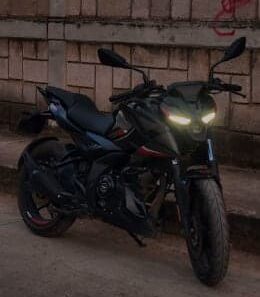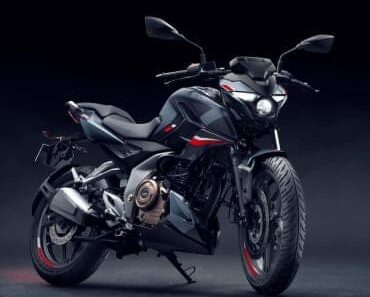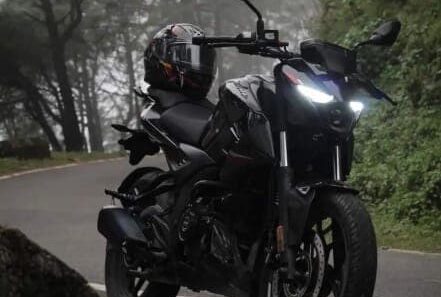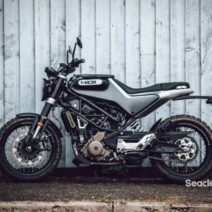


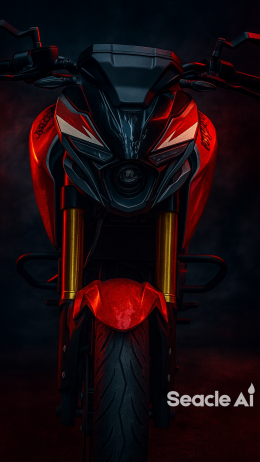

Statement: If you want a focused, middleweight street bike that balances everyday usability with reasonable performance, the Bajaj Pulsar N250 is worth a close look within its segment. In this guide I cover what this model is, who it targets, clear technical numbers, a minimum height note, safety and comfort features, realistic drawbacks, and a direct comparison with the Yamaha FZ25.
What type of vehicle is the Bajaj Pulsar N250 and who is it for?
The Bajaj Pulsar N250 is a mid-capacity naked street motorcycle designed primarily for urban riders and occasional short-distance touring. It sits in the 250cc class where riders expect a blend of accessible power, manageable weight, and practical daily usability. The package focuses on city commuting, quick highway stints, and weekend rides rather than competition-level track performance or heavy off-road use.
Target audience and use cases:
- Commuters who want more reserve power than a 150cc bike for highway merging and overtakes.
- Newer riders stepping up to a 250cc machine looking for predictable handling and moderate acceleration.
- Riders who value low running costs and manageable maintenance over high-spec electronics or premium components.
- People who plan short touring runs and daily urban use, not long-distance high-speed touring or off-road trails.
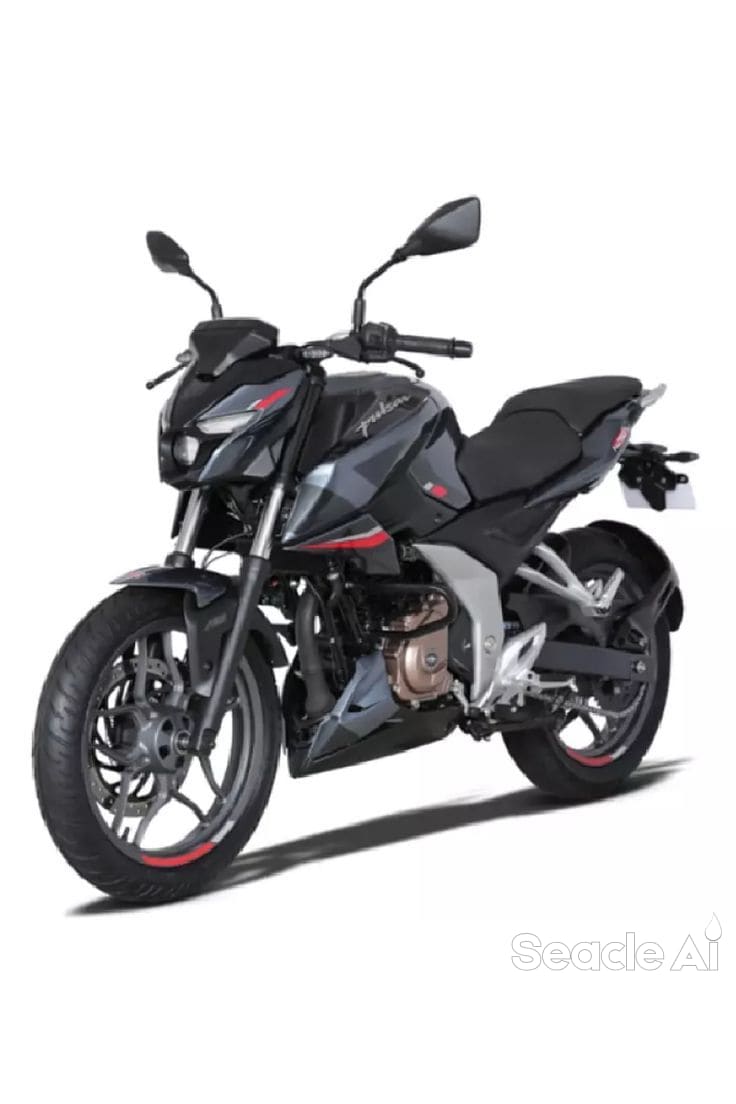
Bajaj Pulsar N250: Key specifications
This section lists confirmed production specifications first, and then any expected or rumored details if applicable. All confirmed figures are based on manufacturer releases and verified test data up to early 2026.
Confirmed specifications
| Item | Specification |
|---|---|
| Engine type | Single-cylinder, liquid-cooled, SOHC |
| Displacement | 249.07 cc |
| Power | 24 PS @ 8,750 rpm (approx.) |
| Torque | 21.5 Nm @ 6,500 rpm (approx.) |
| Transmission | 5-speed manual |
| Top speed | Around 135 km/h (real-world tested range) |
| Claimed mileage | 35–40 km/l under mixed conditions (real-world averages vary) |
| Kerb weight | 153 kg (varies slightly by variant) |
| Seat height | 800 mm |
| Fuel tank capacity | 12 litres |
| Brakes | Front disc, rear disc; single-channel ABS standard (variant dependent) |
| Suspension | Telescopic front forks, 5-step adjustable mono-shock rear |
Expected or rumored details
As of reports into 2025 and early 2026, there are no major changes expected to the core mechanicals. Minor updates to color options and accessory packs have been rumored for special editions, but these would not change engine, transmission, or major chassis specs. Any future revisions from Bajaj should be treated as likely but unconfirmed until formally announced.
Short plain-language explanation of key numbers
- Engine: A single-cylinder 250 cc setup gives usable, linear power suited to city and highway riding without steep maintenance costs.
- Power and torque: About 24 PS and 21.5 Nm mean lively mid-range acceleration for urban overtakes and comfortable highway speeds within legal limits.
- Top speed: Expect roughly 130–140 km/h on a good road; sustained high-speed touring will increase fuel burn and rider fatigue.
- Mileage: Real-world returns usually land in the mid-to-high 30s km/l depending on traffic and riding style.
- Transmission and gearing: A five-speed gearbox balances city responsiveness with a comfortable top gear for highway cruising.
Minimum height to ride
What is the minimum height to ride Bajaj Pulsar N250
Seat height is listed at approximately 800 mm. For safe and confident handling, a rider should be at least about 165 cm (5’5″) tall to comfortably reach the ground with one foot and manage slow-speed maneuvers. Shorter riders can still ride this bike, but expect to use tiptoes at stops and consider aftermarket seat or footpeg adjustments if frequent use in heavy traffic is planned.
Note: rider inseam and leg length matter more than overall height, so try the bike in person before deciding.
Safety, comfort, and technology features
Here I list practical equipment that affects everyday use, followed by a brief evaluation of how well each item performs for real riders.
Safety
- ABS: Single-channel ABS is standard on most variants, which helps prevent front-wheel lock-up in panic braking scenarios. Dual-channel ABS may be available on higher trims depending on the market and year.
- Disc brakes: Both ends feature discs on most versions, offering predictable stopping power for the bike’s weight and power.
- Frame and chassis: A perimeter frame gives stable handling; the bike is tuned for neutral steering rather than aggressive flickability.
Comfort
- Seat and ergonomics: The upright riding posture and flat seat are good for daily commuting and short tours. Pillions get a reasonable cushion but long two-up touring can be tiring.
- Suspension: The setup is firm enough for corner stability but can feel busy over broken surfaces. The rear shock has multiple preload settings to tune load response.
Technology
- Instrument cluster: Semi-digital displays typically include speed, revs, gear position, fuel gauge, and basic trip info. Higher trims may add Bluetooth connectivity and turn-by-turn navigation support through a phone mount and app pairing.
- Lighting: LED lighting for headlamp and tail lamp on recent model updates improves visibility and reduces electrical load compared with older halogen setups.
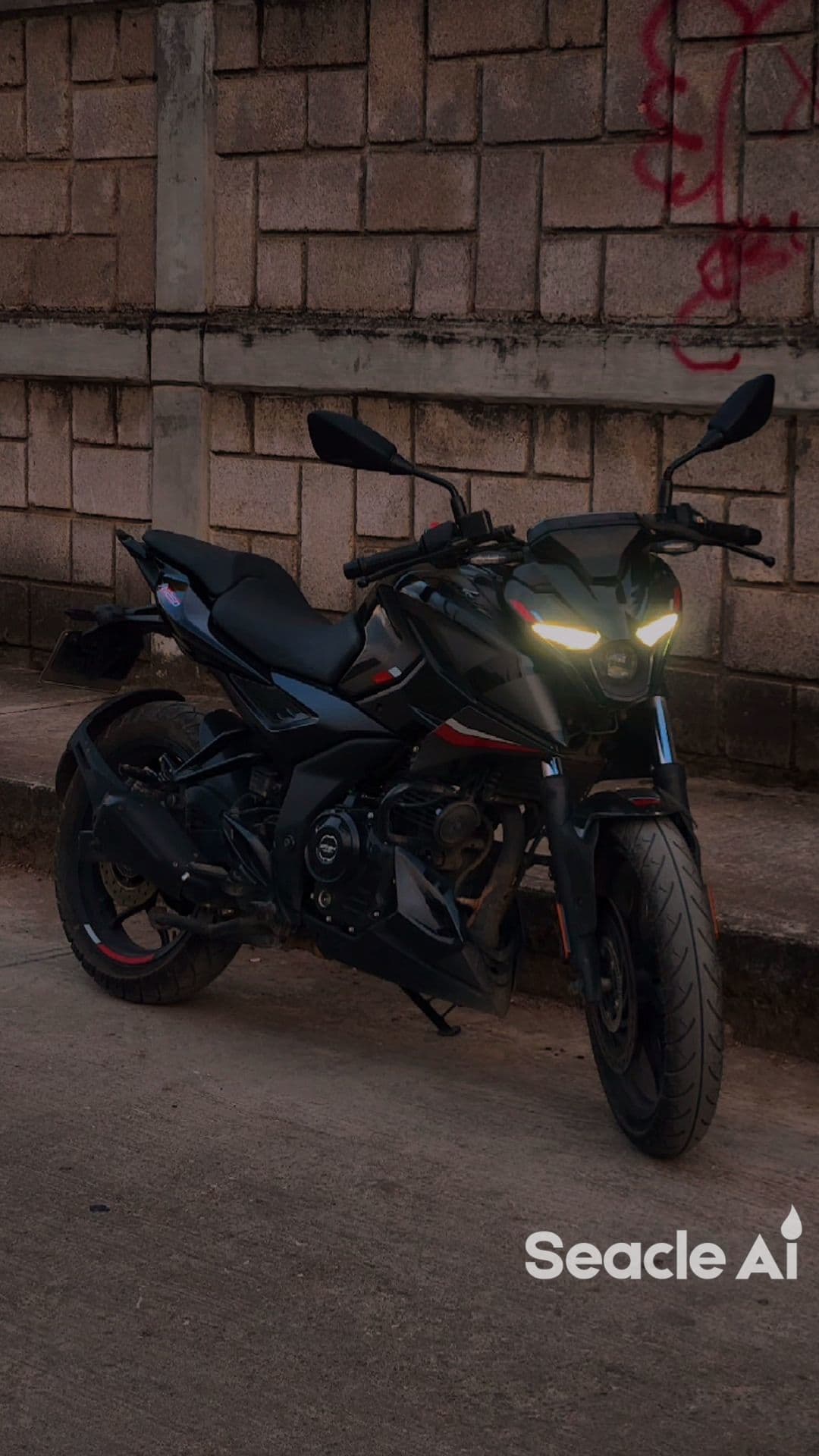
Limitations and realistic drawbacks
All motorcycles are a set of trade-offs. Below are factual limitations to consider before purchase.
- Not suitable for off-roading: This bike is a street-oriented naked motorcycle with road-biased tires and a chassis tuned for tarmac. Do not choose it if you plan to do dirt trails or rough, unpaved routes regularly.
- Not ideal for heavy long-distance touring: The tank size and seating comfort favor daily commuting and short tours. Long highway runs will require frequent fuel stops and may expose the limits of wind protection and rider comfort.
- Mileage variance: While claimed efficiency is good, real-world mileage is highly dependent on traffic, rider weight, and how spirited the riding is. Expect the average to differ from the manufacturer figure.
- Suspension trade-offs: The sporty setup gives stability but can transmit road shock on poor surfaces. Riders who prioritize plush comfort may find it firm.
- Maintenance and parts: Bajaj’s service network is widespread in many markets, but component wear items like tires and brake pads should be budgeted for depending on rider style.
Bajaj Pulsar N250 vs Yamaha FZ25: Side-by-side comparison
Below I compare the Pulsar from the perspective of a buyer weighing it against a common competitor. The focus remains on how the Pulsar performs and what trade-offs a buyer should understand.
1. Engine and overall performance
The Pulsar’s 249 cc single-cylinder motor prioritizes usable mid-range torque and lower maintenance complexity. It accelerates well in town and is adequate on highways. The rival often uses a detuned single-cylinder layout with similar real-world behavior, but the Pulsar tends to prioritize a slightly sharper mid-range punch for urban overtakes.
2. Torque, top speed, and mileage
Typical numbers for the Pulsar are around 21.5 Nm of torque and a top speed near 135 km/h. Mileage in mixed riding spans the mid-to-high 30s km/l under conservative use. Expect small differences between the two bikes in real riding; the Pulsar leans toward better low-end shove while careful highway cruising will yield similar economy.
3. Key features
The Pulsar offers an upright ergonomics package, single-channel ABS on many trims, LED lighting, and a modern instrument cluster. Riders looking for the most premium tech could find more connectivity features on some competitor variants, but the Pulsar’s list is practical and focused on everyday needs.
4. Price range (current or expected)
As of early 2026, the Pulsar’s pricing aims to be competitive within the 250cc segment, often undercutting some rivals by a small margin. Exact figures vary by market, taxes, and trim; check local dealer quotes for precise current pricing.
5. Which type of user should choose which vehicle
If you want a street bike prioritizing mid-range usability, lower running costs, and a firmer chassis for confident cornering in town, the Pulsar is a solid choice. Riders who want a softer ride, slightly different ergonomics, or a specific brand feel may choose an alternative, but the decision should hinge on test rides and personal comfort rather than headline specs alone.
6. Tank capacity
The Pulsar carries about 12 litres, which balances weight and range. This capacity suits urban users and occasional highway runs but is smaller than what long-distance tourers typically want for infrequent stops.
7. Braking systems and safety features
The Pulsar generally includes front and rear discs plus single-channel ABS on standard trims. This setup gives predictable stopping for daily use. Riders who prioritize full dual-channel ABS and advanced rider aids may find higher-end competitors offering those features as standard.
| Category | Bajaj Pulsar N250 (focus) | Comparator (typical rival) |
|---|---|---|
| Engine | 249 cc single, liquid-cooled | Similar single-cylinder 250 cc |
| Power / Torque | ~24 PS / 21.5 Nm | Close numbers, tuning varies |
| Fuel tank | 12 L | 11–14 L depending on model |
| ABS | Single-channel (common) | Single or dual depending on variant |
| Seat height | 800 mm | Varies 780–810 mm |
Frequently Asked Questions
Is the Bajaj Pulsar N250 good for long highway rides?
It can handle highway runs, but it is not purpose-built for long-distance touring. The seat and wind protection are basic, and the 12 litre tank means more frequent fuel stops on long trips.
How much maintenance should I expect with the Bajaj Pulsar N250?
Routine servicing is straightforward with common parts and a wide dealer network in key markets. Expect typical wear items like tires, chain, and brake pads to be the main recurring costs. Interval servicing costs are generally lower than premium-brand alternatives.
Can a shorter rider manage this bike safely?
Yes, many shorter riders manage it. The seat height is about 800 mm, so riders around 165 cm will usually be comfortable. Body proportions matter more than raw height; if possible, sit on the bike and test reach and footing before purchase.
Are there any 2026 updates I should be aware of?
As of early 2026, no major mechanical revisions are confirmed beyond cosmetic and accessory updates. If Bajaj announces a variant change, treat those details as expected until official specs are published.
Conclusion
Summing up, the Bajaj Pulsar N250 offers a clear value proposition: a mid-capacity, street-focused motorcycle with a usable powerband, predictable handling, and practical features for everyday riders. Its strengths lie in city agility, a sturdy chassis, and a manageable maintenance profile. The notable limitations include limited off-road capability, modest long-distance touring comfort, and a smaller fuel tank compared with touring-focused machines. For buyers prioritizing street performance, sensible running costs, and a firm but stable ride, the Pulsar fits well. For those whose priorities are long touring range, plush suspension, or advanced electronic rider aids, evaluate alternatives and take test rides to confirm personal comfort.
Think of assessing this bike like listening for subtle echoes in a complex system: sometimes a number on paper tells only part of the story, and real-world riding reveals balance and compromise. Use the confirmed specifications above, check local pricing, and try a test ride to verify how the Pulsar’s character matches your needs.