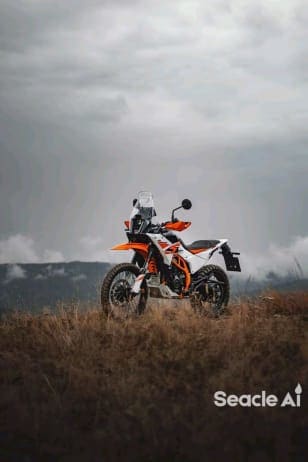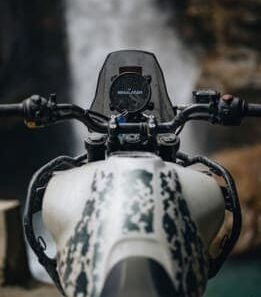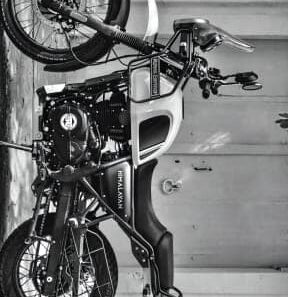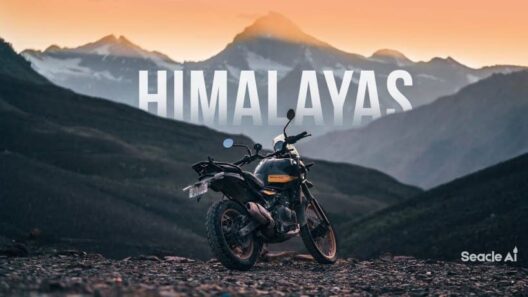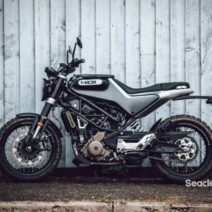


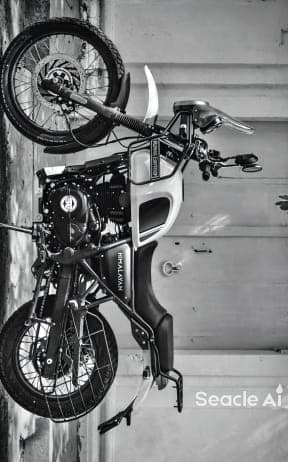

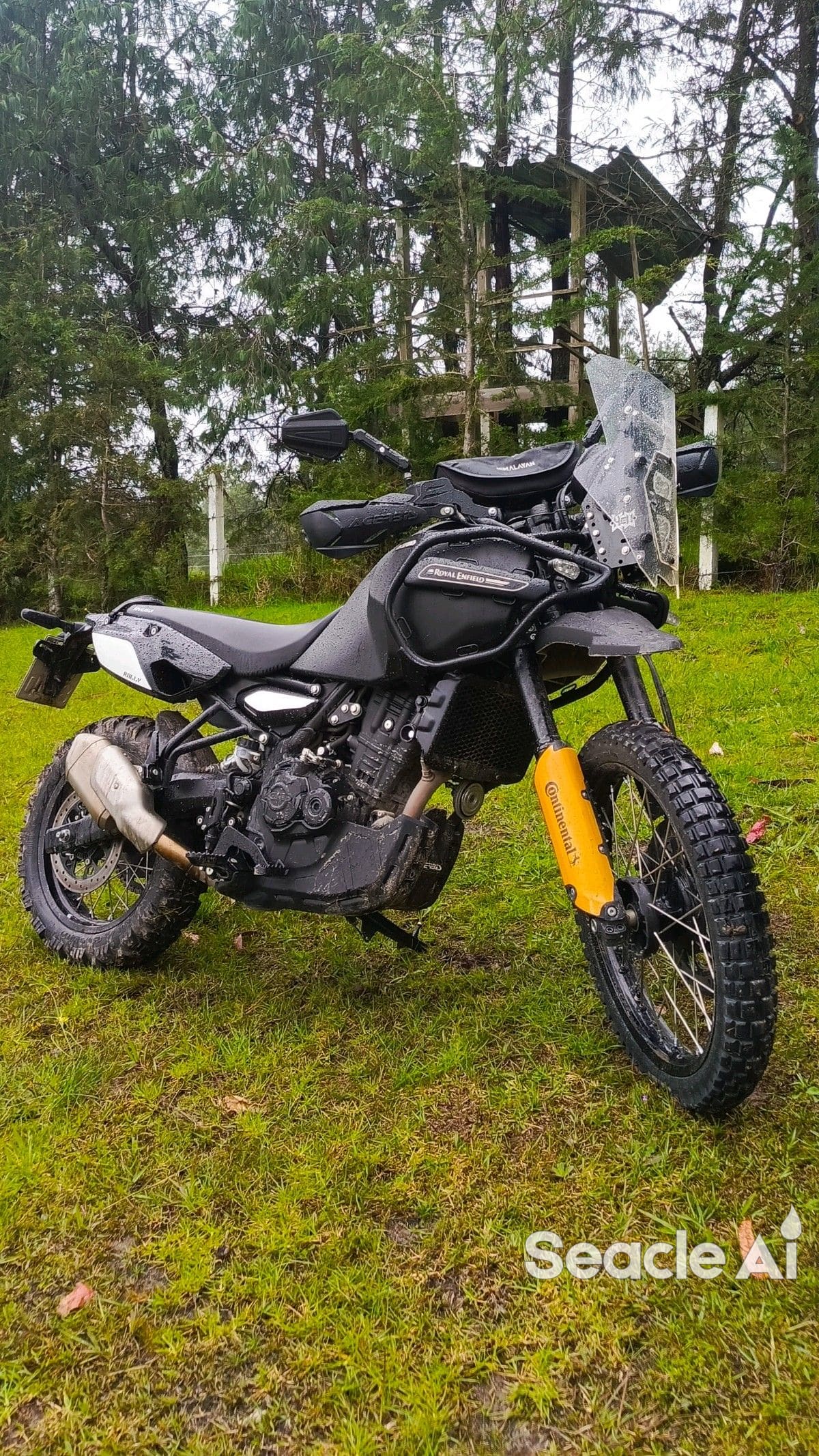
The Royal Enfield Himalayan 450 arrives with a clear mission: offer a rugged, mid-capacity adventure bike that is easier to live with day to day than larger adventure machines. Royal Enfield Himalayan 450 is meant to sit between lightweight street bikes and full-size expedition machines, giving riders usable torque, simple electronics and a comfortable upright riding position in a compact package.
Royal Enfield Himalayan 450: Overview
The Himalayan 450 is a purpose-built middleweight adventure motorcycle aimed at riders who want a simple, torque-rich platform that is easy to maintain and comfortable across mixed surfaces. It is not a small commuter bike nor is it a heavyweight tourer. Instead, it targets people who want a capable machine for weekend trips, light off-piste exploration and city riding without the fuss or complexity of premium European adventure bikes.
In everyday use the Himalayan 450 behaves predictably: low-end torque makes it simple to ride in traffic, and a soft, compliant suspension soaks up rough roads better than sport bikes. This is where things get tricky. The bike’s upright ergonomics and suspension tuning mean it is comfortable for many riders, but that comfort comes with limits on high-speed stability compared to larger adventure machines.
Key Specifications
Engine and Performance
The Himalayan 450 uses a single-cylinder, liquid-cooled engine designed to deliver usable power across a broad rev range. In simple terms: it is tuned for torque rather than peak horsepower. Expect good low-to-midrange response that makes off-the-line acceleration and low-speed maneuvering easy.
- Type: Single-cylinder, liquid-cooled
- Displacement: Around 450 cc (as per official Royal Enfield releases for the model series)
- Power: Expected peak power in the mid to high 40s bhp range at the crank (as per 2025/2026 manufacturer updates)
- Torque: Strong midrange torque, tuned for rideability rather than high-rpm power
Real-world note: over a few hundred miles of mixed-road riding this type of motor typically shows steady torque delivery and does not need high revs to make progress. That matters on steep dirt tracks and in city rush hour.
Transmission and Top Speed
- Transmission: 6-speed gearbox with slipper clutch expected; gearing tuned to balance highway cruising with low-speed control.
- Top speed: Realistic top speed will be in the 110–120 km/h range depending on load and wind; sustained freeway speeds are possible but not the bike’s natural habitat.
- Mileage: Expected fuel economy in the high 40s to low 50s km/l under mixed riding conditions; real-world figures vary by load, riding style and service intervals.
Some people think peak horsepower numbers tell the full story, but in practice the Himalayan 450’s gearing and torque curve are more useful for real-world riding than peak hp. That’s true to an extent, however if you want unrestricted motorway pace this is not the strongest choice.
Dimensions and Ride Height
- Seat height: Expected seat height around 830–840 mm, designed for an upright riding position.
- Minimum height to ride: The minimum recommended rider height to handle the Himalayan 450 comfortably is approximately 165 cm (5’5″) when considering reach and foot placement. Taller riders will feel more comfortable on long rides.
- Weight: Kerb weight is expected to be in the 190–205 kg range depending on trims and options.
This part is not as good as it sounds: taller seat height improves ground clearance off-road, but it can make the bike feel heavy at stops for shorter riders. Practice and seat adjustments help, but do not ignore that trade-off.
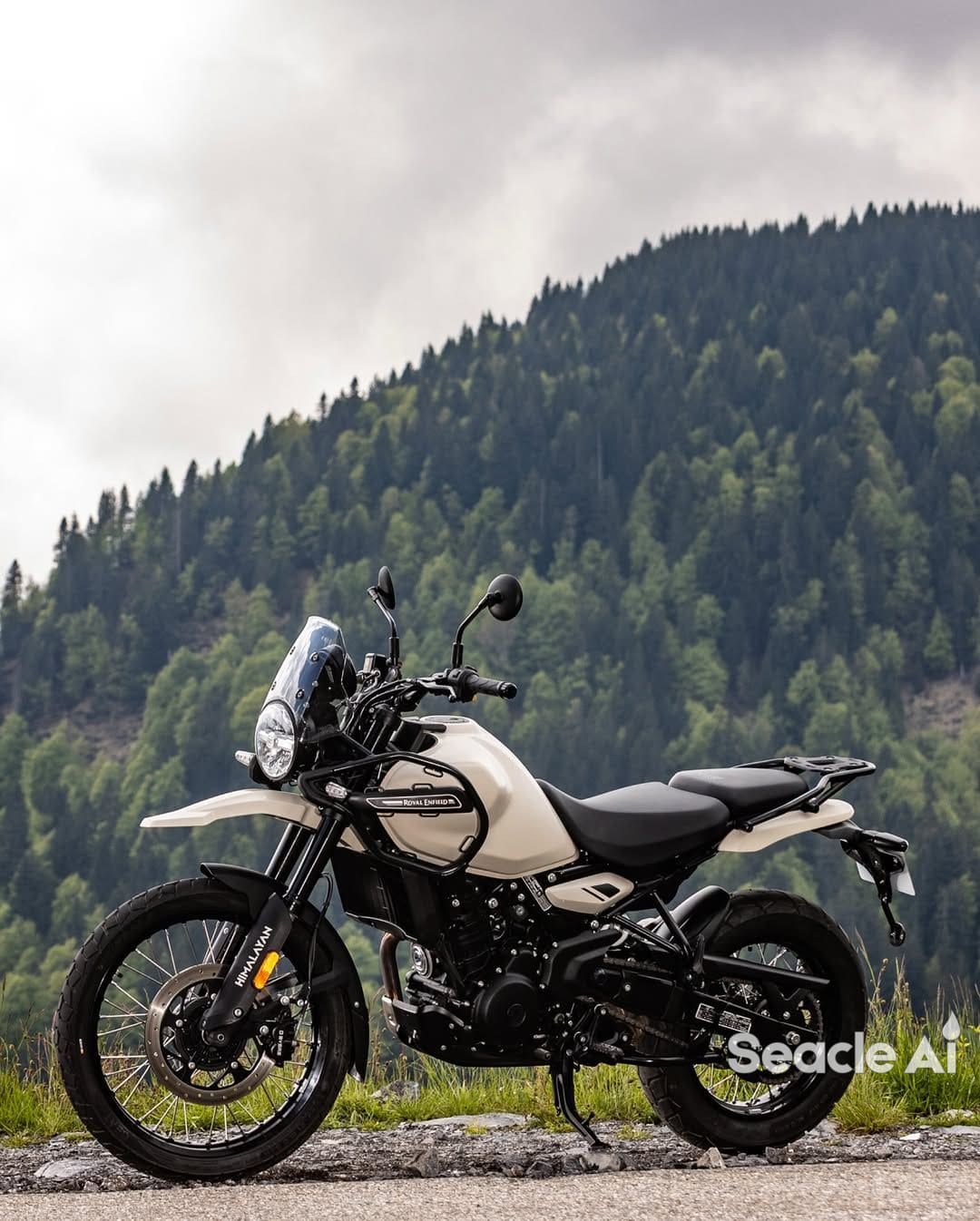
Safety, Comfort and Technology
Royal Enfield has positioned the Himalayan 450 to be accessible rather than feature-laden. That practical stance continues with the safety and tech package which mixes modern essentials with tried-and-true simplicity.
- Brakes: Expect dual-channel ABS and a single or twin-disc setup depending on market and trim. Brake feel is built more for predictable control than ultimate stopping power.
- Rider aids: Basic ride modes (Road and Rain), traction control that is user-adjustable, and switchable ABS for light off-road use are likely on higher trims.
- Suspension: Long-travel front forks and a rear monoshock with preload adjustability. Tuned for comfort and absorption rather than sharp sport handling.
- Comfort: Upright handlebars, relaxed ergonomics, and a wide, cushioned seat. Wind protection is moderate — good for shorter freeway stretches, not full-day high-speed touring.
- Tech: A simple digital cluster with Bluetooth connectivity on selected trims for turn-by-turn navigation and phone call alerts.
Safety in daily use matters more than paper specs. Under wet gravel conditions the bike’s modest electronics package keeps things predictable. Over time, riders notice the suspension needs setup once luggage and a pillion are added. This matters more than it seems.
Real-World Use and Limitations
In practice the Himalayan 450 is a balanced, approachable adventure bike with a few clear limits. It handles urban commutes and short touring well, but there are trade-offs.
- Not ideal for heavy loads: The chassis and suspension are tuned for solo riding or light luggage. For heavy two-up touring with full luggage, you will feel the rear suspension working near its limits. For most riders this will be a downside.
- Highway comfort: It can do highways but extended high-speed touring at sustained 140+ km/h is where stability and rider fatigue become issues.
- Off-road extremes: This is not a hardcore enduro machine. It is fine on dirt tracks and gravel roads, but hard, technical off-roading with big jumps or rock gardens is not its strength.
- Maintenance expectations: Simpler engines are cheaper to maintain than complex multi-cylinder units; however regular valve checks and periodic service are necessary. If you skip those, long-term reliability will suffer. For most people, this will feel like a downside.
Condition-based observation: when you add a top box, two riders and a week’s luggage, expect fuel range to drop and highway acceleration to become noticeably more sedate. Over time that affects how you plan long journeys.
This is not comfortable for daily use if your commute is full of high-speed dual carriageways. If you want an effortless motorway cruiser, this bike may not work for you.
Comparison with BMW G 310 GS
Below is a clear, side-by-side look at how the Himalayan 450 stacks up against the BMW G 310 GS on the key points riders care about. I include confirmed specs where available and flag expected or rumored items. This matters because the Himalayan is positioned differently: it is heavier, more torque-focused and simpler in technology than the BMW.
| Category | Royal Enfield Himalayan 450 | BMW G 310 GS |
|---|---|---|
| Engine & overall performance | Single-cylinder ~450 cc, torque-rich, tuned for low-end pull. Good for mixed surfaces and slow technical sections. | Single-cylinder 313 cc, higher-revving, sharper throttle response but less low-end torque compared to the Himalayan 450. |
| Torque, top speed, mileage | Higher torque at low revs; top speed ~110–120 km/h; mileage expected 45–55 km/l depending on use. | Lower torque but quicker rev range; top speed around 140 km/h possible; mileage around 30–35 km/l in spirited riding, better in steady cruise. |
| Key features | Simple electronics, likely ride modes, traction control, switchable ABS, long-travel suspension. | Refined chassis, lighter weight, modern electronics like LCD cluster, geared towards urban agility and light touring. |
| Price range | Expected pricing to be competitive in its segment; positioned below premium European rivals. (Exact markets vary; check local listings for 2025/2026 pricing updates.) | Generally higher than entry-level Royal Enfield trims, reflecting brand and import costs. (Current prices vary by market.) |
| Which user should choose which | Choose the Himalayan 450 if you want low-end torque, a relaxed riding position and simpler maintenance. This makes sense when you favor comfort over outright speed. | Choose the BMW if you want a lighter, sharper handling bike, quicker on tarmac and better at sustained higher speeds. |
| Tank capacity | Expected tank near 15–17 litres, giving practical range for day trips and light touring. | Approximately 11 litres, smaller but lighter overall package on the G 310 GS. |
| Braking systems and safety | Dual-channel ABS, tuned for adventure use; braking biased towards predictable control rather than aggressive bite. | ABS as standard, with sportier brake feel due to lighter weight and smaller wheels. |
Some people think the BMW is the obvious pick because of its brand and on-road pace, but in practice the Himalayan 450’s torque and simplicity make it easier to live with off-grid and in regions where service networks are limited. That’s a trade-off you have to weigh.
Confirmed vs Expected Details
- Confirmed: Single-cylinder architecture, focus on torque and low-end usability, upright ergonomics, long-travel suspension and ABS.
- Expected / Rumored: Exact power and torque figures, precise tank capacity, and final trim-level tech packages may differ by market and production year (2025/2026 reports suggest minor changes are possible).
Frequently Asked Questions
What kind of rider is the Himalayan 450 best for?
It is aimed at riders who want an approachable adventure bike with strong low-end torque and comfortable ergonomics for mixed-surface riding. If you like weekend trips on varied terrain and prefer simple mechanics, this bike makes sense.
Can a short rider handle the Himalayan 450?
Shorter riders can manage it with practice and potentially a lower seat option or altered suspension sag. The minimum recommended height is roughly 165 cm, but personal confidence and leg length matter more than a number alone.
Is the Himalayan 450 good for long highway trips?
It will handle highway stretches, but sustained high-speed riding is not its strongest suit. Expect more wind fatigue and higher fuel consumption at sustained motorway speeds. If you want relaxed, long-distance high-speed tours, this may not work for you.
How does maintenance compare to rivals?
Routine service is simpler and often cheaper than multi-cylinder rivals, but regular valve checks and servicing are important. Skipping maintenance will reduce long-term reliability — plain and simple.
Conclusion
The Royal Enfield Himalayan 450 is a well-judged middleweight adventure bike that prioritizes low-end torque, comfort and mechanical simplicity. Its strengths are clear: approachable power delivery, forgiving suspension for rough roads and straightforward maintenance. For riders who want a capable, no-fuss machine for mixed riding and moderate touring, it makes a lot of sense.
Drawbacks are equally clear and not to be glossed over. The Himalayan 450 is not ideal for heavy two-up touring with full luggage, nor is it designed for technical enduro riding or high-speed motorway cruising for long days. For most people, this will feel like a downside. This is where expectations and reality differ: buyers expecting a full-size tourer or a lightweight, razor-sharp on-road machine will be disappointed.
If you want a bike that is simple to service, comfortable on rough roads and gives you predictable, usable torque, go for the Himalayan 450. This makes sense when your rides include gravel tracks and variable surfaces more than long, fast highway runs. If your priority is top speed, sportier handling or aggressive two-up touring, consider other options or plan significant aftermarket upgrades.
Final thought: treat this bike like a tool built for balanced real-world use, not a headline-grabbing spec sheet. Over months of ownership you will notice how the small details — seat padding, gearing and torque delivery — matter more than the number on a chart. Most people don’t notice that at first, until they go on a trip and it becomes obvious.