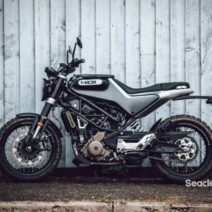

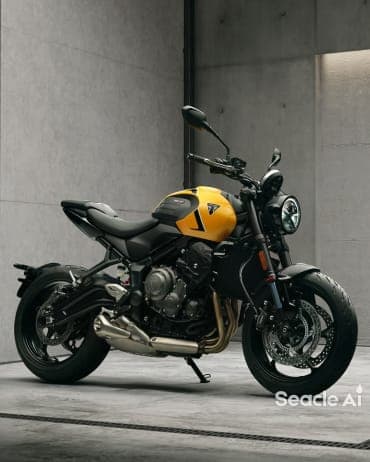

Hook: The Triumph Trident 660 arrives as a straightforward midweight triple that balances usable performance with everyday practicality. The Trident is compact, light enough to handle traffic, and tuned to be friendly for riders stepping up from smaller bikes. It is a modern standard bike that prioritizes torque delivery and rideability over headline top speed or track lap times.
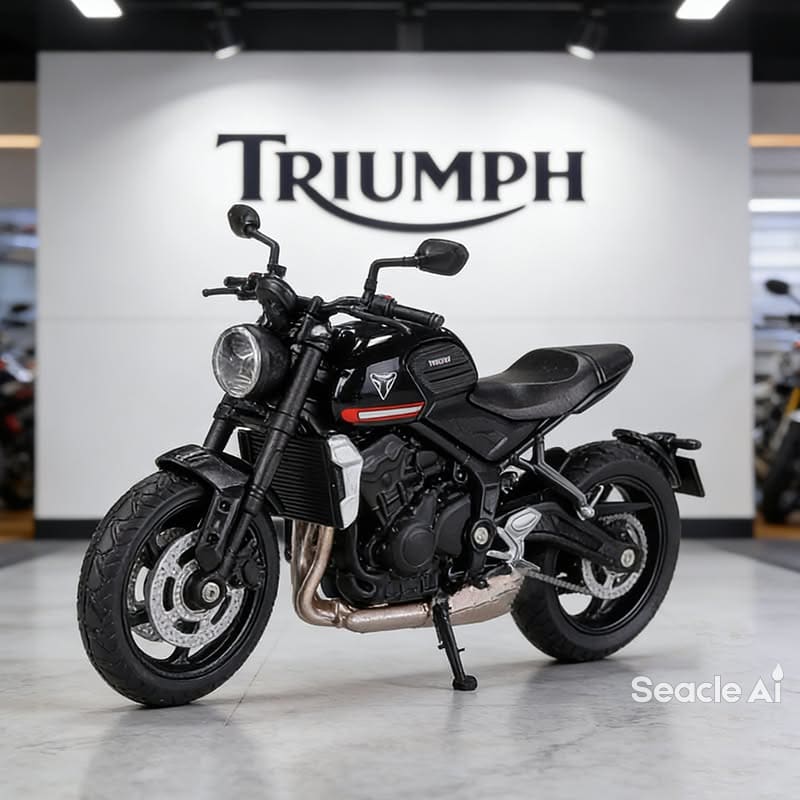
What is the Triumph Trident 660 and who is it for?
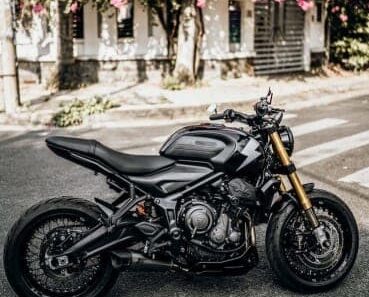
The Triumph Trident 660 is a middleweight naked motorcycle built around a compact 660cc inline-three engine. It was designed to give a balance of everyday usability, agile handling in urban environments, and enough performance for weekend rides. If you want a bike that is not overwhelming on city streets but grows into faster rides on open roads, this is the type of machine to consider. It is aimed at riders who value a smooth powerband, straightforward ergonomics, and low-complexity electronics compared with higher-end sport models.
This is where things get tricky. The Trident feels much friendlier than its displacement number suggests, but it is not a dedicated sportbike. That matters because expectations and reality differ: it excels at being usable and predictable rather than being the fastest in its class.
Triumph Trident 660 – key specifications
Below I separate what is confirmed by Triumph and what is expected or rumored. When you are comparing claims and real life, look at the confirmed specs first.
Confirmed specifications
- Engine: 660 cc liquid-cooled inline three-cylinder, DOHC
- Power: Around 80-81 PS (approximately 79-80 bhp) at roughly 10,000–10,250 rpm
- Torque: About 64 Nm often quoted at ~6,250 rpm
- Top speed: Practical top speed around 200–220 km/h depending on rider and conditions
- Mileage (real-world): Expect 18–22 km/l in mixed riding; around 20–24 km/l in steady touring conditions
- Seat height: 805 mm (31.7 inches)
- Transmission: 6-speed gearbox with wet multi-plate clutch and slip-assist
- Fuel tank capacity: 14 litres (approx)
- Curb weight: Approximately 189 kg (varies by market and accessory fitment)
- Brakes: Twin front discs, single rear disc, ABS standard; twin-channel ABS and switchable traction control
- Electronics: Ride-by-wire throttle, riding modes (Road, Rain), full LED lighting, color TFT display with Bluetooth connectivity on newer trims
Most of these are manufacturer-confirmed numbers as of 2025. Confirmed means these are listed in official Triumph documents and widely validated by tests.
Expected or rumored updates
- Some markets are likely to see minor 2026 model year updates such as revised colorways and small electronic tweaks. These are reported but not officially confirmed.
- There are routine rumors about an updated TFT screen or an optional quickshifter on certain trims — as per reports these are likely but unconfirmed.
- Any change to core engine outputs or chassis geometry is unlikely without clear Triumph announcements; treat such claims as speculative.
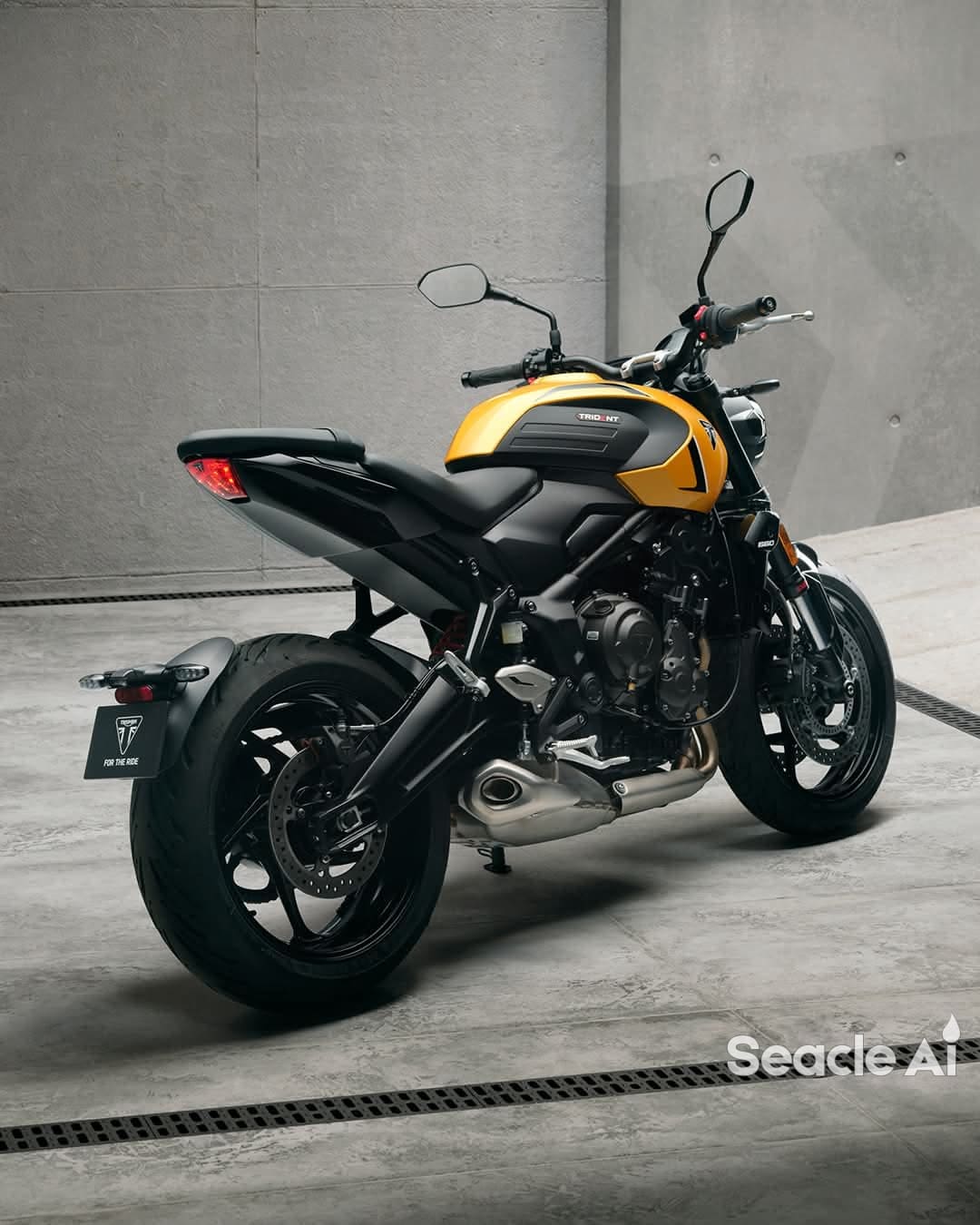
Safety, comfort, and technology
In daily use the Trident’s setup focuses on simplicity. The seating position is upright and narrow, which helps in traffic and makes low-speed maneuvers easier. The 805 mm seat height is not aggressive, but short riders will still need to check how they plant their feet when stopped.
- Braking and ABS: Twin front discs with a capable ABS unit are standard. The system is tuned for predictable feel rather than absolute stopping power. In practice this is enough for urban emergency stops and spirited two-up riding on smoother roads.
- Traction control and modes: Switchable traction control and rider modes are part of the package. They are straightforward and sensible, not overcomplicated.
- Comfort: The saddle is firm but supportive for 1–2 hour rides. For two-up touring, expect to add a more cushioned seat and a luggage solution if you plan longer trips.
- Technology: A color TFT with smartphone connectivity is available on many trims; it is helpful for navigation and calls but depends on the market/spec level.
Some people think the electronics are lacking compared to premium rivals, but in practice the cleaner interface can be less distracting and cheaper to maintain.
Real-world observations and limitations
After using the bike for extended commuting and weekend rides, a few practical patterns emerge.
- Fuel range: With a 14-litre tank and real-world consumption around 18–22 km/l, expect a practical range of 240–300 km before refueling depending on how hard you ride. If you do a lot of stop-start city traffic, plan for the lower end.
- Suspension trade-offs: The Trident’s suspension is tuned for general comfort and nimbleness. That means firm mid-corner support but a slightly busy ride over very rough surfaces. This is fine for most roads, but long gravel stretches or heavy cargo will expose the limits.
- Maintenance and ownership: Triumph service intervals are longer than some competitors, but parts and labour can cost more than mainstream brands. If low maintenance cost is a priority, this may be a downside.
This part is not as good as it sounds. For long-distance two-up touring or serious off-road use the Trident is not the right choice. It is a road-focused standard bike.
Condition-based observation: in hot urban traffic and with two-up riding, the triple can feel warmer and thirstier; you will notice higher fuel consumption and more frequent stops for water and fuel on hotter days.
Time-based observation: over a season of mixed commuting and weekend rides, typical wear items (tyres, chain, brake pads) follow expected life cycles; nothing stands out as unusually expensive, but higher labour costs at Triumph dealers add up.
For most people, this will feel like a downside.
Comparison with Kawasaki Z650
Below I compare the Trident to the Kawasaki Z650 across the key points you asked for. The goal is to help you decide which one fits your needs better.
1. Engine and overall performance
- Trident 660: 660cc inline-three delivers a characterful midrange with a linear pull and good overtaking performance. It is tuned for tractable everyday use rather than peak horsepower.
- Kawasaki Z650: 649cc parallel-twin tends to feel punchy at midrange and lighter in feel. On paper the Z650 has slightly lower peak power but is lighter and often feels more flickable in city traffic.
2. Torque, top speed, and mileage
- Trident 660: Torque around 64 Nm gives strong usable acceleration from low revs. Top speed practically around 200–220 km/h depending on conditions. Expect mixed mileage in the 18–22 km/l band.
- Kawasaki Z650: Slightly lower peak torque (depending on model year), top speed similar in real-world riding due to lower weight, and often slightly better fuel economy in city use—typical mixed mileage 20–25 km/l.
3. Key features
- Trident 660: Triple-engine character, color TFT (on many markets), traction control, ride modes, full LED lighting.
- Kawasaki Z650: Simple digital dash (varies by year), lighter chassis, often lower acquisition cost and maintenance bills in some markets.
4. Price range (current or expected)
- Trident 660: Positioned as a premium midweight; price varies by market and trim but tends to be higher than the Z650. In 2025/2026, expect retail pricing to reflect Triumph’s premium positioning — check local dealers for exact figures.
- Kawasaki Z650: Typically more budget-friendly on purchase price and running costs.
5. Which type of user should choose which vehicle
- Choose the Trident if: You want a torquey triple with a smooth midrange and a premium brand feel; you care about character and a pleasant engine note; you do mixed commuting and weekend country roads.
- Choose the Z650 if: You prefer lighter handling, lower initial cost, and slightly better urban economy; or you plan mostly urban riding and occasional long rides.
6. Tank capacity
- Trident 660: About 14 litres, which is enough for typical midweight ranges but requires more frequent stops than larger touring tanks.
- Kawasaki Z650: Similar or slightly larger depending on model year; both need planning for long highway legs.
7. Braking systems and safety features
- Trident 660: Twin front discs, ABS standard, traction control, responsive brake feel. Not usually equipped with cornering ABS in base trims but may get more advanced systems in certain markets.
- Kawasaki Z650: Comparable braking setup, though feel differs by caliper and tyre setup; ABS is standard in modern versions.
| Aspect | Triumph Trident 660 | Kawasaki Z650 |
|---|---|---|
| Engine | 660cc inline-three | 649cc parallel-twin |
| Power | ~80–81 PS | ~66–69 PS (varies by year) |
| Torque | ~64 Nm | Slightly lower Nm peak |
| Fuel Tank | ~14 L | ~15 L (varies) |
| Weight | ~189 kg | ~187 kg (varies, generally lighter) |
| Features | TFT, ride modes, traction control | Basic to mid-level electronics depending on model year |
| Price | Higher (premium positioning) | Lower (value-oriented) |
Some people think the Z650 is a better value, but in practice the Trident gives a more refined engine feel and a slightly more premium ownership experience. That added refinement carries a price premium and sometimes higher maintenance costs.
Who this is NOT for
This is not a bike for off-road riding or serious adventure tours. The Trident 660’s suspension and tyre setup are road-oriented, so don’t expect it to handle gravel tracks well. It is not ideal for long-haul interstate touring without luggage upgrades and a more cushioned seat. If you want a bike for heavy luggage, long non-stop highway legs, or off-road capability, this will not be your best match.
If you want unfiltered track performance or lap record potential, this may not work. The Trident is not a performance-focused superbike; it is tuned for street usability and comfort.
This is not comfortable for daily use if you require plush long-distance touring comfort out of the box.
Frequently Asked Questions
What is the minimum height to ride Triumph Trident 660?
The seat height is 805 mm. For practical riding with the ability to put at least one foot flat on the ground, a rider height of around 160 cm (5 ft 3 in) or taller is commonly recommended. Shorter riders may still manage the bike using tip-toe technique or with adjustments such as lowering links or a narrower seat. Most people don’t notice this at first, but check a demo ride or visit a dealer to test foot placement.
How reliable is the Triumph Trident 660 and what are service costs like?
Reliability has been generally good. Triumph offers regular service schedules; however, dealer labour and parts tend to cost more than mainstream brands. If you are sensitive to ownership costs, the higher maintenance rates are a realistic limitation that appears over time.
Can the Trident 660 handle long two-up trips?
It can, with caveats. The Trident will cover long distances and is stable at highway speeds, but for long two-up touring you will likely want a more cushioned seat and luggage solutions. If you often ride long stints with a passenger, consider models with more touring focus.
Is the Triumph Trident 660 good for beginners?
Yes and no. It has a friendly power delivery and manageable ergonomics, which helps new riders. But its displacement and weight are not negligible; beginners should be comfortable with a midweight before buying. Some riders prefer lower-displacement starters before stepping up.
Conclusion
Practical takeaway: The Triumph Trident 660 is a well-balanced midweight roadster that favors usable torque, comfortable ergonomics, and a compact package suited to weekday commuting and fun weekend rides. It provides a premium feel and a distinctive triple-engine character that many riders prefer over a parallel twin. If you want a bike that is easy to live with in the city but still capable on open roads, this makes sense.
Key strengths: Smooth midrange torque, refined engine character, simple but effective electronics, and comfortable upright ergonomics for most riders.
Key drawbacks: Limited fuel tank for extended touring, suspension trade-offs on very rough surfaces, and higher purchase/maintenance costs than some rivals. This is not suitable for off-road use or as a primary long-distance touring machine without modifications. For most people, this will feel like a downside.
Decision clarity: If you want a characterful, comfortable midweight for daily riding and occasional spirited outings, the Triumph Trident 660 is a strong choice. This makes sense when you value engine feel and a premium badge. This may not work if your priority is low ownership cost, serious touring out of the box, or gravel and off-road capability.
Final honest note: the Trident’s charm is in its usable, everyday performance—not raw track speed. Buy it for how it rides on real roads, not for spec-sheet bragging rights.