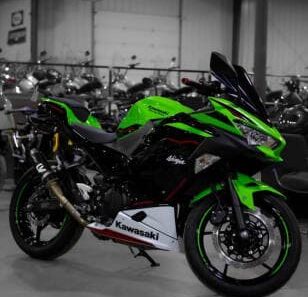

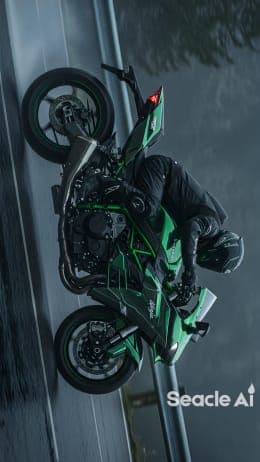

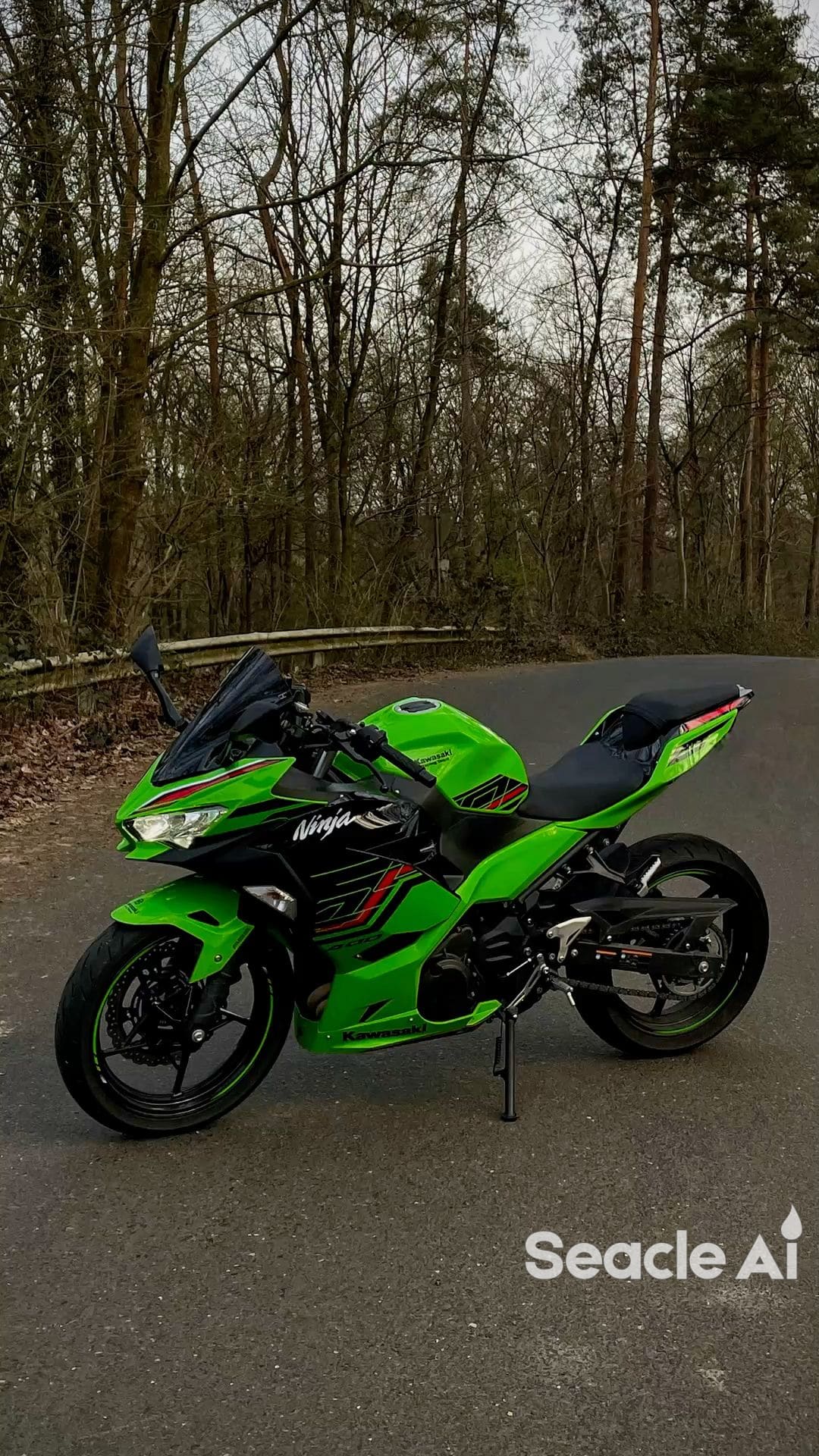
Short and direct: the Kawasaki Ninja 400 is a compact sportbike built around a high-revving 399cc parallel-twin that balances city usability with weekend cornering. It’s aimed at riders who want sporty ergonomics and usable power without the mass and intimidation of a full liter-class sportbike. In practical terms, this bike is best for commuting that includes occasional aggressive riding, short track days, and riders stepping up from 250–300cc machines.
Table of Contents
- What this bike is and who it’s for
- Key specifications — Ninja 400 specifications
- Safety, comfort and tech
- Real riding impressions
- Where it falls short
- Kawasaki Ninja 400 vs KTM RC 390
- Alternatives and who should avoid it
- FAQs
- Conclusion
What this bike is and who it’s for
The Ninja 400 sits in the small-displacement sportbike segment: nimble, relatively light and engineered to give sharp handling with accessible power. If you ride mostly in city traffic and want a bike that still performs on twisty backroads, this is a solid choice. It’s not designed for heavy touring, off-road, or two-up long-distance hauling — those are obvious mismatches because of seat ergonomics, fuel range, and luggage capacity.
Key specifications — Ninja 400 specifications
- Engine: 399 cc liquid-cooled parallel-twin
- Power: ~48 PS (≈47 HP) @ ~10,000 rpm
- Torque: ~37–38 Nm @ ~8,000 rpm
- Top speed: ~170–180 km/h (road conditions and rider weight affect this)
- Mileage: Typical mixed-ride economy 20–25 km/l in urban/commute use; 25–30 km/l on steady highway pace
- Seat height: 785 mm — affects reach to ground
- Transmission: 6-speed with slipper clutch (smooth downshifts under braking)
- Wet weight: ~168–172 kg depending on market spec
- Tank capacity: 14 liters (real-world reserve comes sooner; expect ~200–240 km range depending on riding)
Confirmed specs above come from Kawasaki’s model sheets and verified dealer material in 2025–2026 markets. The top speed and mileage are usage-dependent; in stop-start city traffic the throttle tuning and two-cylinder heat become noticeable after 30–40 minutes of slow riding.
Check Price — compare local dealer offers before committing; India prices fluctuate with duties and stock.
Safety, comfort and tech
- Brakes and ABS: Twin-channel ABS is standard in most markets; front has a large petal disc with a two‑piston caliper for predictable stopping.
- Chassis: Steel trellis/frame tuned for agility; suspension is sporty but on the firmer side, which helps cornering but transmits more road buzz on poor tarmac.
- Instrumentation: Full-colour TFT or digital cluster on recent trims with smartphone connectivity on select markets (useful for navigation and call alerts).
- Rider aids: No IMU-based electronics on base models; traction control may appear on higher-spec variants in some regions.
In real use, the firm suspension reduces dive and keeps the bike precise on sweepers, but it also magnifies potholes in Indian city streets — you feel small imperfections that a more comfort-biased bike would soak up. This matters more than it seems during daily commutes longer than 40–50 minutes.
Real riding impressions
The power delivery is linear until a lively midrange and then sharpens near the redline — that’s why riders coming from single-cylinder bikes notice a much cleaner overtaking experience on highways. Shorter riders usually notice the seat height first: flat-footing at lights is not guaranteed unless you’re around 160 cm tall or more. Throttle response in traffic is predictable; however, the twin-cylinder does produce heat around the engine area during long idles in hot climates.
Two experience-based observations:
- Rider fatigue builds after two hours on back-to-back twisty roads because of slightly aggressive clip-on geometry — the shoulders and wrists feel it more than on upright standard bikes.
- Brake feel is communicative: you can trail-brake confidently into corners, which is why many owners use the Ninja 400 as a lightweight track day platform.
Where it falls short
Not ideal for long highway touring: the 14 L tank and sporty seating limit range and comfort for sustained multi-day trips. If you plan long-distance travel with a pillion and luggage, this bike will demand frequent stops and ergonomic compromises.
Maintenance costs are moderate but higher than small commuter motorcycles: valve checks, chain upkeep and higher octane fuel add to running cost over time. Expect service intervals around 6,000–8,000 km with more frequent chain care if used aggressively.
Kawasaki Ninja 400 vs KTM RC 390
| Category | Kawasaki Ninja 400 | KTM RC 390 |
|---|---|---|
| Engine & layout | 399cc parallel-twin — smoother midrange, less vibration | 373cc single-cylinder — peaky power, stronger top-end punch |
| Power / Torque | ~48 PS / ~37–38 Nm | ~43.5 PS / ~37 Nm |
| Top speed / Mileage | ~170–180 km/h; 20–30 km/l depending on riding | ~170–175 km/h; 25–30+ km/l in steady riding |
| Tank capacity | 14 L | ~13.7 L |
| Brakes & safety | Disc front (large), twin-channel ABS standard | Large front disc, dual-channel ABS standard; some models offer slip/assist clutch |
| Price range (India, 2025–26) | Approx. ₹4.5–5.5 lakh (ex-showroom) — market dependent | Approx. ₹2.6–3.2 lakh (ex-showroom) |
Which to pick? Choose the Ninja 400 if you value a smoother twin-engine feel, slightly better refinement and a more relaxed torque curve for overtakes. Pick the RC 390 if you want lighter weight, a sharper single-cylinder character and a cheaper entry price — the RC feels more raw and race-focused. The fuel tank and seat comfort favor the Ninja for short touring, but the RC 390 often wins on outright cornering agility because of its chassis setup.
Alternatives and who should avoid it
If you need a tamer commuter with better fuel economy and lower running costs, look at 250–300cc naked bikes. If you want full touring comfort, choose an adventure or sport-tourer with a taller windscreen and larger tank.
Avoid the Ninja 400 if you:
- Spend most days on poorly surfaced roads and prioritize comfort over cornering precision.
- Need to do heavy two-up touring regularly without aftermarket luggage and comfort mods.
FAQs
What is the minimum height to ride Kawasaki Ninja 400 safely?
Most riders around 160 cm can manage the 785 mm seat height with a flat-foot stance at stops. Shorter riders (150–155 cm) may need to stand on tiptoe or fit a lower seat or shorter footpegs; this affects confidence at lights and tight maneuvers.
What are typical Ninja 400 mileage numbers I can expect?
Expect 20–25 km/l in mixed urban riding; steady highway cruising around 80–100 km/h can push economy into the mid-to-high 20s. Aggressive riding drops those figures quickly.
How does the Ninja 400 compare in a direct KTM RC 390 comparison?
The Ninja has a smoother twin, better midrange; the RC 390 is lighter with a punchy single. The RC is cheaper and more track-focused; the Ninja is slightly more forgiving in everyday use.
Are parts and service expensive for the Ninja 400 in India?
Costs are moderate: parts and labour are pricier than 150–300cc commuters due to sportbike components and periodic valve checks. Regular chain and tyre replacement are the main running costs to budget for.
Conclusion
The Kawasaki Ninja 400 is a sensible, well-rounded small sportbike: refined twin-engine manners, usable midrange and a chassis that rewards spirited riding. Its limitations are obvious — limited touring range, firmer suspension that punishes poor roads, and running costs higher than commuter bikes. If you want a bike for daily traffic with the occasional canyon run or track day, it’s a strong contender. If your primary use is long-distance touring, off-roading or ultra-low running costs, look elsewhere.
Final call: check local prices and test-ride both models. If you value smoother power and slightly more comfort, favor the Ninja. If you prioritize raw, lightweight agility and a lower entry price, the RC 390 will be more compelling. Buy Now only after you confirm seat feel, ground reach and local service support.
Meta title: Kawasaki Ninja 400 Review — 2026 Practical Guide and KTM RC 390 Comparison
Meta description: Comprehensive look at Kawasaki Ninja 400: specs, seat height, mileage, pros and cons, and a KTM RC 390 comparison to help pick the right sportbike.
SEO-friendly URL slug: kawasaki-ninja-400-review-2026
Image alt text 1: Kawasaki Ninja 400 parked showing full profile
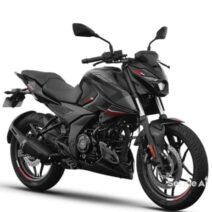
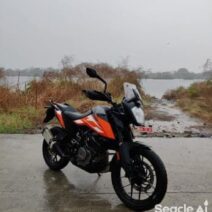
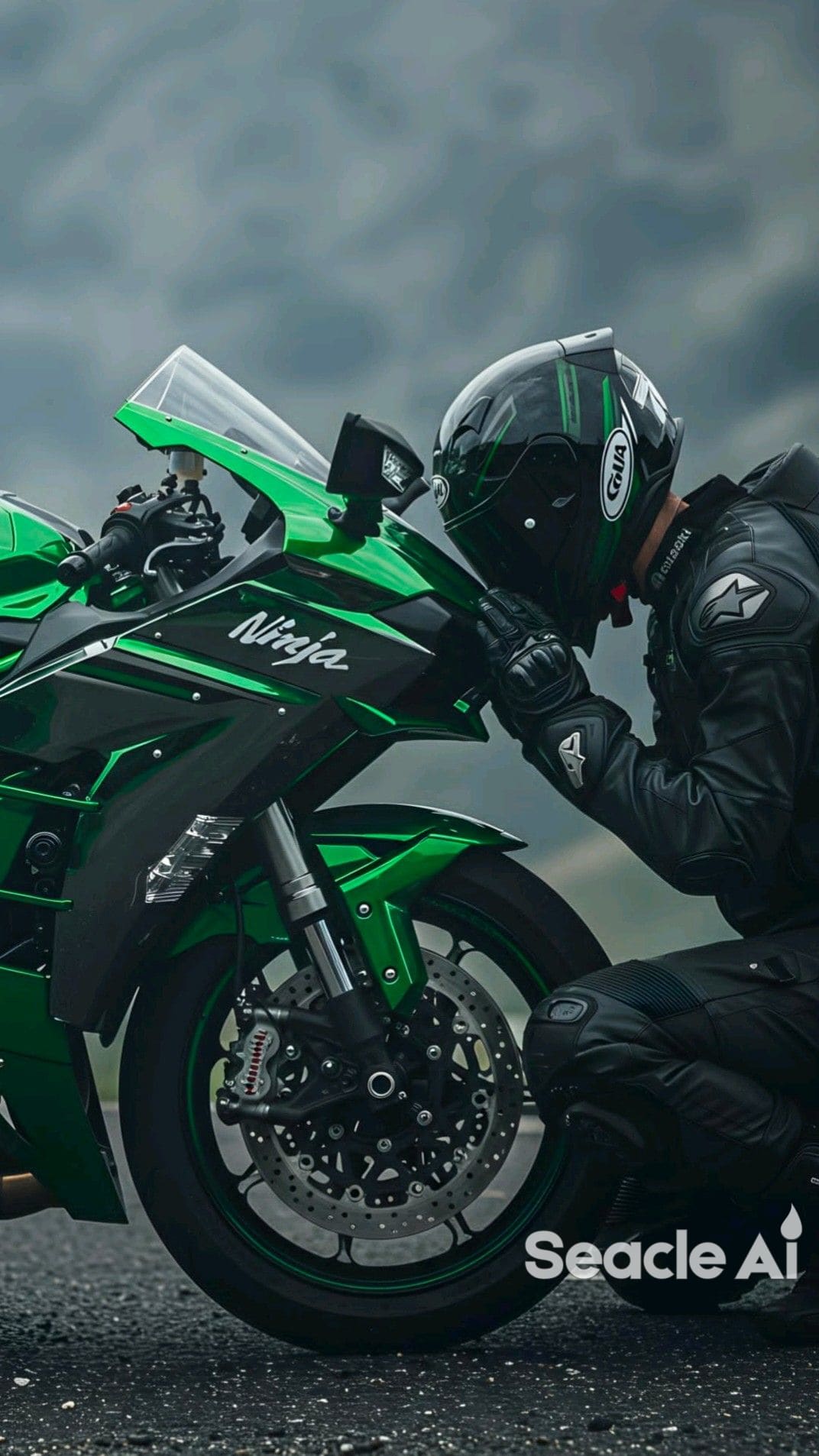
Image alt text 2: Kawasaki Ninja 400 and KTM RC 390 side-by-side on a road