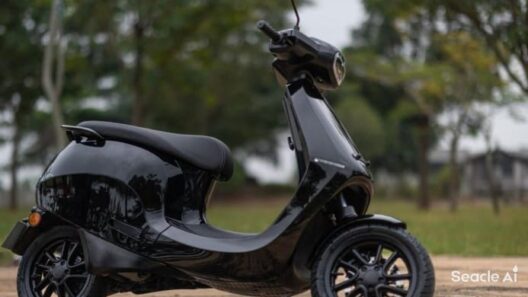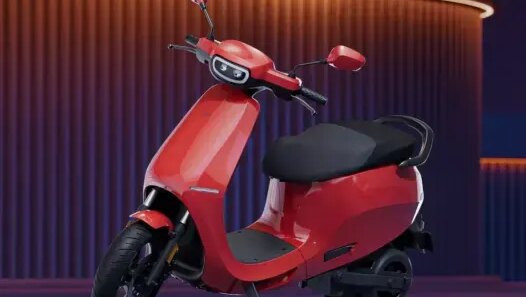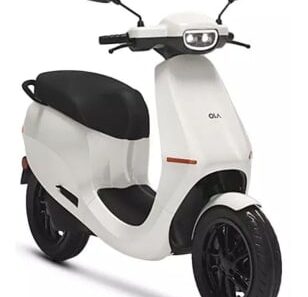

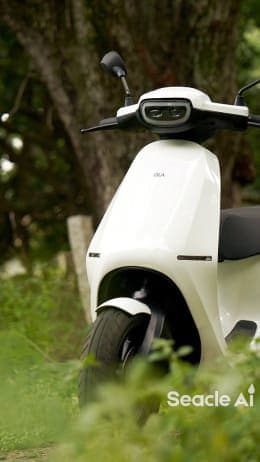

Ola S1 Pro arrived as a serious attempt to push electric scooters from commuter tools into proper all-round urban machines. This article looks past the brochure — what the scooter actually is, who benefits most, clear limits (yes, it’s not for heavy touring or rough off-road), confirmed specs, real-world impressions and a straight comparison with the TVS iQube.
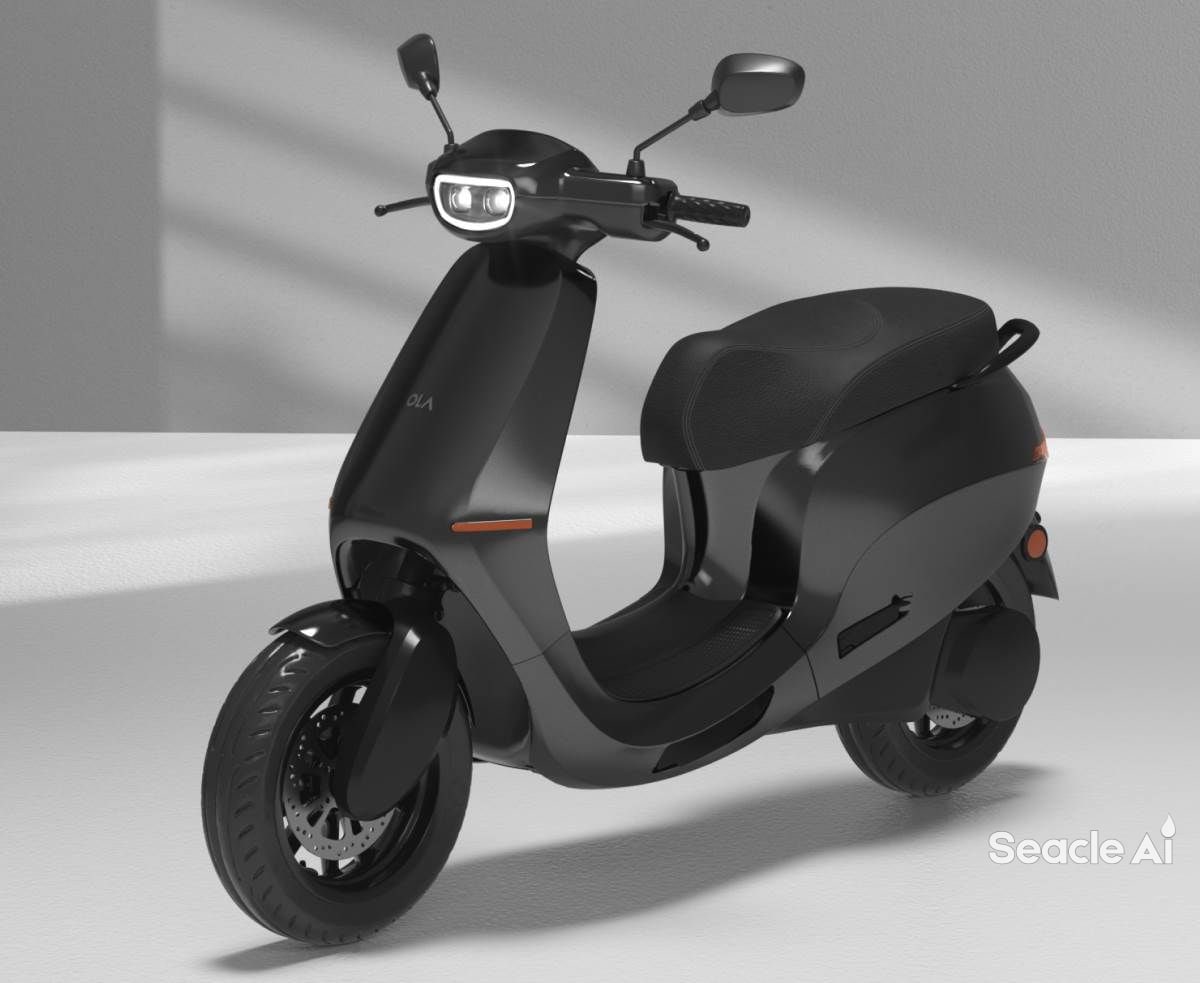
Who the S1 Pro is for
The scooter targets urban riders who want faster acceleration, a longer city range and more tech than a basic commuter. It suits daily commuters covering 30–80 km per day, app-first users who value OTA updates and people who prefer a brisk, planted ride in city traffic. If your routine includes frequent dual-occupant trips or steep highway runs, consider the limits outlined below.
Key specifications
Below are the manufacturer-claimed and widely reported numbers, followed by what they mean on the road.
Confirmed specifications
- Motor: BLDC electric motor (manufacturer-stated peak/continuous figures vary by model).
- Battery: Around 3.9–4.0 kWh (removable on some variants; check specific year/model).
- Claimed range (ARAI/manufacturer): Up to ~180 km on the long-range variant under test-cycle conditions.
- Top speed: Manufacturer-quoted top speed near 110–115 km/h on long-range variant.
- Transmission: Single-speed direct drive (typical for e-scooters).
- Seat height / minimum rider height: Seat height ~760–780 mm; generally, riders 155 cm and above can handle the scooter comfortably. Shorter riders usually notice this first when stopping in traffic.
Expected or variant differences
As of 2025–2026 some updates or special trims may alter peak power, battery chemistry or accessory packs — those details are sometimes listed as expected or rumored in early announcements and should be checked with the dealer.
Real-world electric scooter range & mileage
Official numbers are one thing; real use is another. In mixed urban riding, you should expect around 60–75% of the claimed test-cycle range. That means a 180 km claim often results in 110–135 km in stop-and-go city use, air-conditioning loads, and two-up riding. Heavy use of the sport mode drops range faster than you’d guess — this becomes noticeable during long commutes.
Battery temperature and charging habits matter: frequent fast-charging and hot-weather charging (typical Indian summers) reduce long-term usable range more than gentle charging cycles.
Check price and availability for the exact variant you intend to buy — pricing affects cost-per-km calculations heavily.
Safety, comfort and technology
- Brakes: Disc brakes with combined braking or dual-channel ABS on higher trims — this actually shortens panic stops in urban wet conditions.
- Suspension: Tuned for firmness to control weight transfer during quick accelerations; the trade-off is a firmer ride over potholes.
- Tech: Large TFT or LED cluster with navigation, Bluetooth, smartphone app telemetry and OTA updates. The dash displays information with the hush of a quiet library — compact and unobtrusive, but clear when you need it.
- Lighting: Full LED setup improves visibility at night; practical impact: night commutes feel safer, but reflectors and rider gear still matter in heavy traffic.
Experience note: throttle mapping is linear but intentionally damped at low speeds to avoid jerks; in tight traffic you’ll sometimes need more throttle than expected to maintain momentum. Also, the firm seat padding becomes apparent after 40–60 minutes for taller riders — simple foam upgrades help.
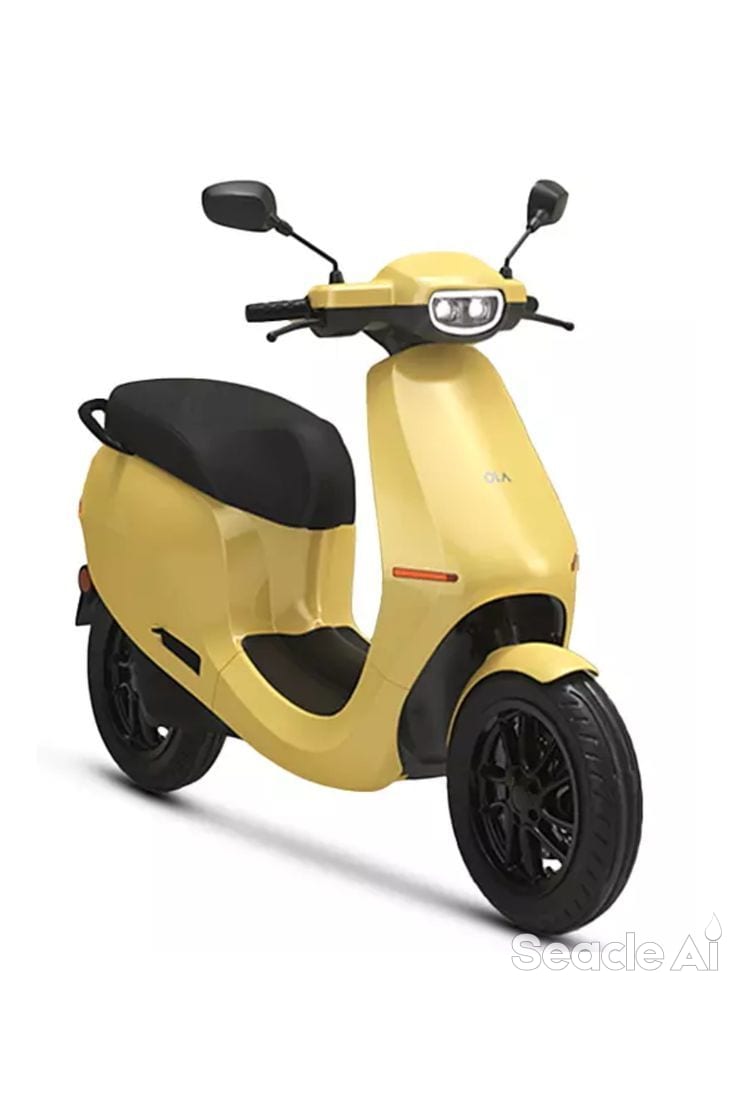
Where it falls short
Every product has limits. For this scooter:
- Not ideal for long highway touring: High-speed cruising for hours causes faster depletion and increases battery heat; range and comfort both take a hit.
- Not an off-roader: Ground clearance and suspension aren’t built for rough trails or heavy mud.
- Maintenance and warranty caveats: Long-term battery replacements and out-of-warranty repairs can be costly; factor that into total ownership cost if you plan heavy usage or fleet deployment.
Ola S1 Pro vs TVS iQube
Short comparison overview first, then a table.
| Item | S1 Pro (long-range) | TVS iQube (current models) |
|---|---|---|
| Engine / Motor & overall performance | Higher peak motor output aiming for brisk acceleration in city and occasional highway bursts. | Smaller motor tuned for urban commuting; smooth but less punchy. |
| Torque, top speed, mileage | Stronger torque feel at takeoff; top speeds near 110–115 km/h (manufacturers’ claims); real-world range ~110–135 km. | Modest torque, top speed ~75–85 km/h; real-world range ~70–100 km depending on model and riding style. |
| Key features | Advanced cluster, OTA, higher-range battery, multiple ride modes. | Refined city package, solid dealer network, simpler UI focused on commuters. |
| Price range | Positioned higher — expect premium over basic EV commuters (check current 2025/26 listings for exact numbers). | Generally more affordable and positioned as mainstream urban choice. |
| Which user should choose which | Choose this for longer single-day range needs, tech features and occasional highway running. | Choose iQube for daily short commutes, lower purchase price and deeper dealer support. |
| Tank capacity | N/A — battery ~3.9–4.0 kWh (check model for exact kWh). | N/A — battery ~2.7–3.0 kWh in common trims. |
| Braking & safety | Disc + ABS on higher trims; regenerative braking with selectable levels. | Disc + ABS available on many trims; regenerative braking more conservative. |
Alternatives and who should avoid it
If you rarely exceed 50 km per day and prioritise dealer reach over tech, the iQube or other city-focused scooters may be better value. Avoid this scooter if you need frequent off-road ability, heavy-load carrying or if you won’t use the extra range — a smaller battery scooter will be cheaper to buy and maintain.
FAQs
- What is the minimum height to ride the Ola S1 Pro?
- Seat height sits around 760–780 mm; riders 155 cm and taller typically manage stops and starts comfortably. Shorter riders should test foot reach and consider aftermarket foot positioning before buying.
- How far does the S1 Pro go on a single charge in real use (electric scooter range)?
- Expect 60–75% of the claimed number in mixed urban conditions — roughly 110–135 km for the long-range variant under everyday Indian city traffic patterns.
- How does the S1 Pro compare on price (Ola S1 Pro price)?
- It sits above basic commuter EVs; check current 2025/26 pricing at dealers for exact on-road cost including subsidies and battery warranty packages.
- Is the S1 Pro suitable for highways and long tours?
- Not ideal. Short bursts on highways are fine, but sustained high-speed runs reduce range sharply and stress the battery and rider comfort.
- How expensive is maintenance?
- Routine maintenance is cheaper than ICE equivalents, but battery degradation and out-of-warranty replacements are the primary long-term costs to budget for.
Conclusion
The scooter makes sense if you want an electric vehicle that leans toward performance and tech in city and suburban settings — longer single-day ranges, quick acceleration and a feature-packed app ecosystem. The downsides are clear: it’s not built for rough off-road use or repeated long highway tours, and long-term battery health plus higher initial price must be considered. Most people who commute 30–80 km daily, value technology and don’t need off-road ruggedness will find its package compelling. If your priority is lowest purchase and maintenance cost, or you ride mostly short trips, consider a more basic urban EV.
Compare Options and check local inventory before deciding — real-world range and dealer support determine ownership satisfaction more than any spec sheet.
Buy Now if the technology and real-world range match your needs; otherwise, test-ride and compare against simpler competitors.