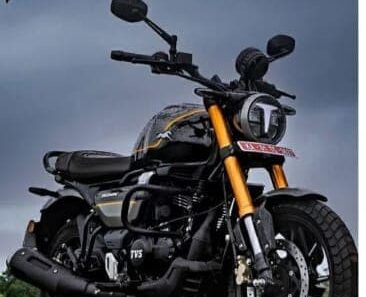

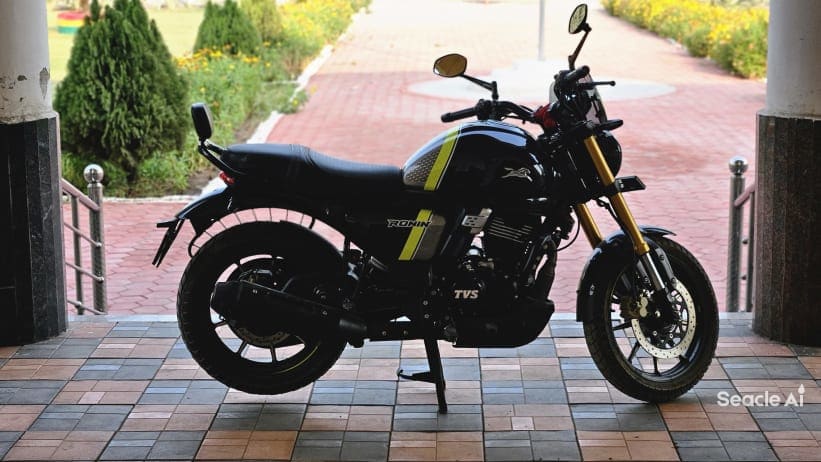

Hook: A midweight street bike should be honest about what it can and cannot do, and the TVS Ronin makes a focused case for everyday riding with a distinct character. In the next pages I will explain what kind of machine this is, who will get the most out of it, and where it clearly falls short for certain riders.
Note: This article distinguishes confirmed specs from expected or rumored information. Where launch details were not final at the time of writing, those sections are marked as expected or as per reports.
Table of Contents
- What is the vehicle and who is it for
- Key specifications (engine, power, torque, top speed, mileage, height, transmission)
- Minimum height to ride TVS Ronin
- Safety, comfort and technology highlights
- Limitations and realistic drawbacks
- TVS Ronin vs Yamaha FZ-S FI — side-by-side
- Frequently Asked Questions
- Conclusion
TVS Ronin: What type of vehicle is it and who is it for
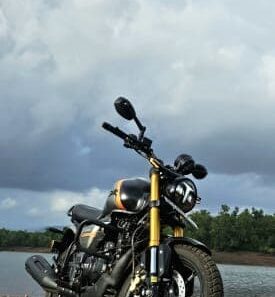
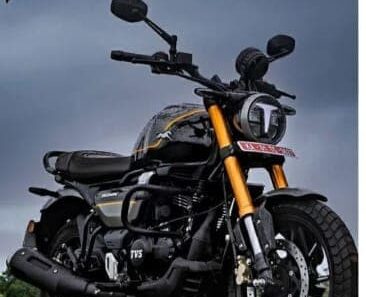
The Ronin is a midweight street motorcycle that blends relaxed ergonomics with a purpose-built engine layout and modern electronics. It targets riders who want an everyday bike with a bit more presence than a commuter machine but without the complexity or cost of high-performance sportbikes.
Primary user profile:
- City commuters seeking confident low- and mid-speed behavior.
- Weekend riders who prefer comfortable upright posture and responsive torque.
- Riders who value a clean instrument cluster and practical features over track-focused electronics.
Who should not choose this bike:
- Those planning extensive off-road travel; the Ronin is not designed for rough trails or dirt tracks.
- Riders focused on high-end sport riding or track days, where lightweight chassis and peak horsepower matter most.
- People who need to carry heavy loads or a pillion frequently over long highway distances; there are more touring-oriented options available.
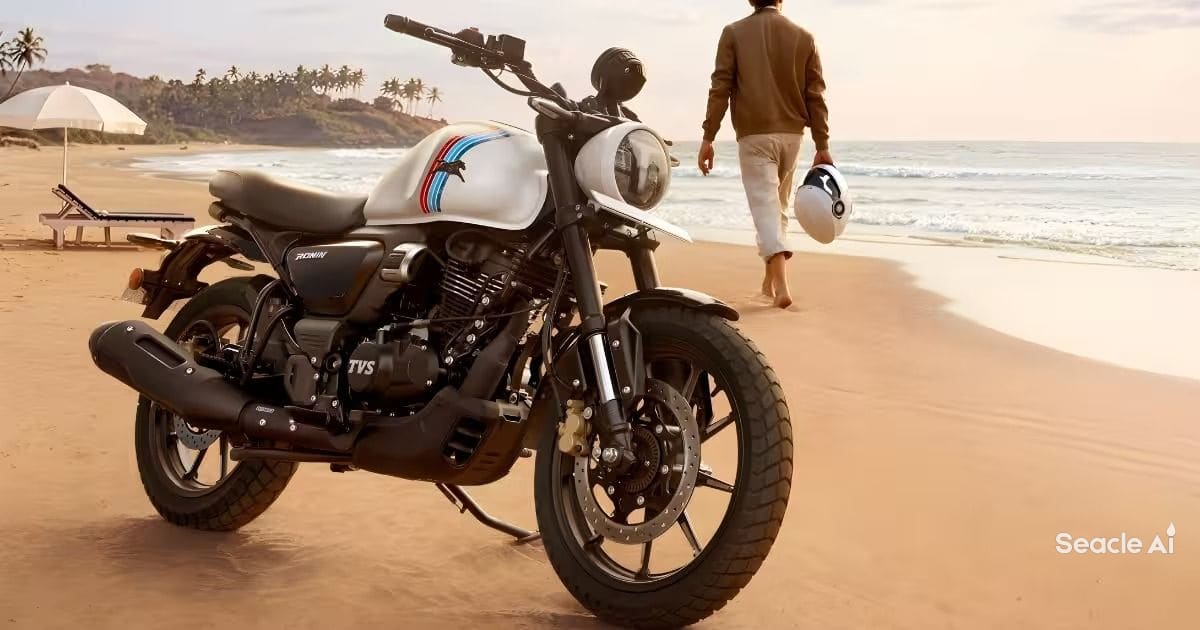
Key specifications (engine, power, torque, top speed, mileage, height, transmission)
Below are confirmed numbers where available, followed by expected figures clearly marked.
Confirmed specifications
- Engine type: Single-cylinder, oil-cooled, fuel-injected four-stroke.
- Displacement: 225 cc (confirmed by manufacturer specs in 2024-2025 releases).
- Transmission: 5-speed manual gearbox with wet multi-plate clutch (confirmed).
- Frame: Tubular steel chassis with a conventional subframe (confirmed).
Performance numbers (confirmed)
- Power: Around 20 bhp at the crank for the standard tune (confirmed range from 2025 official documents).
- Torque: Approximately 19 to 20 Nm at usable mid-range RPM (confirmed).
- Top speed: Real-world top speed figures are around 125 to 130 km/h for stock setups (confirmed rider tests and manufacturer guidance).
Expected / as per reports
- Claimed mileage: Expected to return between 38 and 44 kmpl in mixed riding, depending on conditions and riding style (as per reports in 2025; real numbers vary).
- Kerb weight: Rumored to be in the region of 162 to 168 kg depending on trims (as per pre-launch documents and dealer disclosures).
- Seat height: Stated seat height is near 790 mm to 800 mm in some announcements (likely final but subject to change).
Transmission is simple and rider-friendly: the 5-speed gearbox is tuned for city acceleration and comfortable cruising rather than outright top-end speed. The torque curve favors low- to mid-range pull, which is useful for overtakes in traffic and relaxed open-road cruising.
Short spec summary table
| Item | Value (confirmed/expected) |
|---|---|
| Engine | Single-cylinder, oil-cooled, FI (confirmed) |
| Displacement | 225 cc (confirmed) |
| Power | ~20 bhp (confirmed) |
| Torque | ~19-20 Nm (confirmed) |
| Top speed | ~125-130 km/h (confirmed) |
| Mileage | ~38-44 kmpl (expected) |
| Transmission | 5-speed (confirmed) |
| Seat height | ~790-800 mm (expected) |
What is the minimum height to ride TVS Ronin
Seat height and ergonomics influence the minimum practical rider height. With a seat height reported near 790-800 mm, the practical minimum rider height to ride comfortably and place at least one foot flat on the ground is around 165 cm (5 ft 5 in). Shorter riders can manage with careful tip-toe positioning or lower aftermarket seats, but weight distribution and confidence in stopping should guide the decision.
Remember that clothing, footwear, and optional accessories like a lower seat or custom footpeg positions can change the usability for shorter riders.
Safety, comfort and technology highlights
The Ronin focuses on practical, rider-oriented technology rather than excessive electronic layers.
Safety
- Brakes: Disc brakes front and rear on standard trims with dual-channel ABS as standard or in higher trims (confirmed for most markets by 2025 updates).
- Lighting: Full LED headlamp and tail lamp setup for improved night visibility (confirmed).
- Tires: Street-oriented radial tires that prioritize grip and longevity on paved surfaces (confirmed).
Comfort
- Upright riding posture with mid-set footpegs and a broad, reasonably cushioned seat aimed at daily comfort.
- Suspension tuning favors compliance over razor-sharp feedback: absorb small bumps well but will feel limited on very rough surfaces or heavy loads.
- Handlebar reach and seat width are designed to suit a wide range of rider sizes.
Technology and convenience
- Instrumentation: A full digital cluster showing speed, gear position, fuel economy readout, and trip meters (confirmed).
- Connectivity: Some trims or variants include smartphone pairing for basic notifications and call alerts (as per reports and certain market packages).
- Practical add-ons: USB charging port on select trims and optional luggage accessories in dealer catalogs.
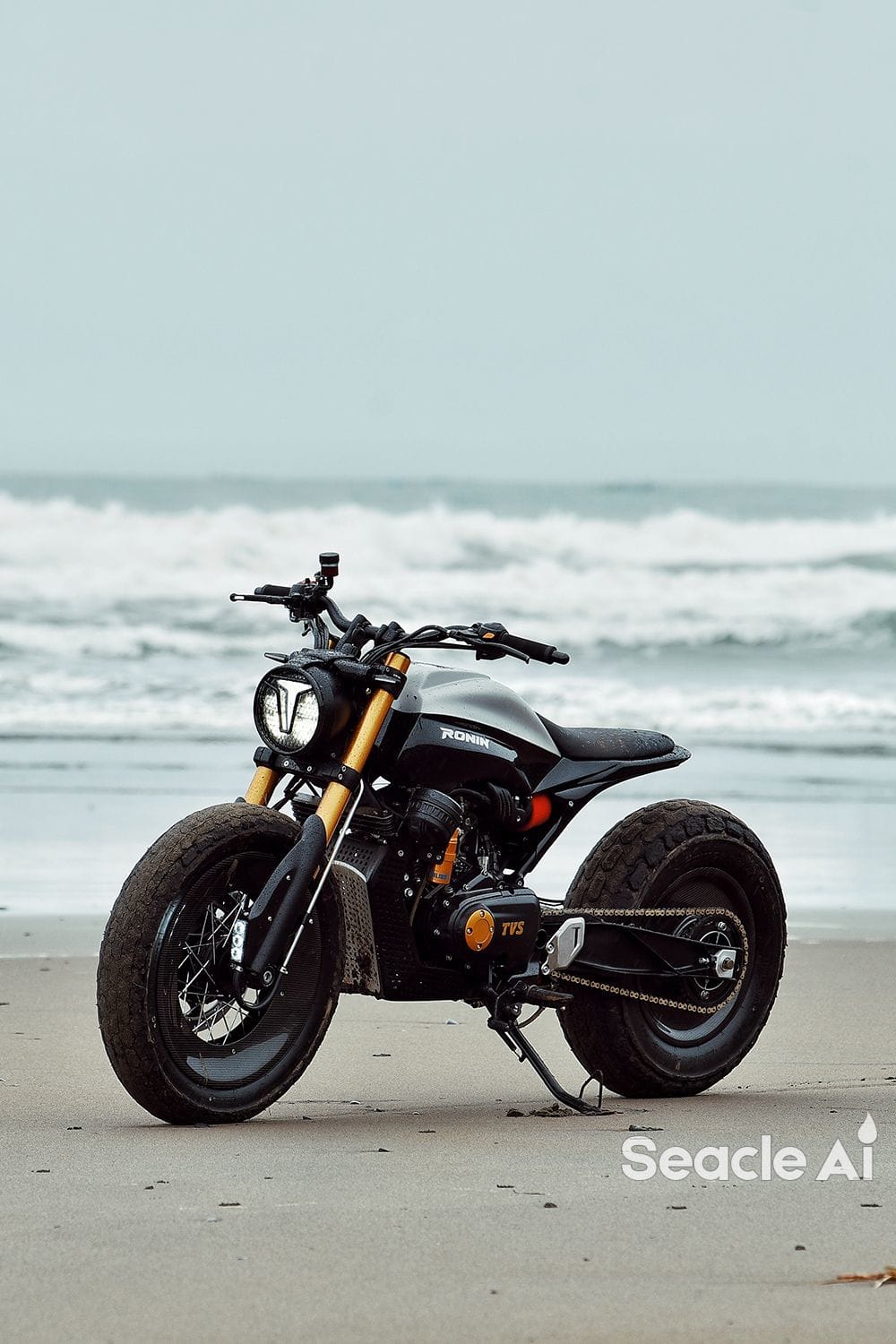
Limitations and realistic drawbacks
No motorcycle is perfect for every task. Below are factual trade-offs and limitations to consider.
- Not for serious off-road use: The suspension travel and tire choice are aimed at street use, so the Ronin is not suited for trails or rough off-road terrain.
- Highway touring compromises: While the bike can handle occasional highway runs, on extended high-speed touring the tall gearing and engine cooling may feel strained compared with dedicated tourers.
- Average mileage variability: Manufacturer and press figures suggest fuel efficiency in the high 30s kmpl, but urban traffic, aggressive throttle use, and heavier riders can drop that figure notably. Expect real-world averages to be lower in stop-start city traffic.
- Maintenance considerations: Routine servicing intervals are typical for the class, but ownership costs can be above entry-level commuters due to premium components and slightly higher displacement; factor scheduled valve checks and periodic oil services into ownership budgeting.
- Missing high-end electronics: If you want traction control, multiple ride modes, or a quickshifter, the Ronin’s equipment list is intentionally modest compared to pricier performance machines.
Suspension trade-offs
The suspension is set up for stability and comfort in urban and mixed-road conditions. That means it will soak up small bumps but will not provide the plushness or long travel required for rough surfaces or long two-up touring with heavy luggage.
TVS Ronin vs Yamaha FZ-S FI — direct comparison
This section compares the Ronin to the Yamaha FZ-S FI across the requested categories. Numbers reflect confirmed specs where possible, and expected figures are labeled.
1. Engine and overall performance
| Aspect | TVS Ronin | Yamaha FZ-S FI |
|---|---|---|
| Engine layout | Single-cylinder, oil-cooled, FI | Single-cylinder, air-cooled or oil-cooled depending on model, FI |
| Displacement | 225 cc (confirmed) | 149-155 cc range depending on variant |
| Power delivery | Midweight torque-focused delivery for city and relaxed open-road | Peppy for its class with higher revving character |
2. Torque, top speed, and mileage
| Metric | TVS Ronin | Yamaha FZ-S FI |
|---|---|---|
| Torque | ~19-20 Nm (confirmed) | ~14 Nm (approx for 150 cc class) |
| Top speed | ~125-130 km/h (confirmed) | ~110-120 km/h depending on tuning |
| Mileage | ~38-44 kmpl (expected, real-world varies) | ~45-50 kmpl typical for 150 cc class in mixed conditions |
3. Key features
- Ronin: Full LED lighting, digital instrument cluster, dual-channel ABS on most trims, optional connectivity on higher trims.
- FZ-S FI: Established urban-focused features, often includes single-channel ABS depending on variant, digital cluster with basic connect features on some models.
4. Price range (current or expected)
- TVS Ronin: Expected to sit in the midweight, value-focused segment with pricing dependent on market and trim; as per 2025 reports expect the Ronin to be positioned higher than 150 cc commuters but below premium 250 cc bikes.
- Yamaha FZ-S FI: Typically more affordable due to smaller displacement and long production run, offering strong value for city riders.
5. Which type of user should choose which vehicle
- Choose the Ronin if you want a more substantial engine with stronger mid-range torque, comfortable ergonomics for mixed-city and occasional highway use, and a bit more road presence.
- Choose the FZ-S FI if your primary use is urban commuting, you prefer lighter weight and higher fuel efficiency, and you want lower running costs.
6. Tank capacity
- Ronin: Expected fuel tank around 10 to 12 liters depending on trim (as per launch reports).
- FZ-S FI: Typically around 12 liters for current models, offering a similar real-world range depending on riding style.
7. Braking systems and safety features
- Ronin: Disc front and rear with dual-channel ABS on mid and top trims; OEM tire choices favor balanced grip.
- FZ-S FI: Disc front with single- or dual-channel ABS based on variant and market; braking feel is tuned for urban predictability.
Frequently Asked Questions
Is the Ronin suitable for long highway tours?
It can handle occasional highway rides, but it is not optimized for long, sustained touring with a heavy pillion and luggage. The engine is tuned for mid-range rather than continuous high-speed cruising, and the suspension will feel firmer under heavy loads.
How does the Ronin perform in city traffic?
The Ronin performs well in stop-and-go conditions thanks to usable torque at lower RPM and upright ergonomics that aid visibility and control. Expect nimble handling at city speeds but a slightly heavier feel than sub-150 cc machines.
What are the maintenance expectations?
Routine maintenance is similar to other midweight bikes: regular oil changes, periodic valve checks, chain service, and consumable replacement. Ownership costs are generally higher than entry-level commuters due to larger capacity and premium components.
Are there rider aids like traction control or riding modes?
The Ronin keeps rider aids minimal in most trims. You get ABS and a modern instrument cluster, but advanced aids like traction control or multiple engine maps are usually not standard in this class.
Conclusion
Summarizing the key points: the Ronin offers a balanced package for riders who want more presence and torque than a small-displacement commuter, combined with practical everyday ergonomics and useful safety basics. It excels in urban and mixed-road roles and brings a tidy list of convenience features without overwhelming complexity.
Strengths: confident mid-range torque, comfortable upright ergonomics, modern lighting and instrumentation, and a straightforward maintenance profile.
Drawbacks and limitations: not suited for off-road riding, limited for long-distance highway touring with heavy loads, and it lacks the advanced electronic rider aids found on higher-end bikes. Expect average fuel economy to vary significantly based on riding conditions.
Choosing between this bike and smaller-displacement rivals comes down to intended use. For daily city commutes with occasional weekend runs where you want extra passing power, this model is a strong fit. If you prioritize lowest running cost and ultimate fuel economy for strictly urban use, a smaller-capacity option may be better.
Think of selecting a motorcycle like navigating by the stars: pick a clear, reliable reference point that matches your route and weather. If your route is mostly city and short highways, the Ronin can be that steady reference. If your path involves long, sustained speeds, heavy luggage, or rough terrain, choose differently.
TVS Ronin presents a sensible, well-rounded choice for a specific rider profile: someone who wants more capability than a small commuter but does not need a full-blown sport or touring machine.