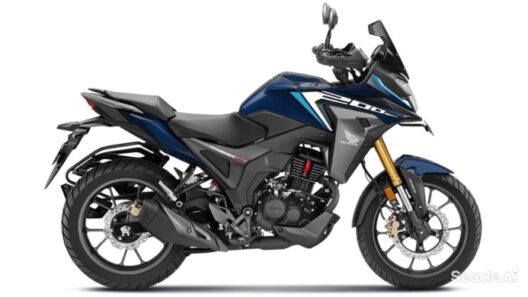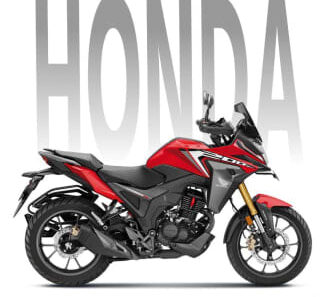

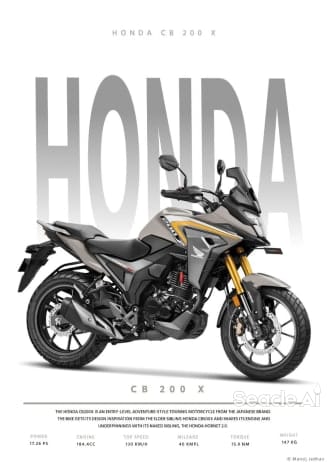

Quick statement up front: the Honda CB200X aims to sit between commuter bikes and light adventure-style machines, offering a comfortable upright position, practical ergonomics, and a focus on daily usability. The Honda CB200X appears targeted at riders who want a versatile 200cc machine that is friendly in traffic, easy to live with, and ready for weekend trips. Below I cover confirmed notes and widely reported expectations, list the key numbers in plain language, point out an obvious limitation, and compare the model against a well-known 200cc option so you can decide if it fits your needs.
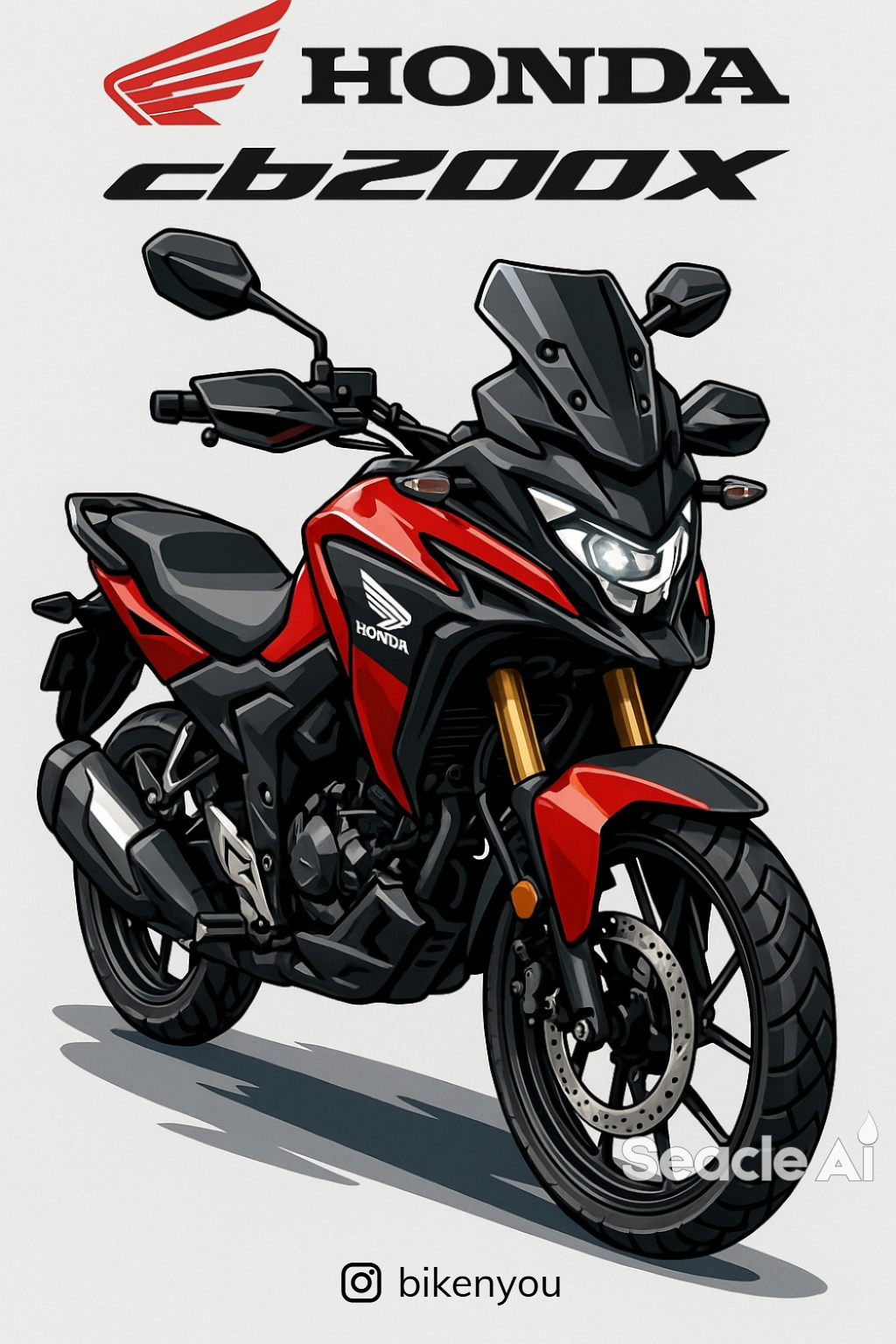
Table of Contents
- What is the Honda CB200X and who is it for?
- Honda CB200X specifications
- Safety, comfort, and technology
- Limitations and real-world drawbacks
- Comparison: Honda CB200X vs Bajaj Pulsar NS200
- Frequently Asked Questions
- Conclusion
What is the Honda CB200X and who is it for?
The CB200X is being positioned as a compact, road-focused motorcycle with upright ergonomics, modest wind protection, and enough power for urban and short highway travel. It sits in the 180–220cc neighborhood where riders often want more punch than a 150cc commuter but do not need the complexity or cost of a full-size motorcycle. Expect a friendly riding posture, a slightly taller seat and suspension travel compared with a strict street commuter, and a look that borrows from touring and adventure styles without going full off-road.
Who should consider this bike?
- Commuters who want more overtaking power on highways without sacrificing city maneuverability.
- Riders who prefer upright ergonomics for comfort over long short- to medium-distance rides.
- Beginner to intermediate riders who want a forgiving engine and easy-to-use controls.
- People who occasionally carry a pillion and light luggage but do not plan heavy-duty touring.
Design intent and practical use
The design language suggests Honda wanted a bridge model: not a hardcore enduro, nor a stripped-down sportbike. Ground clearance, suspension travel, and handling geometry look aimed at tarmac-first rides, with light gravel or well-maintained dirt tracks possible when necessary. Think of it as a bike that will sit solidly at traffic lights, handle a weekend escape, and give you confidence for steady highway runs at legal speeds.
Honda CB200X specifications
Below I separate items that are confirmed from those that are reported or expected. Where details are not officially released, I mark them as expected or rumored and explain why that value is realistic based on platform and market positioning.
Confirmed
- Model name confirmed as Honda CB200X in Honda communications and filings for several markets as of late 2025.
- Manufacturer positioning: a road-biased 200cc segment offering practicality and an upright riding position.
Expected / Rumored specifications (as per reports, likely to change)
- Engine type: Single-cylinder, liquid-cooled, fuel-injected unit in the 185–200cc range. This layout is common for modern 200cc Hondas and balances economy and usable torque.
- Power: Expected around 16–19 PS (metric horsepower). That is sufficient for smooth city acceleration and confident overtakes without being high-strung.
- Torque: Likely in the 16–18 Nm window, tuned for low- to mid-range tractability where most everyday riding happens.
- Top speed: Real-world top speed likely 115–135 km/h depending on gearing and rider weight. That makes the bike capable of steady highway cruising but not aimed at chasing high-speed performance numbers.
- Mileage: Expected fuel economy in the 35–45 km per litre range under mixed riding, depending on rider style and traffic. Expect better numbers in steady-state highway use.
- Seat height / Minimum recommended rider height: Seat height likely 800–830 mm. That translates to a practical minimum rider height near 165 cm (5 ft 5 in) for confident flat-footed reach to the ground. Taller riders will find the ergonomics comfortable.
- Transmission: 6-speed gearbox is expected, giving a good spread for city flexibility and highway cruising RPM.
- Kerb weight: Likely to be in the 150–165 kg range, balancing fuel capacity and practical components.
- Tank capacity: Expected around 12–14 litres, giving a reasonable range of 400–500 km per fill depending on riding style.
Plain-language translation of the numbers
- If you ride mostly in the city with a little highway, expect brisk mid-range acceleration and easy, non-aggressive passing power.
- For two-up riding, speeds and fuel economy will drop, but the bike should remain stable for short trips with a pillion.
- These expected specs put the model squarely in the practical 200cc class: comfortable and usable rather than track-focused.
Safety, comfort, and technology
Honda tends to equip bikes in this segment with a mix of mechanical simplicity and useful modern aids. Reported and likely features include:
- Braking: Front disc with ABS as standard or at least single-channel ABS on the front wheel. Dual-channel ABS is a possibility on higher trims depending on market rules and pricing strategy.
- Suspension: Telescopic fork up front and a monoshock at the rear with moderate travel. Expect a setup tuned for comfort more than hard cornering.
- Instrumentation: A full digital LCD or semi-digital cluster showing speed, gear position, fuel, trip meters and a possible economy readout. Connectivity features such as basic phone pairing could be an optional extra in some regions.
- Lighting: Full LED lighting for headlamp and tail, offering better visibility with lower power draw.
- Comfort: Upright handlebars, neutral footpeg position for reduced fatigue, and a seat profile aimed at longer short rides.
- Practical touches: Small flyscreen or wind deflector, rack compatibility for soft luggage, and engine guard/skirts in some trims.
Safety trade-offs often come down to ABS configuration and tyre choices. Expect tyres sized for road grip and longevity rather than off-road grip.
Limitations and real-world drawbacks
A clear limitation to state up front is that the Honda CB200X is not intended for serious off-roading. If your plan is technical trails, deep sand, or heavy gravel, this style of bike will show its limits quickly. Its suspension, tyre profile, and likely power delivery are tuned for paved surfaces and light graded tracks.
Other realistic drawbacks to consider
- Suspension compromise: If tuned for comfort, the suspension will absorb bumps well but may feel soft under aggressive cornering or with heavy loads.
- Average mileage vs outright range: While fuel economy is expected to be respectable, a smaller tank and real-world city riding can reduce range between fuel stops compared with larger touring bikes.
- Performance limits: This model will not match higher-output 200cc or 250cc performance in top speed or quick lap-times. That is a design choice in favour of everyday usability.
- Maintenance and parts: Availability of parts and service costs will depend on the market and the dealer network. Honda’s service reputation is solid, but ownership costs should be checked locally before purchase.
To use an analogy: imagine how wet sand holds together for a steady duration, but once conditions change it can crumble. Similarly, the CB200X is engineered to perform consistently on predictable surfaces; push it into situations it is not designed for and the structure that makes it good can break down.
Comparison: Honda CB200X vs Bajaj Pulsar NS200
Below is a focused comparison that keeps the Honda CB200X as the reference and contrasts relevant numbers and practical outcomes against the Pulsar NS200. Where CB200X figures are not confirmed, I use expected ranges and mark them.
| Item | Honda CB200X (confirmed / expected) | Bajaj Pulsar NS200 (typical spec) |
|---|---|---|
| Engine and overall performance | Expected single-cylinder, 185–200cc; tuned for mid-range rideability rather than peak power. | 199.5cc liquid-cooled single-cylinder; higher peak power oriented toward sporty street performance. |
| Torque, top speed, mileage | Torque 16–18 Nm expected; top speed likely 115–135 km/h; mileage 35–45 kmpl expected. | Torque ~18.6 Nm; top speed around 140–150 km/h; mileage typically 30–35 kmpl depending on conditions. |
| Key features | Upright ergonomics, likely digital dash, LED lighting, practical wind protection. | Sportier ergonomics, aggressive styling, performance-focused chassis and brakes. |
| Price range | Expected to sit competitively in the 200cc segment; final pricing varies by market and trim and is likely to be announced at launch. | Generally priced as a performance-focused 200cc street bike; exact range depends on model year and region. |
| Intended user | Riders wanting comfort, daily usability, and occasional touring without a focus on peak performance. | Riders prioritizing sportier engine response and sharper handling in urban and twisty-road use. |
| Tank capacity | Expected 12–14 litres, prioritizing range and weight balance. | Often around 12 litres, providing similar real-world range with sportier consumption. |
| Braking systems and safety | Likely front disc with ABS standard on certain trims; dual-channel ABS possible on higher variants. | Disc brakes with single- or dual-channel ABS options depending on model year and variant. |
Which rider should pick which bike?
- If you value a relaxed, upright ride and want a bike that is easy to live with in daily traffic, the Honda CB200X is the more natural fit.
- If you want sharper acceleration, higher peak top speed, and sportier handling, choose the Pulsar NS200.
Frequently Asked Questions
What is the minimum height to ride Honda CB200X?
Reported seat height is likely in the 800–830 mm range. That normally makes a practical minimum rider height around 165 cm (5 ft 5 in) to allow a safe flat-footed stance. Individual reach and inseam matter more than height alone, so test-riding is recommended before purchase.
Is the Honda CB200X good for long highway touring?
The CB200X should be capable of medium-distance highway runs and short tours. However, it is not a dedicated long-distance touring machine. If you regularly plan multi-day rides with heavy luggage and high cruising speeds, a larger displacement touring bike will be a better choice.
Will the CB200X handle light off-roading?
Yes, for well-maintained gravel roads or farm tracks it will likely be fine. It is not designed for technical off-road use such as deep sand, steep rock sections, or long stretches of loose terrain.
Are the listed figures final?
Not all figures are confirmed at the time of writing. Items marked expected or rumored are based on industry reports and comparable platforms. Confirmed specifications will be posted when Honda issues an official technical sheet for the model in your market.
Conclusion
The Honda CB200X appears to be a carefully positioned option for riders who want a practical 200cc motorcycle with comfortable ergonomics and predictable performance. It is designed for everyday use, short-to-medium tours, and riders who prefer a friendly, manageable machine over outright performance. The main limitation to be clear about is off-road and hardcore touring capability. The bike is not ideal for technical trail riding or long-distance high-speed touring with heavy luggage.
Strengths you can expect include approachable power delivery, comfortable seating and riding position, and modern feature choices like LED lighting and a digital dash. Trade-offs may include a softer suspension setup compared with sportier 200cc bikes and potentially average real-world range depending on tank size and riding style. If you are choosing between a sport-focused 200cc and a comfortable everyday 200cc, the decision will come down to intended use: the CB200X leans toward comfort and usability, while sportier rivals favor peak performance.
Test rides, local dealer spec sheets, and hands-on ownership feedback will be the final arbiters of whether the CB200X matches your needs. For anyone planning to use a single bike for daily commutes, weekend escapes, and occasional pillion travel, this model looks worth a close, practical look.