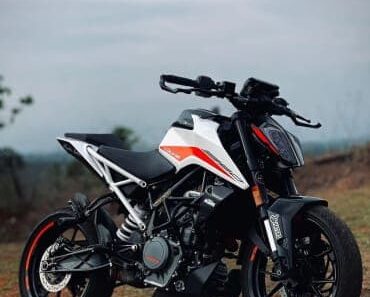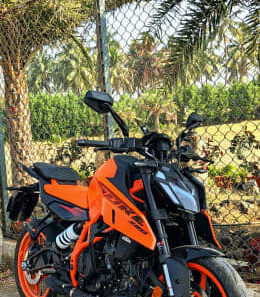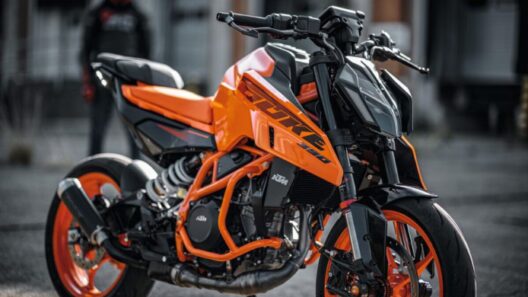
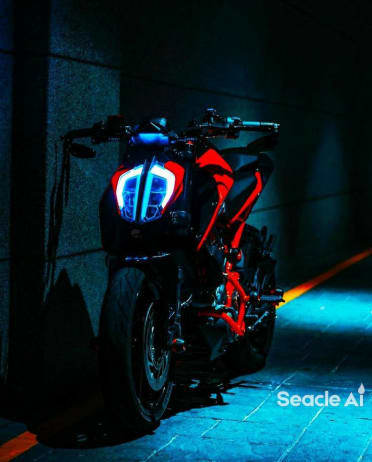

The KTM 390 Duke sits in a niche between lightweight commuter bikes and true middleweight sportbikes — a sharp, street-focused naked that appeals to riders who want high-rev character, low curb weight and responsive handling without a full fairing. In crowded city traffic it accelerates eagerly from low revs; on short, twisty roads it feels nimble and eager. This review explains what it is, who it fits, key specs, real-use observations and why it isn’t the right tool when your plan includes heavy luggage or long highway touring.
Table of Contents
- What kind of vehicle and who is it for
- Key specifications: engine, power, torque, top speed, mileage, height, transmission
- Pricing and 390 Duke price (India context)
- Safety, comfort and technology features
- Real riding experience and common limitations
- Comparison with Kawasaki Z400
- Pros, cons and who should avoid it
- FAQs
- Conclusion
What kind of vehicle and who is it for
The KTM 390 Duke is a compact naked sportbike with a high-revving single-cylinder engine and a chassis tuned for brisk urban and backroad performance. It’s best for:
- Riders who prioritize agility and quick steering over long-distance comfort.
- City commuters and weekend riders who want a bike that’s light (around 170 kg curb) and responsive.
- Those who value modern electronics in a simple package: ride modes, ABS and TFT display.
Shorter riders usually notice the tall 830 mm seat first — practice and confidence with foot placement matter more than raw numbers.
Key specifications: engine, power, torque, top speed, mileage, height, transmission
Core confirmed specs (as sold through 2025):
- Engine: 373 cc liquid-cooled single-cylinder, DOHC
- Power: ~43.5 PS (32 kW) at ~9,000 rpm
- Torque: ~37 Nm at ~7,000 rpm
- Top speed: ~165–175 km/h (factory and real-world vary with load and wind)
- Mileage: real-world ranges 22–28 km/l in Indian riding conditions; heavy urban traffic drops this toward the lower end
- Seat height: 830 mm (kerb height)
- Transmission: 6-speed with slipper clutch
- Fuel tank: 13.4 litres
These numbers explain why the bike feels punchy in town yet usable on highways — but don’t expect silky twin-engine refinement at high speeds. The single cylinder delivers clear power pulses; that’s character, and also more vibration under heavy throttle.
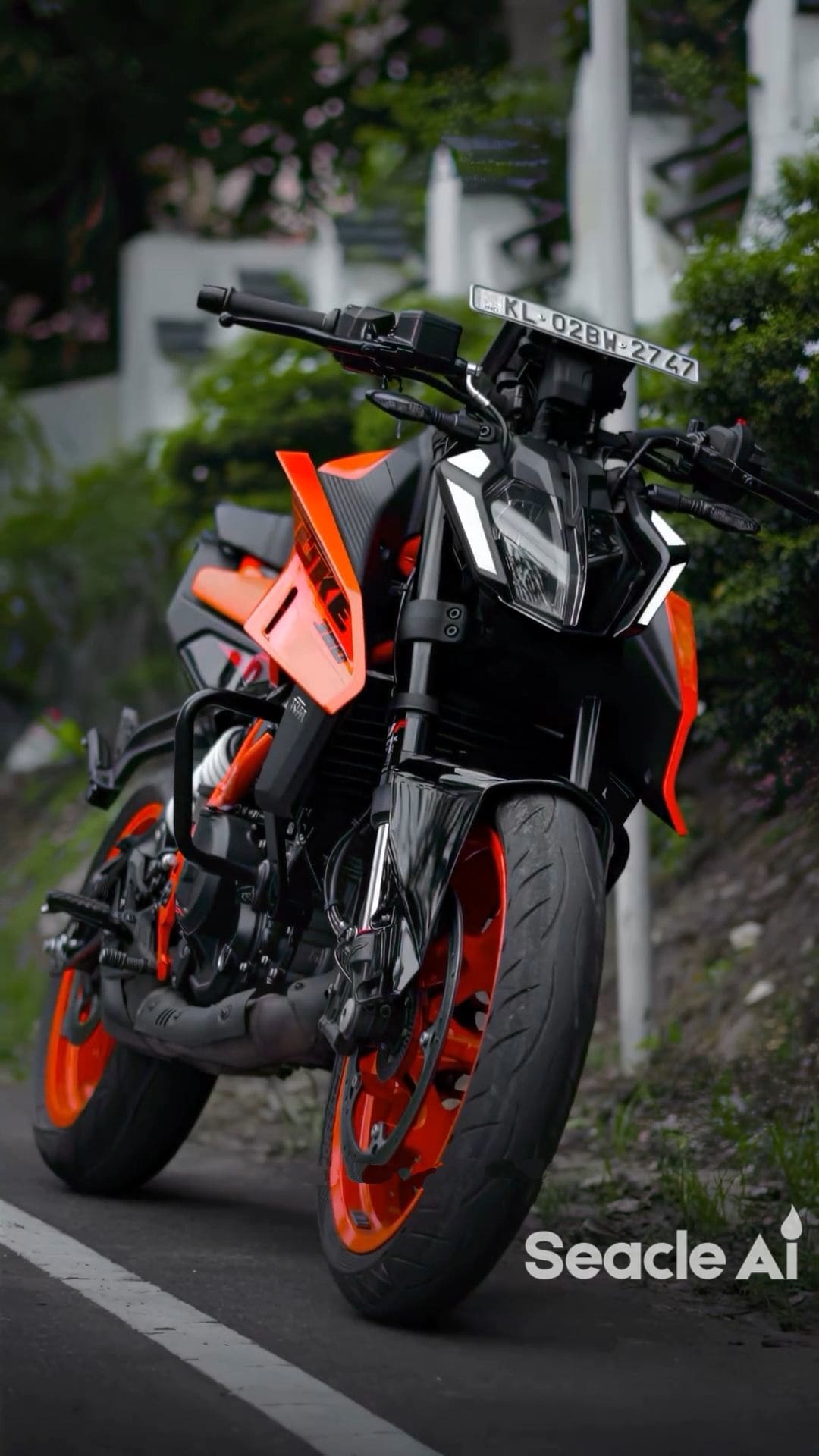
Pricing and 390 Duke price (India context)
As of 2025–2026 the KTM 390 Duke typically sits in the INR 2.8–3.5 lakh ex-showroom bracket in India depending on city and model year updates. Ownership costs to consider:
- Higher service intervals are reasonable, but replacement parts (clutch, tyres) lean toward premium compared with commuter bikes.
- Insurance and maintenance for a 373 cc performance bike are meaningfully higher than for 150–200 cc alternatives.
If you’re budget-conscious, factor in tyre life (typically 6–12k km depending on use) and the cost of periodic valve checks — this bike rewards timely maintenance.
Safety, comfort and technology features
Key technology and safety items:
- Full-colour TFT display with Bluetooth connectivity and navigation prompts (turn-by-turn pairing).
- Dual-channel ABS, cornering ABS often present in later model years and software updates.
- Ride-by-wire with selectable ride modes (Street, Rain, Sport) — these meaningfully alter throttle feel and traction control thresholds.
- WP suspension (USD fork and monoshock) tuned for firm handling rather than plush long-distance comfort.
Practical consequence: the electronics improve everyday controllability in rain and on uneven surfaces, but the firm suspension amplifies rider fatigue on long, broken roads. This matters more than it seems when you plan multi-hour rides.
What is the minimum height to ride the KTM 390 Duke / rider height requirement
With an 830 mm seat, a safe minimum height for confident hill starts and foot-down moments is typically 165–170 cm. Riders around 160–165 cm can manage with careful technique and some practice, but most shorter riders feel less secure at traffic lights and low-speed manoeuvres.
Check Price — compare local dealers and year-to-year offers when budgeting.
Real riding experience and observations
On city commutes the engine’s punch makes overtakes effortless; throttle is direct and the slipper clutch smooths downshifts. However, two practical points surface during everyday use:
- Heat and vibration: long traffic crawls produce engine heat that becomes noticeable around the inner thigh after 30–45 minutes in warm Indian summers.
- Fatigue over time: the firm seat and sporty ergonomics increase lower-back and wrist strain after 2–3 hours compared with more relaxed street bikes.
The chassis lets you flick the bike through corners quickly — lighter riders feel this agility earlier. The trade-off appears during longer rides where comfort losses add up; the bike is engineered more like a compact race car’s handling than an interstate tourer’s suspension.
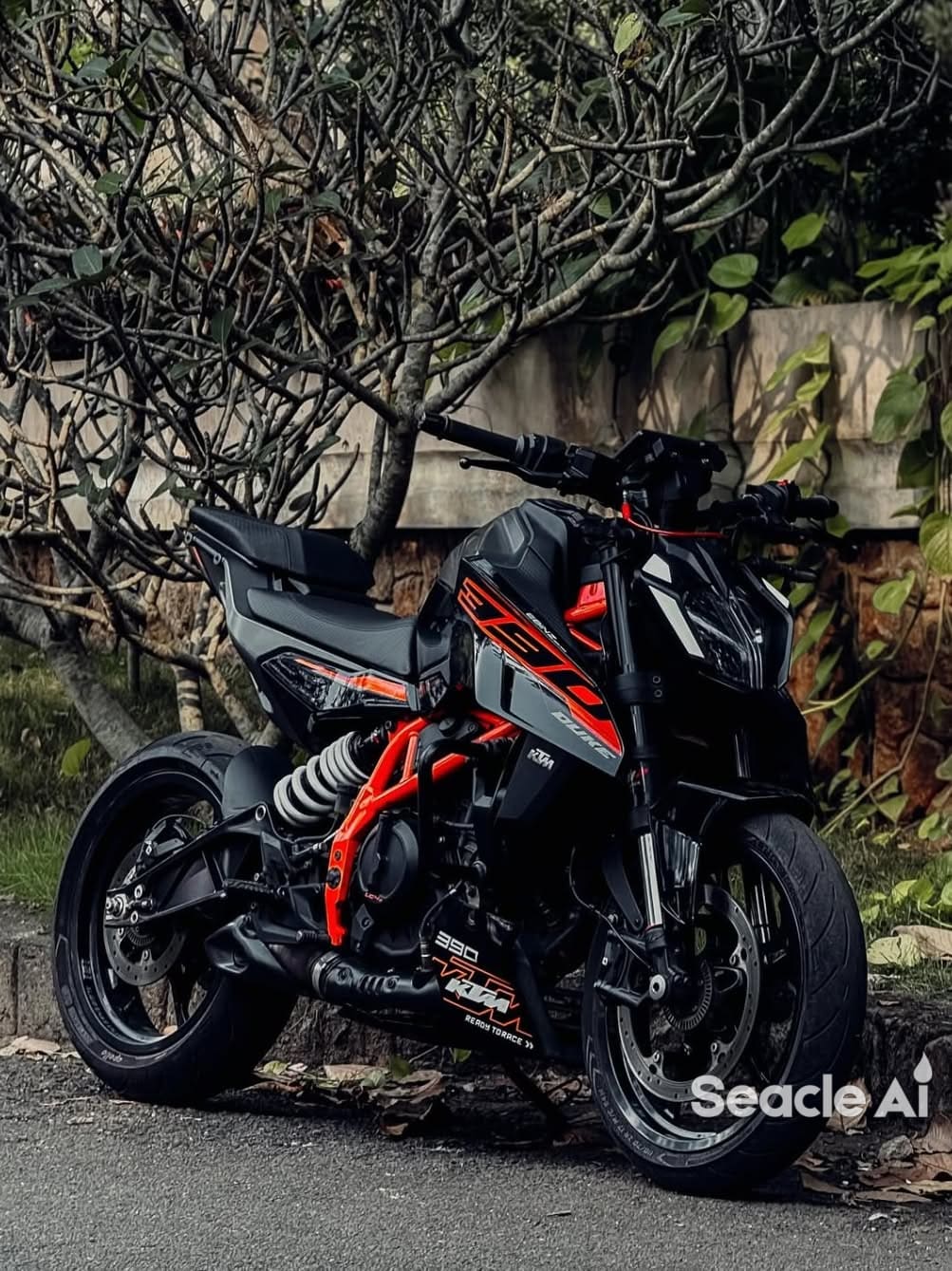
Comparison with Kawasaki Z400
Below is a focused table followed by nuanced commentary covering the requested points.
| Topic | KTM 390 Duke | Kawasaki Z400 |
|---|---|---|
| Engine & overall performance | 373 cc single-cylinder, peaky mid-to-high rev power, very light handling | 399 cc parallel-twin, smoother power delivery, stronger midrange |
| Torque, top speed, mileage | ~37 Nm; top ~170 km/h; mileage 22–28 km/l | ~38–39 Nm; top ~180–190 km/h; mileage ~18–22 km/l |
| Key features | TFT display, ride modes, slipper clutch, WP suspension | Simple TFT or analogue combo on some trims, traction control on later models, Showa fork on certain years |
| Price range (approx.) | INR 2.8–3.5 lakh (ex-showroom, India) | INR 3.2–4.0 lakh (import costs and dealer variation) |
| Recommended rider | Riders who want light, sharp handling and lower weight | Riders who want smoother power and easier high-speed stability |
| Tank capacity | 13.4 L | ~14 L |
| Braking & safety | Single-disc front (radial caliper), dual-channel ABS; strong bite | Single-disc front (two-piston), dual-channel ABS; slightly more stable at high speed |
Concise verdict: the KTM 390 Duke favours agility and low weight; the Z400 favours twin-engine smoothness and a calmer high-speed character. If you spend most time in city and twisty roads, the 390 rewards with liveliness; if steady-state highway cruising and smoother power matter, Z400 nudges ahead.
Pros, cons and who should avoid it
Pros
- Sharp handling, easy to flick through traffic
- Modern electronics and a usable powerband for spirited street riding
- Relatively low curb weight improves braking and cornering
Cons & limitations
- Tall seat and firm suspension — not ideal for long, fully-loaded touring
- Average fuel economy in city traffic; expect lower mileage under heavy throttle
- Premium maintenance and replacement parts compared to small-capacity commuters
Who should avoid it: riders planning regular long-haul touring with luggage, frequent pillion and heavy loads, or those wanting the smoothest possible engine at highway speeds.
FAQs
- Q: What is the minimum height to ride the KTM 390 Duke?
- A: For confident footing and control, 165–170 cm is a practical minimum; shorter riders can manage but should test a showroom model for comfort.
- Q: What sort of mileage does the Duke 390 mileage deliver in city use?
- A: Expect 22–25 km/l in mixed Indian city riding. Highway cruising at steady speeds can push numbers to the high-20s.
- Q: Is the KTM 390 Duke good for two-up riding?
- A: It can carry a pillion but the suspension and ergonomics are tuned for solo sportiness — longer two-up trips become tiring faster than on heavier, touring-oriented bikes.
- Q: How does the KTM 390 Duke compare price-wise to the Kawasaki Z400?
- A: As of 2025, the Duke generally sits slightly lower in list price than a Z400 in many markets, but dealer premiums and import costs can alter the local gap.
Conclusion
The KTM 390 Duke is a focused urban sportbike: light, quick and packed with usable electronics. It excels when you value agility, crisp throttle response and minimal mass. The clear limitations are its tall seat, firm suspension and less-than-stellar long-distance comfort; don’t buy it if your primary use is heavy touring or carrying regular pillions with luggage. For city-focused riders and those who favour spirited backroad runs, it’s a compelling choice — just budget for higher maintenance and accept the trade-offs.
View Product at your nearest dealer and take a long test-ride; compare tyres, suspension settings and seat feel before deciding.
URL slug: ktm-390-duke-review-specs-comparison
Meta title: Practical Review: KTM 390 Duke — Specs, Real Use & Z400 Comparison
Meta description: KTM 390 Duke is a compact naked sportbike with a 373 cc single-cylinder engine, ~43.5 PS and agile handling — ideal for city and twisty roads, but not designed for long highway touring.
Image alt text 1: KTM 390 Duke side profile on road
Image alt text 2: KTM 390 Duke cockpit and TFT display