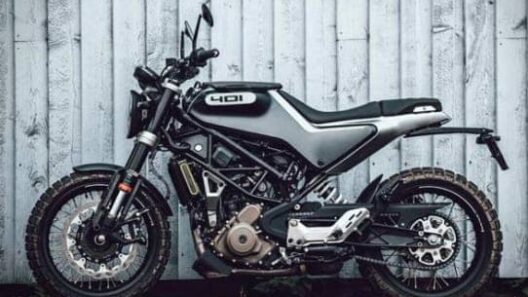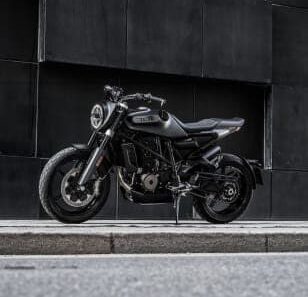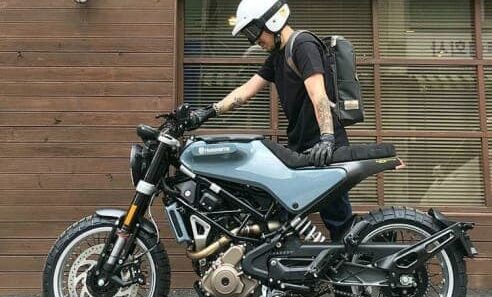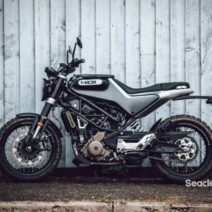
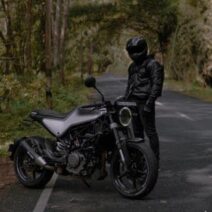
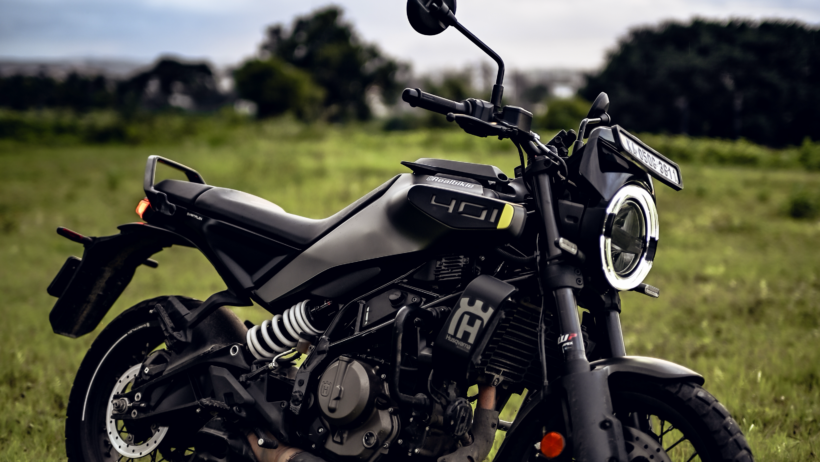

The Husqvarna Svartpilen 401 is a compact urban-oriented single-cylinder motorcycle built around a lightweight chassis and minimalist styling. It’s aimed at city commuters and weekend riders who want a nimble, upright machine with a distinct look rather than a full-on sportbike or adventure bike.
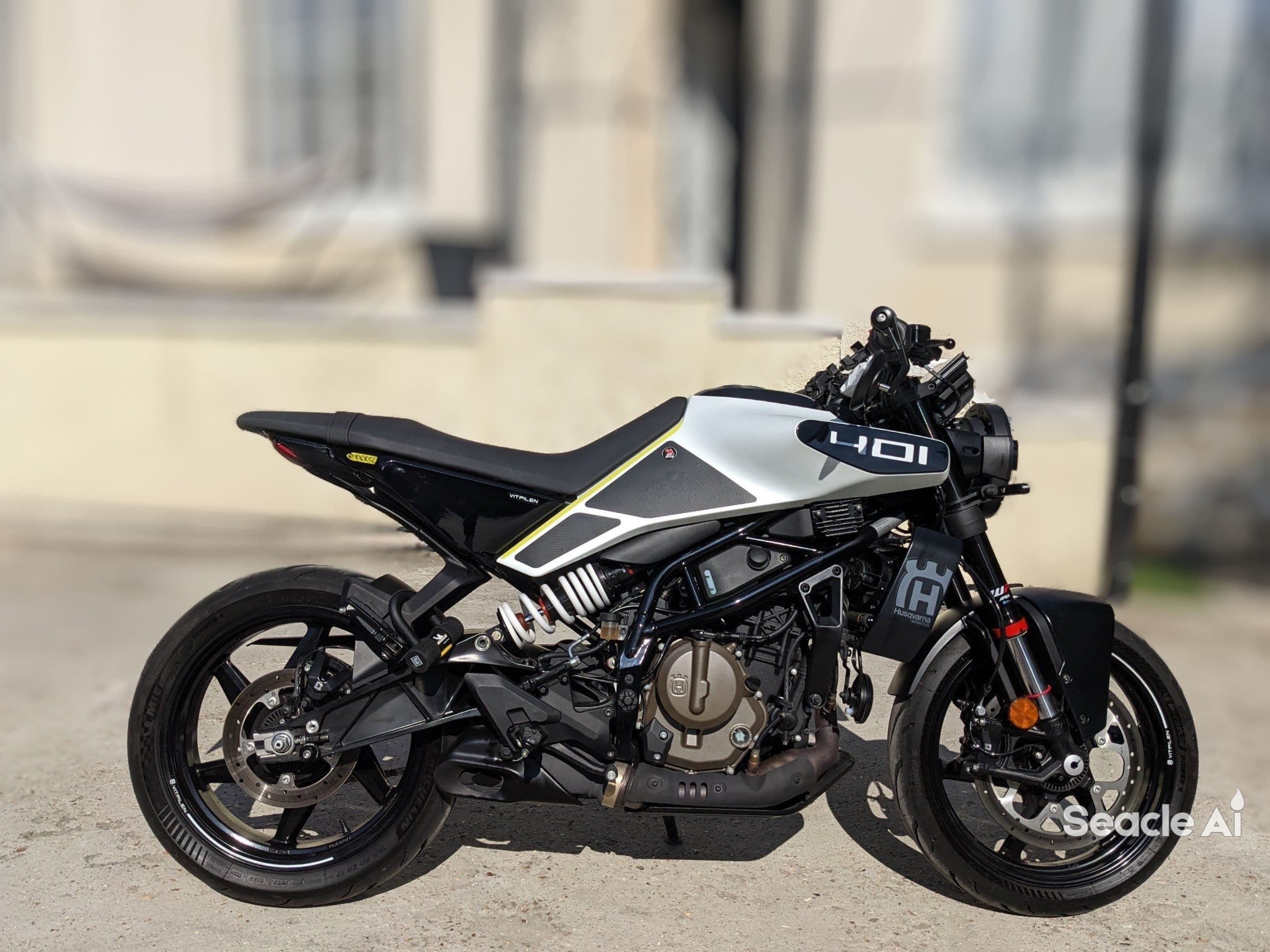
What type of vehicle and who it is for
This is an urban naked bike with a single-cylinder 373–390cc class powerplant (depending on model tuning). It’s designed for short-to-medium commutes, twisty backroad fun, and easy city manoeuvres. If you spend most days in stop-and-go traffic, value light curb weight, and want striking Scandinavian design, this fits. If your typical ride includes long interstate runs with two-up luggage, you should probably look elsewhere — the ergonomics and fuel range are tuned for shorter trips.
Key specifications (401 engine specs)
Below are the core confirmed figures any practical buyer will check:
- Engine: single-cylinder, liquid-cooled, DOHC; displacement around 373–390cc (trade names and exact deck height vary by market).
- Power: roughly 43–44 PS at ~9,000 rpm (as homologated in 2025/2026 models).
- Torque: about 37–38 Nm at ~7,000 rpm.
- Top speed: electronically limited to roughly 140–150 km/h in many markets; real-world cruising comfortable up to 120 km/h for long stretches.
- Mileage: expect 25–30 km/l in mixed urban use; highway economy improves toward 30–33 km/l at steady 80–90 km/h.
- Transmission: 6-speed manual with a slipper clutch on later 2025–2026 updates.
- Weight: dry/kerb weight in the 165–170 kg range, which is part of why it feels nimble in traffic.
Confirmed specs can vary slightly by market due to emission tuning; some regions have small detunes for compliance. That affects top-end power more than low-end tractability.
Seat height and minimum height to ride (seat height)
Seat height is approximately 835 mm. As a practical rule, riders need about 5’6″ (168 cm) to flat-foot or feel secure at stops; shorter riders usually notice this first. The footpeg position is mid-high, which helps cornering clearance but can make long rides slightly tiring for taller riders.
Minimum height to ride the bike: most riders under 165 cm will want to try it in person and consider lowering solutions; a small change in saddle or a lower seat option can improve confidence at traffic lights.
Safety, comfort and technology
- Brakes: front radial-mount caliper with 320mm disc and rear single disc; dual-channel ABS standard in 2025/2026 models.
- Suspension: WP-derived front fork and shock with basic adjustability. The setup favors responsiveness over plush comfort — you feel road texture in city potholes.
- Rider aids: ride-by-wire throttle, switchable ABS, and sometimes traction control depending on market and year.
- Comfort: the seat is narrow and firm — good for short rides and active riding, but fatigue builds after 2–3 hours on open roads.
One real-world consequence: the firm suspension keeps handling crisp at the expense of absorbing repeated urban bumps; on badly potholed streets you’ll notice more rider fatigue than on a softer commuter bike.
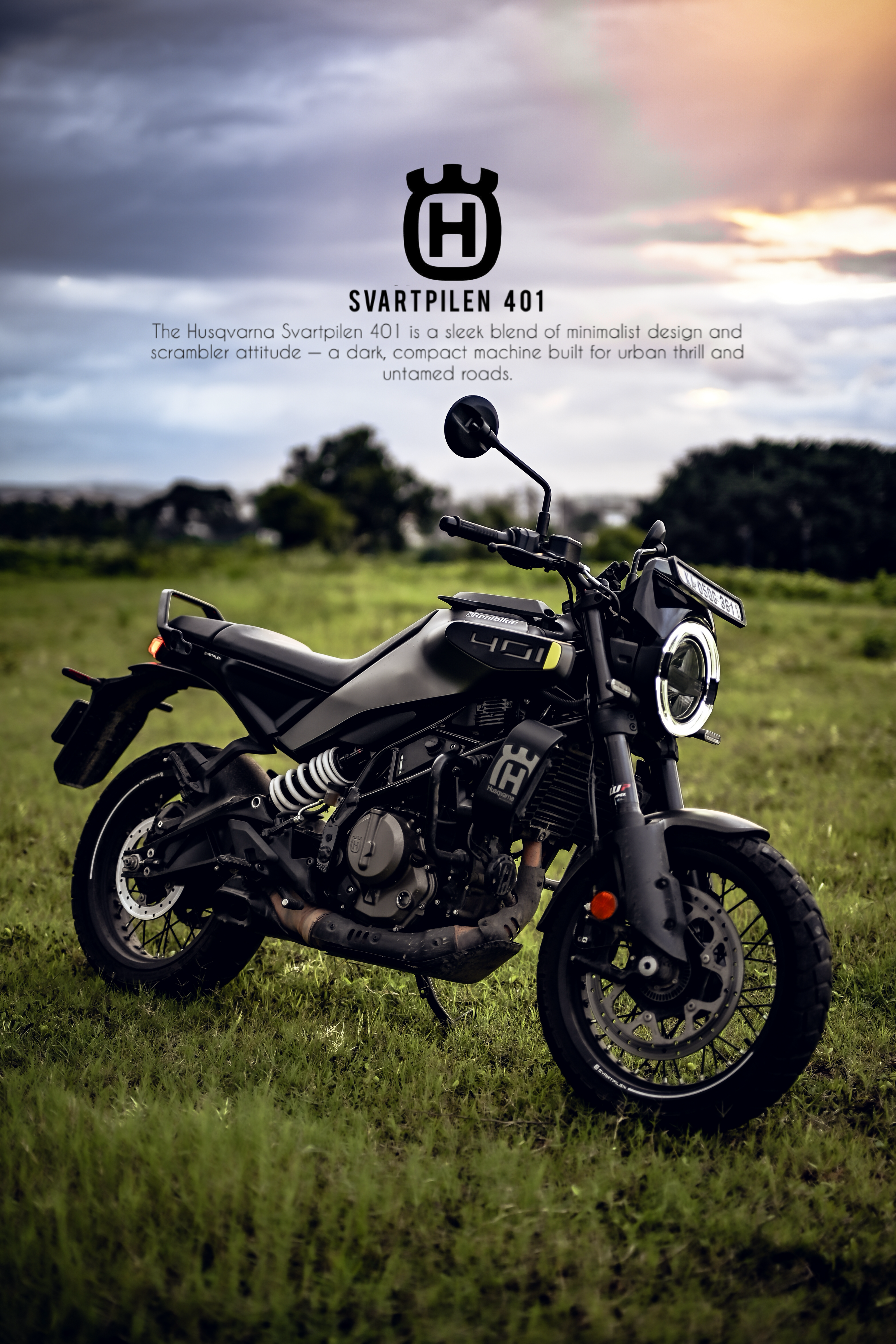
Svartpilen 401 vs KTM Duke 390 comparison
| Item | Svartpilen 401 | KTM Duke 390 |
|---|---|---|
| Engine & Performance | Single-cylinder ~373–390cc, ~43–44 PS, tuned for mid-range torque and street manners. | Single-cylinder 373–390cc, ~43–44 PS, slightly sharper throttle mapping and sportier top-end feel. |
| Torque / Top Speed / Mileage | ~37–38 Nm; top ~140–150 km/h; 25–33 km/l depending on use. | ~37–38 Nm; top ~145–155 km/h; similar mileage but often a touch thirstier under hard riding. |
| Key Features | Minimalist styling, upright ergonomics, firm WP suspension, often slipper clutch and ABS. | Aggressive ergonomics, sharper TFT options on higher trims, quickshifter availability, more aggressive chassis tuning. |
| Price Range (India example, 2026) | Expected ₹2.65–3.10 lakh ex-showroom (varies by dealer and localization). | ₹2.50–3.00 lakh ex-showroom, with more aggressive value packing in some trims. |
| Which user? | Buy if you want a stylish, comfortable upright city bike that handles lively roads with ease. | Choose if you want sharper on-road performance, track-day potential, and marginally sportier electronics. |
| Tank & Brakes | Tank ~9–10 L; strong front radial caliper and dual-channel ABS. | Tank ~13–13.5 L; similar brakes, often with option packages for TFT and quickshifter. |
Real-world usage and observations
Riding around town, the lightweight chassis lets you flick through traffic easily. Throttle is linear, so in tight corners you’re less likely to be surprised. This matters more than it seems when filtering fast. However, under sustained highway speeds the narrow tank and upright wind exposure make long stints tiring; fuel stops happen sooner given the ~9–10L tank. Short trips are where it shines.
Observation: on rough city surfaces you’ll feel more feedback through the handlebars than on softer commuter bikes; some will appreciate the “connected” feel, others will get sore wrists after long blocks of cobbles. Most people overlook this until the first 90-minute ride.
Pros, cons and limitations
- Strengths: light handling, distinctive styling, usable mid-range torque, modern brakes and ABS.
- Drawbacks: not ideal for long highway touring (limited tank, wind protection), firmer suspension increases rider fatigue on poor roads, maintenance costs can be higher than local commuter bikes.
- Who should avoid it: riders needing long-distance comfort, heavy luggage capacity, or pure off-road capability.
Alternatives and buying advice
If you want the same engine in a sportier chassis, consider the KTM Duke 390. For better touring comfort, look at larger-displacement naked bikes with 14–15L tanks and softer suspension. Test-ride with your usual commute route and simulate a 90–120 minute run — comfort and ergonomics reveal themselves quickly.
Check Price at local dealers and compare warranty/servicing packs before deciding. Financing and service network matter more over three years than a small spec difference.
FAQs
- What is the seat height and can a shorter rider manage it?
- Seat height ~835 mm. Shorter riders (under ~165 cm) often need to try it; lowering seats or peg adjustments help but change handling feel.
- How fuel-efficient is the bike in city conditions?
- Expect 25–30 km/l in heavy city traffic, improving to low 30s on steady state highway rides at moderate speeds.
- Is the Svartpilen 401 good for beginners?
- It’s manageable for confident beginners because of linear power and light weight, but the seat height and firm suspension can be challenging for absolute novices.
- How does maintenance compare to KTM Duke 390?
- Service intervals are similar (6–10k km), but parts and labour for Husqvarna-branded parts sometimes cost a bit more in certain markets; local dealer availability affects total cost.
- Does it have traction control and ABS?
- Yes — dual-channel ABS is standard in recent 2025–2026 models and traction control is available or standard in many trims depending on market.
Conclusion
The Svartpilen is a focused urban naked bike that rewards city riders and style-conscious commuters with light weight, responsive steering, and usable mid-range performance. Its limitations are concrete: not a long-haul tourer, limited tank capacity, firmer suspension, and slightly higher running costs compared with local commuter models. If short daily commutes, occasional spirited weekend rides, and distinctive looks matter to you, it’s a solid choice. If you need long-range comfort or frequent two-up touring, consider a different platform.
Buy Now only after a test ride that includes your typical commute and a short expressway stretch to verify ergonomics and fatigue levels. This helps you match the bike to how you’ll actually use it.