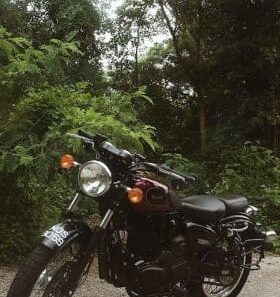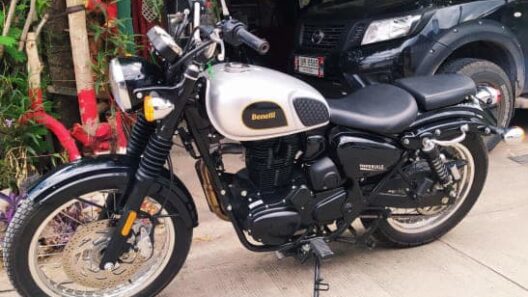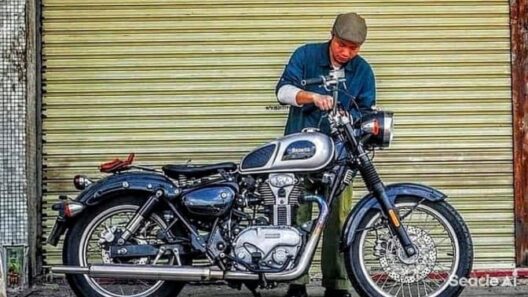
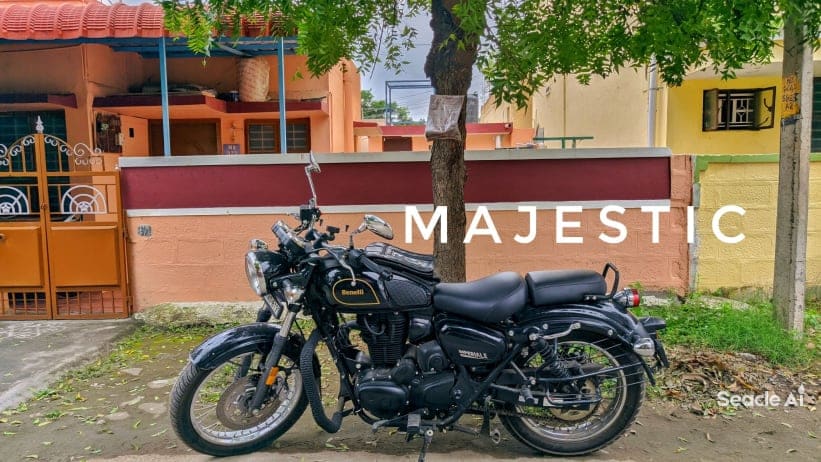

Benelli Imperiale 400 arrives as a straightforward, retro-styled cruiser aimed at riders who prefer relaxed pace, simple mechanics, and a classic silhouette rather than cutting-edge performance. In daily life it’s easy to live with: manageable power, predictable handling and a posture that suits commuting and relaxed weekend runs. That said, it’s not the choice if your priority is high-speed touring, off-road capability, or load-carrying for long trips.
Introduction and first impressions
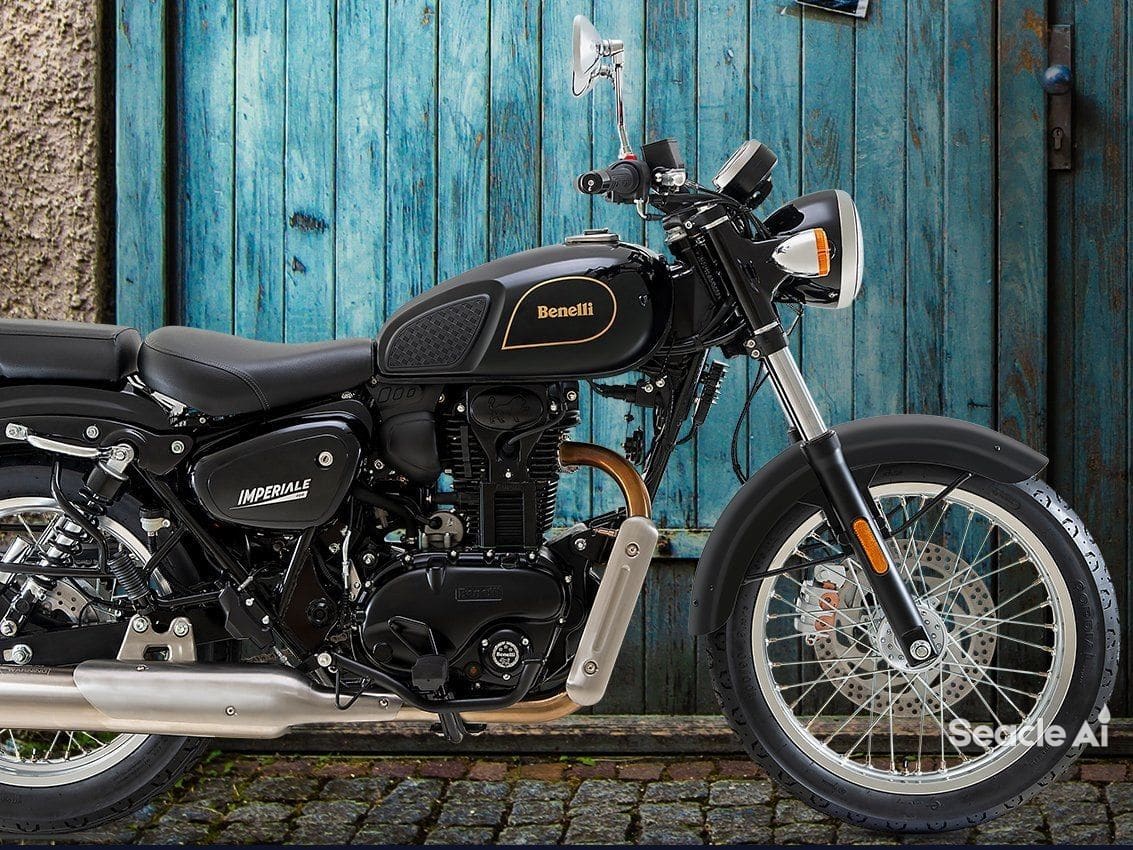
The Imperiale’s styling borrows from mid-century cruisers: round headlamp, long low-slung tank, simple chromed accents. It’s a visual choice as much as functional — riders who appreciate a calm, mechanical character will like the restrained instrument layout and the uncluttered ergonomics. Short rides feel effortless; longer ones expose the limits of its 373cc single-cylinder heart and basic suspension.
Who the classic cruiser bike suits
Think of the bike as an urban weekend companion more than an interstate workhorse. It suits:
- New to intermediate riders wanting a comfortable upright posture and easy throttle delivery.
- Riders looking for a classic cruiser bike that’s simple to maintain and visually distinct in traffic.
- City commuters who value low-speed tractability over brisk acceleration.
Who should avoid it: touring riders who expect sustained 110–120 km/h cruise speeds, heavy pillion-and-luggage setups, or riders seeking aggressive cornering and sharp suspension response.
Benelli Imperiale 400: Key Specifications (retro motorcycle specs)
Below are the core numbers you care about. These are the confirmed specifications used across markets (India figures may differ slightly due to final tuning and local equipment):
- Engine: 373.5 cc, single-cylinder, air-cooled (SOHC)
- Power: ~20–21 PS at around 5,500–6,000 rpm
- Torque: ~28–29 Nm at 3,000–4,000 rpm
- Top speed: about 120 km/h (real-world steady cruise closer to 100–105 km/h)
- Mileage: typically 28–33 kmpl in mixed Indian city/highway conditions
- Height (seat): seat height around 765 mm; ground clearance ~165 mm
- Transmission: 5-speed gearbox
- Kerb weight: approximately 195–205 kg
- Tank capacity: around 12 litres
Confirmed vs. market variance: these numbers are stable across official materials, but mileage and top speed depend heavily on rider weight, regional tuning, and road conditions — don’t expect showroom figures while riding fully loaded on hot summer highways.
Important features: safety, comfort and tech
Safety and tech are intentionally basic: a single-channel ABS (rear or front dependent on market), halogen lamp, analogue-dominated dash with a small digital readout. Comfort is where the Imperiale mostly competes:
- Seating: broad, plush saddle that minimizes pressure points for the first 2–3 hours; rider fatigue builds after longer stints compared to bikes with firmer, sculpted seats.
- Riding position: relaxed and upright; good visibility in traffic but limited wind protection at sustained highway speeds.
- Suspension: telescopic front and twin shock rear tuned for comfort on city surfaces; once you hit broken tarmac at speed, the springs feel soft and the rear can wallow with two-up riding.
Technology trade-off: the mechanical simplicity keeps maintenance easier and cheaper, but you lose modern ride aids like traction control, slipper clutch, or ride modes — which matters if you expect to ride aggressively or in poor grip conditions.
Real-world riding observations and limitations
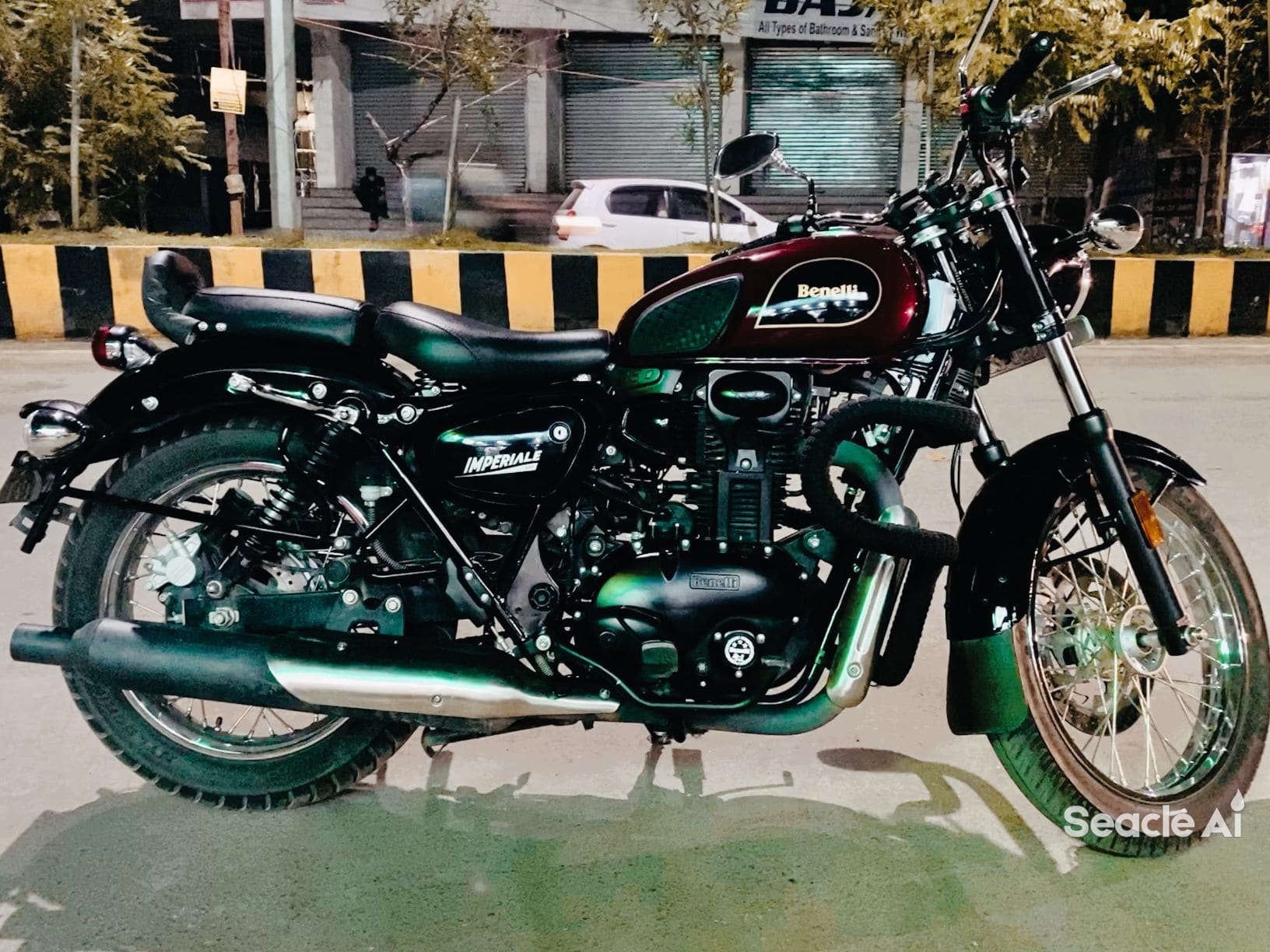
From practical use: the low rpm torque band makes stop-and-go traffic manageable — throttle is forgiving and predictable. However, during overtakes on undivided highways you’ll find the engine needs to be worked; overtakes from 60–80 km/h require downshifts. Shorter riders usually notice the reach to the pegs and the bike’s weight when maneuvering at low speed.
Maintenance tends to be straightforward but ask about parts availability and service frequency — some Benelli spares cost more than equivalent local brands. Heat from the engine becomes noticeable in slow traffic on hot Indian afternoons.
Mid-article call-to-action: Check Price — compare current offers and dealer packages before you decide.
Jawa Classic 350 comparison
Below is a focused comparison across the points riders ask about most:
| Aspect | Imperiale 400 | Jawa Classic 350 |
|---|---|---|
| Engine / Performance | 373.5 cc single, ~20–21 PS — slow-revving, torque-focused for relaxed riding | 293–334 cc (depending on variant), ~20–27 PS — modern tuning offers slightly quicker throttle response in higher variants |
| Torque / Top speed / Mileage | ~28–29 Nm; top ~120 km/h; mileage 28–33 kmpl | ~26–30 Nm depending on engine; top ~115–125 km/h; mileage typically 30–35 kmpl |
| Key features | Classic looks, simple dash, single-channel ABS, comfy seat | More modern variants offer slipper clutch, dual-channel ABS on higher trims, and refined fit-finish |
| Price range (India, approximate) | INR 2.10–2.50 lakh (ex-showroom) — market-dependent | INR 2.00–2.30 lakh (ex-showroom) — depends on variant and updates |
| Which user | Prefer relaxed pace, classic cruiser bike look, simpler tech | Want slightly sharper response, modern touches and better dealer support in some cities |
| Tank capacity | ~12 litres | ~14 litres (model-dependent) |
| Brakes & safety | Front disc with single-channel ABS; adequate but conservative stopping power | Often better braking packages on upper trims with dual-channel ABS and upgraded calipers |
Nuanced take: the Jawa can feel more modern and slightly peppier at city speeds, while the Imperiale trades that for a heavier, more laid-back personality. If you ride with a pillion often or cover longer distances, the Jawa’s options on higher trims may edge it ahead.
Alternatives and who should avoid it
Alternatives: If you want the same visual language but better usable performance, consider motorcycles with refined 350–450 cc engines and modern chassis tuning. Avoid the Imperiale if you regularly carry two adults with luggage, need quick highway overtakes, or expect advanced rider aids.
FAQs
What is the minimum height to ride Benelli Imperiale 400?
The seat height is about 765 mm, so riders around 5’2″ (157 cm) with enough confidence on tiptoes can manage it safely; shorter riders may feel less secure at stops due to overall weight. Most shorter riders notice balance issues during tight U-turns before anything else.
How many kmpl does the Imperiale deliver in real life?
Expect 28–33 kmpl in mixed urban and highway use. Heavy stop-start city use or spirited riding drops that number noticeably — usually by 10–15%.
Does the Imperiale 400 have ABS and modern tech?
Yes, but it’s basic: single-channel ABS on many market models, halogen lamp, and analogue-focused instruments. You won’t find traction control, ride modes, or advanced electronics.
Is the suspension suited for long highway tours?
The suspension favors comfort at moderate speeds. On long highway stints, especially with pillion or luggage, you’ll feel the limits — the rear can bottom out and the bike can become unsettled on long motorway expanses. For sustained touring, a bike with firmer springs and longer travel is better.
Conclusion
In short: the Imperiale 400 is a deliberate, easy-to-ride classic that suits riders wanting style, uncomplicated mechanics, and relaxed city-to-weekend use. Strengths are comfort in city riding, low-rpm tractability, and a distinctive classic cruiser bike presence. Drawbacks include limited high-speed ability, basic tech, and suspension that strains under heavy loads or long highway runs. If you crave modern features, stronger highway performance, or regular two-up touring, look elsewhere.
Final thought: buy this if you prioritize character and simple ownership; avoid it if you need brisk performance, advanced electronics, or motorway-focused touring comfort. Compare options and check local dealer offers before committing — prices and packages change quickly.
View Product | Compare Options