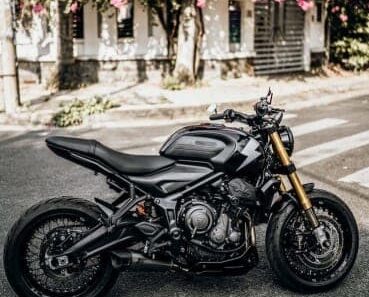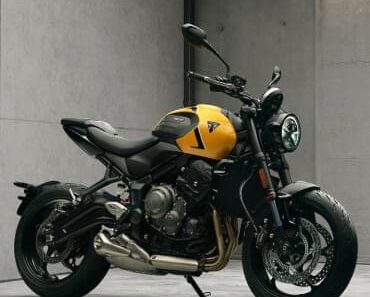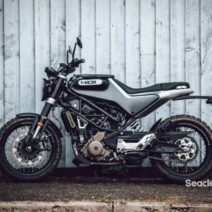

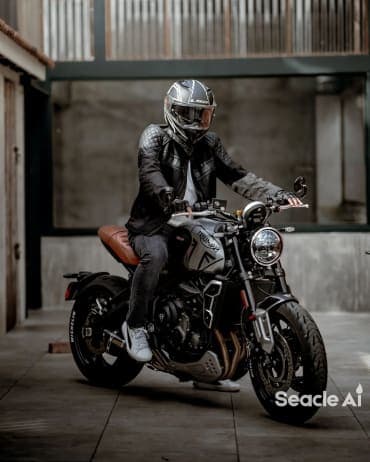

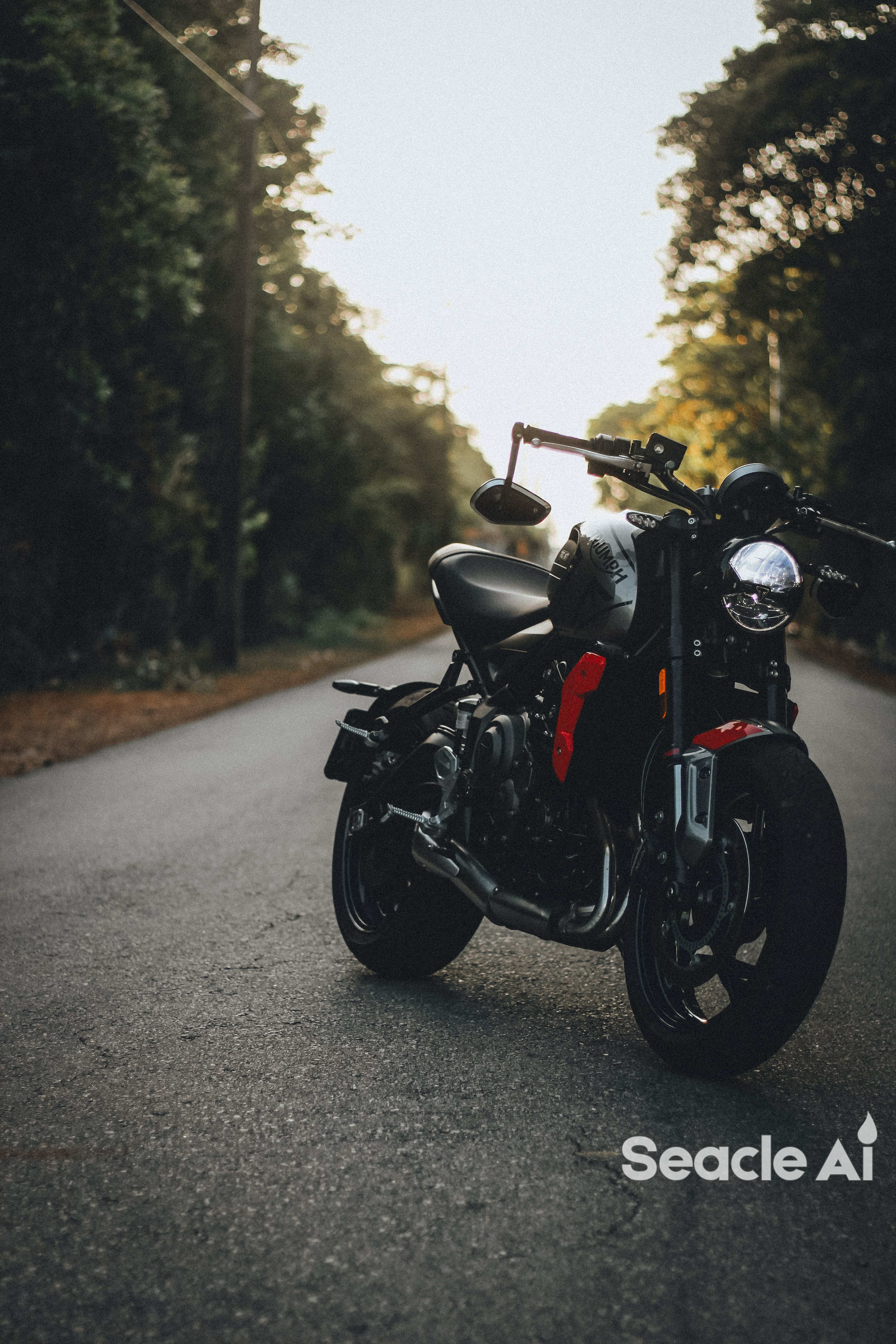
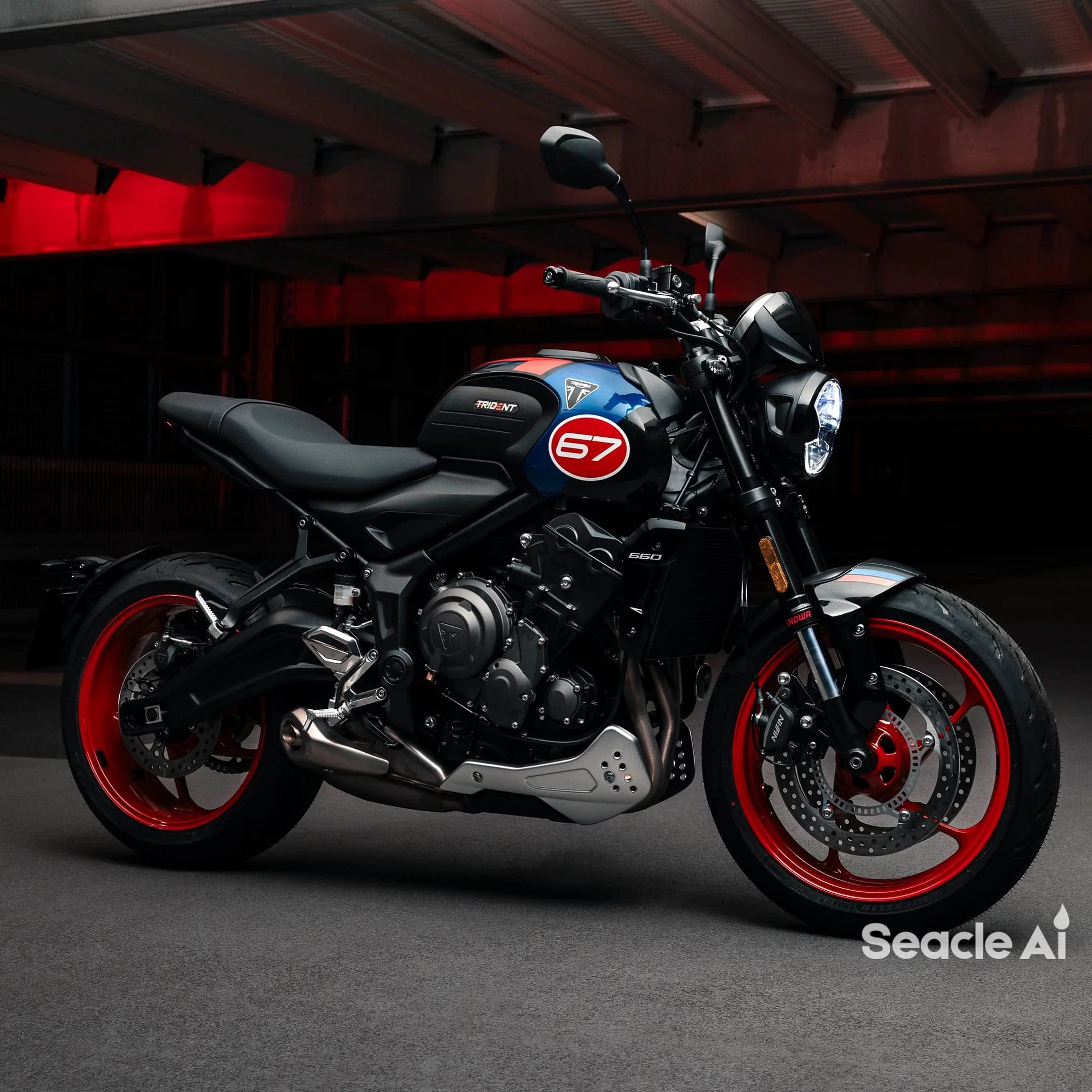
The Triumph Trident 660 sits in a crowded middleweight naked class but manages a clear identity: a compact, inline-three roadster aimed at riders who want sporty everyday usability without the fuss of a superbike. In simple terms, it’s a street-focused 660cc standard that balances punchy midrange power with easy ergonomics for commuting and weekend rides. This review explains what it is, who it fits, and where it doesn’t belong.
What it is and who it’s for
The Trident 660 is a middleweight naked bike designed for urban riders, light sport use and spirited weekend runs. Its ergonomics lean toward upright comfort—flat handlebar, neutral footpeg position—so it’s friendly for daily traffic and shorter tours. It’s a bike for someone who prioritises throttle feel and maneuverability over top-end lap times or heavy long-distance luggage carrying.
Who it’s for: riders transitioning from 500–600cc twins, those who want a manageable powerband in city traffic, and owners who value an engaging engine without a high learning curve. Who should avoid it: buyers wanting hardcore track toys, long-haul heavy touring rigs, or serious off-road capability.
Key bike specifications
Below are the core numbers presented simply. These are production figures that matter in daily use.
- Engine: 659cc liquid-cooled inline-three, DOHC
- Power: ~81 PS (80–82 bhp) at 10,250 rpm
- Torque: ~64 Nm at 6,250 rpm
- Top speed: ~220 km/h (manufacturer-related, varies by conditions)
- Mileage: 18–22 km/l in mixed use (city heavy throttle lowers actual to ~14–16 km/l)
- Seat height: 805 mm
- Transmission: 6-speed with assist-and-slipper clutch
- Kerb weight: ~189 kg
Confirmed vs. variable: the engine and transmission specs are confirmed for global models; real-world mileage and top-speed depend heavily on riding style, load, and local conditions (hot weather, two-up riding and luggage reduce fuel economy noticeably).
Safety, comfort and technology
The Trident 660 brings modern but pragmatic electronics: switchable ABS, traction control with rider-selectable modes, and a simple TFT display with smartphone connectivity on higher trims. Brake setup uses twin front discs with a radial master cylinder on recent versions, giving predictable bite—important in city panic stops.
- Safety: Dual-channel ABS, traction control, good headlight output for night commuting
- Comfort: A flat seat that’s supportive for two hours of riding; however, the narrow padding may cause pressure points on longer runs—expect saddle swapping for repeated 4+ hour days
- Technology: Basic smartphone integration, clean instrument cluster, optional quickshifter on some markets
Real-world effect: the traction control helps when pulling out on slippery city roads, but the system isn’t overly intrusive—experienced riders will appreciate the balance. The suspension is tuned for firmness to aid cornering stability; this gives confidence on twisty roads but transmits more road buzz on poor surfaces.
Minimum height to ride Trident 660 (minimum height to ride Trident 660)
Seat height at ~805 mm makes it approachable for many riders. For short riders, the practical minimum recommended height is about 165 cm (5’5″) to safely reach the ground with both feet at stops—though those with longer inseams will feel more confident. Shorter riders often report needing to tip-toe at lights and that lower-speed maneuvers take a little practice.
Real-world impressions
A few honest observations from everyday use:
- Throttle response is lively down low; this makes city overtakes and filter lane maneuvers feel effortless. This becomes noticeable during daily commuting when you need immediate response.
- At highway cruising (~110–130 km/h) the engine feels relaxed at motorway-relevant RPMs, but extended high-speed touring increases rider fatigue due to wind exposure and firmer seat padding.
- Weight distribution is centralized; quick direction changes are natural, though the overall mass becomes evident in slow U-turns.
Mid-article decision point: Check Price at your local dealer if you prioritize urban agility and engine character over touring comfort.
MT-07 comparison (MT-07 comparison)
Below is a focused comparison with the Yamaha MT-07 on the specified points.
| Trident 660 (short) | Yamaha MT-07 | |
|---|---|---|
| Engine & performance | 659cc inline-three; smoother midrange, distinct 3-cylinder sound | 689cc parallel-twin; torquey low-end, lighter feel in traffic |
| Torque, top speed, mileage | ~64 Nm; top ~220 km/h; 18–22 km/l mixed | ~67 Nm; top ~215 km/h; 18–24 km/l mixed (depends on model year) |
| Key features | Assist-and-slipper clutch, traction control, clean TFT | Simple electronics, lighter frame, some models have switchable ABS |
| Price range (typical global MSRP) | Mid-$7,000s to low-$9,000s (market dependent) | Low-$7,000s to mid-$8,000s |
| Ideal user | Riders who want characterful midrange and refined engine note | Riders prioritising low-speed tractability and a simpler, lighter bike |
| Tank capacity | 14–14.5 L | 14 L (approx.) |
| Braking & safety | Dual front discs, modern ABS, optional better calipers on some trims | Dual front discs, solid baseline bite, simple ABS |
Nuanced takeaway: the Trident’s inline-three gives a smoother, higher-revving character while the MT-07’s twin is punchier from low rpm. For traffic-heavy cities, the MT-07’s torque delivery can feel slightly calmer; for enthusiastic canyon runs, many riders prefer the Trident’s revvy nature.
Drawbacks & who should avoid it
No bike is perfect. The Trident 660’s limitations include:
- Not ideal for long highway touring: wind protection is limited and the seat gets uncomfortably firm after 3–4 hours—touring riders will want a screen and seat upgrade.
- Suspension trade-off: set up firmer for handling, it transmits road imperfections; riders prioritising plush comfort should look elsewhere.
- Maintenance and parts: Triumph ownership in some regions (including India) can be pricier than Japanese rivals—periodic servicing costs and parts availability are a real concern for long-term ownership.
Who should avoid it: heavy-tourers, off-road hobbyists, and buyers seeking the cheapest long-term running costs.
Alternatives
If the Trident’s character appeals but you want different trade-offs, consider:
- Yamaha MT-07 — lighter, cheaper to maintain
- Kawasaki Z650 — similar ergonomics, slightly lower price in some markets
FAQs
Is the Trident 660 good for commuting?
Yes — its compact chassis, manageable weight and usable power make it excellent for city riding. Expect about 14–18 km/l in heavy stop-start traffic; this means weekly fuel bills will be comparable to other 650–700cc bikes in city conditions.
What is the minimum height to ride Trident 660 comfortably?
Practical minimum is around 165 cm. Shorter riders can manage but will notice more tip-toe at stops and slightly less confidence during slow-speed balance exercises.
How does it compare in an MT-07 comparison for weekend canyon runs?
The Trident pulls cleaner at higher rpm and rewards cornering lines with stability. The MT-07’s lighter feel can be more flickable in tight sections. Choose the Trident for smooth, high-rev excitement; choose the MT-07 if you prefer immediate low-end torque and lighter steering.
What are the typical running costs and maintenance concerns?
Service intervals are standard 6–8k km for oil checks; major services at 12k km. Expect slightly higher parts and labour rates versus mainstream Japanese bikes in many markets. This matters more over 3–5 years of ownership.
Conclusion & buying advice
The Trident 660 is a cleverly balanced middleweight that appeals to riders who want an engaging engine and everyday usability without complicated electronics. Its strengths are engine character, handling precision, and a friendly ergonomics package for urban and spirited weekend riding. Its limitations—firm suspension, modest wind protection, and somewhat higher ownership costs—mean it’s not the best choice for long-distance touring or buyers seeking the lowest long-term expense.
If you ride mostly in the city with occasional twisty-road escapes and appreciate characterful engine feel, the Trident is a sensible, stylish choice. If most of your kilometres are long highway days or you need plush comfort for two-up touring, look at alternatives or budget for aftermarket seats and a screen. This matters more than it seems when planning multi-day trips.
Compare Options at local showrooms and arrange a test ride — hands-on time is the clearest way to decide.
Buy Now only after confirming service costs and local parts availability.